
NAD+ vs Resveratrol: What’s the Difference and Should You Take Both?
Put the comparison into practice with our NMN and Resveratrol bundle.
Shop the Bundle
Published: | Updated: Oct 23, 2026
Written by Valeria Briancesco & Reviewed by Paul Holmes.
Quick verdict: NAD+ vs resveratrol
The short answer: They do different jobs, so you’re not really choosing between them. If you want to support your NAD+ levels, an NAD+ precursor like NR is the better-evidenced option, because trials show it raises NAD+ in the blood [1,4]. Resveratrol is a different kind of compound. Results in people are mixed, and very little of an oral dose reaches the bloodstream unchanged [3,5]. And in the one randomised trial that tested NR with and without resveratrol, adding the resveratrol didn’t add any benefit [6]. If we had to start somewhere, we’d start with NR.
People tend to group NAD+ and resveratrol together, as if they are two versions of the same thing. They aren’t. NAD+ is a molecule your cells use to turn food into energy, and supplements like NR (nicotinamide riboside) give the body the raw material to make more of it [1,2]. If you’re unfamiliar with it, we’ve covered the basics in our guide on what is NAD+.
Resveratrol is a plant compound from grapes and berries that scientists have studied in the lab for years in relation to its antioxidant and longevity-linked properties [3].
So we’ve put them side by side. Below you’ll find what each one is, what human trials have actually shown, and a straight answer to the question behind most searches: is there any point taking both?
NAD+ boosters vs Resveratrol at a Glance
| Topic | NAD+ boostersNR and NMN | ResveratrolPlant polyphenol |
|---|---|---|
| What it is |
NAD+ boosters (NR and NMN)
Precursors the body can use to make NAD+, a coenzyme found in every cell [2,6] |
Resveratrol
A plant compound found in grapes, berries, peanuts and red wine [7] |
| What it does in the body |
NAD+ boosters (NR and NMN)
NAD+ is involved in energy metabolism and DNA repair processes [6] |
Resveratrol
Studied for antioxidant activity and for possible effects on sirtuins. How it works in people is still debated [8,9] |
| Human evidence |
NAD+ boosters (NR and NMN)
NR raises NAD+ in the blood of healthy adults [4]. Larger trials on health outcomes are still needed [2] |
Resveratrol
Results from human trials are mixed [3] |
| Absorption |
NAD+ boosters (NR and NMN)
NR is orally bioavailable in humans [1] |
Resveratrol
Well absorbed from the gut, but only trace amounts of unchanged resveratrol reach the blood [5] |
| Taken together |
In one trial in adults with peripheral artery disease, NR on its own improved walking distance compared with placebo, but NR with resveratrol didn’t reach significance [6] |
|
| Regulatory note (GB) |
NR
NR chloride is authorised as a novel food in food supplements, up to 300 mg a day for most adults [10] |
Resveratrol
Assessed by EFSA for use in adult food supplements, with a note that it may interact with some medicines [11] |
| Naturecan product | NAD+ boosters (NR and NMN) | Resveratrol |
What is NAD+ And Why Is It Important?
NAD+ is found in every cell in the body. It plays a vital role in converting food into energy, repairing damaged DNA, and maintaining cell function [6].
It also supports the mitochondria, the “powerhouses” of our cells which generate most of the energy we need for daily life [6].
Unfortunately, NAD+ levels decline with age [12].
Much of the research on this decline comes from animal studies, and nobody yet knows how much it matters in day-to-day life [2,12]. Scientists are now investigating ways to restore NAD+ as a strategy for healthy ageing [2].
This is where NAD+ boosters come in.
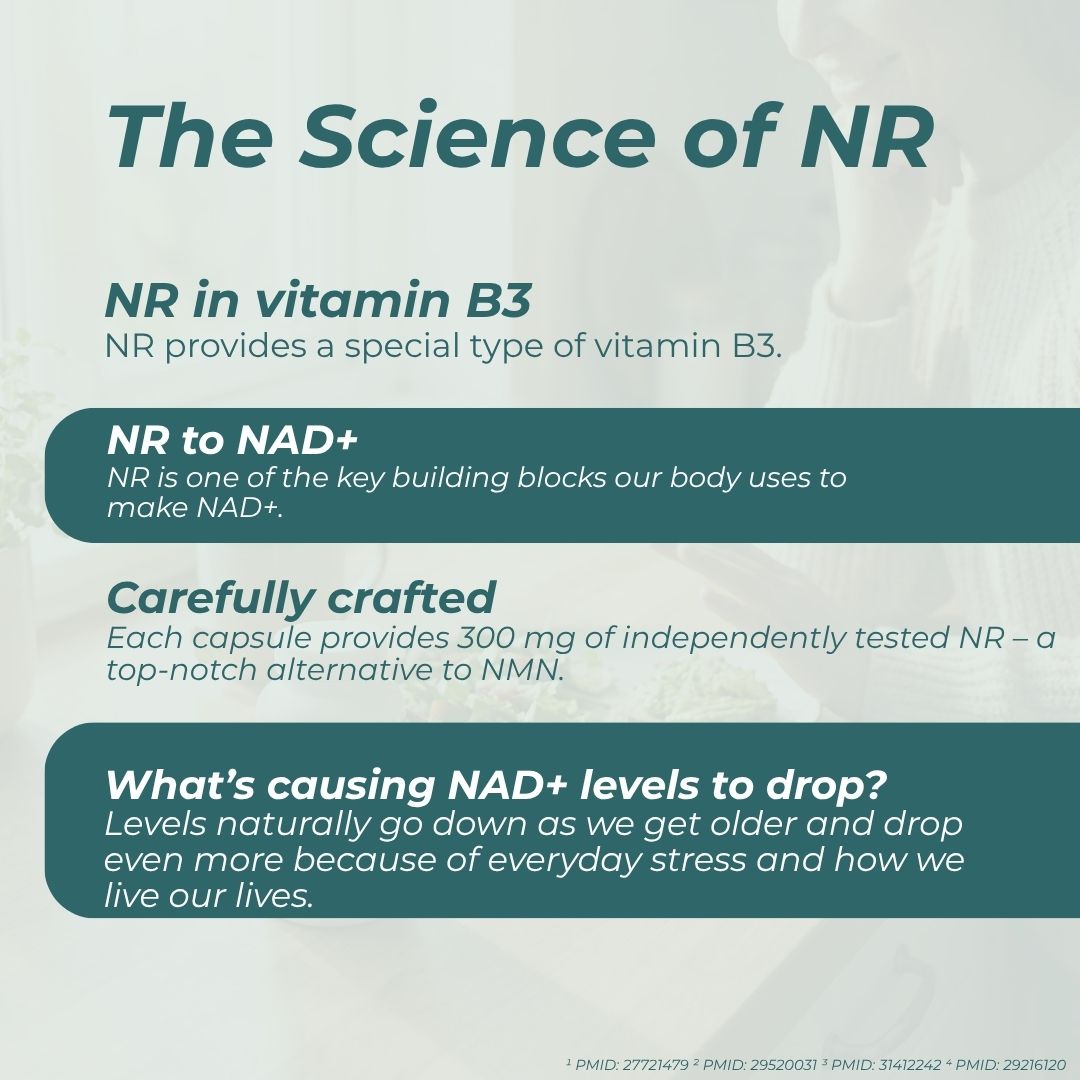
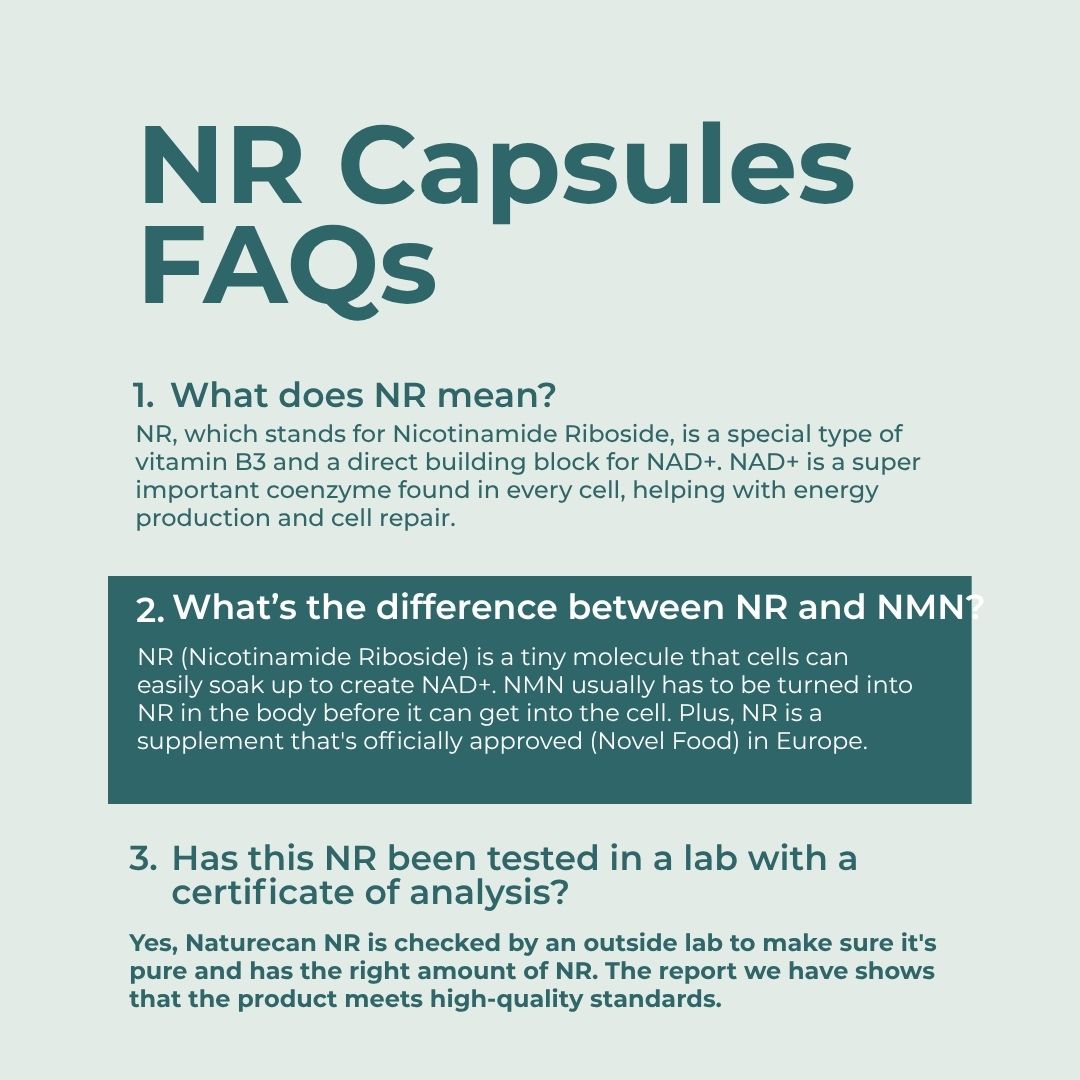
Compounds such as NMN (nicotinamide mononucleotide) and NR (nicotinamide riboside) are precursors to NAD+. They provide the building blocks the body needs to produce more of it [2].
What we do know from human trials is that oral NR raises NAD+ levels in the blood [1,4]. Whether that turns into noticeable health benefits is still being worked out, and most trials so far have been small [2]. NMN has been studied less in people. One 10-week trial in women with prediabetes who were overweight or obese reported better insulin signalling in muscle [13].
If you’d like to dive deeper, we’ve explored this in detail in our article on NMN benefits. New to the jargon? Our longevity glossary explains the terms in plain English, and the biological age survey is a quick way to see where you stand.

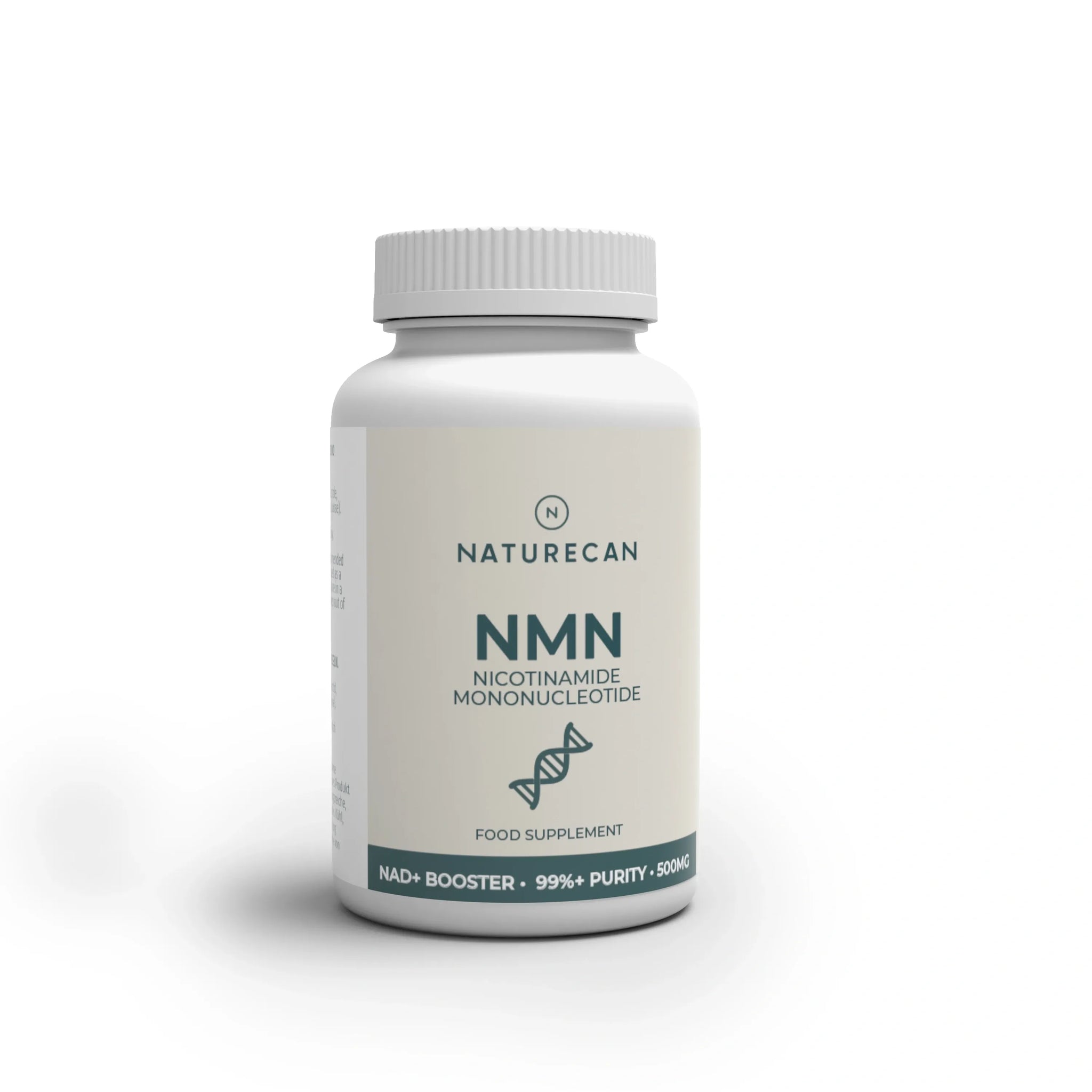
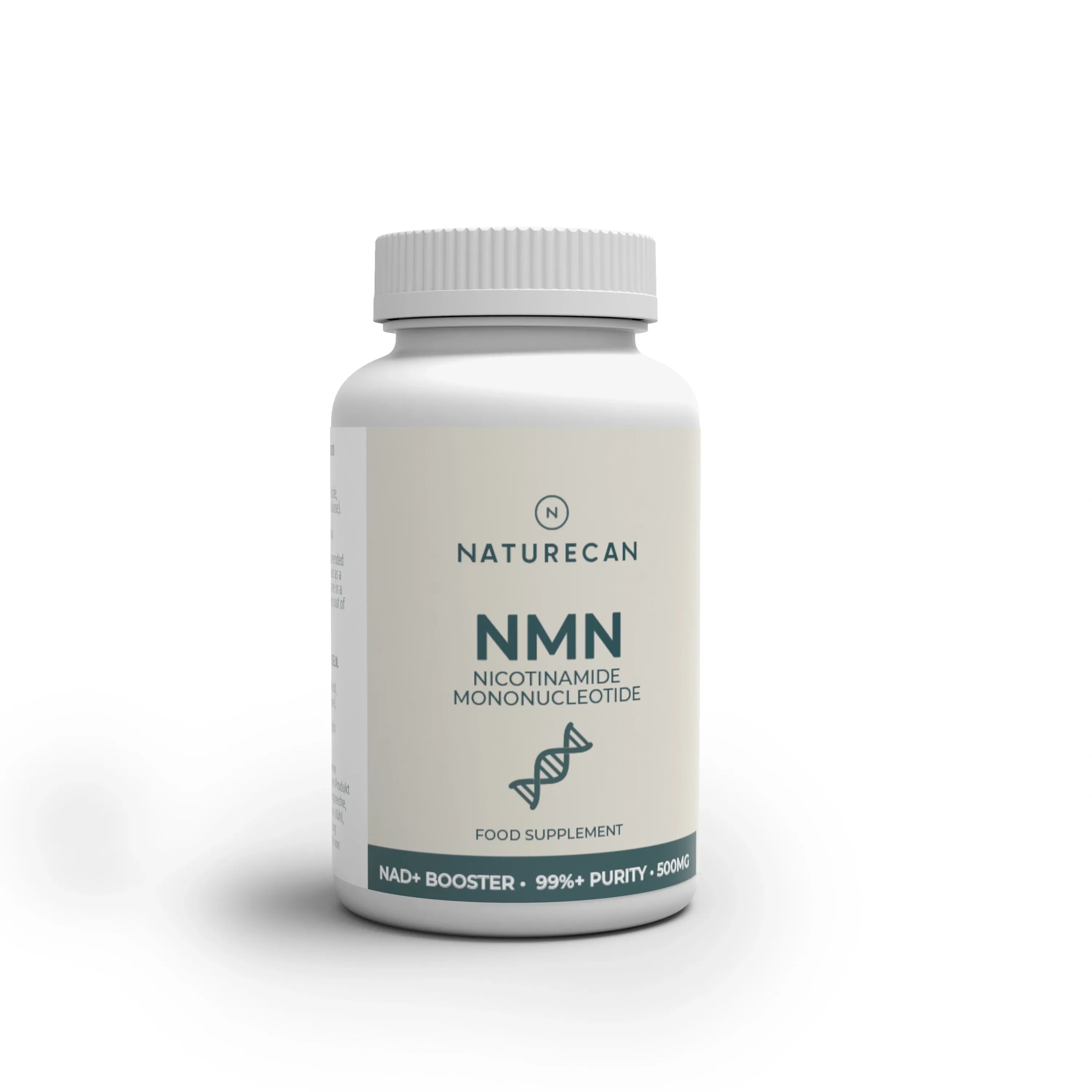
NMN Supplement by Naturecan
Designed to support overall health and well-being, incorporating our pure NMN supplement into your daily regimen is an excellent choice for anyone looking to enhance their wellness and longevity journey.
- 500mg of NMN (Nicotinamide mononucleotide) per capsule
- Premium capsule technology
- May increase lifespan
- Two month supply of capsules
- NAD+ Booster
- Suitable for vegans
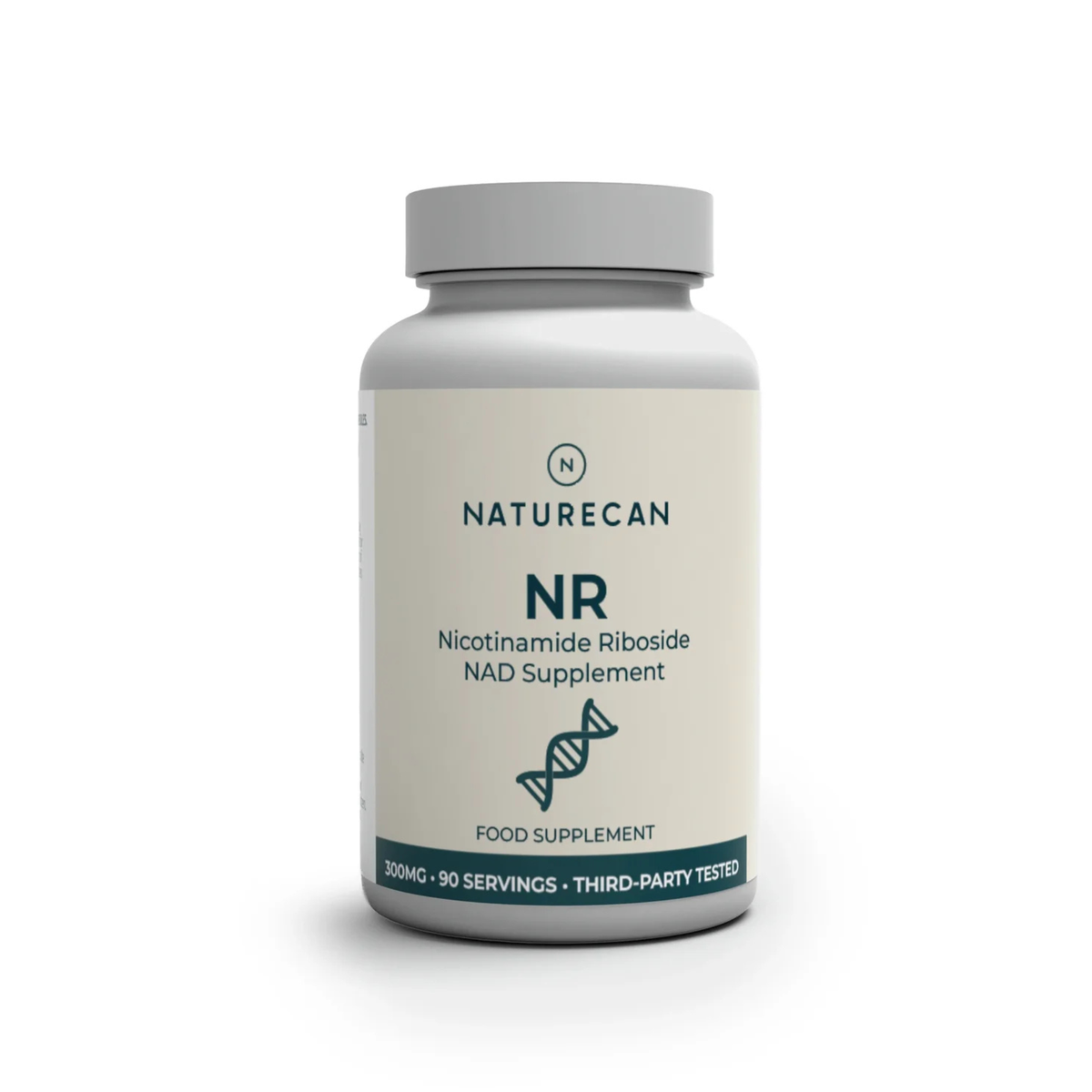
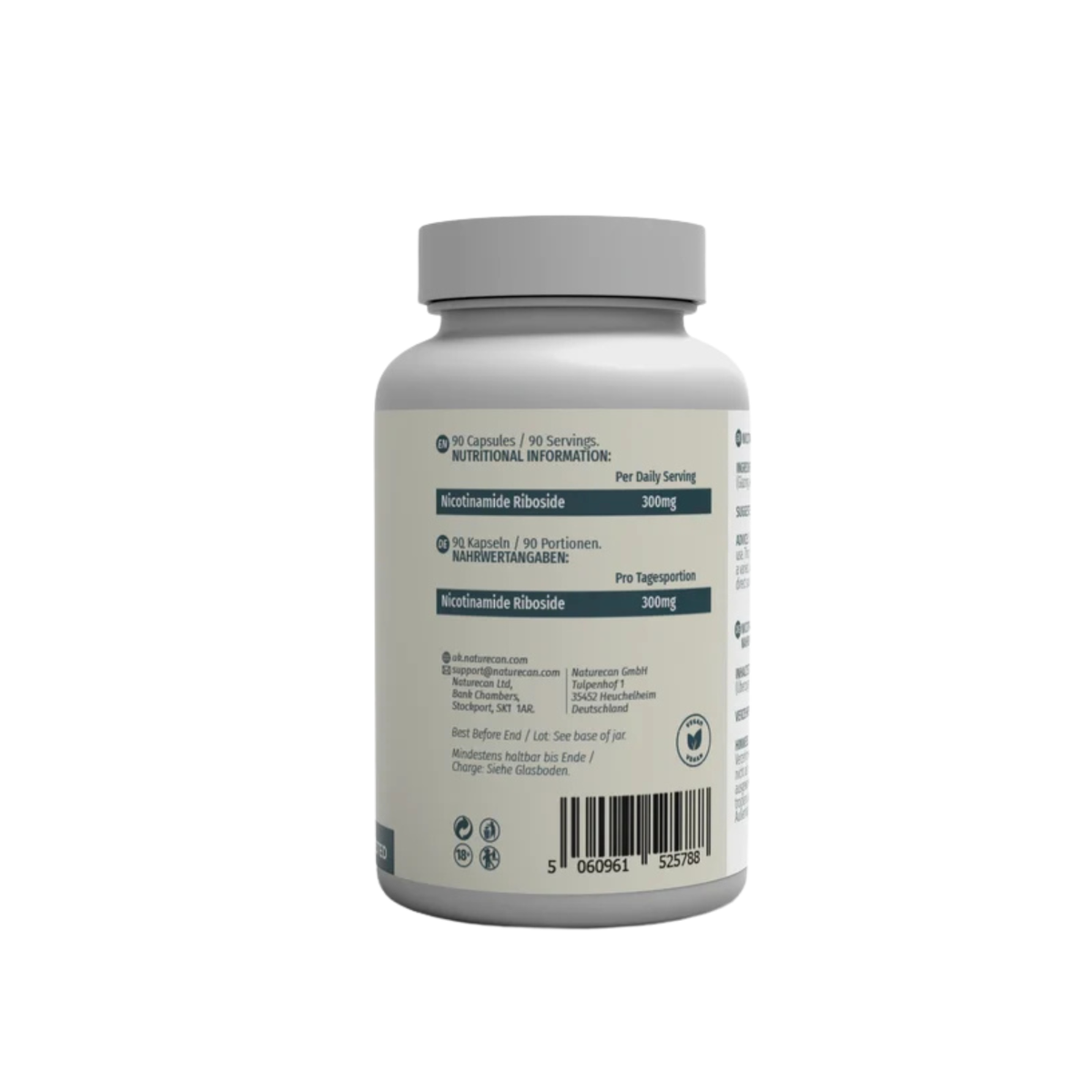
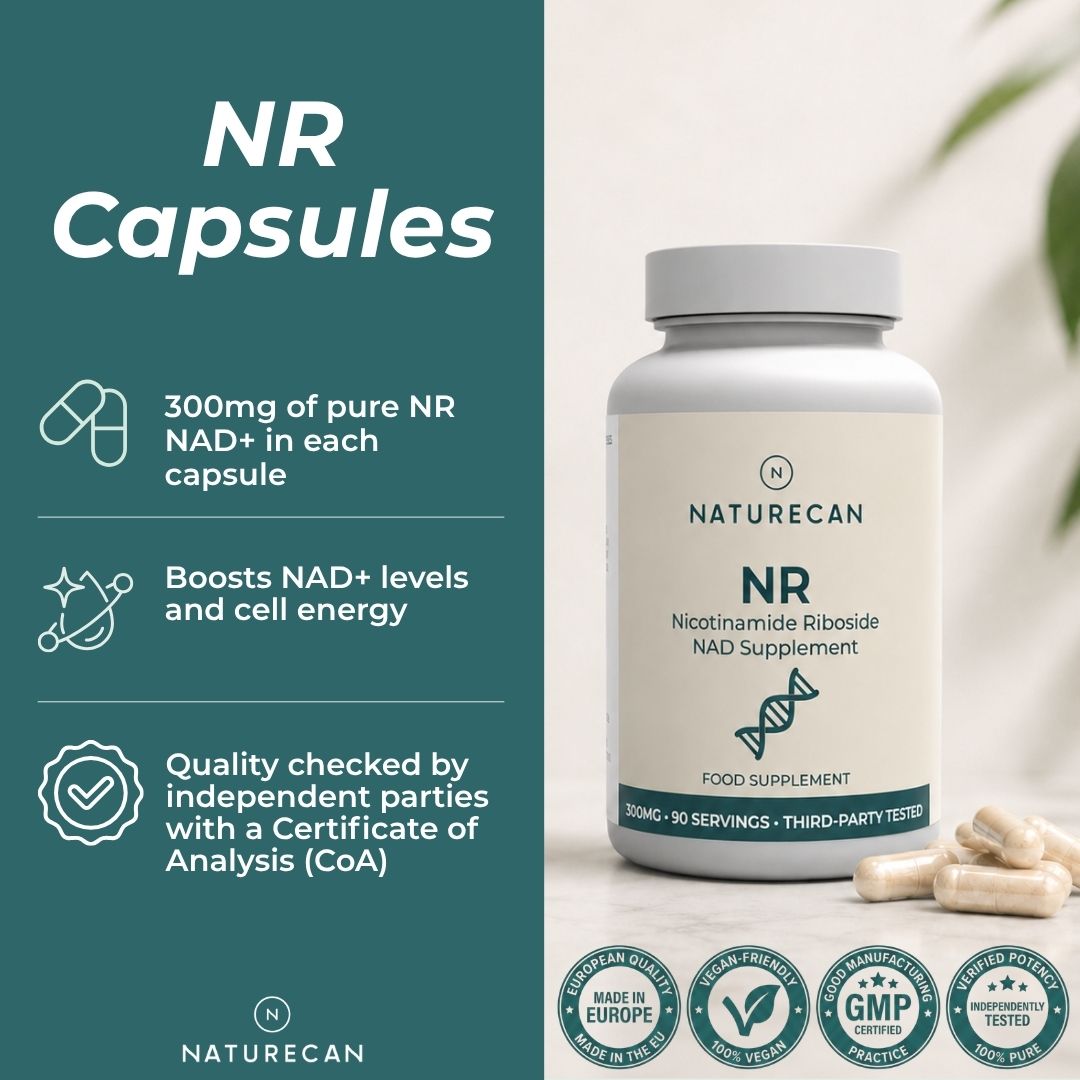
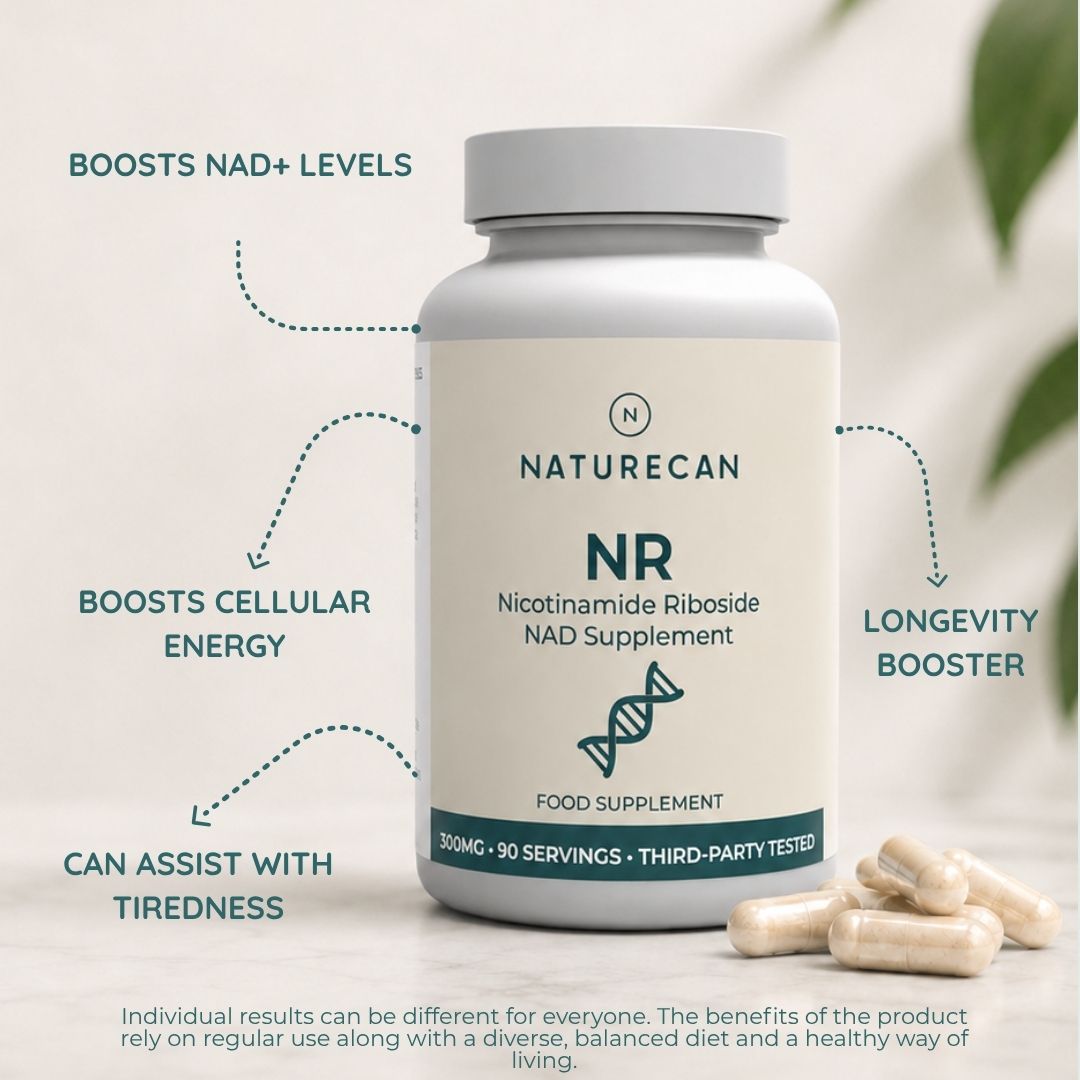
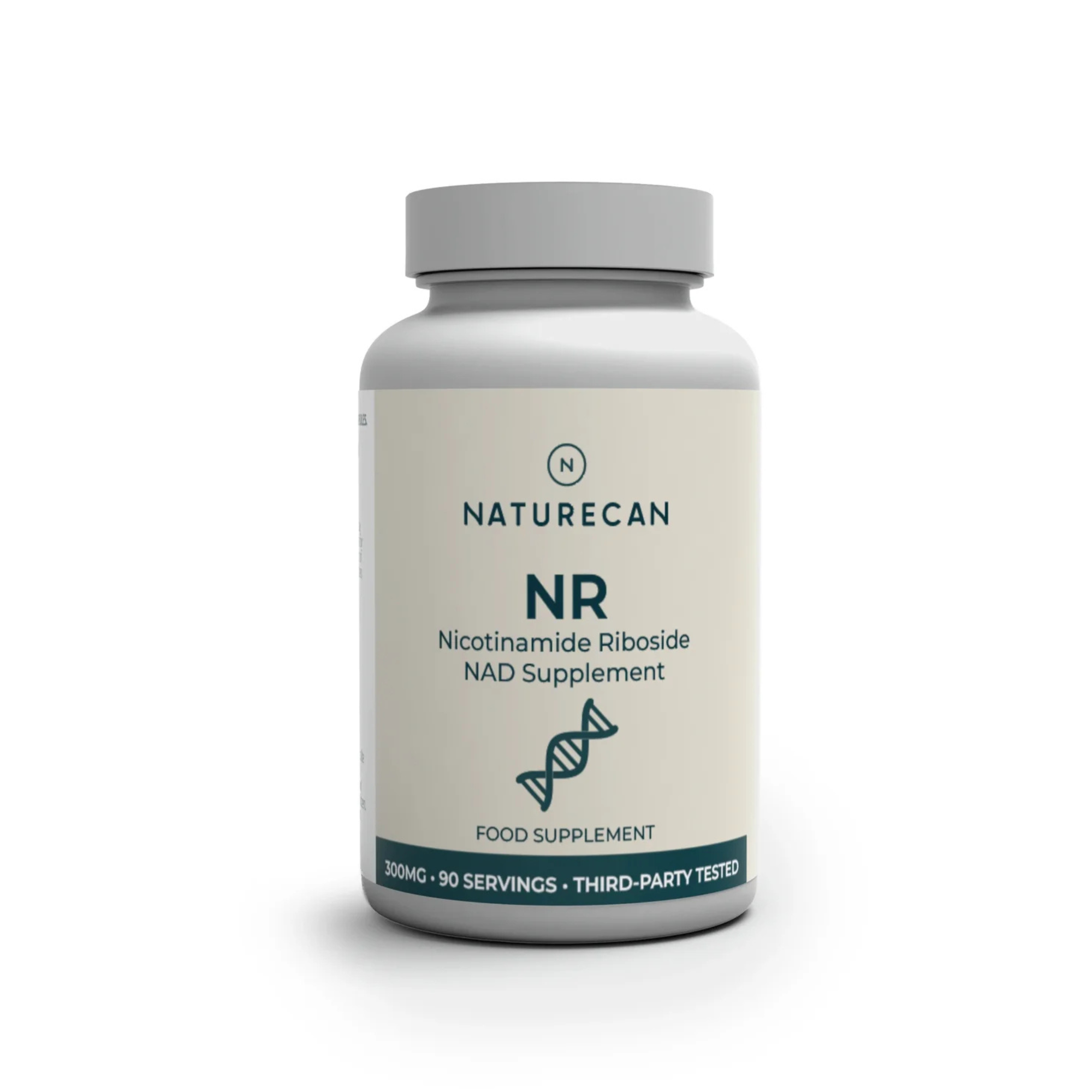
NAD Supplement by Naturecan
Taking NR as a supplement may boost NAD+ levels, supporting your body’s natural repair and energy systems.
This boost might help with brain function, immune health, and overall energy. Although research is still ongoing, early studies suggest that NR may support healthy ageing.
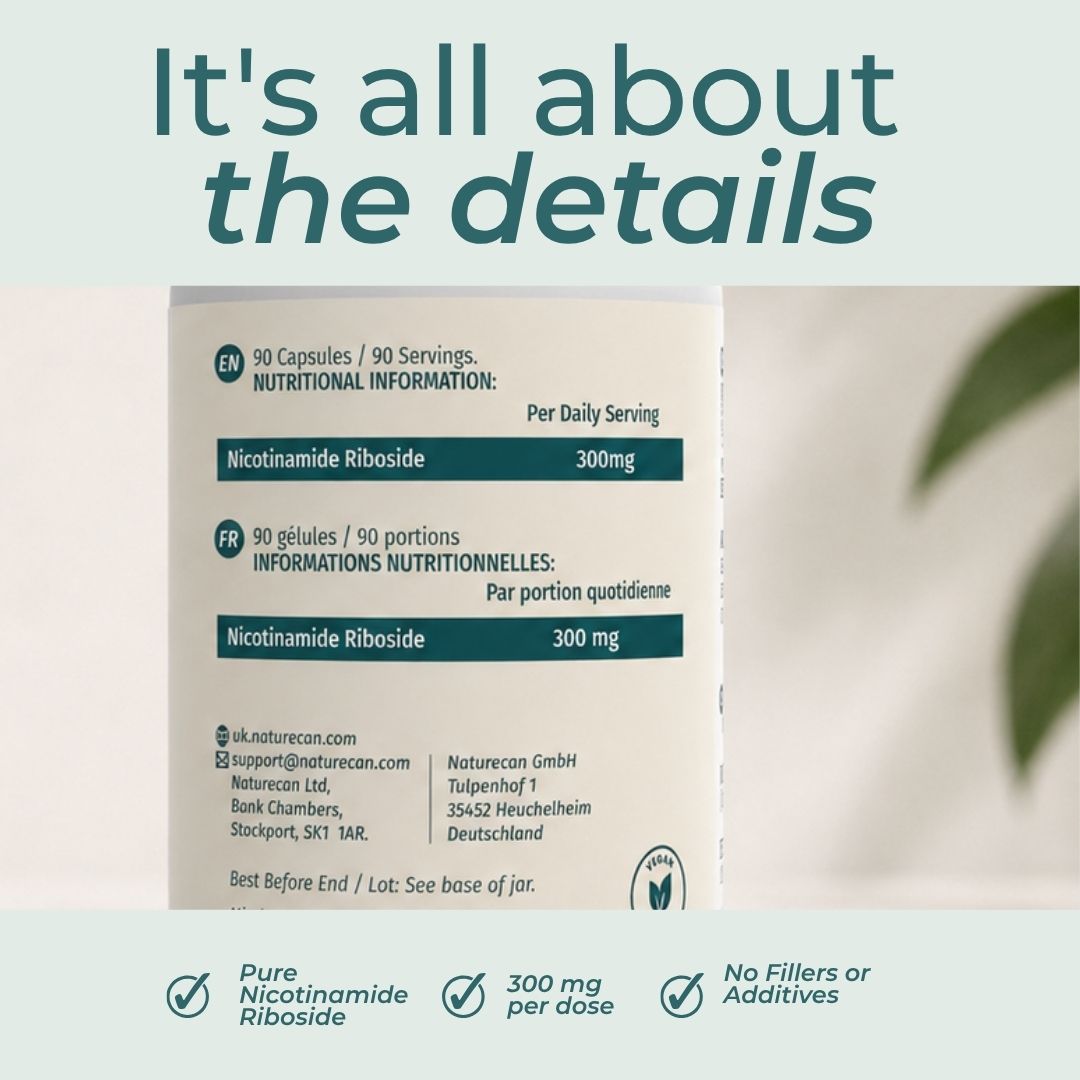
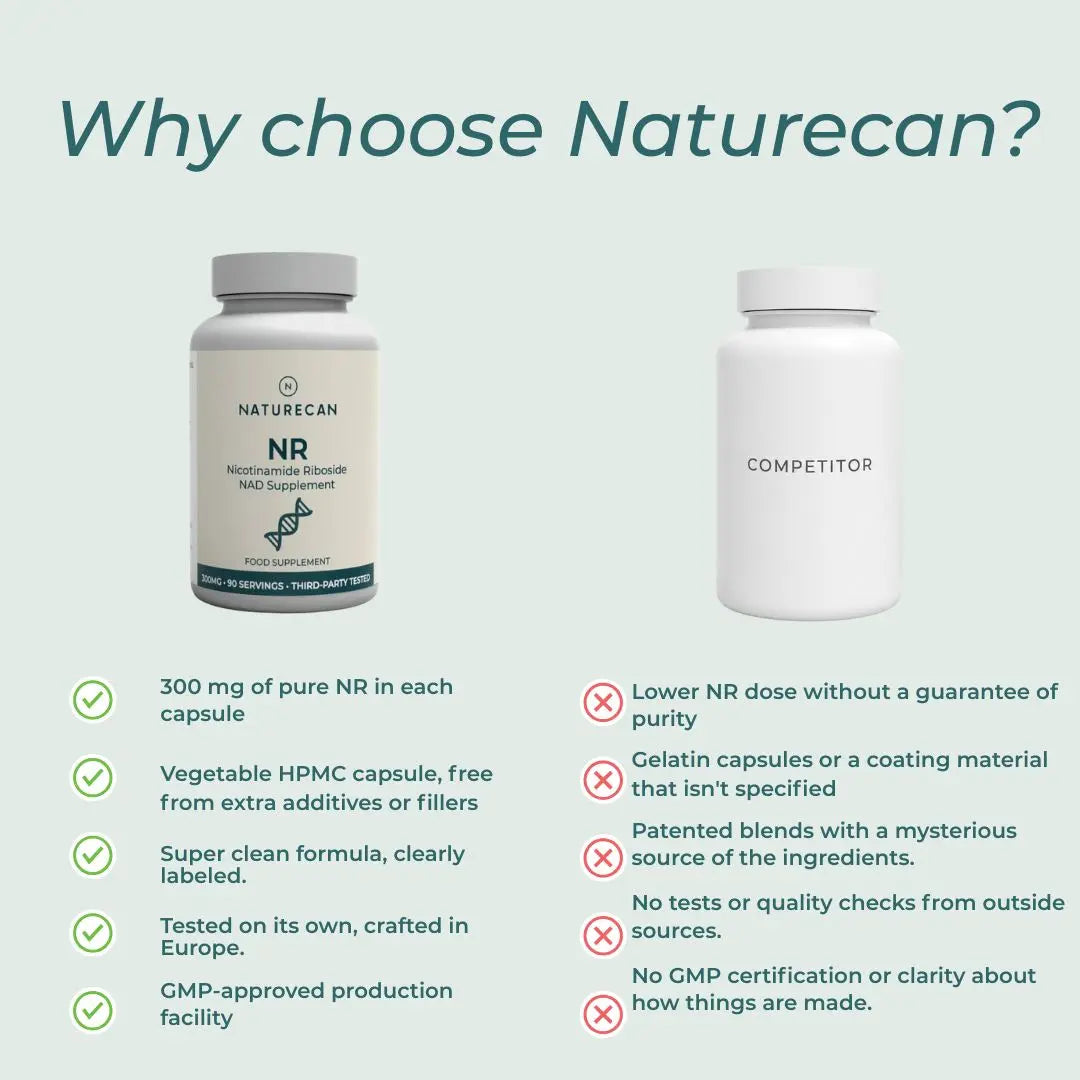
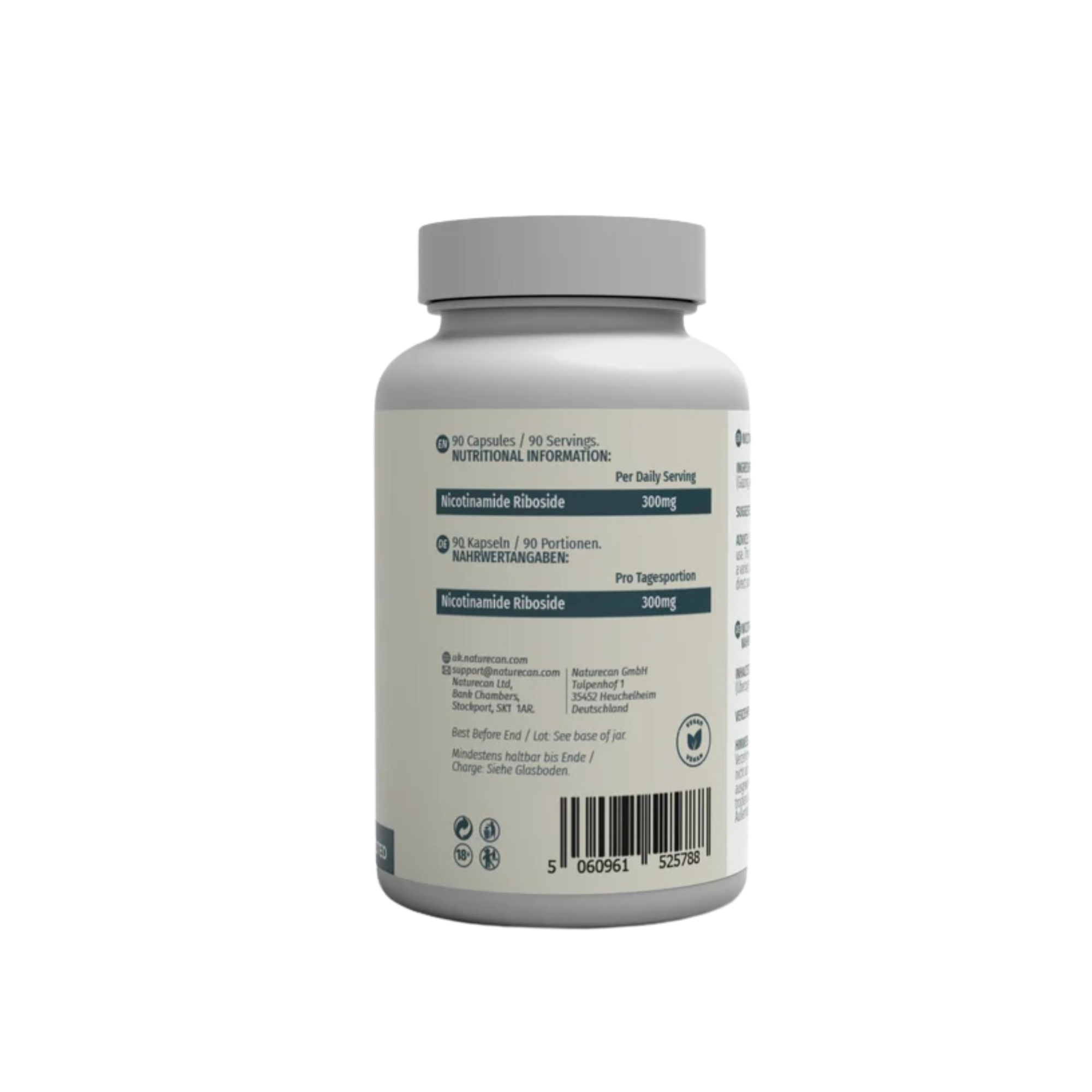
- 90 Servings of premium Nicotinamide Riboside (NR, 90 day supply)
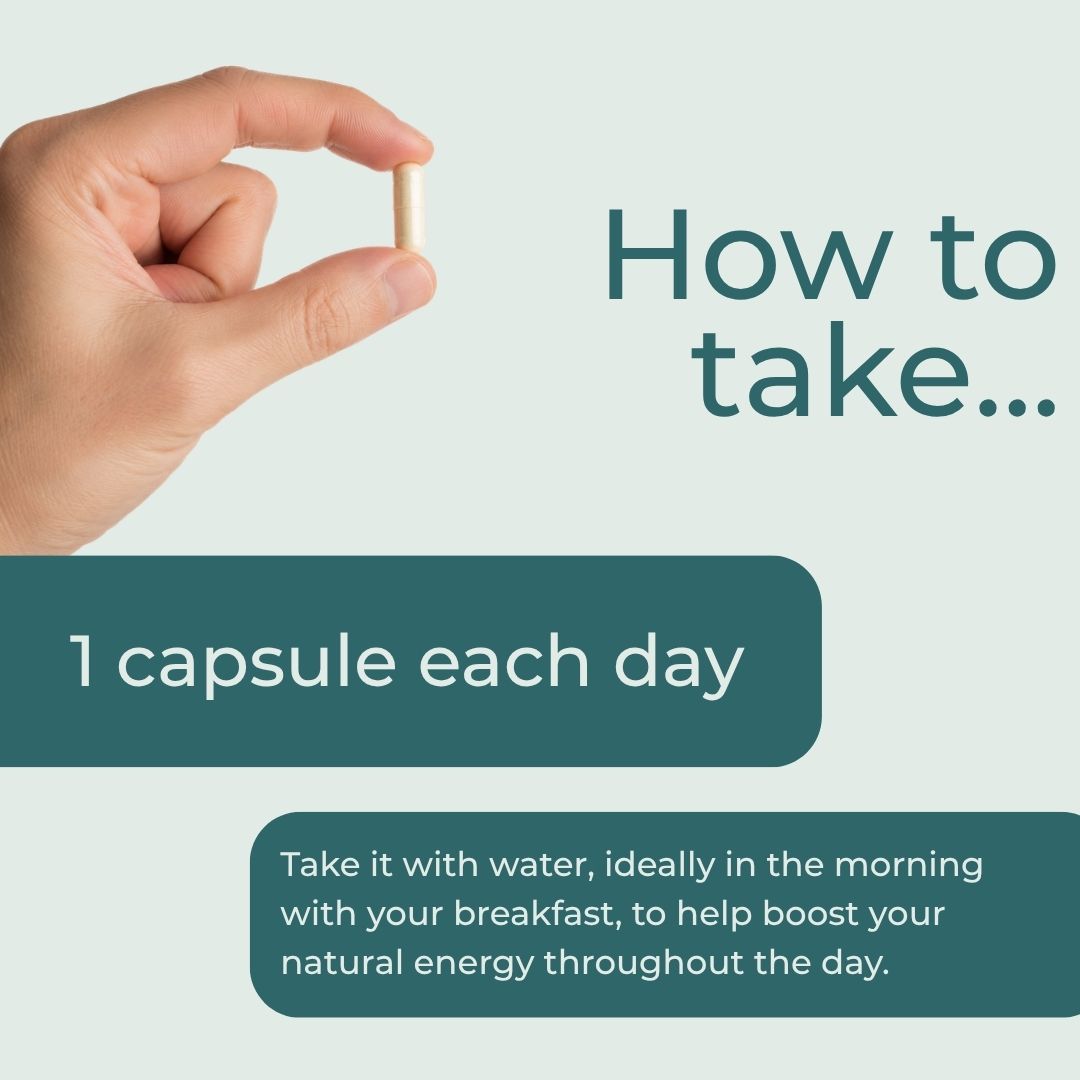
- 300 mg NR per serving (1 capsule per day)
- Scientifically supportive ingredients
- Vegan
- Made in Germany




What is Resveratrol?
Resveratrol is a natural compound found in grapes, blueberries, peanuts, and red wine [7]. Scientists have studied it extensively in the lab and in animals for its role in supporting healthy ageing [3].
Part of the buzz came from early lab work suggesting it could activate sirtuins [14,15]. A 2010 study found that resveratrol’s apparent effect on SIRT1, the best-known sirtuin, depended on the lab test being used [8]. Later work has suggested ways it might still activate the enzyme under some conditions [9], so the picture is murkier than the early headlines made out. Resveratrol also shows antioxidant activity in lab studies [3].
Antioxidants protect the body from oxidative stress, which occurs when harmful molecules called free radicals accumulate in cells [16]. Over time, oxidative stress can damage cells and contribute to ageing [16].
Studies suggest that resveratrol may support heart health, brain function, and inflammation balance. Most of this evidence comes from animal studies and early human trials, so more research is still needed [6]. For more details, see our article on resveratrol benefits.
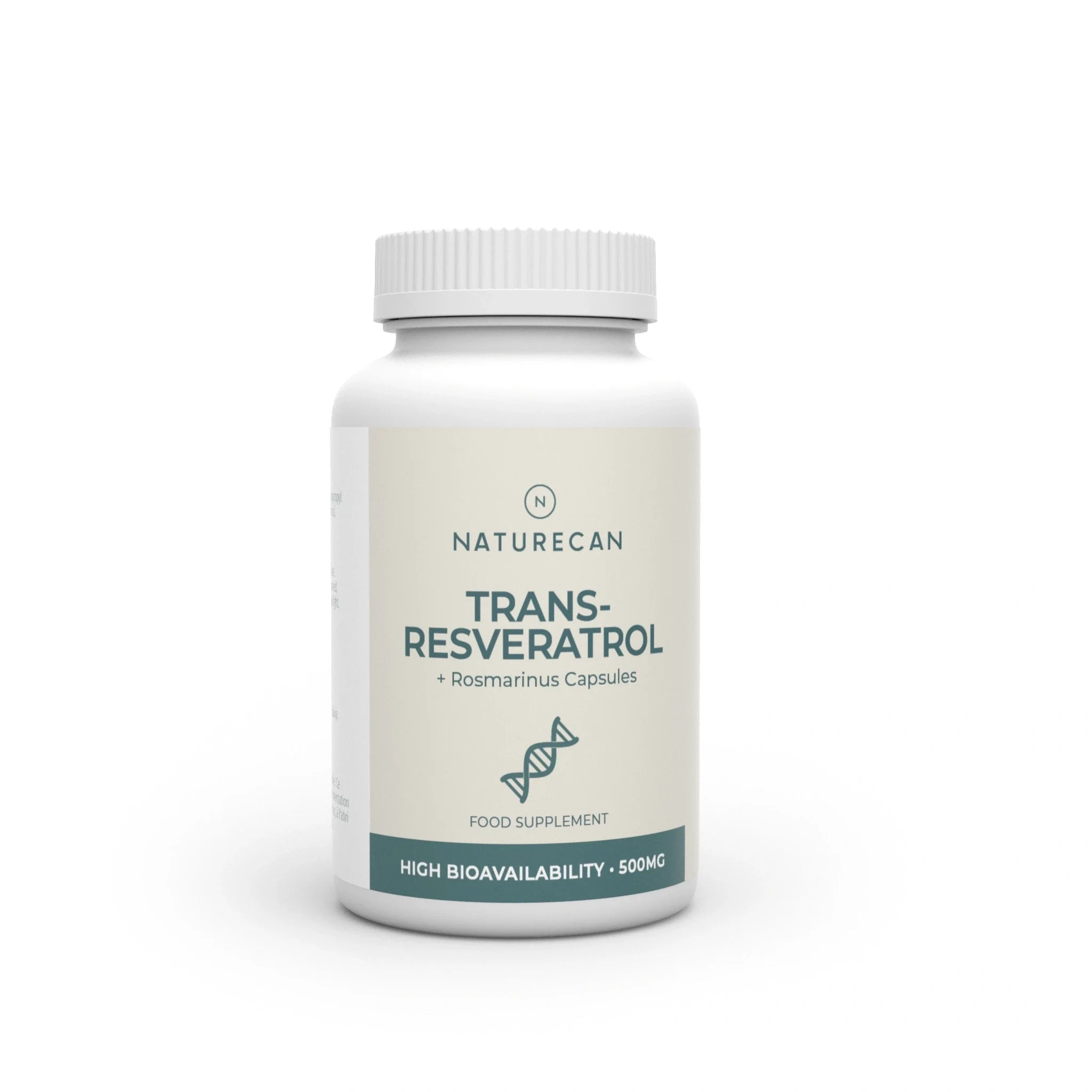
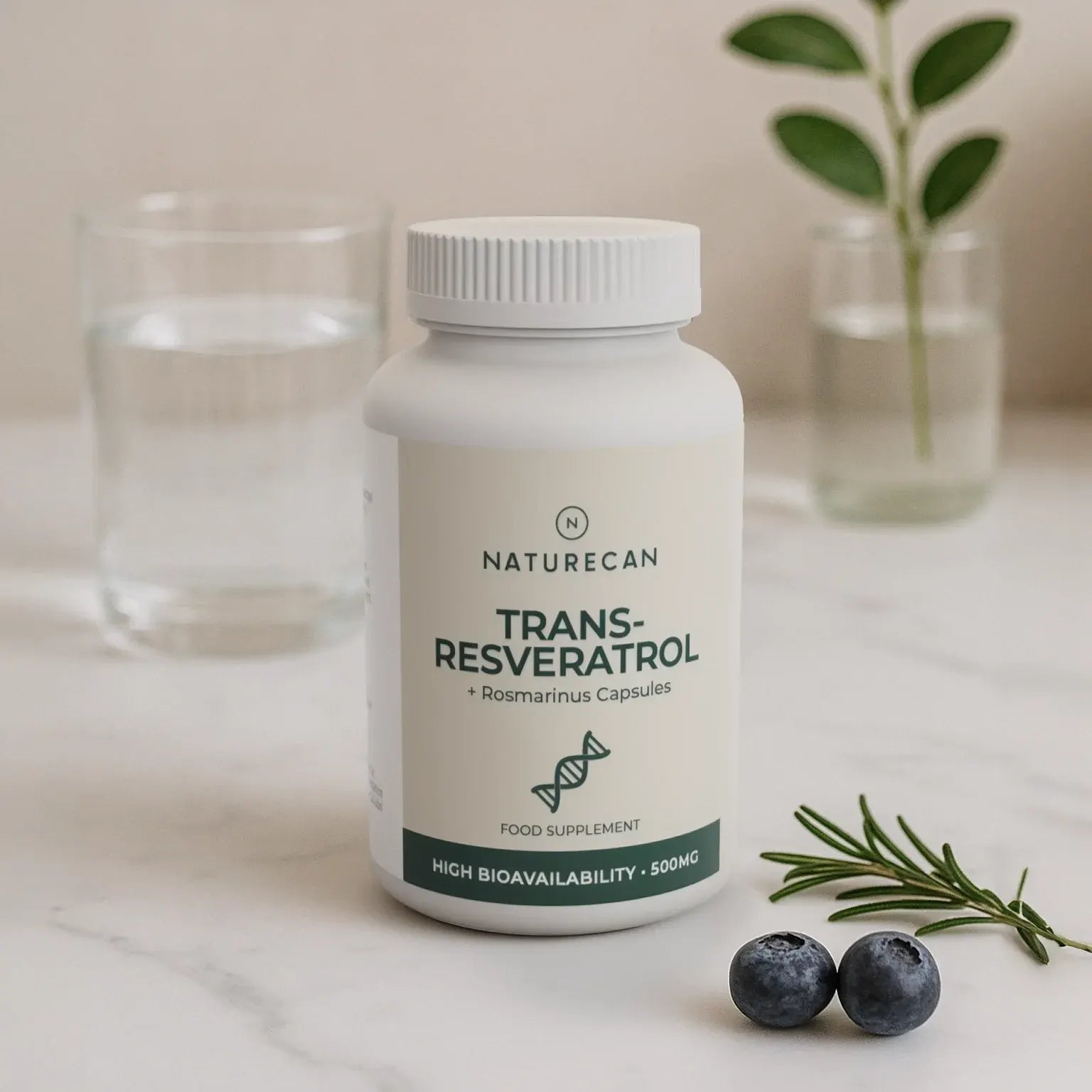
Featured Supplement: Resveratrol
Our Resveratrol supplements are designed to support your cardiovascular health and overall well-being. Hence, incorporating our pure Resveratrol capsules into your daily regimen is an excellent choice for anyone looking to enhance their wellness journey.


Can you take NAD+ and resveratrol together?
The logic behind taking both is easy to follow. Sirtuins are enzymes that need NAD+ to work [15], and resveratrol was once thought to switch them on [14]. More fuel plus a switch sounds like a winning pairing. Much of the public excitement traces back to work by Dr David Sinclair and colleagues [14]. If you’re curious about his own routine, we’ve covered what supplements David Sinclair takes.
What happened when researchers tested it
The closest thing we have to a direct test is the NICE trial, published in Nature Communications in 2024 [6]. It followed 90 adults with peripheral artery disease (reduced blood flow to the legs) for six months. Their average age was 71. They took either a placebo, NR on its own (500 mg twice a day) or NR with resveratrol (125 mg once a day).
- NR on its own improved six-minute walking distance by 17.6 metres compared with placebo, which met the trial’s pre-set bar for significance [6].
- NR with resveratrol improved it by just 3.65 metres, which didn’t reach significance [6].
- The authors’ conclusion was blunt: resveratrol did not add benefit to NR alone [6].

Before anyone reads too much into that, a few caveats. It was a small trial, run in people with a specific condition rather than healthy adults, and its significance threshold was looser than the usual one (a one-sided p value below 0.10) [6]. Fewer people in the combination group stuck to their pills too: 52% took at least three-quarters of them, compared with 75% on NR alone [6]. The NR dose was also roughly three times the 300 mg a day authorised for food supplements in Great Britain [10], so you can’t map the results straight onto a standard capsule. The Lifespan Research Institute’s write-up of the trial also notes more diarrhoea and vomiting in the combination group [17].
So, should you take both?
At the moment there’s no strong human evidence that resveratrol adds anything to an NAD+ precursor. That doesn’t make the combination off limits though, and plenty of people take both anyway. Each has its own body of research behind it, so some people like to cover both bases rather than pick one. For others it’s simply one part of a wider wellbeing routine, alongside sleep, nutrition and movement, and taking them together keeps it to a single daily habit.
If that’s you, go in with realistic expectations and run it past a healthcare professional first (more on that below).

What Supplements does David Sinclair Take?
Discover the supplement stack reccomended by Dr David Sinclair himself.
Read MoreNAD+ and Resveratrol Benefits: What Does the Evidence Support?
Search for these two online and you’ll find long lists of benefits. Here’s what the research can actually back up for each, one at a time.
NAD+ boosters (NR and NMN)
- Raising NAD+ levels: in a 2018 trial, oral NR increased NAD+ in the blood of healthy middle-aged and older adults [4].
- Muscle insulin signalling: a 10-week trial in women with prediabetes reported improved insulin signalling in muscle with NMN. It was small, and what it means for wider health isn’t known [13].
- Walking distance: in the NICE trial above, NR on its own improved six-minute walking distance in adults with peripheral artery disease [6].
- The bigger picture: a review of human trials of NAD+-boosting compounds lays out what we know so far and how much more research is needed [2].

Resveratrol
- Antioxidant activity: lab and animal studies show promising anti-inflammatory effects [3], but in people, a 2020 meta-analysis of 12 trials found only a borderline rise in total antioxidant capacity, with widely varying results [19].
- Heart health and inflammation: a 2024 meta-analysis of 10 trials found resveratrol lowered the inflammatory marker TNF-α in people at risk of coronary artery disease, but not another marker, IL-6. It was of limited use in people who already had the disease [20].
- Absorption: in one human study, at least 70% of a 25 mg dose was absorbed, but only trace amounts of unchanged resveratrol (under 5 ng/ml) reached the blood, because the body converts it so quickly. Its by-products may still be active, so the health impact isn’t clear [5].

Featured Bundle: NMN & Resveratrol
Boost your well-being with Naturecan's NMN and Resveratrol bundle. Designed to support energy and longevity, this powerful combination goes beyond conventional supplements by pairing two scientifically backed ingredients known for their potential to combat ageing and promote cellular health.


The Longevity Guide: Everything You Need to Know About Longevity


This is our complete beginner's guide to Longevity. We explain what it is, what studies are available, where it comes from, what it is used for, and a few other facts you may not know.
How to Take NAD+ and Resveratrol Together
If you want to include NAD+ boosters and resveratrol in your wellness routine, here are a few points to keep in mind.
Timing
Morning use: Many people prefer to take NAD+ boosters such as NMN or NR in the morning to support natural energy rhythms. Resveratrol may also be taken in the morning with food.
This can help improve absorption and provide antioxidant support during the day, when the body faces oxidative stress.
Some studies suggest that morning use may also support energy and reduce inflammation, which can be useful for those who are physically active [12].
Evening use: Others choose to take resveratrol at night. Research indicates it may influence melatonin production, which could support better sleep and overnight cellular repair.
Night-time intake is also associated with potential benefits for cardiovascular health, as the body focuses on repair during rest [6].
The best timing may depend on your goals. Morning use may be suited for energy and daily resilience, while evening use may support sleep and recovery.
Format
- Capsules: The most common and convenient option for daily use. They provide consistent dosing and are easy to include in a morning or evening routine.
- Powders: Supplements like NMN powder can be mixed into water, smoothies, or other drinks. This format offers flexible dosing and may appeal to those who prefer not to take capsules.
- Sublingual forms: Some NAD+ boosters are available as sublingual powders or lozenges. These are placed under the tongue, where they are absorbed directly, potentially improving bioavailability [2].
- Combination stacks: Some people prefer to take NAD+ boosters and resveratrol separately, while others combine them into a personalised longevity stack. Pairing the two can be done with individual products, depending on goals and convenience.
At Naturecan, we offer a range of products designed to work together: NMN supplements, NR capsules, and resveratrol supplements.
A note on dose. In Great Britain, NR chloride is authorised in food supplements at up to 300 mg a day for the general adult population (excluding pregnant and breastfeeding women), and 230 mg a day for pregnant and breastfeeding women [10]. Stick to the serving size on the label.


Who should check with a healthcare professional first?
These supplements are not a quick fix. Lifestyle factors such as sleep, diet, and exercise remain essential for long-term health [18].
NAD+ boosters and resveratrol should be viewed as supportive tools, not replacements for healthy habits. Short-term trials have found NR to be well tolerated in healthy adults [4], and EFSA has assessed synthetic trans-resveratrol as safe for adults in food supplements under set conditions [11]. Long-term data are thin, though, and the two haven’t been studied together in depth.
However, anyone who is pregnant, breastfeeding, or taking prescription medication should check with a healthcare professional before starting. EFSA has also flagged that resveratrol may interact with some medicines [11]. Food supplements aren’t a substitute for a varied diet and healthy lifestyle, and they’re not intended to diagnose, treat, cure or prevent any disease.

Conclusion
NAD+ boosters and resveratrol often get bundled together, but they’re different compounds with very different amounts of evidence behind them.
NR and NMN are precursors to NAD+, and trials show that oral NR raises NAD+ levels in the blood [4]. Resveratrol has a big body of lab research behind it but mixed results in people, and very little of it reaches the bloodstream unchanged [3,5]. When the two were tested together, resveratrol added nothing to NR in the one randomised trial we have [6].
If you’re curious about NAD+, an NAD+ precursor is the more evidence-backed place to start. If resveratrol appeals too, that’s your call, ideally after a chat with a healthcare professional.
As always, supplements should be viewed as part of a balanced lifestyle that includes sleep, nutrition, and movement.
If you’d like to keep reading, our longevity glossary and longevity range are good places to start.

Reviewed by Paul Holmes
Director of Science and Innovation at Naturecan
Testing for large pharmaceutical & tobacco companies, Paul has built a wealth of scientific and regulatory knowledge, working on regulatory submissions to bodies such as the FDA and the MHRA.
He holds a BSc in Medicinal and Biological Chemistry and sits on the UKAS CBD Food Product Approval Expert Group.
Frequently asked questions
Does NAD with resveratrol work?
There’s very little human evidence that taking both works better than an NAD+ precursor on its own. In the 2024 NICE trial in adults with peripheral artery disease, NR alone improved six-minute walking distance compared with placebo, while NR with resveratrol didn’t reach significance [6]. We’d like to see more research, particularly in healthy adults.
Is it safe to take NAD with resveratrol?
Short-term trials have found NR to be well tolerated in healthy adults [4], and EFSA has assessed synthetic trans-resveratrol as safe for adults in food supplements under set conditions [11]. Taking them together hasn’t been studied in much depth, and the Lifespan write-up of the NICE trial notes more diarrhoea and vomiting in the combination group [17]. If you’re pregnant, breastfeeding, have a medical condition or take medication, speak to your GP or pharmacist first.
What does NAD with resveratrol do?
NR and NMN are used to raise NAD+, a coenzyme involved in energy metabolism [2,4]. Resveratrol is a plant compound studied for its antioxidant activity [3]. The thinking behind combining them is that sirtuins need NAD+ [15], but human trials haven’t confirmed any added effect [6].
Is resveratrol an NAD+ booster?
Not directly. NR and NMN are NAD+ precursors, and resveratrol isn’t one. Researchers have suggested it might influence NAD+-dependent enzymes like SIRT1, but that’s still debated [8,9]. In the NICE trial, resveratrol didn’t add to what NR did on its own [6].
Should I take NR or NMN instead of resveratrol?
They do different jobs, so it depends what you want from a supplement. If NAD+ is your focus, a precursor has the stronger human evidence right now [2,4]. Resveratrol is more of an optional extra. A healthcare professional can help you weigh it up.
Discover our Naturecan Blog
Low FODMAP Diet: How It Affects Gut Bacteria, Prebiotics & Probiotics
Discover how the low FODMAP diet affects gut bacteria and IBS symptoms. Explore the role of prebiotics and probiotics, simple food swaps, and practical tips for supporting gut health while maintaining a balanced diet.
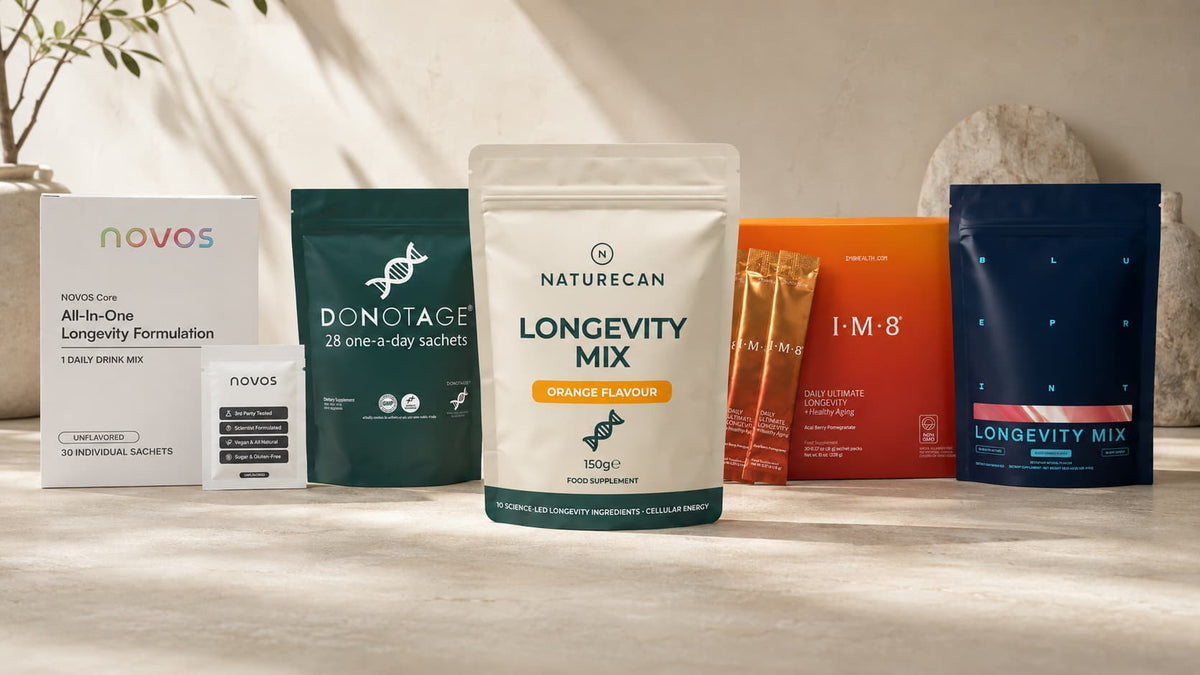
Longevity Mix Compared: What's Actually in IM8, NOVOS, DoNotAge, Blueprint & Naturecan
We compare the Longevity Mix formulas from Naturecan, IM8, NOVOS, DoNotAge and Blueprint side by side on disclosed ingredients, finished-product evidence, price and UK/EU safety rules, not marketing language.
Psyllium Husk: What It Is, Benefits, How to Use & Is It Safe?
What psyllium husk is, the evidence behind its benefits for digestion, cholesterol and blood sugar, and how to use it safely as a powder, whole husk or in capsules.
Ubiquinol vs CoQ10: What's the Difference and Which Should You Take?
Ubiquinol and CoQ10 are related but not identical - here's what the evidence says about absorption, benefits and how to choose the right form for your age and health.
What Is Inositol? Benefits, Uses & How to Take Myo-Inositol
Discover the evidence-backed benefits of inositol and myo-inositol for hormonal balance, PCOS and mood support, plus how to dose it safely and effectively.
Is Matcha Good for You? Benefits, and How to Use Matcha Protein
Is matcha good for you? Here's what the evidence says about matcha benefits, plus how to use matcha protein powder to get more from your daily routine.


