
How to Lower Cortisol and Make Sense of Stress Symptoms
Put the advice into practice with our free cortisol guide
Get Your Free Cortisol Guide

Quick Answer
If you feel stressed, start with the difficulty you want help with: disrupted sleep, persistent worry or an unmanageable workload. Sleep routines, regular movement and stress-management techniques can be useful starting points, but feeling calmer does not establish that your cortisol has fallen. Symptoms alone cannot diagnose a cortisol disorder. [1][2][3]
This guide explains what you can try, what the research can tell you and when to seek medical assessment. It does not recommend a drink, food or supplement as a treatment for raised cortisol.
Understanding Cortisol
What is Cortisol? Cortisol, commonly known as the “stress hormone,” is a vital steroid hormone synthesised in the adrenal glands. Its production and release are intricately controlled by the hypothalamus and pituitary gland in the brain, forming part of the body’s complex response system to stress. [1]
Cortisol helps regulate blood glucose, blood pressure and the response to stress. Its normal daily pattern includes a rise around waking; a morning rise is not, by itself, evidence of a problem that needs correcting. [4][5]
Before trying to lower cortisol ask these three questions
- What have I actually noticed?
Describe the problem without assigning it a hormone diagnosis. For example, “I wake at 4 am and cannot get back to sleep” gives you something specific to discuss; “my cortisol is too high” assumes an explanation that has not been established. [5][6] - What am I trying to change?
Choose an observable aim, such as a more regular bedtime or a manageable break during a demanding day. You do not need to turn every wellbeing change into a hormone experiment. - Do I need an assessment?
If symptoms persist, worsen or affect daily life, discuss them with a healthcare professional. The decision to investigate cortisol depends on your symptoms, examination and medical history, including medicines you take. [1][2]
Practical Changes to Lower High Cortisol Levels and Reduce Stress
Choose the section that matches your main difficulty. The examples below are ways to put general guidance into practice, rather than a tested programme for lowering cortisol. If a change is impractical, make it smaller instead of adding more tasks.to reduce cortisol levels naturally.
1. Make sleep advice fit your actual schedule
Aim for 7-9 hours of quality sleep each night and maintain a consistent sleep schedule. Avoiding caffeine and heavy meals before bedtime can also promote better sleep. [2]
Make the first change specific: for example, keep a regular getting-up time or move your final caffeinated drink earlier. If you work shifts or have caring responsibilities, choose a routine that fits the time you can realistically protect. A diary of sleep times and awakenings can help you describe the pattern to your GP. [6]
If sleep difficulties have lasted for months, changing your habits has not helped, or tiredness makes daily life hard to manage, seek advice rather than assuming cortisol is the cause. [2]
2. Give a brief breathing practice a clear purpose
The NHS describes a gentle breathing exercise for stress: sit comfortably, let the breath move into your abdomen without forcing it, breathe in through your nose and out through your mouth, and count steadily if that helps. Practise for about five minutes. [7]
Use it as a pause during the day, rather than a test of whether your hormones are “balanced”. A randomised study of daily five-minute breathing practices over one month measured mood, anxiety and physiological arousal. It did not establish an immediate cortisol-lowering effect. [8]

3. Notice the thought and identify the next action
Training yourself to be aware of your thoughts, breathing, heart rate, and other signs of tension helps you recognise stress when it begins.
By focusing on awareness of your mental and physical state, you can become an objective observer of your stressful thoughts.
For a practical next step, write down the worry and separate what you can act on from what is outside your control. “Ask which deadline takes priority” is a more specific action than “stop feeling stressed”. Talking with a friend, colleague or manager can also help you explore support or a change to the situation. [3]
4. Choose movement you can repeat
Walking, swimming or cycling can be ways to build activity into your week. Start at a level that suits your health and fitness, then build up gradually. NHS guidance for adults aged 19 to 64 recommends at least 150 minutes of moderate-intensity activity a week, or 75 minutes of vigorous activity, alongside strengthening activities on at least two days. Adapt this with professional advice where needed. [9]
A short walk at a time you can keep is a useful starting example. Judge whether the routine fits your day and recovery, rather than assuming that a harder session will produce a greater fall in cortisol. The NHS includes being active among its suggestions for managing stress. [3]
5. Keep food practical rather than following a hormone reset
Use ordinary balanced-eating guidance: include a variety of fruit and vegetables, higher-fibre starchy foods, protein sources and dairy foods or alternatives. The Eatwell Guide describes the balance across a day or week; every meal does not have to follow the same proportions. [10]
For a busy day, a practical change might be planning a meal you can prepare with the time and budget available. This is a food-planning suggestion, not evidence that a particular meal lowers cortisol. Avoid turning a demanding week into a restrictive “detox” challenge.

The Cortisol Cocktail Trend: What Does The Evidence Actually Say?
The viral drink typically combines coconut water, orange juice, salt and magnesium powder. Evidence about an individual nutrient does not establish that this mixture, taken on waking, lowers cortisol. The useful distinction is between a claim about the finished drink and a study of a different preparation, dose or setting. [11][4]
Ingredient claims and what the cited evidence actually establishes
Electrolytes & Coconut Water
What the trend claims: Rehydrates your adrenal glands and stops morning fatigue.
What the evidence supports: Coconut water and salt genuinely rehydrate you and can help with morning sluggishness, but there is no evidence this has any direct effect on cortisol production. This is a hydration benefit, not a hormone one.
Vitamin C
What the trend claims: Supports adrenal gland function and lowers stress.
What the evidence supports: A randomised controlled trial found that high-dose vitamin C blunted the rise in cortisol and blood pressure that follows an acute stressful event [11]. The effective dose in that trial was 3,000mg, roughly 40 to 60 times more vitamin C than the small splash of orange juice most cocktail recipes call for (a small glass of orange juice contains around 60 to 70mg). The ingredient has evidence behind it. The serving size in the trend doesn't.
Magnesium
What the trend claims: Calms the nervous system and regulates cortisol production.
What the evidence supports: This is the strongest ingredient in the drink. Magnesium contributes to normal nervous system function and the reduction of tiredness and fatigue [12], and low magnesium status has been linked with a heightened stress response in a way researchers describe as a “vicious circle”, where stress depletes magnesium and low magnesium worsens the stress response [13]. The mechanism is real. The question is whether an occasional pinch in a drink gets you a meaningful, consistent dose, which the next section addresses.
What about adrenal fatigue and cortisol detox plans
A systematic review found no substantiation for “adrenal fatigue” as a medical condition. Persistent fatigue still deserves assessment; that label should not replace an investigation of possible causes. A drink or a restrictive diet should not be presented as treatment for an unconfirmed hormone problem. [14][1]
Cortisol Cocktails: Claims vs Scientific Evidence
Still want to try it?
The classic recipe is:
- 250ml coconut water
- The juice of half an orange
- A pinch of sea salt
- A scoop of magnesium powder
Stirred and drunk in the morning. It is not harmful for most people, and there is nothing wrong with the ritual of pausing for a drink before your day starts. Just know that the meaningful part of that recipe is the magnesium, and a chelated, properly dosed Magnesium Bisglycinate supplement will give you a more reliable, consistent dose than a pinch of powder in juice.
What About "Cortisol Detox" Diets?
You may also see 21-day "cortisol detox" diet plans online, promising to reset your hormones through strict food rules. These follow the same pattern as the cocktail: some of the underlying advice, more whole foods, less sugar, better sleep, is genuinely useful, but the framing overpromises what any single diet plan can do to a hormone governed by your brain, your sleep and your day-to-day stress load, not a fixed calendar.

There is no peer-reviewed evidence that a specific "cortisol detox diet" outperforms the general dietary and lifestyle principles covered in the ten steps below. If a diet plan is telling you it can "detox" a hormone your liver and kidneys already process continuously, treat that as a marketing claim, not a medical one.
Featured Supplement: Magnesium Bisglycinate 3:1
Take your wellness routine to the next level. Naturecan’s Magnesium Bisglycinate offers a highly bioavailable and easy-to-digest magnesium powder to help you maintain overall health. Also available in magnesium capsules for those who like to take their supplements in tablet form rather than mixing into drinks.
Key Benefits:
- Supports normal bones, teeth, and nervous system
- Reduces tiredness and supports energy metabolism
- Aids protein synthesis and cell division
- Helps maintain electrolyte balance
- With Magnesium Bisglycinate, Citrate & Lactate
Supplements To Reduce Cortisol
Many people turn to natural supplements to reduce cortisol and support cortisol balance. While no supplement can cure stress or hormonal imbalance, certain nutrients may potentially help your body function more effectively, especially when paired with lifestyle strategies like sleep optimisation, exercise, and mindfulness.
Safety first: Speak with a healthcare professional, especially if you’re pregnant, breastfeeding, taking prescriptions or have underlying conditions. [15]
1. Ashwagandha – Adaptogenic Support
Ashwagandha is one of the most studied adaptogenic herbs and is widely used to support stress management.
Research shows it can help the body maintain emotional stability. [16]
- How it works: Ashwagandha is traditionally used to help the body cope with stress and promote calm.
- What studies suggest: Ashwagandha may support relaxation and mental well-being during periods of temporary stress.

2. Rhodiola – Energy and Stress Support
Rhodiola rosea is another adaptogen traditionally used to help manage mental stamina and resilience under stress.
Studies indicate that Rhodiola may help the body adapt to emotional stress and physical effort. [17]
- Benefit theme: Known as “golden root” or “arctic root”, Rhodiola is valued for its potential role in supporting mental and cognitive activity.

3. Magnesium (Magnesium Bisglycinate) – Relaxation and Recovery Support
Magnesium contributes to the normal function of the nervous system, normal physiological function, and the reduction of tiredness and fatigue. [12]
- Why it matters: Magnesium is often recommended for muscle relaxation and calm, which can support overall wellbeing.
- Form matters: Magnesium bisglycinate is a chelated form that’s often better absorbed and gentler on the stomach than some other forms.

4. CBD Oil – Endocannabinoid System Support
Cannabidiol (CBD Oil) is a naturally occurring compound from the hemp plant that has become popular in wellness circles.
While UK-approved CBD products cannot treat or diagnose conditions like stress, many people use CBD for general relaxation and comfort in everyday life.
- Things to know: UK CBD products must contain 0% THC and comply with the Food Standards Agency’s Novel Food requirements.

When to speak to your GP
Symptoms to discuss
Seek advice if symptoms are persistent, worsening or affecting daily life. Features such as easy bruising, wide purple stretch marks or muscle weakness, particularly alongside other changes, are reasons to discuss the overall pattern with a clinician. They are not a diagnosis on their own. [1][18]
What assessment may involve
If a cortisol disorder is suspected, assessment may involve urine, saliva or blood tests chosen for the clinical question. Sampling time and the type of test matter; a general morning “normal range” is not a reliable self-diagnosis tool. Tell your clinician about steroid medicines, including tablets, creams or injections.
Do not stop prescribed steroid treatment without medical advice. [5]
If a disorder is confirmed
Confirmed cortisol disorders require treatment for their underlying cause. Lifestyle advice in this guide should not replace that care. [18]
What is cortisol belly?
“Cortisol belly” is not a medical diagnosis. Abdominal weight gain alone cannot identify its cause or establish raised cortisol. Cushing’s syndrome can change where body fat is stored, but diagnosis depends on the wider clinical picture and appropriate testing. [18][5]

Conclusion: How To Reduce Cortisol
Reducing cortisol levels involves a holistic approach, combining dietary choices, lifestyle adjustments, physical activity, and stress reduction techniques.
While natural methods are often effective, medication may be necessary in some cases. It's crucial to recognize the signs of high cortisol and take proactive steps to manage it. Regular check-ups with a healthcare professional can also ensure that cortisol levels remain within a normal range. By understanding and addressing the factors that influence cortisol, individuals can improve their overall health and well-being.
For more detailed information and guidance, please consult with healthcare professionals and consider visiting authoritative health websites.
FAQs
How can I lower my cortisol levels quickly?
Quick methods that may help manage stress include deep breathing exercises, brief physical activity and relaxing activities such as reading or listening to music.
These are options for managing how you feel, rather than proof of a rapid change in cortisol. [3][7]
How do you know if you have high cortisol?
Symptoms associated with high cortisol can include fatigue, anxiety, weight gain and difficulty sleeping. However, these symptoms can have many possible causes. A healthcare professional may use blood, urine or saliva tests when investigating cortisol levels. [1]
Can you flush out cortisol?
You cannot “flush out” cortisol. However, managing stress, maintaining a balanced diet, exercising regularly and getting sufficient sleep may help support healthy cortisol regulation. [1][2][3]
How can you reduce cortisol during menopause?
Sleep problems, mood changes and changes in weight can occur during perimenopause and menopause; they do not, by themselves, establish a cortisol disorder. If symptoms affect your daily life, discuss menopause-specific support and treatment with your GP. Regular sleep routines, activity and a balanced diet are useful general starting points, alongside appropriate individual care. [19][20]
Discover our Naturecan Blog

Low FODMAP Diet: How It Affects Gut Bacteria, Prebiotics & Probiotics
Discover how the low FODMAP diet affects gut bacteria and IBS symptoms. Explore the role of prebiotics and probiotics, simple food swaps, and practical tips for supporting gut health while maintaining a balanced diet.
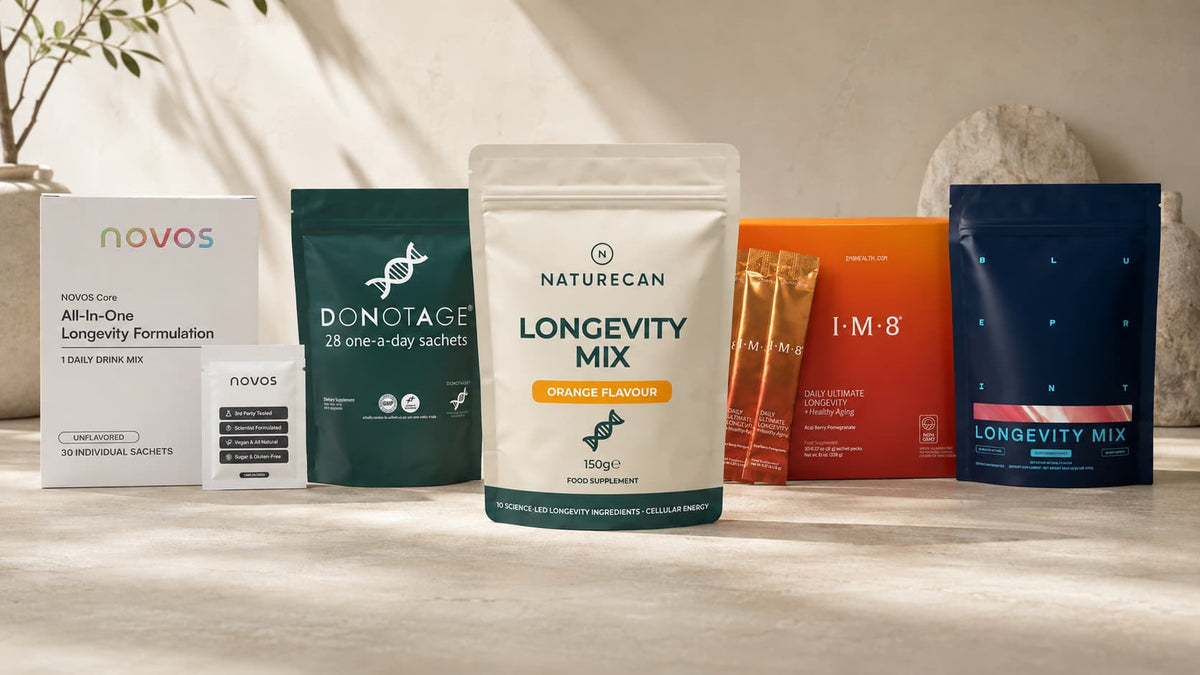
Longevity Mix Compared: What's Actually in IM8, NOVOS, DoNotAge, Blueprint & Naturecan
We compare the Longevity Mix formulas from Naturecan, IM8, NOVOS, DoNotAge and Blueprint side by side on disclosed ingredients, finished-product evidence, price and UK/EU safety rules, not marketing language.

Psyllium Husk: What It Is, Benefits, How to Use & Is It Safe?
What psyllium husk is, the evidence behind its benefits for digestion, cholesterol and blood sugar, and how to use it safely as a powder, whole husk or in capsules.
Ubiquinol vs CoQ10: What's the Difference and Which Should You Take?
Ubiquinol and CoQ10 are related but not identical - here's what the evidence says about absorption, benefits and how to choose the right form for your age and health.
What Is Inositol? Benefits, Uses & How to Take Myo-Inositol
Discover the evidence-backed benefits of inositol and myo-inositol for hormonal balance, PCOS and mood support, plus how to dose it safely and effectively.
Is Matcha Good for You? Benefits, and How to Use Matcha Protein
Is matcha good for you? Here's what the evidence says about matcha benefits, plus how to use matcha protein powder to get more from your daily routine.


