

Top 5 Methylene Blue Benefits Explained

Published:
Written by Jordan Caulfield & reviewed by Paul Holmes.
Methylene blue is not something the body produces naturally. It is a synthetic compound that has been used in medicine for more than 100 years as a dye, diagnostic tool and prescription medication.
While its name has recently gained attention in the wellness and longevity space, methylene blue has long been studied for its effects on oxygen delivery, cellular energy and mitochondrial function.
Looking after your body becomes increasingly important over time. Alongside regular movement, quality sleep and a balanced diet, evidence-based supplements may help support energy production, cognitive function and healthy ageing.
This is where interest in methylene blue has grown, particularly as research continues to explore how it interacts with fundamental cellular processes.
In this article, we take a deep, science-led look at what methylene blue is, what it does in the body, what research really says about its benefits, and how it can be used responsibly.
Executive Summary
- Clinically established compound: Methylene blue has over 100 years of medical use, with renewed interest in wellness and longevity science.
- Mitochondrial support: Acts as an alternative electron carrier, potentially helping cells produce energy more efficiently.
- Brain energy & cognition: Crosses the blood–brain barrier which may support metabolic activity linked to memory and focus.
- Redox & antioxidant effects: Improves electron flow to reduce oxidative stress at its source, rather than simply scavenging free radicals.
- Healthy ageing potential: Research suggests it supports cellular efficiency and resilience with age, not lifespan extension.
- Science-led, not hype-driven: Benefits are grounded in mechanistic and early clinical research, with responsible use essential.
What Is Methylene Blue?
Methylene blue is a synthetic phenothiazine dye first developed in the late 19th century. It was initially used to dye textiles before becoming one of the earliest synthetic drugs in modern medicine.
Over time, methylene blue also found clinical use in treating malaria, blood disorders and as a diagnostic stain in surgery and laboratory testing. Today, it remains an approved medical treatment for specific conditions, while also being explored for additional applications in neurological and ageing research.
What makes methylene blue unique is its ability to donate and accept electrons, allowing it to interact with biological systems involved in energy production and redox balance.
This property underpins both its medical uses and the growing interest in its potential wellness applications.
It is important to distinguish between medical-grade methylene blue and industrial dyes.
When used in supplements, purity and quality control are essential. Brands such as Naturecan focus on high manufacturing standards to ensure products are suitable for human consumption.

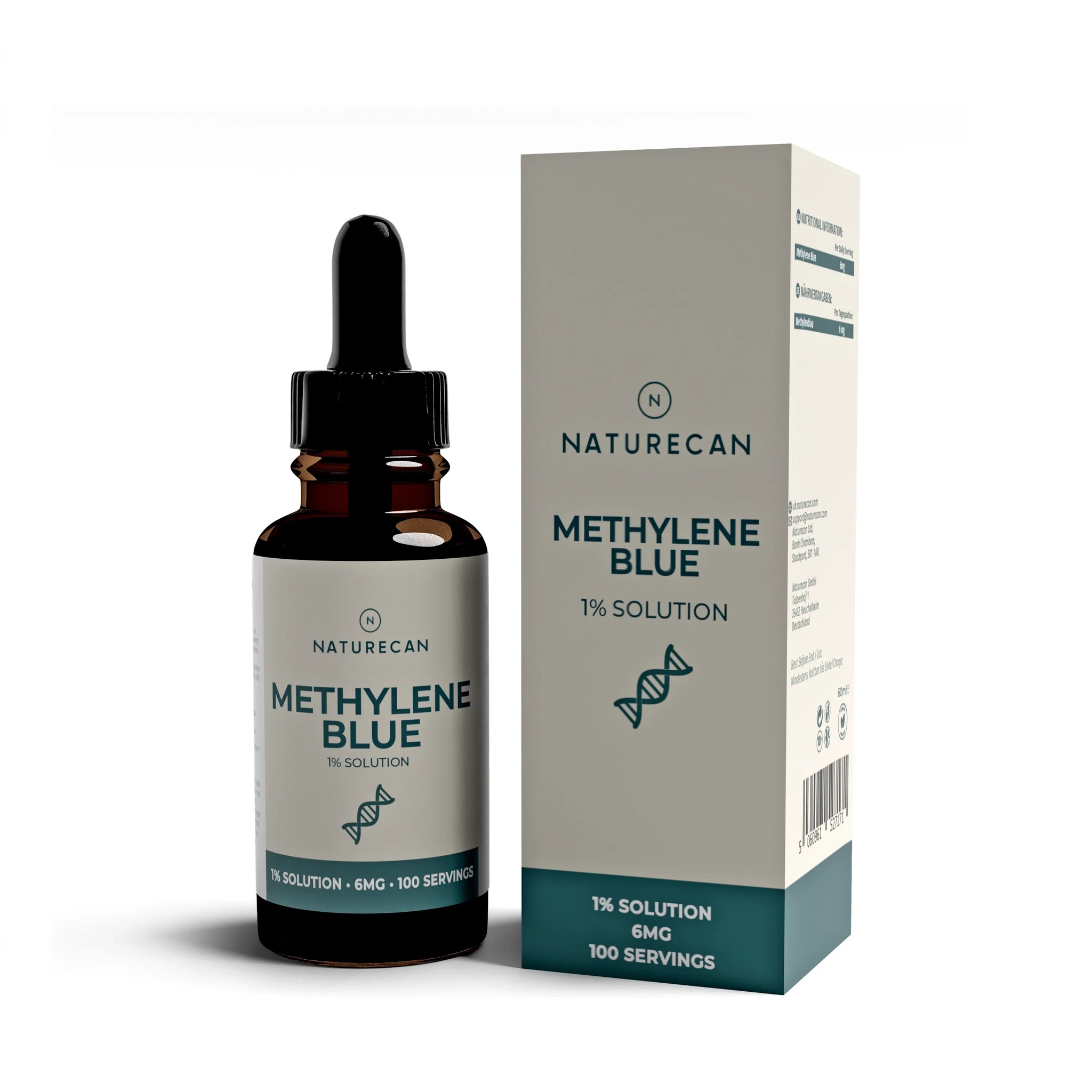
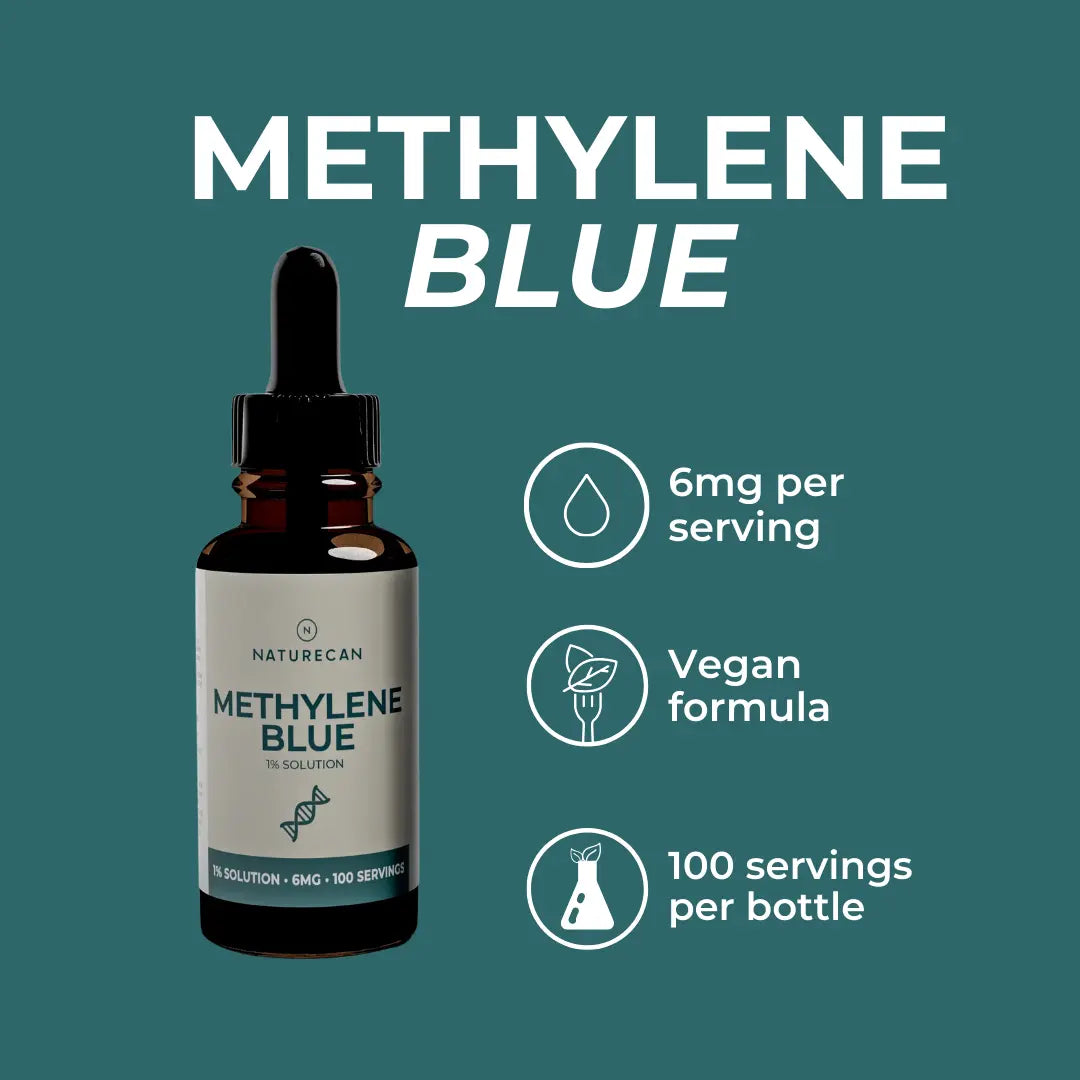
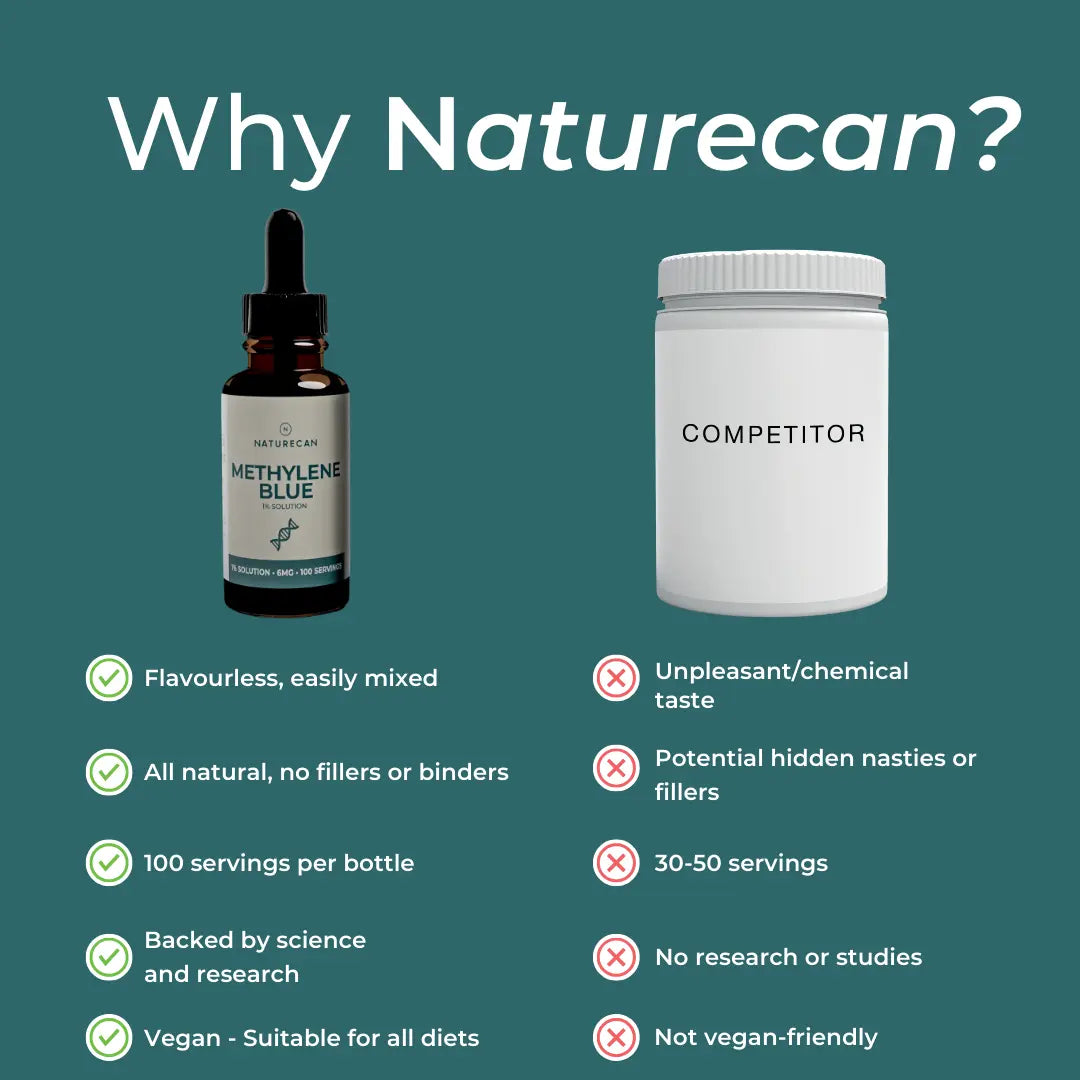
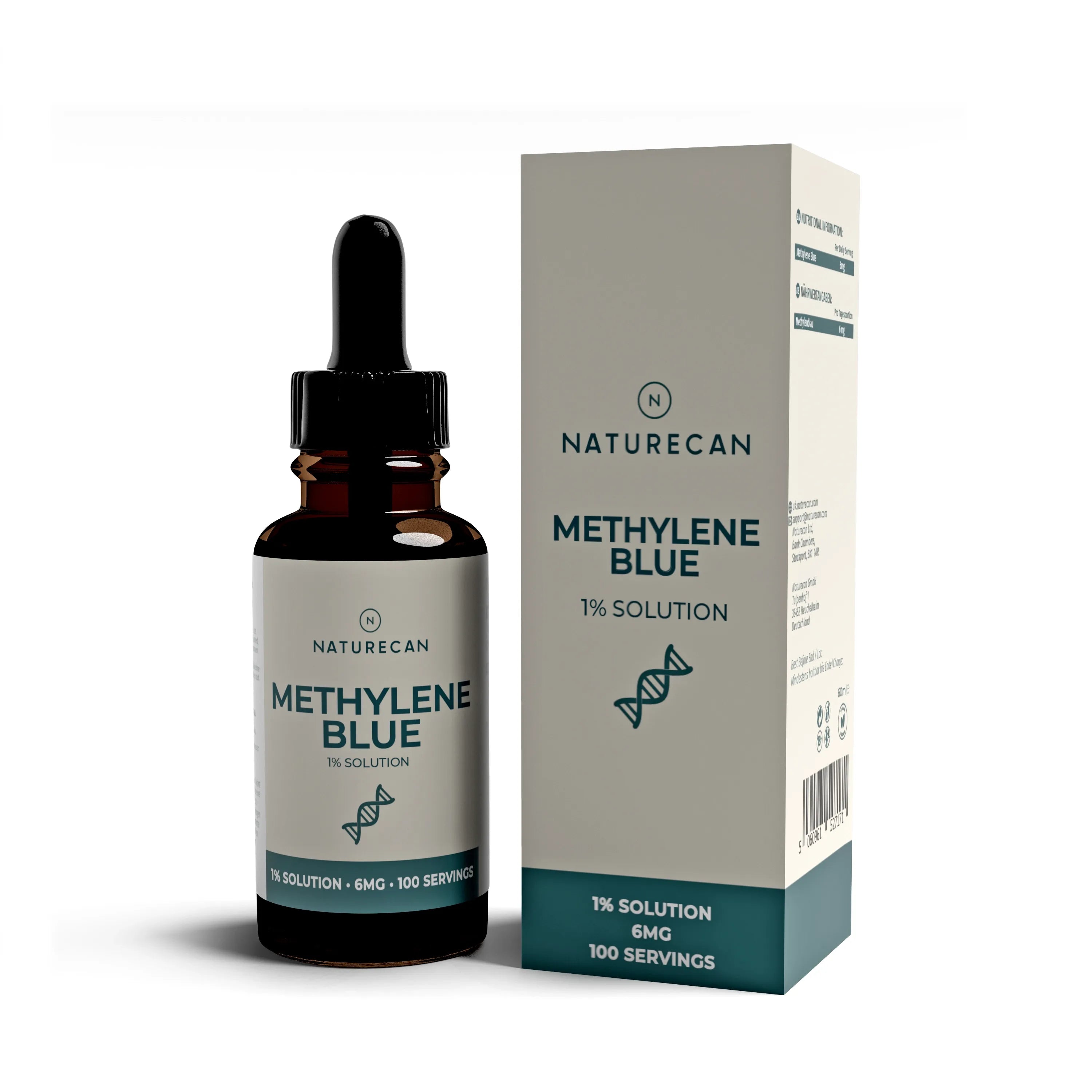
Naturecan Methylene Blue
Methylene Blue is a highly concentrated, ultra-pure supplement designed for those interested in longevity, cognitive performance and mitochondrial energy.
With a long history of medically approved use and growing scientific interest, Methylene Blue is now gaining attention within modern wellness routines.
Potential Benefits:
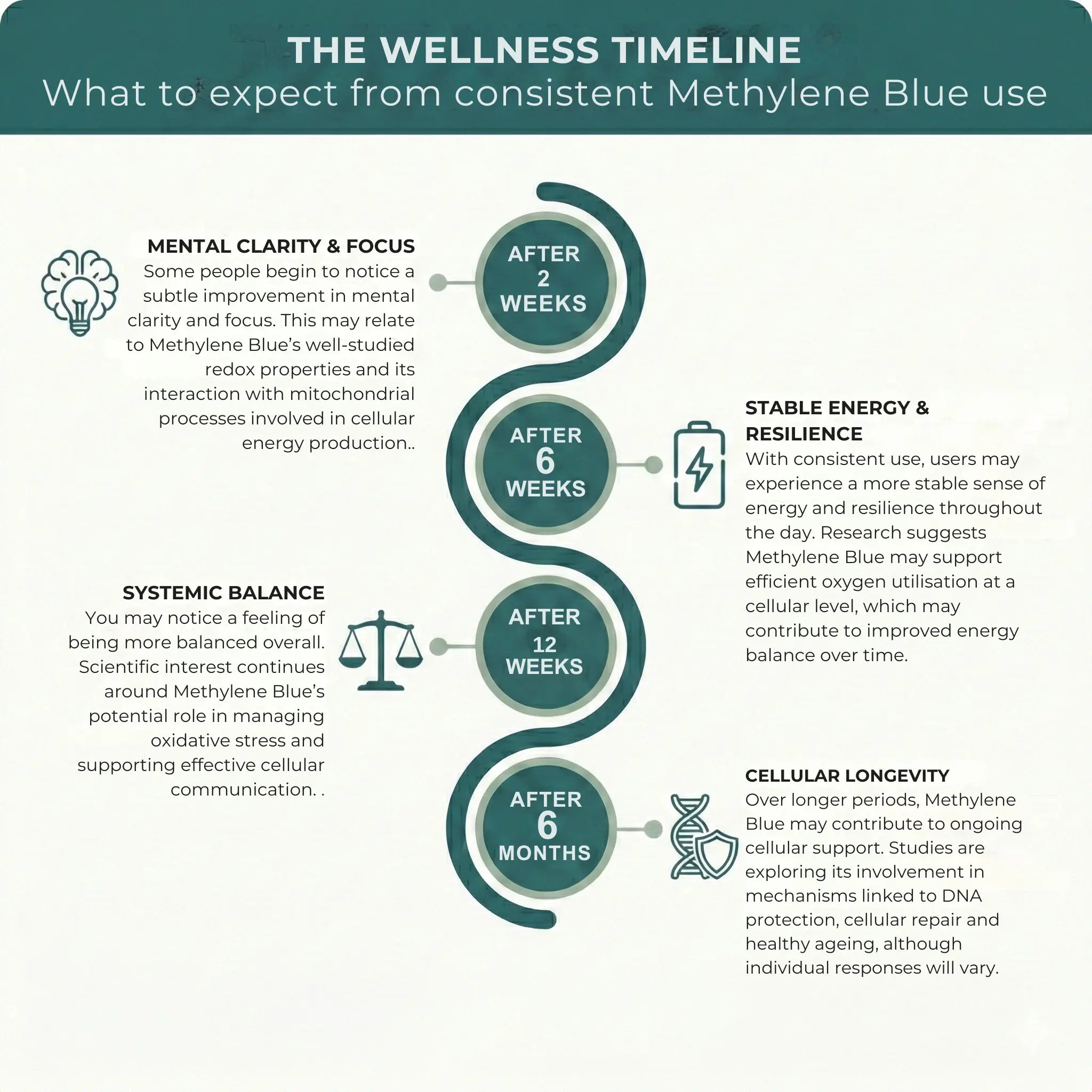
- May assist mitochondrial efficiency and cellular energy production
- May support cognitive performance, memory and mental clarity
- Potential neuroprotective properties supported by emerging research
- Potential role in healthy ageing and longevity-focused routines

How Does Methylene Blue Work?
Methylene blue works through several well-understood biological mechanisms.
Mitochondrial energy production
Methylene blue acts as a redox agent, which means that it helps transfer electrons within cells. In mitochondria, it can serve as an alternative electron carrier in the electron transport chain, supporting ATP production when normal pathways become less efficient [1].
Oxygen delivery
In medical settings, methylene blue is used to restore haemoglobin’s ability to carry oxygen in people with methemoglobinemia, improving oxygen delivery to tissues.
Neurological activity
Methylene blue can cross the blood–brain barrier and has mild monoamine oxidase (MAO) inhibiting activity. This contributes to its neurological effects but also explains why it can interact with certain medications.
Liquid absorption
Naturecan’s methylene blue is offered in liquid form, allowing for accurate dosing and easy mixing with water. This format supports consistent intake and flexibility compared to capsules.
The Longevity Guide: Everything You Need to Know About Longevity


This is our complete beginner's guide to Longevity. We explain what it is, what studies are available, where it comes from, what it is used for, and a few other facts you may not know.
What Are the Potential Methylene Blue Benefits?
Interest in methylene blue benefits centres on its ability to support cellular energy, redox balance and brain metabolism.
These effects are grounded in scientific research, though many wellness-related uses remain under continuous investigation.
Cognitive Function and Brain Energy
One of the most researched areas of interest is methylene blue’s effect on the brain.
The brain is one of the most energy-demanding organs in the body.
Neurons rely heavily on healthy mitochondria to maintain memory, focus and normal cognitive processing. Research shows that methylene blue can cross the blood–brain barrier and support mitochondrial respiration in brain cells.
In both animal models and early human studies, low doses of methylene blue increased cerebral oxygen consumption and glucose uptake in areas of the brain associated with memory formation.
This suggests improved metabolic efficiency rather than stimulation in the traditional sense [2].
There is strong evidence from studies that these effects may help explain why methylene blue has been investigated in conditions involving cognitive decline and neurodegenerative diseases, although it is important to stress that it is not an approved treatment for these conditions.

Boosting Cellular Energy Production
At a cellular level, methylene blue’s most distinctive action is its ability to act as an alternative electron carrier within mitochondria.
Normally, electrons move through the electron transport chain to produce ATP. With age, illness or oxidative stress, this process can become less efficient. Methylene blue may help “bypass” inefficient steps in this chain, potentially allowing cells to continue producing energy more effectively. [1]
This is why methylene blue is often discussed alongside other mitochondrial-supporting compounds such as CoQ10, NMN and NR. While each works differently, they share the common goal of supporting normal energy metabolism, something Naturecan focuses on across its longevity-oriented supplement range.
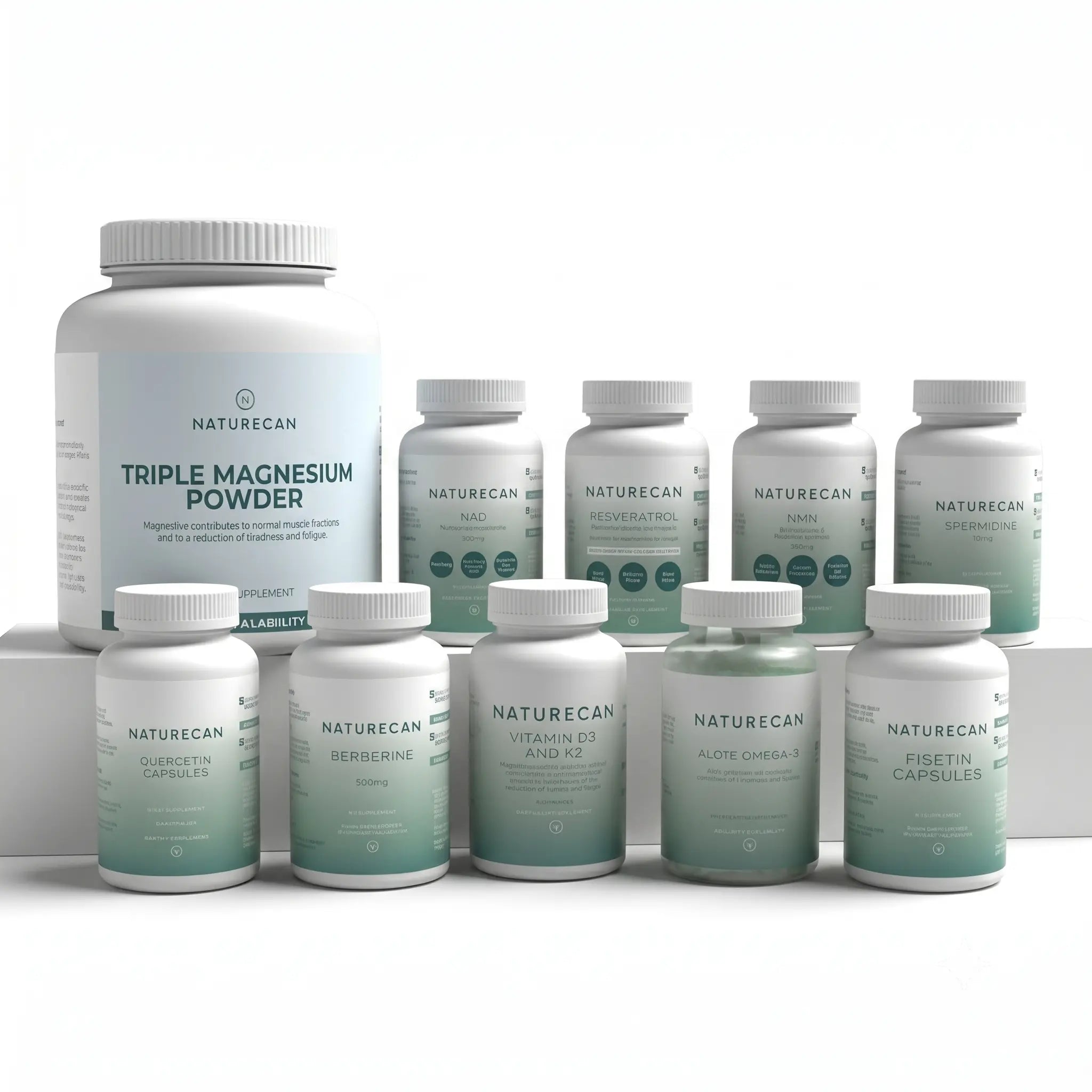
Complete Longevity Bundle By Naturecan
Optimise your health long-term. Our Complete Longevity Bundle brings together ten of the best supplements for consistent healthy ageing and well-being, all in one convenient, cost-effective bundle.
- Supports cellular health and energy production
- Helps maintain cognitive function and brain performance
- Contributes to immune system and heart health
- More affordable than buying supplements individually
- Available in various monthly supplies
- Includes 10 different supplements
Antioxidant and Redox-Balancing Effects
Unlike traditional antioxidants, methylene blue does not just neutralise free radicals after they are formed.
Instead, it helps reduce the production of reactive oxygen species at the mitochondrial level.
By improving electron flow, fewer electrons “leak” and form damaging free radicals. This upstream approach to oxidative stress is one reason methylene blue continues to attract interest in ageing and cellular resilience research. [1]
Oxidative stress plays a role in inflammation, cellular damage and many chronic diseases. While methylene blue is not a general anti-inflammatory supplement, its redox-modulating effects may indirectly influence inflammatory pathways.
Anti-Ageing and Cellular Longevity
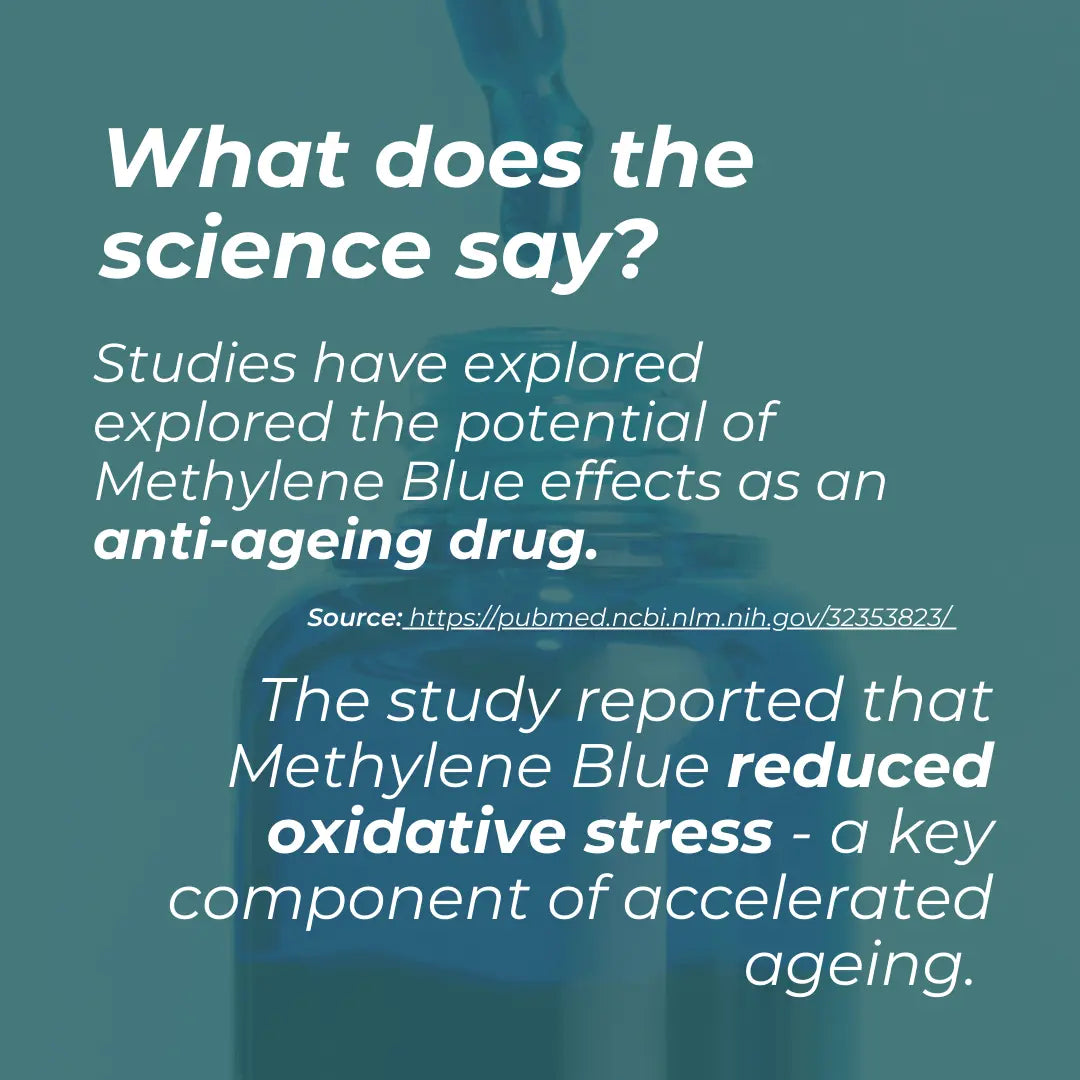
Interest in methylene blue as an anti-ageing compound comes largely from cellular and animal studies, rather than large-scale human trials.
A 2022 review noted methylene blue’s ability to delay cellular senescence in human fibroblasts by supporting mitochondrial health, reducing oxidative stress and maintaining ATP production. [2]
These findings suggest a role in healthy cellular ageing, rather than lifespan extension itself.
This distinction is important. Current evidence supports methylene blue’s potential to help cells function more efficiently as they age, not to “reverse ageing” or dramatically extend lifespan.
Pain Relief and Anti-Inflammatory Research
Methylene blue has been explored in certain medical contexts for pain relief, particularly where nitric oxide signalling is involved. Nitric oxide plays a role in inflammation, blood vessel dilation and pain perception.
By modulating nitric oxide pathways, methylene blue has shown potential benefits in specific clinical pain applications, such as post-surgical pain and certain neuropathic conditions.
However, this area of research is still limited, and these uses remain medical, not general wellness, applications.

What Does The Science Say about Methylene Blue?
Scientific interest in methylene blue spans more than a century, but modern research has focused on its mitochondrial, neurological and cellular effects.
Below is a deeper look at some of the most influential studies.
Why This Matters for Everyday Health
The growing interest in methylene blue reflects a wider shift towards supporting mitochondrial health and cellular efficiency as foundations of long-term wellbeing.
While methylene blue is not essential for life and not naturally produced by the body, its well-documented mechanisms help explain why it is being explored alongside nutrients such as Vitamin B12, Vitamin C, NMN, NR and CoQ10, all of which Naturecan offers as part of a science-led approach to supplementation.
As always, methylene blue should be used with caution, respect for dosage, and professional guidance.
Medically Approved Uses of Methylene Blue
Methylene blue has several established medical applications, including:
- Methemoglobinemia – restores haemoglobin’s oxygen-carrying capacity
- Vasoplegic shock – helps raise blood pressure when other treatments fail
- Antidote use – cyanide poisoning and drug-induced encephalopathy
- Surgical dye – visualisation of tissues, nerves and lymph nodes
- Antimicrobial applications – malaria and certain fungal infections, particularly with light therapy
Is Methylene Blue Safe?
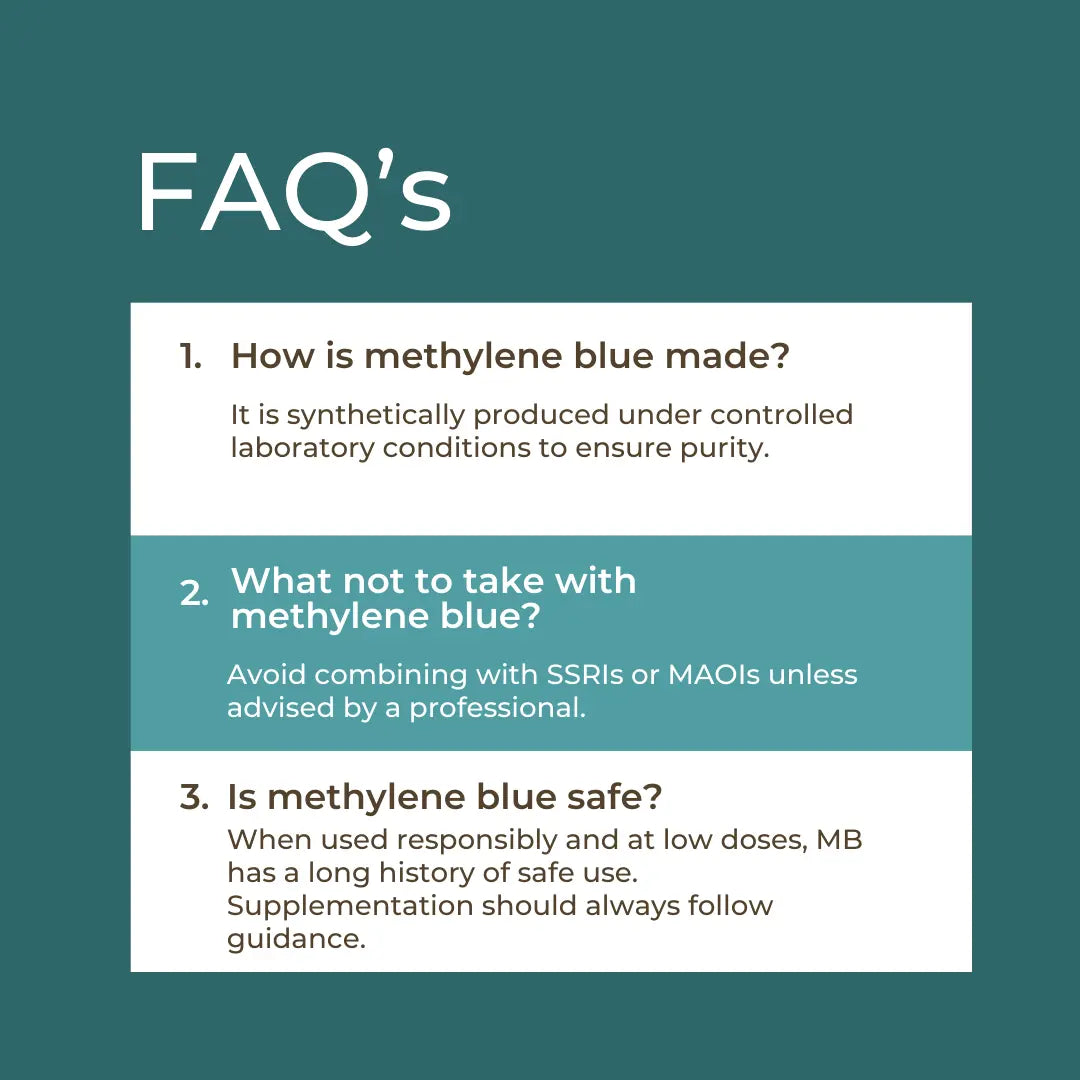
Methylene blue is considered safe for its approved medical uses when administered appropriately. For supplement use, safety depends on dose, purity and individual health status.
It should not be used by:
- Pregnant or breastfeeding women
- People with G6PD deficiency
- Individuals taking SSRIs or other serotonergic medications
Always consult your GP before use to be sure.
Methylene Blue Side Effects
Possible side effects include:
- Headache
- Nausea
- Digestive discomfort
- Blue-green urine discolouration
Serious side effects are rare but possible when combined with certain prescription medications.

Are There Alternatives to Methylene Blue?
There are no direct alternatives that replicate methylene blue’s behaviour. However, nutrients that support mitochondrial health may complement similar pathways, including:
Recommended Serving
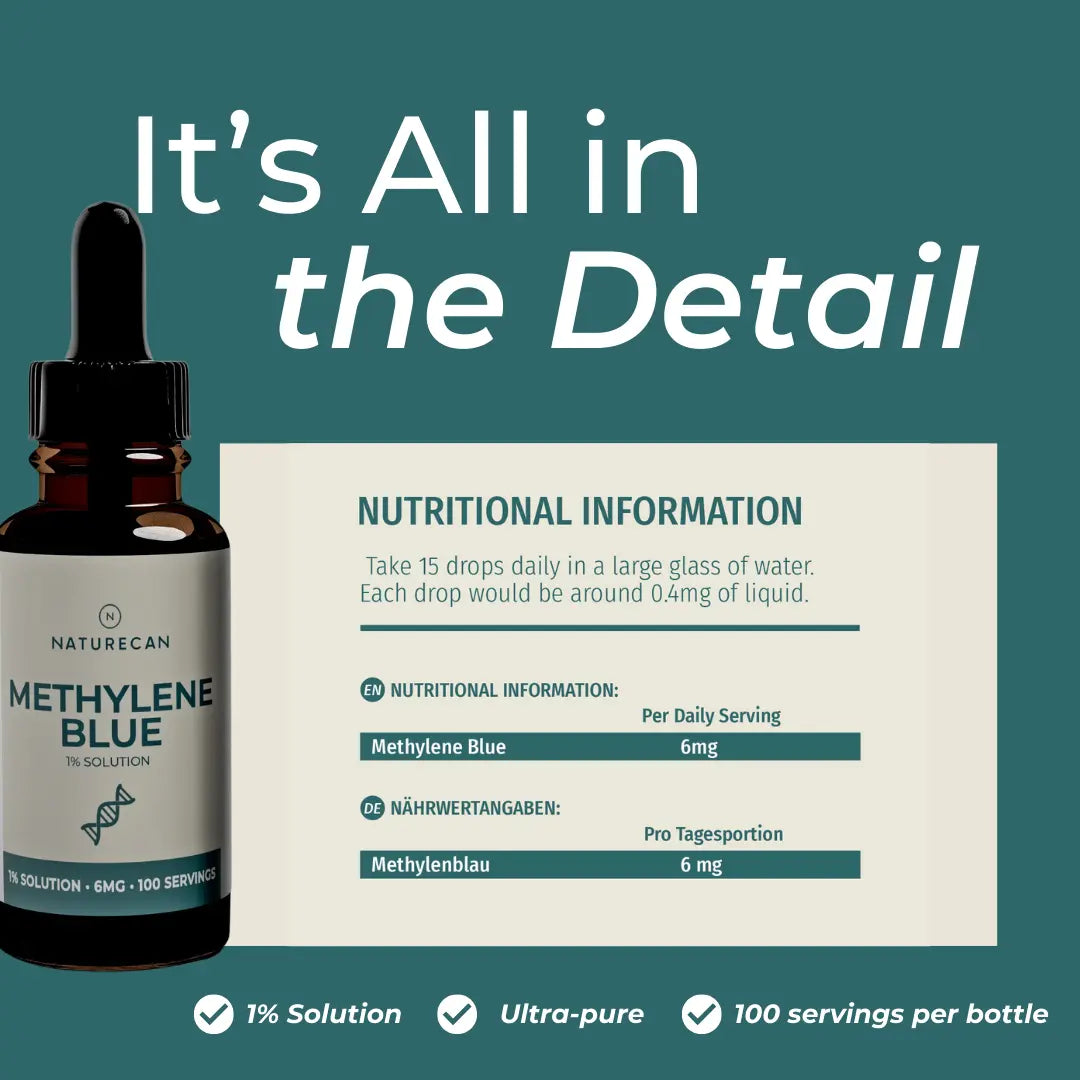
Naturecan advises 15 drops daily in a glass of water.
It is important that you do not exceed the stated recommended daily use.
This product should not be used as a substitute for a varied, balanced diet.
Not suitable for pregnant or lactating women.
If you have a pre-existing medical condition or take prescribed medication, consult a medical professional before use.
Store in a cool, dry place out of direct sunlight.
Keep out of reach of young children.

Conclusion
Methylene blue is a well-studied compound with a long medical history and growing interest in cellular and mitochondrial health.
While research suggests potential benefits for energy metabolism, cognitive function and healthy ageing, it should always be used with care and scientific awareness.
Supporting long-term wellbeing is about consistency and informed choices. Alongside lifestyle foundations, science-backed supplements from trusted brands such as Naturecan can help support daily health in a convenient and responsible way.
FAQs
Methylene blue benefits for men
Benefits relate primarily to cellular energy and cognitive support and are not sex-specific.
Methylene blue benefits for women
Effects are similar in women, though use during pregnancy or breastfeeding is not recommended.
What does methylene blue stain in a cell?
It commonly stains nuclei and mitochondria, aiding cellular visualisation.
How is methylene blue made?
It is synthesised from aniline derivatives through controlled chemical oxidation.
How long does it take methylene blue to work?
Medical effects can be rapid; supplement responses vary by individual.

Reviewed by Paul Holmes
Director of Science and Innovation at Naturecan
Testing for large pharmaceutical & tobacco companies, Paul has built a wealth of scientific and regulatory knowledge, working on regulatory submissions to bodies such as the FDA and the MHRA.
He holds a BSc in Medicinal and Biological Chemistry and sits on the UKAS CBD Food Product Approval Expert Group.
Discover our Naturecan Blog

Low FODMAP Diet: How It Affects Gut Bacteria, Prebiotics & Probiotics
Discover how the low FODMAP diet affects gut bacteria and IBS symptoms. Explore the role of prebiotics and probiotics, simple food swaps, and practical tips for supporting gut health while maintaining a balanced diet.
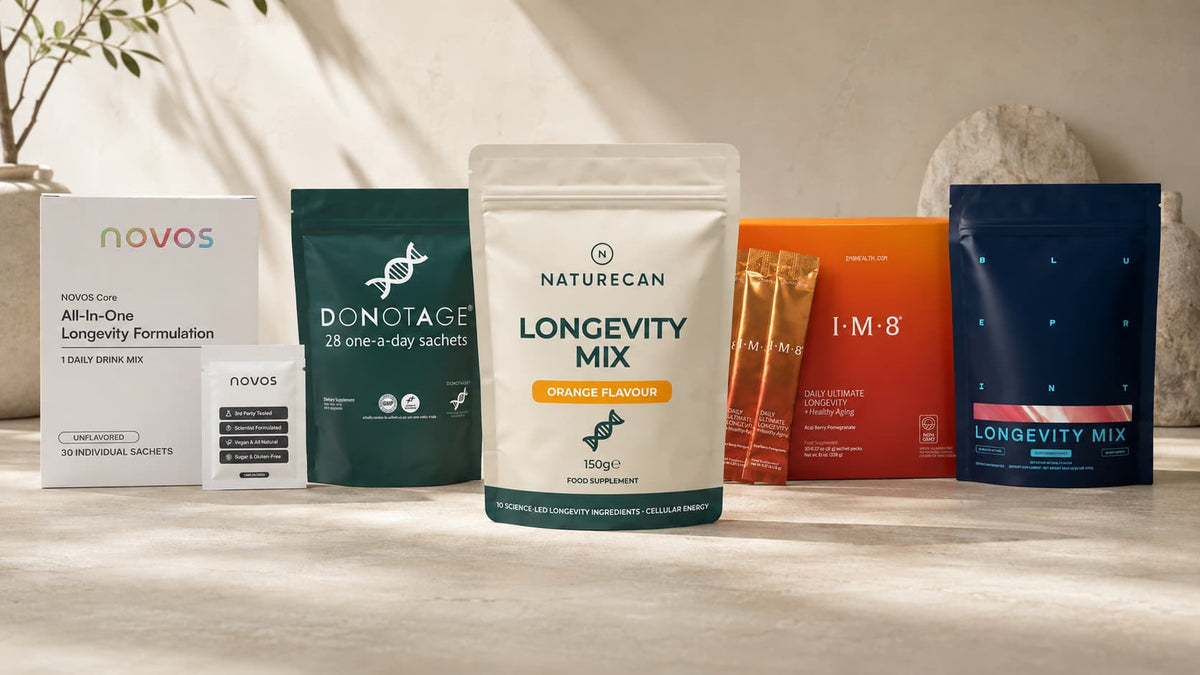
Longevity Mix Compared: What's Actually in IM8, NOVOS, DoNotAge, Blueprint & Naturecan
We compare the Longevity Mix formulas from Naturecan, IM8, NOVOS, DoNotAge and Blueprint side by side on disclosed ingredients, finished-product evidence, price and UK/EU safety rules, not marketing language.
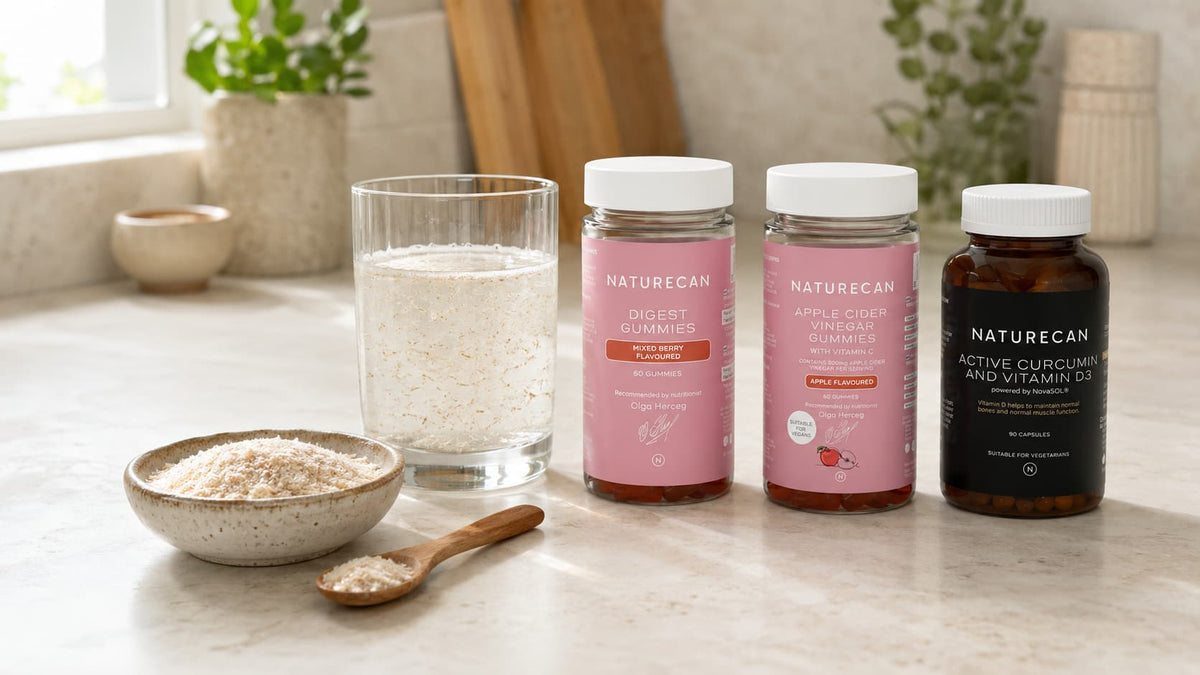
Psyllium Husk: What It Is, Benefits, How to Use & Is It Safe?
What psyllium husk is, the evidence behind its benefits for digestion, cholesterol and blood sugar, and how to use it safely as a powder, whole husk or in capsules.
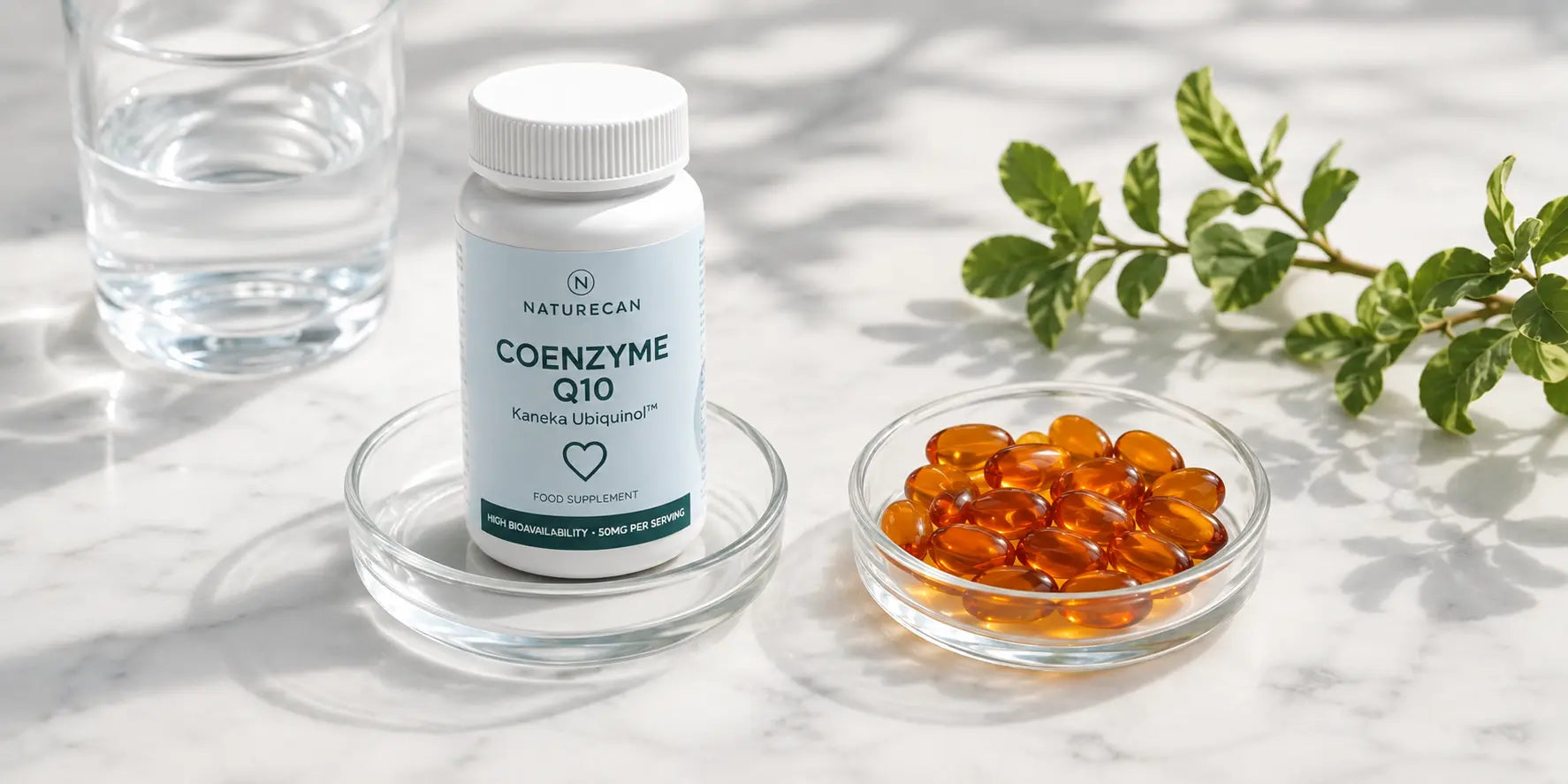
Ubiquinol vs CoQ10: What's the Difference and Which Should You Take?
Ubiquinol and CoQ10 are related but not identical - here's what the evidence says about absorption, benefits and how to choose the right form for your age and health.
What Is Inositol? Benefits, Uses & How to Take Myo-Inositol
Discover the evidence-backed benefits of inositol and myo-inositol for hormonal balance, PCOS and mood support, plus how to dose it safely and effectively.
Is Matcha Good for You? Benefits, and How to Use Matcha Protein
Is matcha good for you? Here's what the evidence says about matcha benefits, plus how to use matcha protein powder to get more from your daily routine.


