
Calcium: A Complete Guide – All The Facts You Need to Know

Published:
Medically Reviewed by Dr Lilla Csonka: Jan 19, 2026
Medically Reviewed by Dr Lilla Csonka: Jan 19, 2026
Written by Jordan Caulfield
Calcium is widely recognised as an essential nutrient, yet many people still consume less than the recommended daily amount without realising.
Since the body can’t produce calcium on its own, intake must come entirely from diet or supplementation. Considering its importance, not only for bones but also for many essential bodily functions, maintaining healthy levels is an important part of everyday wellbeing.
Most people associate calcium with strong bones and teeth, which is true, but the role of this crucial mineral reaches much further. It enables muscles to contract, supports nerve communication, assists blood clotting, and contributes to normal energy production in cells.
With several forms of calcium available, understanding how each one works can help individuals choose the most suitable option based on their lifestyle.
This guide explores what calcium does, the different types of calcium, the research surrounding it, signs of deficiency, food sources, and how it supports long-term health.
What Is Calcium?
Calcium is the most abundant mineral in the human body, with around 99% stored in bones and teeth[1] . The remaining 1% circulates throughout the body to support essential functions such as:
- Muscle contraction
- Nerve signalling
- Blood clotting
- Cellular processes involved in energy
Because calcium is lost daily through sweat, urine, and normal metabolism, consistent intake is really important. Different types of calcium vary in how efficiently they are absorbed. Calcium citrate malate, for example, is commonly chosen for its reliable absorption and may be more gentle on the digestive system.
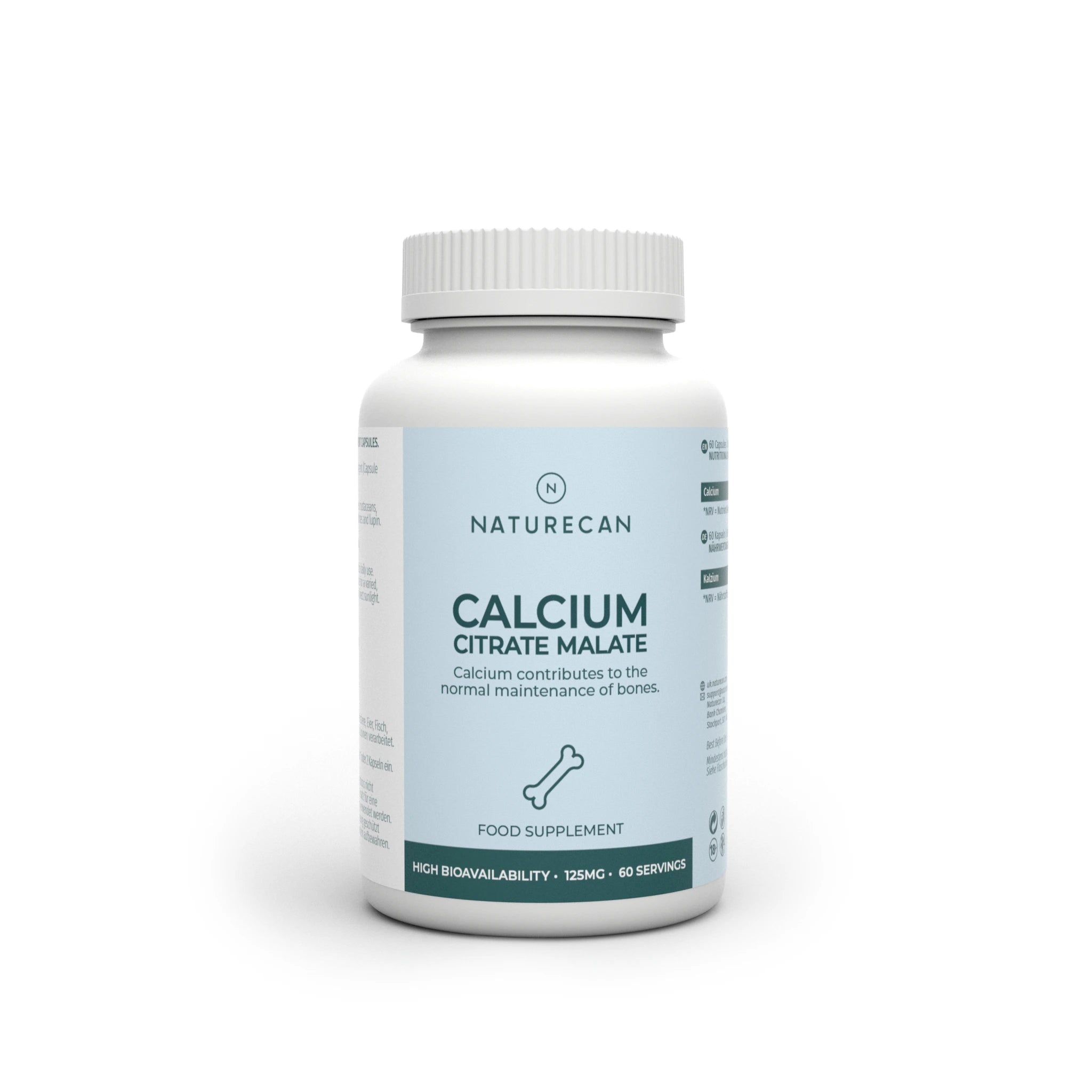
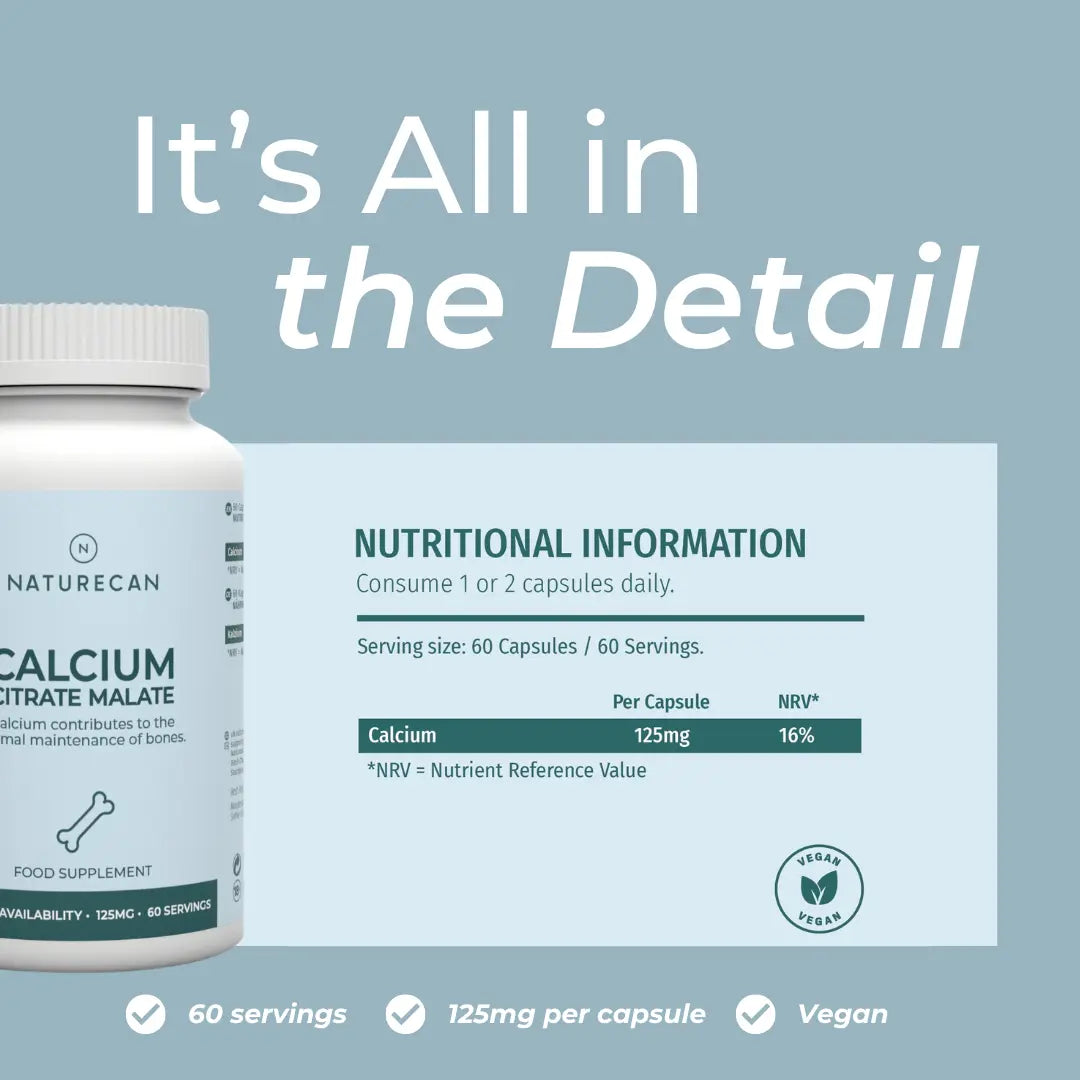
Featured Supplement: Calcium Citrate Malate
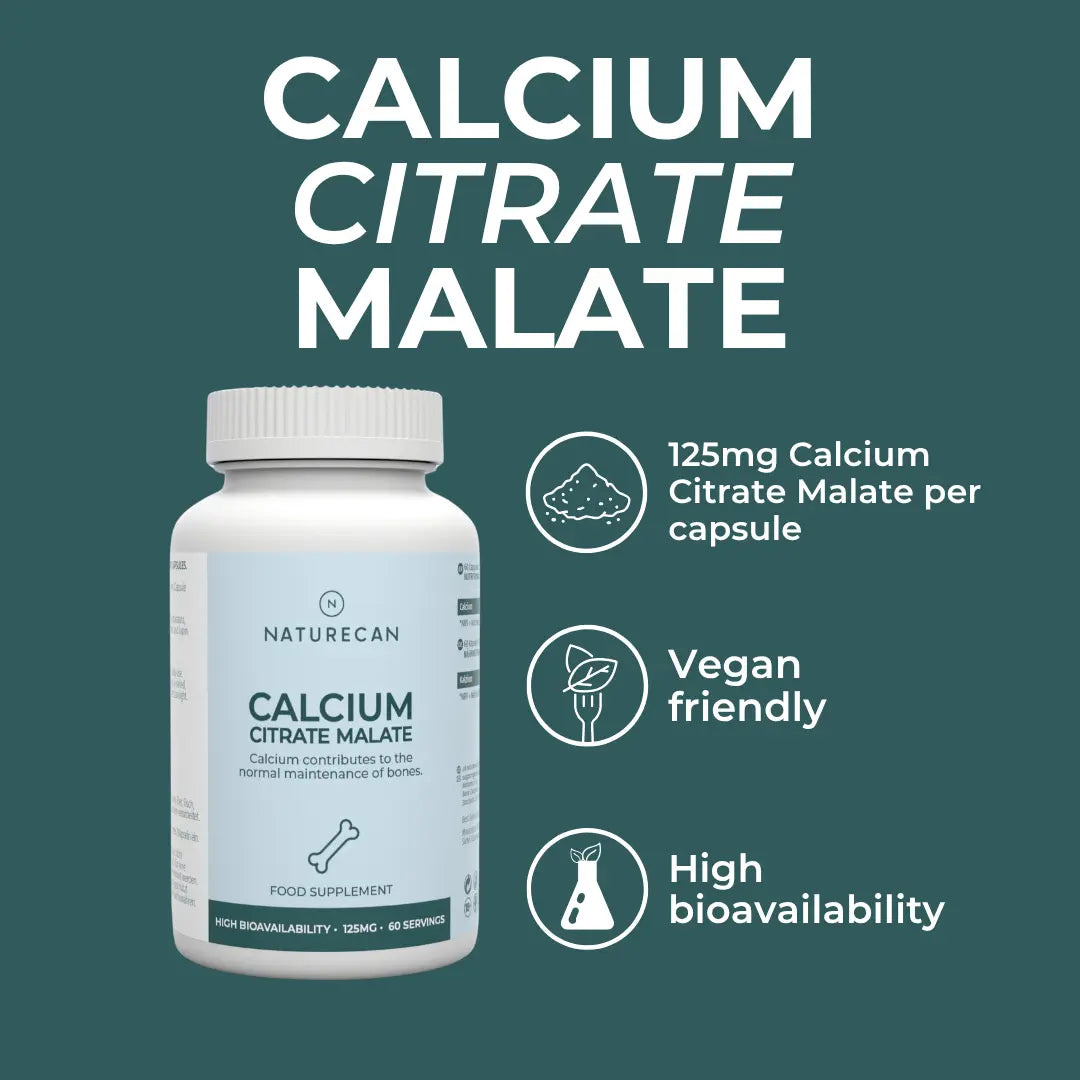
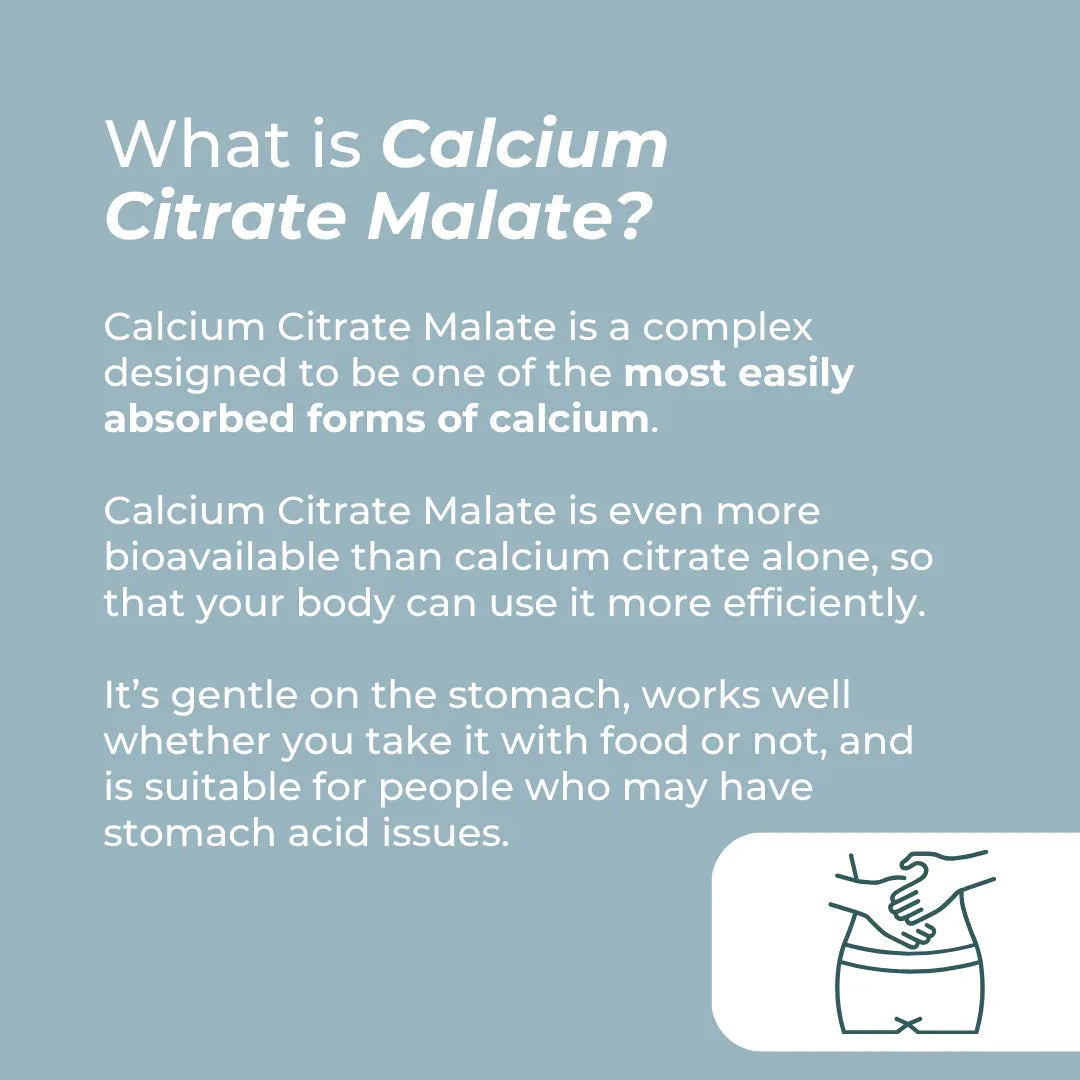
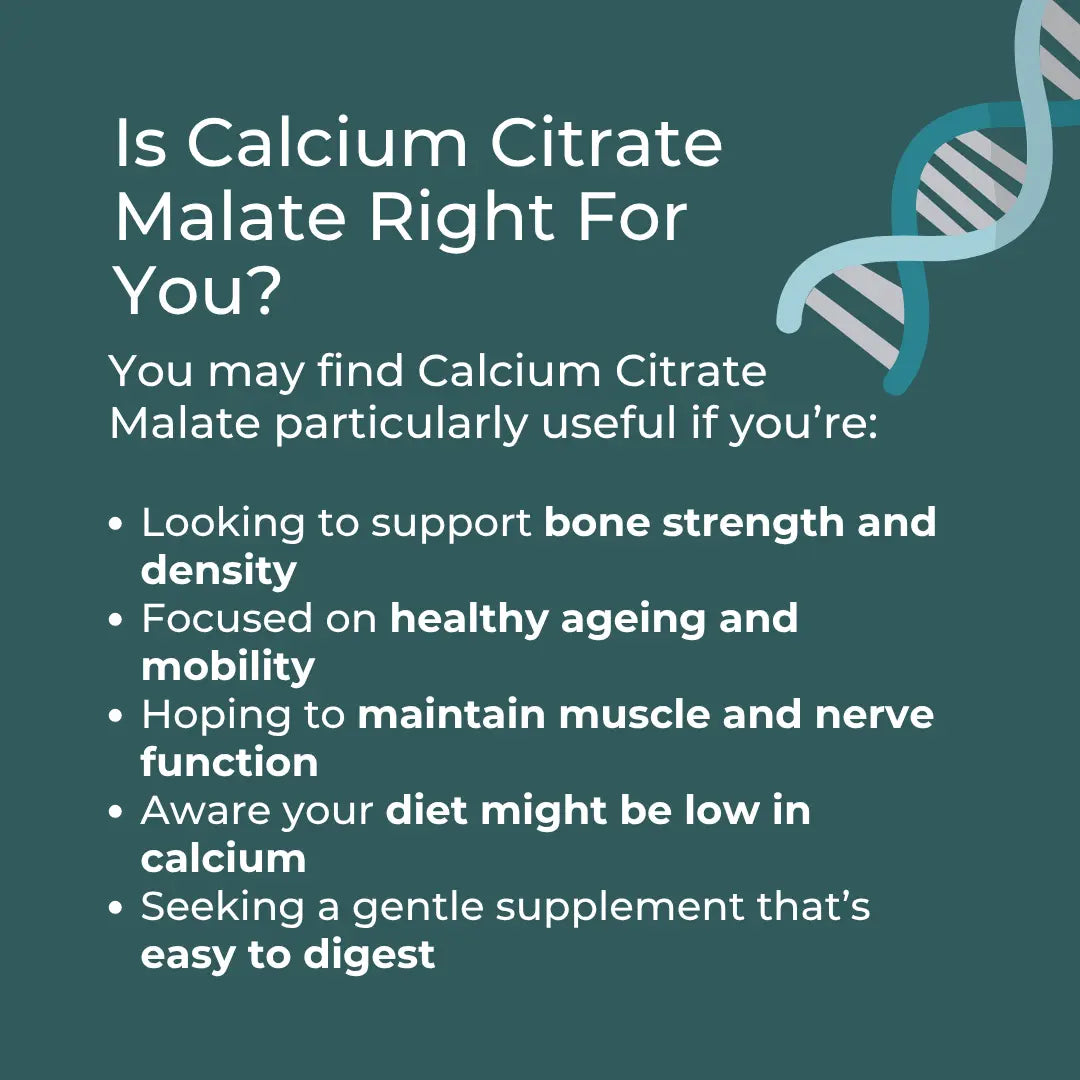
Your bones, muscles, and nerves all rely on calcium, it’s a nutrient that your body quietly depends on every single day. Calcium Citrate Malate is a form of calcium that’s especially easy for your body to absorb, even if you take it on an empty stomach. It’s also a good option for anyone who struggles with digestion or stomach acid issues.
- Calcium is needed for the maintenance of normal teeth
- Helps maintain cognitive function and brain performance
- Contributes to normal muscle function
- May support longevity and mobility
- Gentle on the stomach, even when taken without food
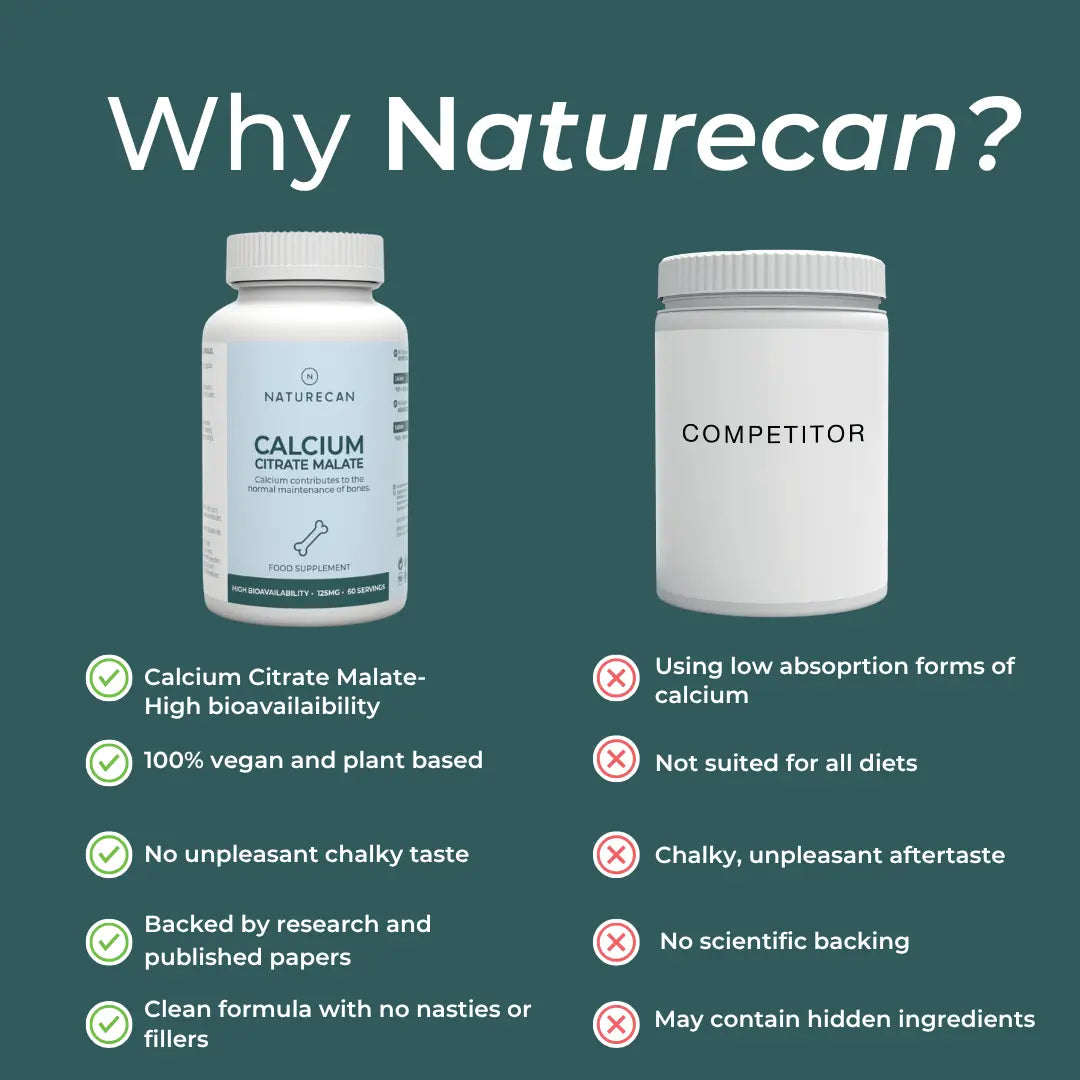
- 100% vegan and plant-based – suitable for all diets


Types of Calcium Supplements
Calcium supplements differ in chemical composition, percentage of elemental calcium, and their bioavailability. Choosing the right form depends on individual needs, diet, and digestive comfort.
| Type of Calcium | % Elemental Calcium | Key Points | Best Suited For |
|---|---|---|---|
| Calcium Carbonate | ~40% | Cost-effective, widely available | Taken with meals for better absorption |
| Calcium Citrate | ~21% | Gentle on digestion, well absorbed | Individuals with sensitive stomachs |
| Calcium Malate | Variable | Often combined with citrate | Those seeking higher absorption |
| Calcium Citrate Malate | 21% | High absorption, blend of citrate and malate for joint effects | Those with sensitive stomachs and seeking higher absorption |
| Calcium Lactate | ~13% | Moderate absorption | General use |
| Calcium Gluconate | ~9% | Lower calcium content | Specific health applications |
| Calcium Phosphate | ~39% | Similar to natural bone composition | Balanced, everyday use |
| Calcium Ascorbate | Varies | Includes Vitamin C | Anyone seeking dual-nutrient support |
| Plant-Based Calcium | Varies | Algae or plant-derived | Vegan and vegetarian lifestyles |
What Does Elemental Calcium Mean?
Elemental calcium is the amount of actual calcium in a supplement that the body can use. Different types of calcium contain different amounts, which is why two supplements can look similar but work slightly differently once taken.
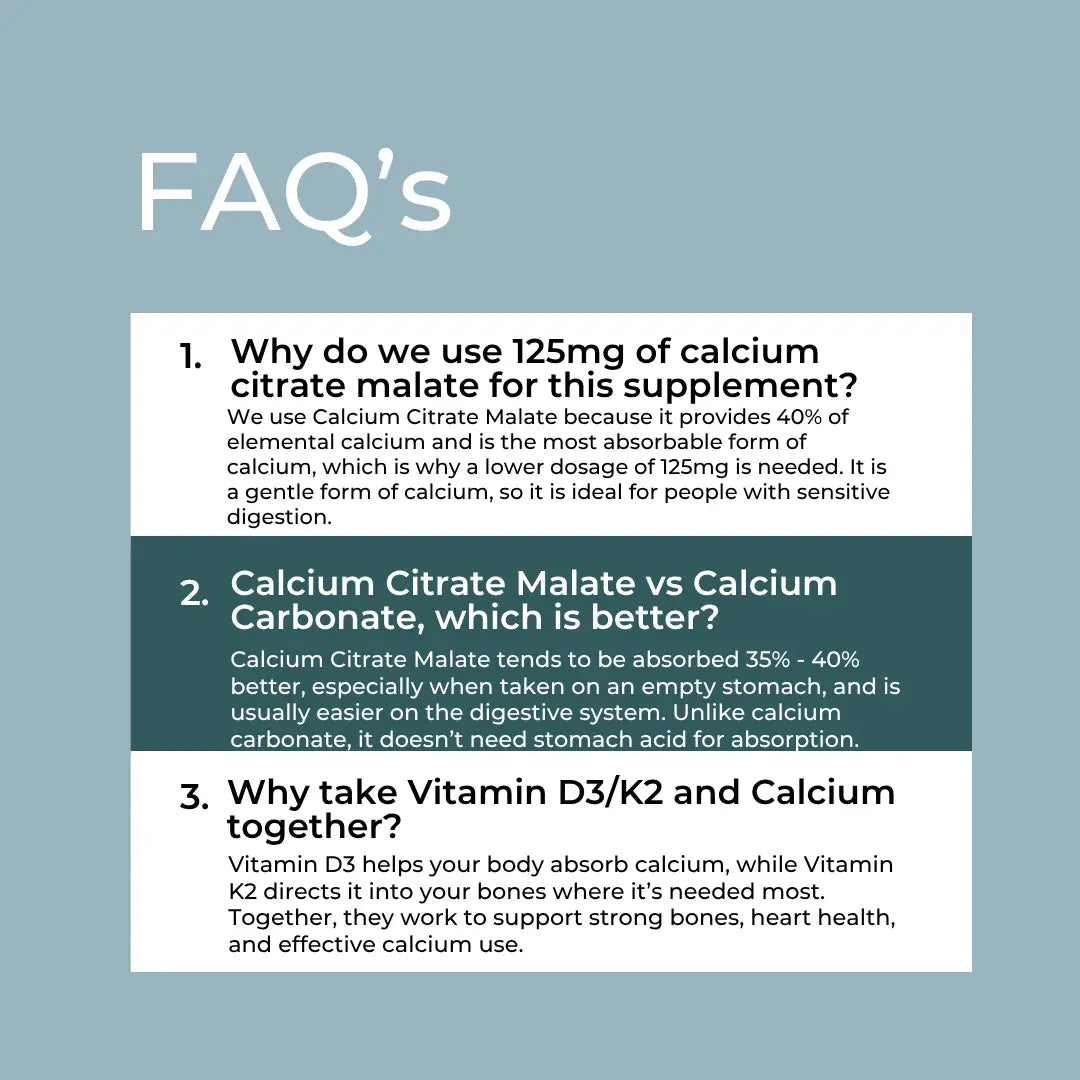
At first glance, a higher level of elemental calcium might seem better. For example, calcium carbonate contains around 40% elemental calcium, which is higher than most other Calciums. This means fewer tablets may be needed to reach a daily target, which is why calcium carbonate is so commonly used.
However, more elemental calcium does not always mean better results. The body still needs to absorb the calcium, and this can vary depending on the form. Calcium carbonate relies on stomach acid for absorption, so it is best taken with food.
Some people find it less comfortable to digest, particularly if stomach acid levels are lower.
Other forms, such as calcium citrate or calcium citrate malate, contain less elemental calcium, but are absorbed more easily and are gentler on the stomach.
These forms can usually be taken with or without food, which can make them easier to use consistently and incorporate into a daily routine.
In simple terms, a supplement with slightly lower elemental calcium but better absorption may be just as effective, or even more suitable, than a higher-dose option that is harder to tolerate.
What the Research Shows
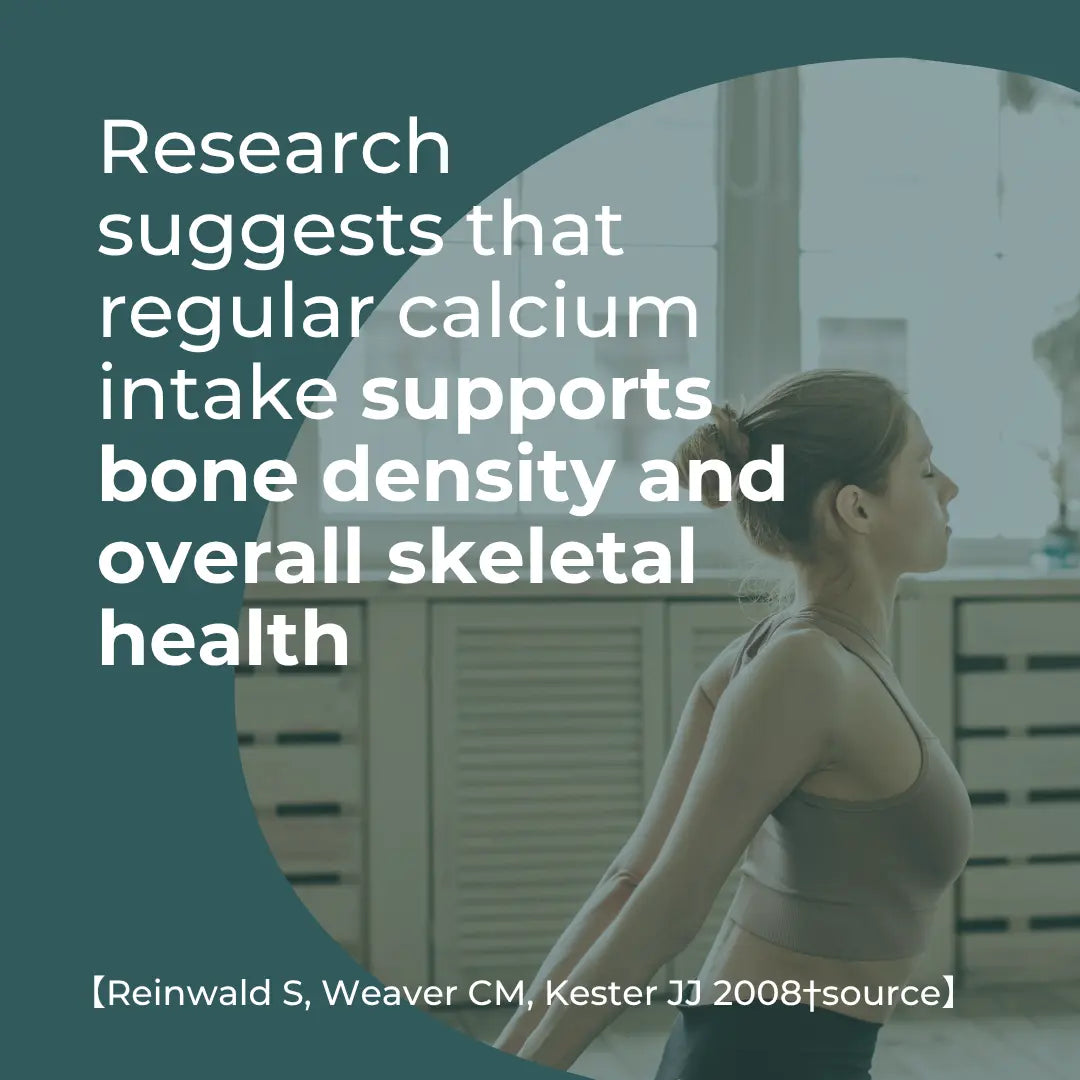
Calcium has been studied extensively, and although research continues to evolve, certain findings remain consistent across various reputable studies.
The Longevity Guide: Everything You Need to Know About Longevity


This is our complete beginner's guide to Longevity. We explain what it is, what studies are available, where it comes from, what it is used for, and a few other facts you may not know.
Calcium-Rich Foods
Since the body cannot produce calcium itself, eating a variety of calcium-rich foods is essential.
General Sources
| Food | Serving | Approx. Calcium |
|---|---|---|
| Semi-skimmed milk | 200 ml | ~240 mg |
| Yoghurt | 150 g | ~225 mg |
| Cheddar cheese | 30 g | ~220 mg |
| Tofu (calcium-set) | 100 g | ~350 mg |
| Sardines (with bones) | 100 g | ~380 mg |
| Cooked kale | 100 g | ~150 mg |
| Almonds | 30 g | ~75 mg |
| Fortified oat milk | 200 ml | ~240 mg |
| Fortified soya milk | 200 ml | ~240 mg |
Vegan Sources
- Fortified plant milks
- Calcium-set tofu
- Leafy green vegetables
- Almonds, tahini, chia seeds
- Chickpeas and white beans
- Dried figs
- Dry-roasted sesame seeds and poppy seeds
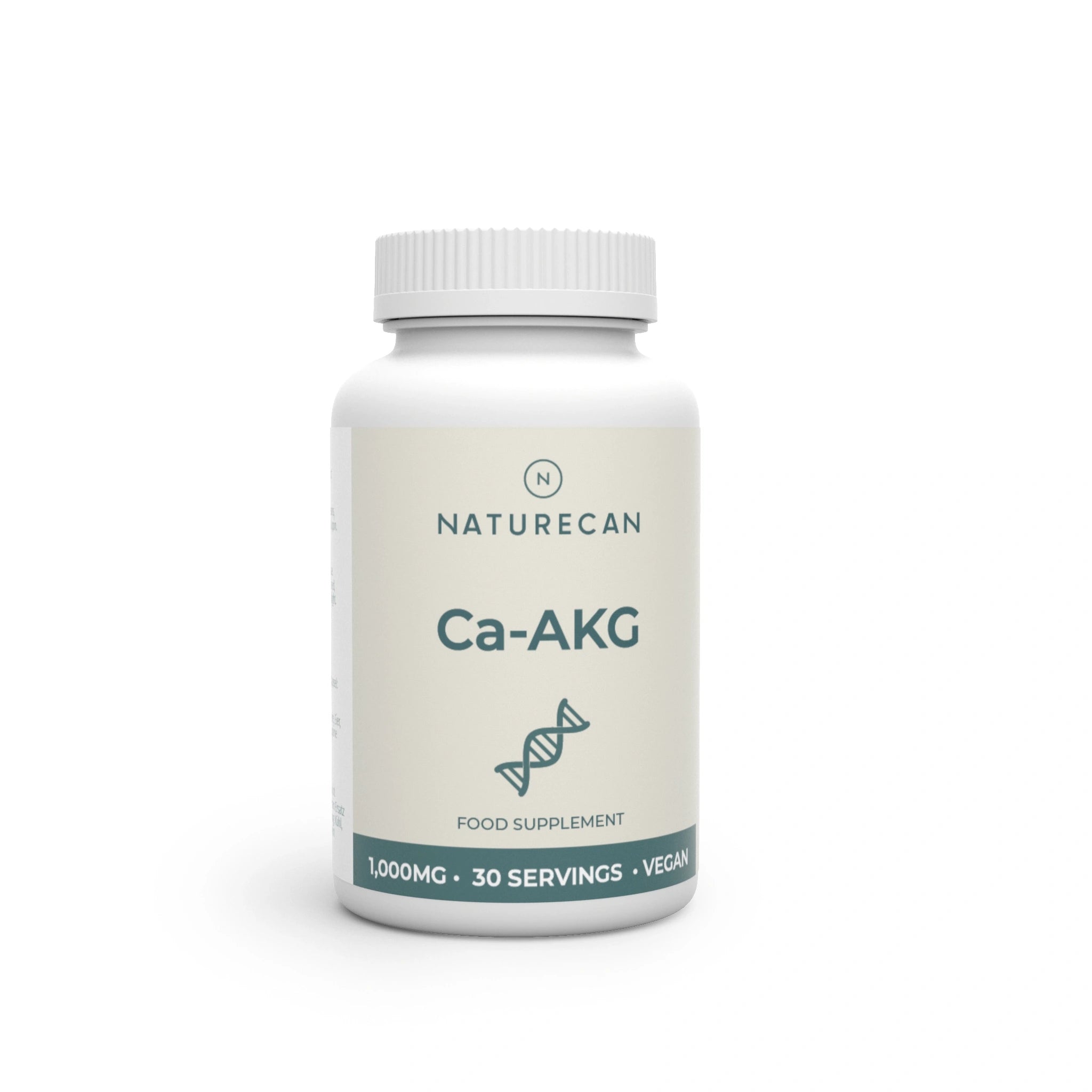
Featured Supplement: Calcium Citrate Alpha Ketoglutarate
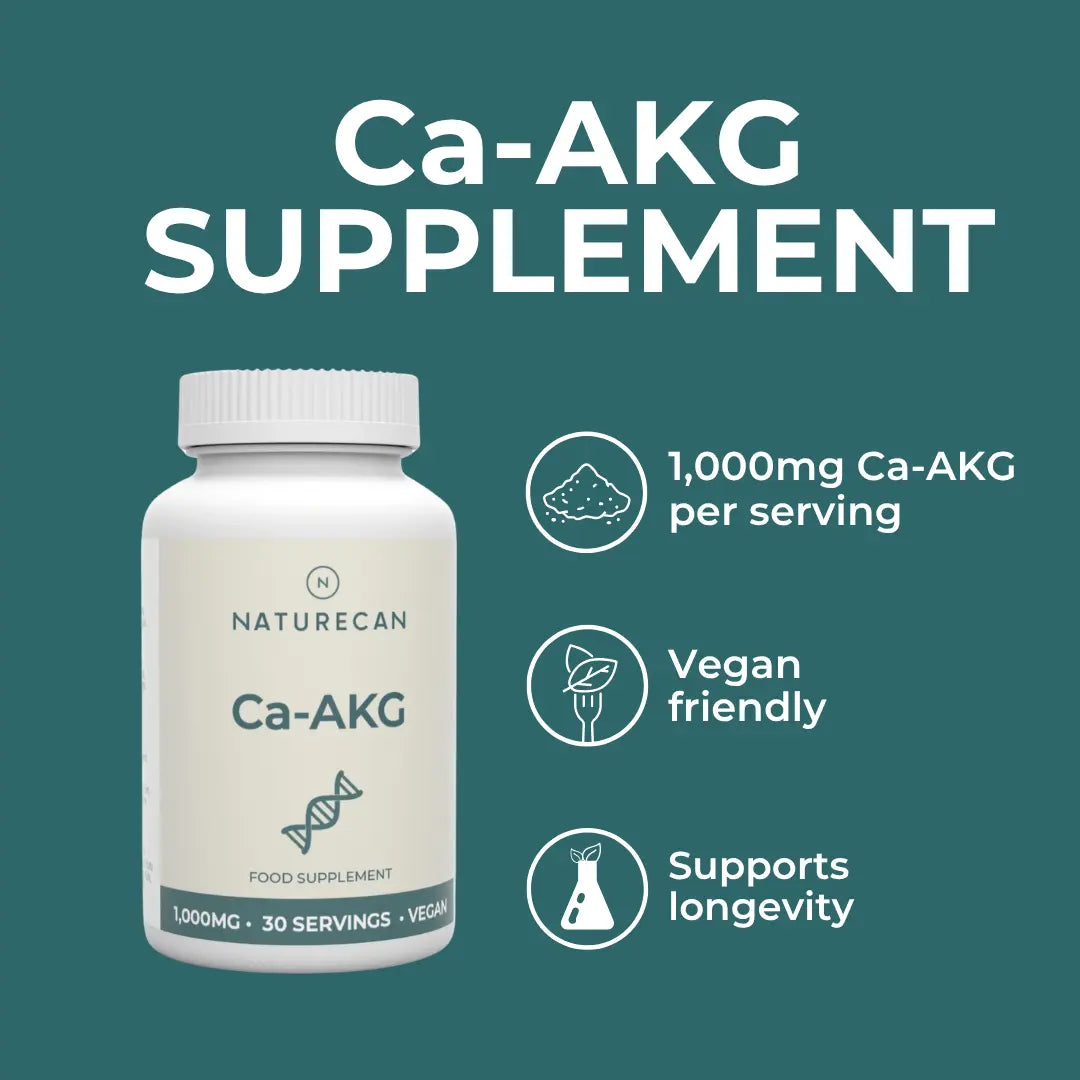
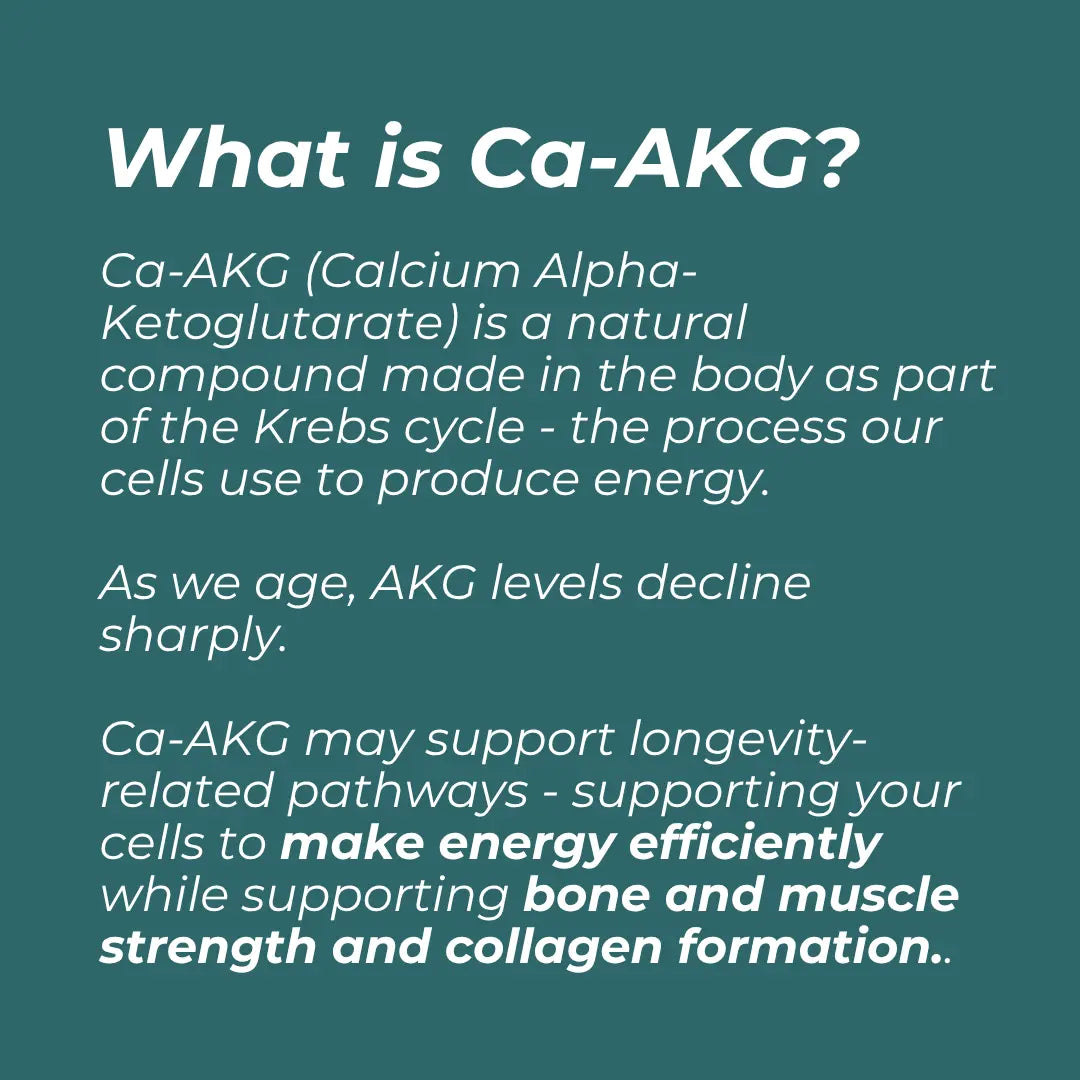
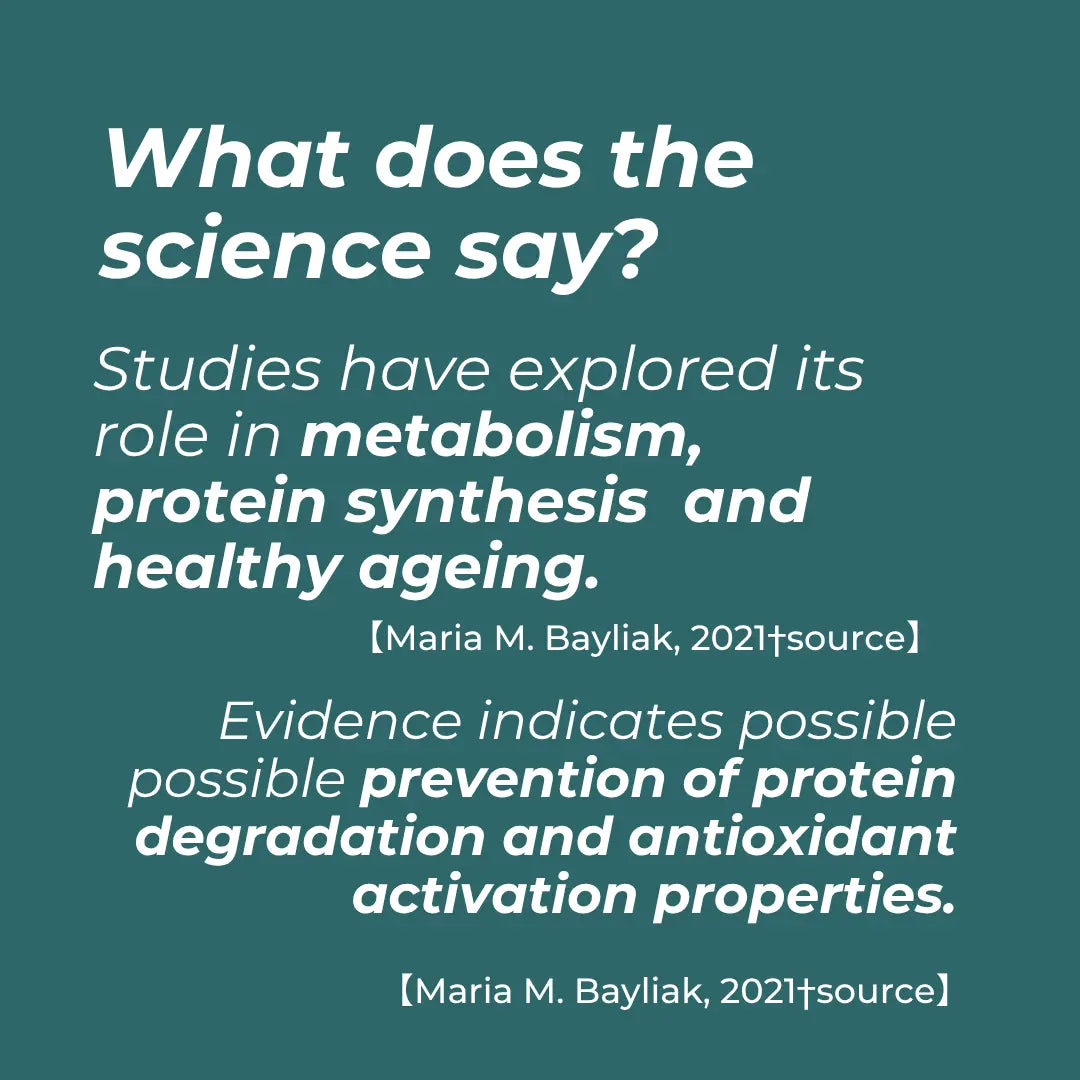
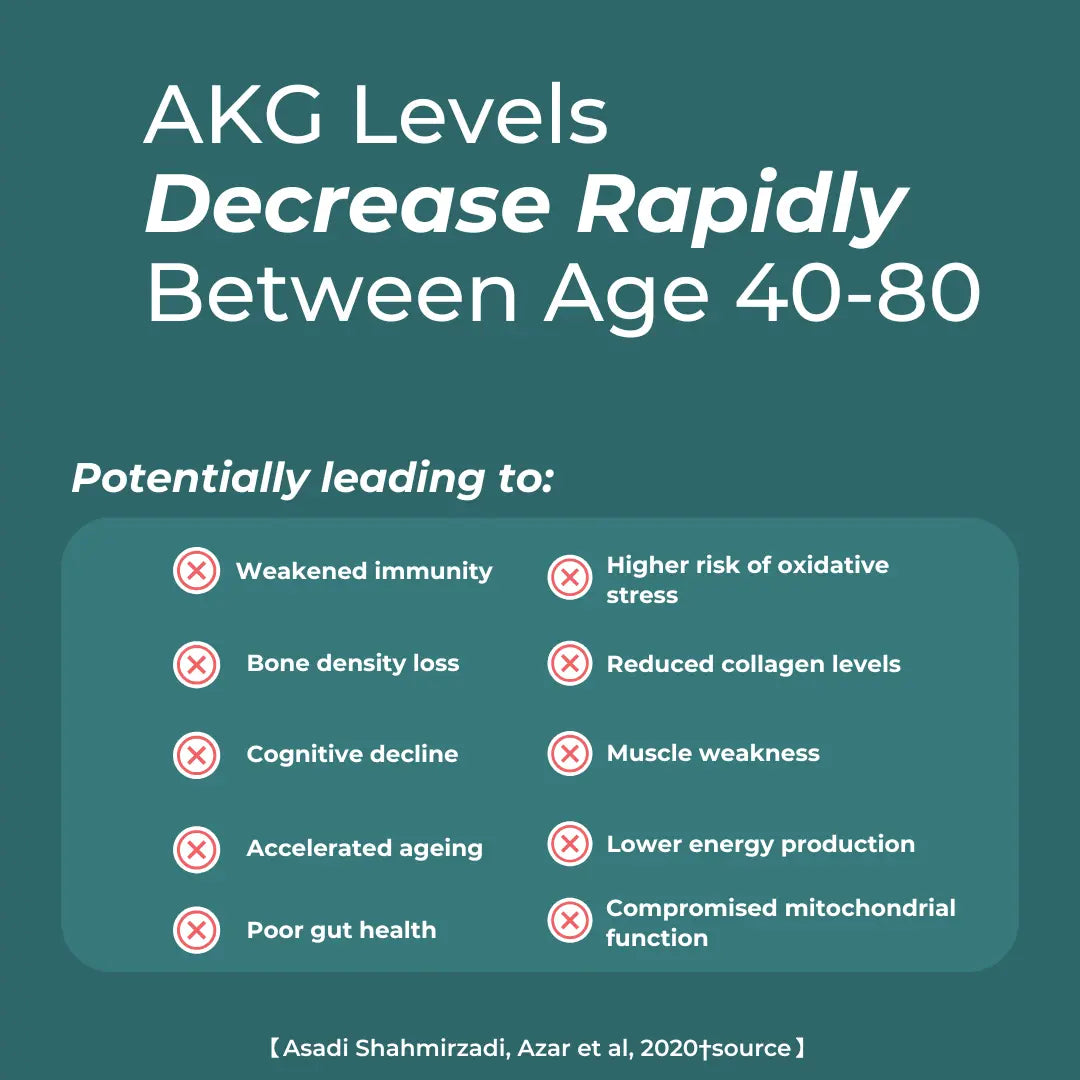
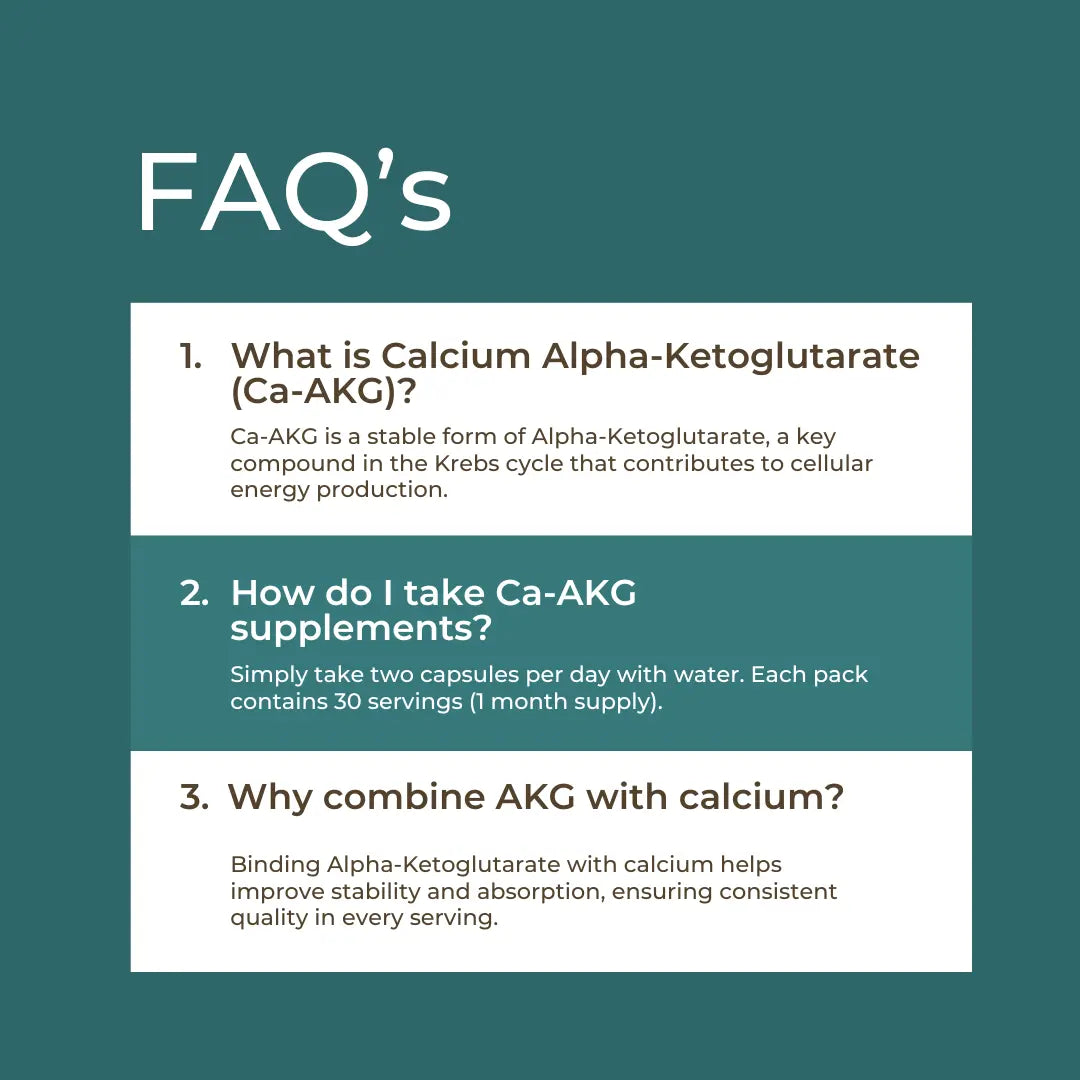
Calcium Alpha-Ketoglutarate (Ca-AKG) is a next-generation supplement designed to support cellular health and healthy ageing. Known for its role in the Krebs cycle, the process that fuels energy production in our cells.
- Studied for its involvement in calcium balance and energy production
- Calcium contributes to normal energy-yielding metabolism
- Contributes to normal muscle function
- Plays a role in the process of cell division and specialisation
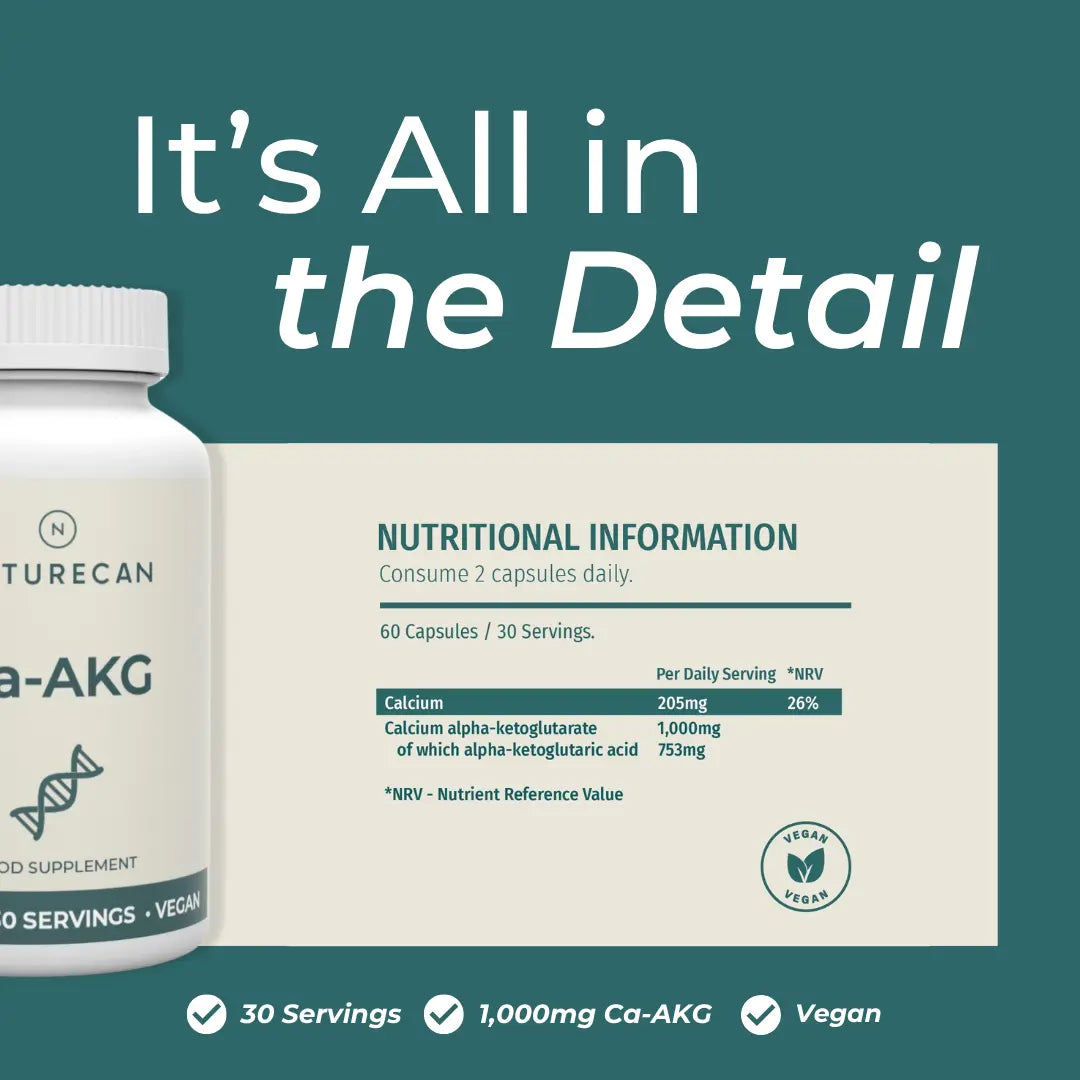
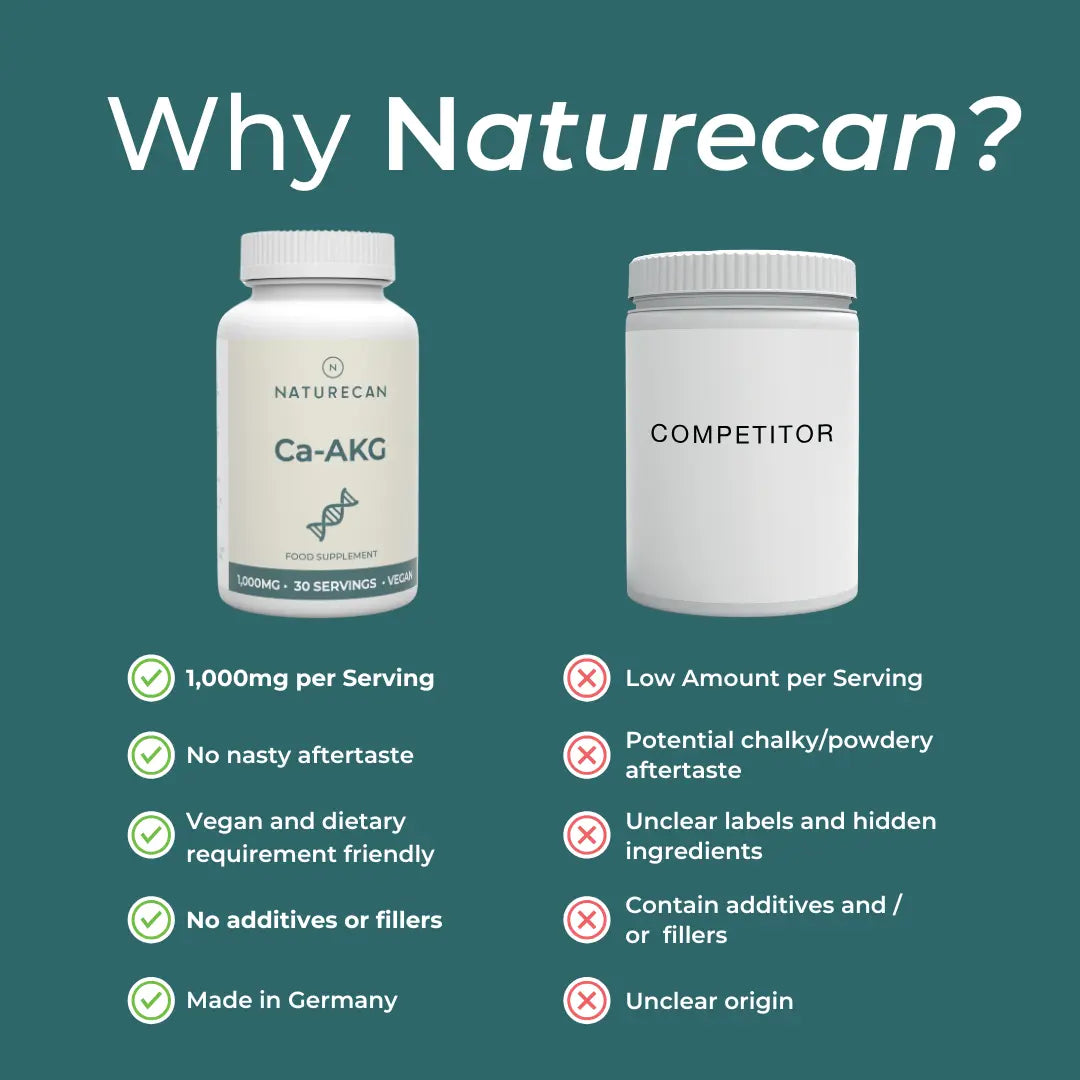
- 1,000mg per serving - high-strength dose
- Vegan-friendly, 30 servings per pack
Possible Side Effects
Calcium supplements are generally well tolerated. However, some people may experience mild digestive symptoms, particularly when taking higher doses or calcium carbonate.
Common temporary effects may include:
- Constipation
- Gas or bloating
- Nausea
- Stomach discomfort
- Heartburn
Calcium Deficiency
Low calcium levels, also known as hypocalcaemia, can occur for many reasons, including:
- Low Vitamin D levels
- Eating disorders
- Excess magnesium intake
- Long-term laxative use
- Digestive conditions such as Coeliac disease or Crohn’s disease
- Certain medications
- High caffeine or alcohol intake
- Kidney issues
- Parathyroid problems
- Heavy sweating
- Nutrient malabsorption following surgery
When calcium levels drop, the body may draw calcium from the bones to maintain essential functions, which can affect long-term skeletal health.


High Calcium in the Blood
Excess calcium in the bloodstream, known as hypercalcaemia, is less common but more serious.
High levels of calcium in the blood could cause the following:
- Weaken bones
- Increase the likelihood of kidney stones
- Affect heart rhythm
- Influence brain function
Hypercalcaemia usually stems from underlying conditions and requires medical assessment.

Calcium and Longevity
Calcium may contribute to several functions that could support longevity through life and as you age, including:
- Bone strength
- Muscle contraction
- Nerve communication
- Cellular energy signalling
- Mitochondrial regulation
Maintaining a balanced calcium intake alongside a healthy balanced diet and adequate exercise could contribute towards overall longevity and healthy ageing.
Nutrients That Compliment Calcium
Several nutrients may work alongside calcium to support overall wellness.
Vitamin D3 and K2
Vitamin D supports calcium absorption, and Vitamin K2 helps guide calcium to the bones. When combined with calcium, they become a powerhouse for promoting overall health.
Protein
Adequate protein intake helps maintain muscle mass and bone structure. If you struggle to get adequate protein intake through diet alone, whey protein powders can help boost your intake.
Magnesium
Magnesium potentially supports muscle relaxation and may contribute to normal nerve function. Together, these nutrients help maintain balance in the body.
Omega-3
Omega-3s, particularly EPA and DHA, contribute to the normal function of the heart[7]. DHA also contributes to the maintenance of normal brain function. Vegan Omega-3 is also available for those who have dietary restrictions.
Collagen Peptides
Collagen peptides provide amino acids that are vital for maintaining the structural integrity of bones, cartilage, and connective tissues. Studies suggest that combining collagen peptides with calcium may be beneficial to this structural integrity [8].

Daily Calcium Intake Recommendations
When supplementing with Calcium Citrate Malate a lower dosage is recommended due its high absorption and its dual form.
Recommended daily amounts vary by age:
| Age Group | Intake (mg/day) |
|---|---|
| 0–6 months | 200 |
| 7–12 months | 260 |
| 1–3 years | 700 |
| 4–8 years | 1,000 |
| 9–18 years | 1,300 |
| 19–50 years | 1,000 |
| 51–70 years | 1,000 (men), 1,200 (women) |
| 71+ years | 1,200 |
| Pregnancy/Breastfeeding | 1,000–1,300 |
Certain groups may have higher needs for calcium intake. Always consult a healthcare professional if you are unsure of your specific needs. Consistency is key, both diet and supplements can play a crucial role in meeting daily requirements.
Conclusion
Calcium is essential not only for bones and teeth but for many processes that support overall wellbeing. Because the body cannot produce calcium independently, maintaining healthy levels through diet or supplementation is important throughout every stage of life.
With a variety of forms available, including options suitable for vegan and sensitive individuals, calcium supplements can be tailored to fit almost any lifestyle. Choosing a balanced approach helps support strong bones, healthy muscles, and long-term vitality.
FAQs
What is the most common cause of low calcium?
Vitamin D deficiency is one of the most common causes (NHS, 2024).
Can calcium be taken with medication?
Some medications interact with calcium. A doctor or pharmacist can provide personalised guidance based on the medication you take.
Which foods are high in calcium?
Dairy products, leafy greens, nuts, seeds, tofu, beans, and fortified plant drinks.
Does oat milk contain calcium?
Most fortified oat milks contain calcium levels similar to cow’s milk.
Can calcium supplements cause constipation?
Some forms, particularly calcium carbonate, may cause constipation in certain individuals.

Dr Lilla Csonka
Medical Advisor at Naturecan
Dr Lilla Csonka is a medical doctor with primary interest in nutrition, sustainable and enjoyable weight
loss and preventive care. She worked as a medical doctor in psychiatry, so the emotional, mental
aspects of eating problems are also in scope with her clients.
She is working as a General Practitioner
resident doctor, so she has a clear understanding of the basic medical symptomology and disease care.
Dr. Csonka is eager to look through evidence based journals, articles to provide accurate, scientifically
backed medical data in the relevant scientific fields.


Brain Health and Longevity: How to Protect Your Brain as You Age
Let’s explore the profound link between cognitive resilience and extended lifespan.
Read Article
Top Trending Gummies Of 2025: A Comprehensive Guide
This article explores the most trending gummies in 2025 and highlights how Naturecan offers premium-quality options in these categories.
Read Article
8 ways: how to boost your immune system
This guide explores the key causes of ageing, the potential health benefits of longevity supplements, and how to integrate them into a lifestyle that promotes healthy ageing.
Read Article


