

Urolithin A: A Guide to Postbiotic Vitality and Cellular Support

Published:
Medically Reviewed by Dr Lilla Csonka: May 1, 2026
Written by Jordan Caulfield & reviewed by Paul Holmes.
As the body ages, subtle changes often begin to occur both physically and mentally. Daily energy levels may begin to dip, and maintaining everyday vitality can require more conscious effort. This has led to growing interest in natural supplements studied for their impact at the cellular level, rather than simply masking symptoms.
One compound that has attracted significant attention in recent years is Urolithin A. Often associated with longevity and cellular health, Urolithin A is widely popular in wellness circles. This guide explains what Urolithin A is, its potential for supporting well-being, and how trusted brands like Naturecan approach supplementation responsibly.
What Is Urolithin A?
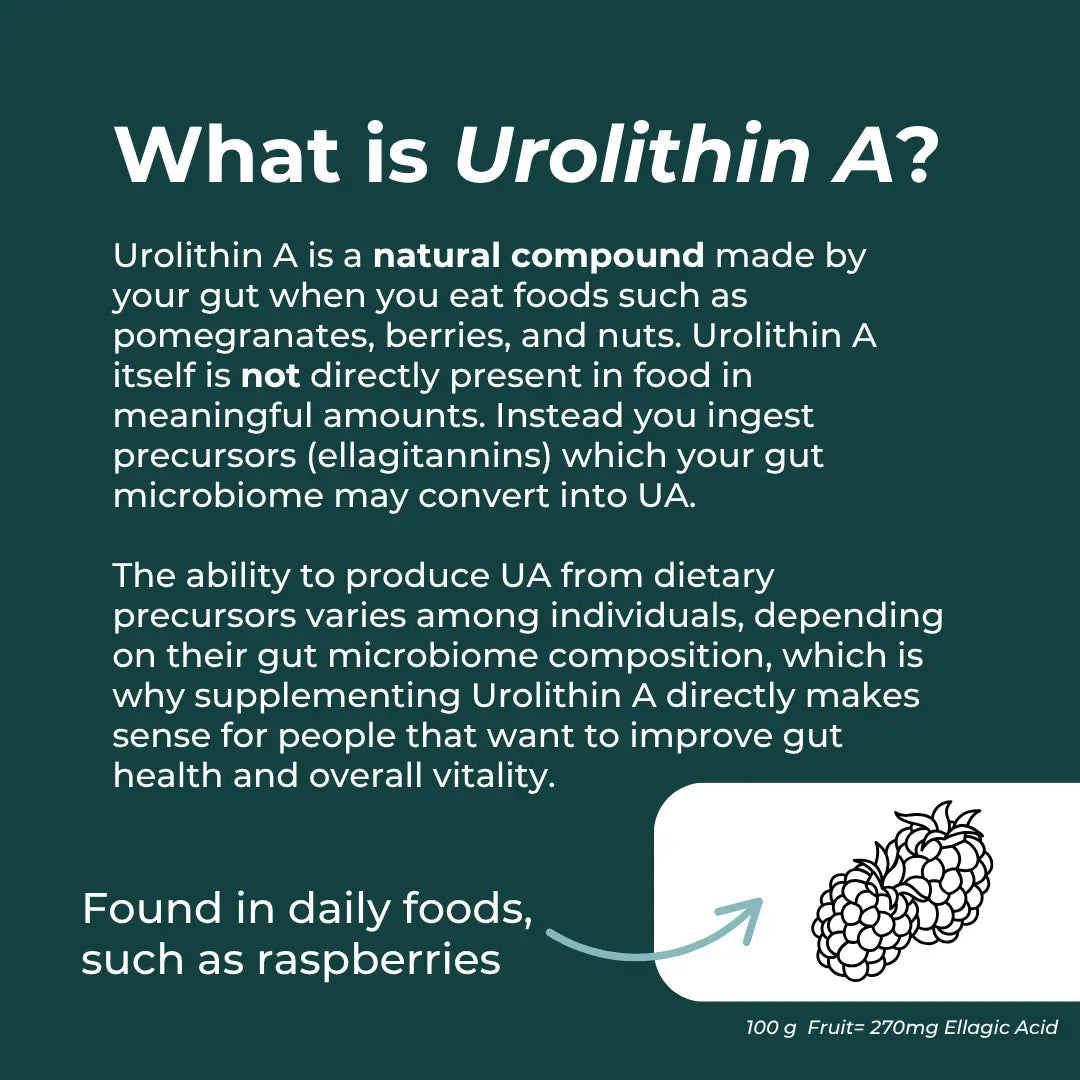
Urolithin A is a natural compound produced in the body under specific conditions. It is a postbiotic metabolite created when certain gut bacteria break down compounds called ellagitannins and ellagic acid, found in pomegranates, berries, and walnuts.
Urolithin A is not found directly in food. Its production depends entirely on the presence of specific gut microbiome signatures. Research suggests that only around 30–40% of people have a microbiome capable of producing adequate levels of Urolithin A naturally. Dietary sources alone are often unreliable as a consistent source, which is why interest in supplementation has grown.

Featured Supplement: Urolithin A
Feel energised and more balanced with Naturecan’s Urolithin A, a breakthrough supplement that may support healthy ageing, cellular health and overall vitality.
Made with pure ingredients and backed by science, it’s your daily step towards stronger cells, sharper focus and a more active, healthy life.
- Supports cellular energy
- Promotes longevity and vitality
- Studied in relation to psychological resilience
- May contribute to healthy ageing
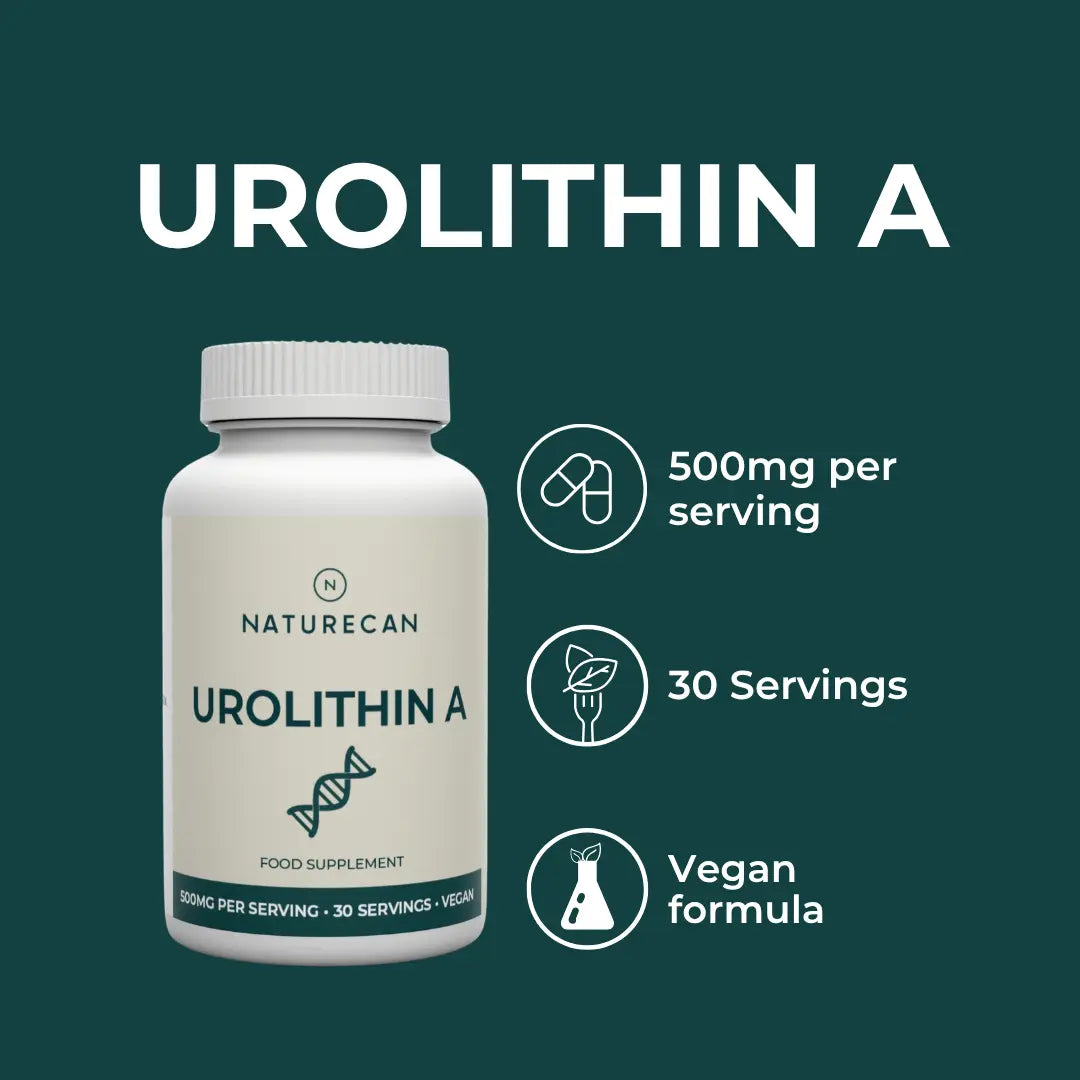
- 100% vegan-friendly formula
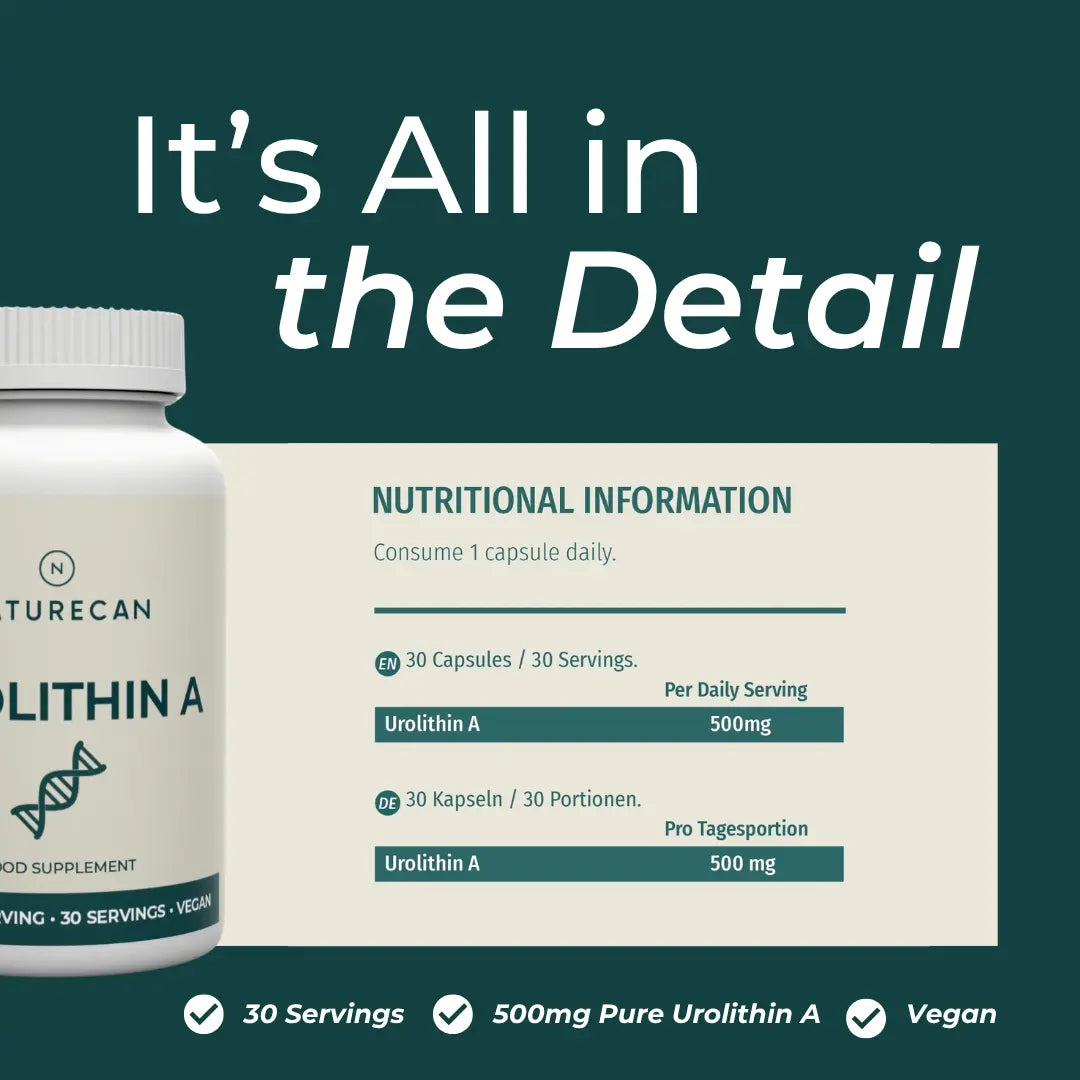
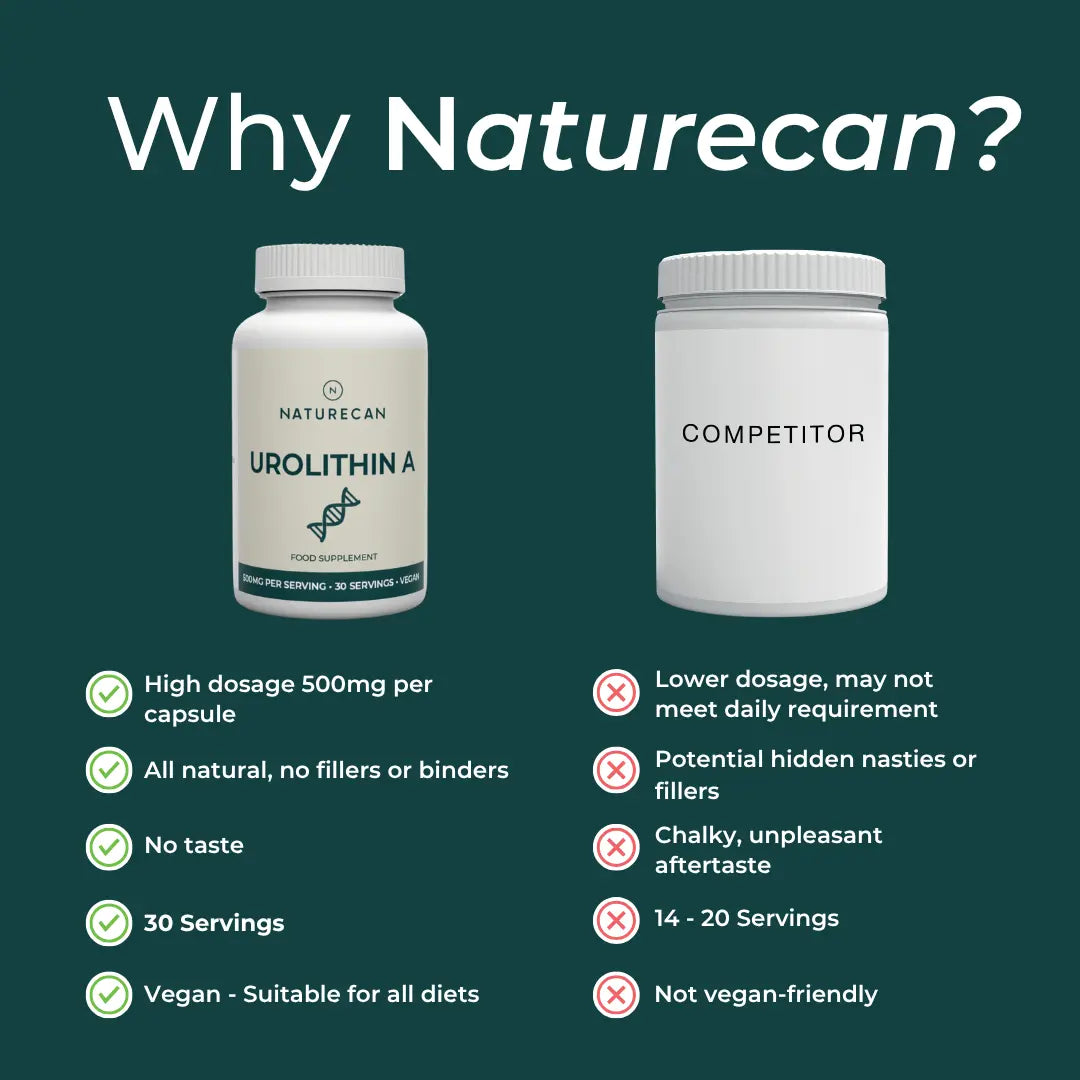
- 500 mg Urolithin A per capsule

What Are The Potential Benefits Of Urolithin A?
The interest in Urolithin A comes from how it may support the body at a foundational level. Below are some of the key ways Urolithin A could potentially support overall health and wellbeing.

Cellular Energy and Daily Vitality
Healthy cells rely on efficient energy pathways to produce the fuel needed for everyday activities, from staying focused to maintaining an active lifestyle.
Healthy Ageing at a Cellular Level
Ageing is deeply connected to what is happening inside the cells. Urolithin A may support the body’s natural cellular rejuvenation processes, helping cells maintain long-term efficiency and resilience.
Long-Term Metabolic Health
By supporting foundational cellular energy, Urolithin A may help the body manage energy use more effectively as part of a healthy lifestyle.
Why Do These Benefits Matter?
What makes Urolithin A unique is that its benefits are subtle but foundational. Rather than offering a quick boost, it could support cellular functions that help the body over time. This makes it particularly appealing to those interested in prevention, resilience, and healthy ageing.
For this reason, Urolithin A is often included in longevity-focused supplement routines, alongside lifestyle habits such as regular exercise, good sleep, and balanced nutrition.

The Longevity Guide: Everything You Need to Know About Longevity


This is our complete beginner's guide to Longevity. We explain what it is, what studies are available, where it comes from, what it is used for, and a few other facts you may not know.
What the Science Says
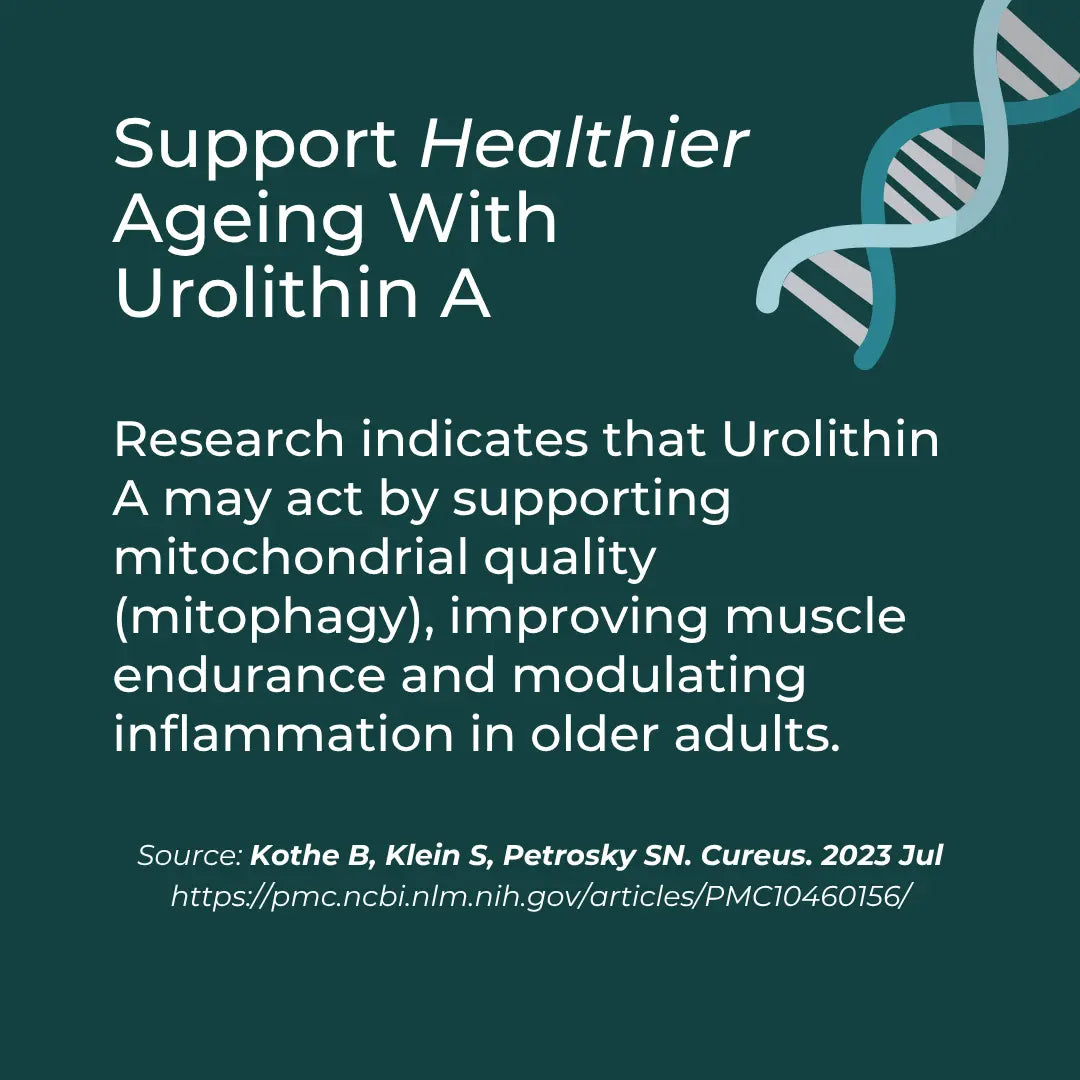
Scientific interest in Urolithin A has increased steadily, with multiple peer-reviewed studies exploring its role in aging pathways.

What Are The Potential Side Effects?
Urolithin A is generally well tolerated when taken at recommended doses. Some mild, short-lived effects have been reported as the body adjusts, such as digestive discomfort or minor headaches. Individuals taking prescription medication are advised to consult a healthcare professional before starting any new supplement routine.

Supplements to Take Alongside Urolithin A
Urolithin A is most effective when used as part of a supplement stack, working alongside other supplements to support each other and a broader wellness routine. Common complementary options include:
- Vitamin D3 & K2 to support bone, immune, and muscle health
- Digestive support supplements to maintain gut balance
- Targeted gut health formulas to support microbiome diversity
Naturecan focuses on evidence-led formulations designed to work together without unnecessary additives.

Urolithin A Supplement Daily Serving Recommendations
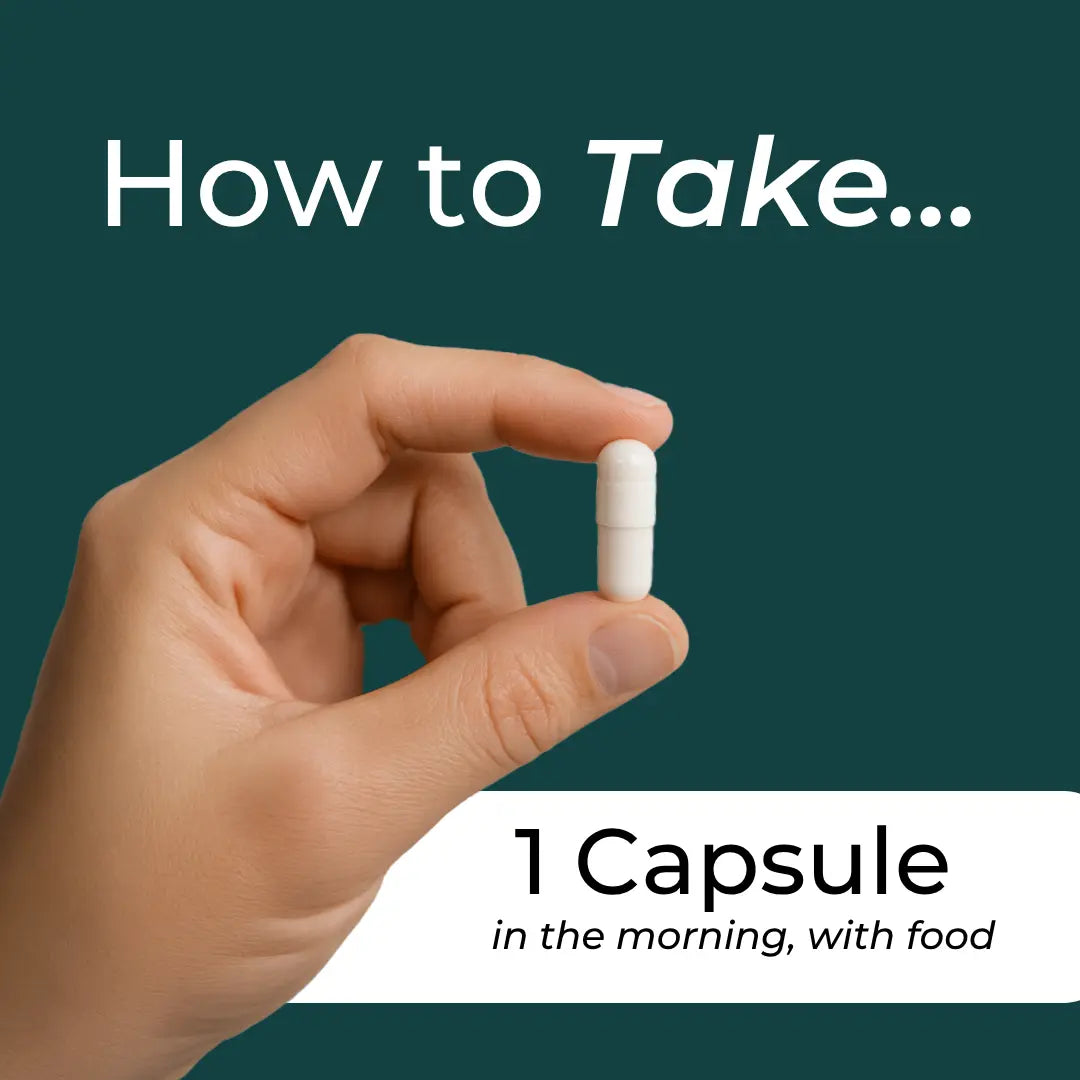
Naturecan recommends one capsule daily (500mg), taken with water and ideally alongside food. Consistency is more important than the specific time of day.
FAQs
How long do Urolithin A supplements take to work?
Most studies assess benefits after several weeks or months of consistent use.
How much Urolithin A is in a pomegranate?
Pomegranates contain ellagitannins, not Urolithin A itself. Conversion depends on gut bacteria.
What foods have Urolithin A?
No foods contain Urolithin A directly, only its precursors.
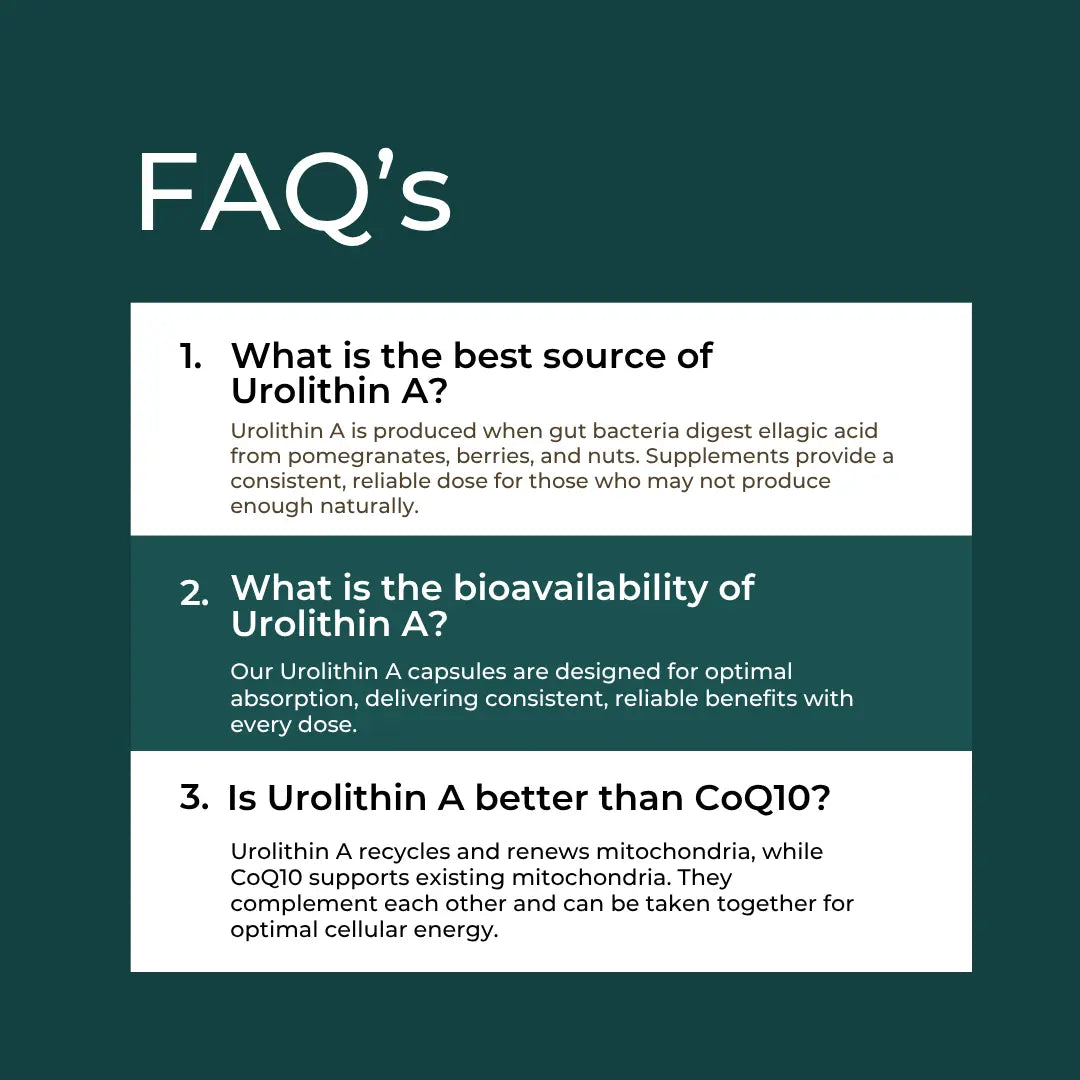
What is the best source of Urolithin A?Supplementation provides the most consistent and reliable intake.
How much Urolithin A is in walnuts?Walnuts contain ellagic acid, but conversion varies significantly between individuals.

Reviewed by Paul Holmes
Director of Science and Innovation at Naturecan
Testing for large pharmaceutical & tobacco companies, Paul has built a wealth of scientific and regulatory knowledge, working on regulatory submissions to bodies such as the FDA and the MHRA.
He holds a BSc in Medicinal and Biological Chemistry and sits on the UKAS CBD Food Product Approval Expert Group.
Discover our Naturecan Blog
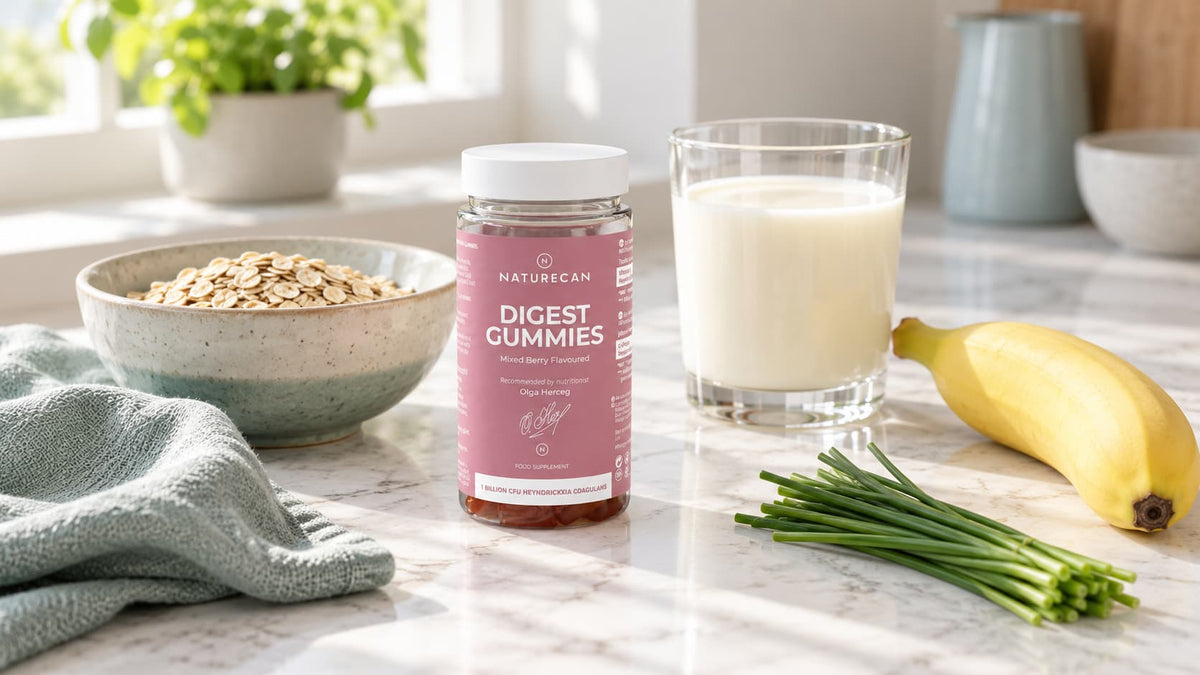
Low FODMAP Diet: How It Affects Gut Bacteria, Prebiotics & Probiotics
Discover how the low FODMAP diet affects gut bacteria and IBS symptoms. Explore the role of prebiotics and probiotics, simple food swaps, and practical tips for supporting gut health while maintaining a balanced diet.
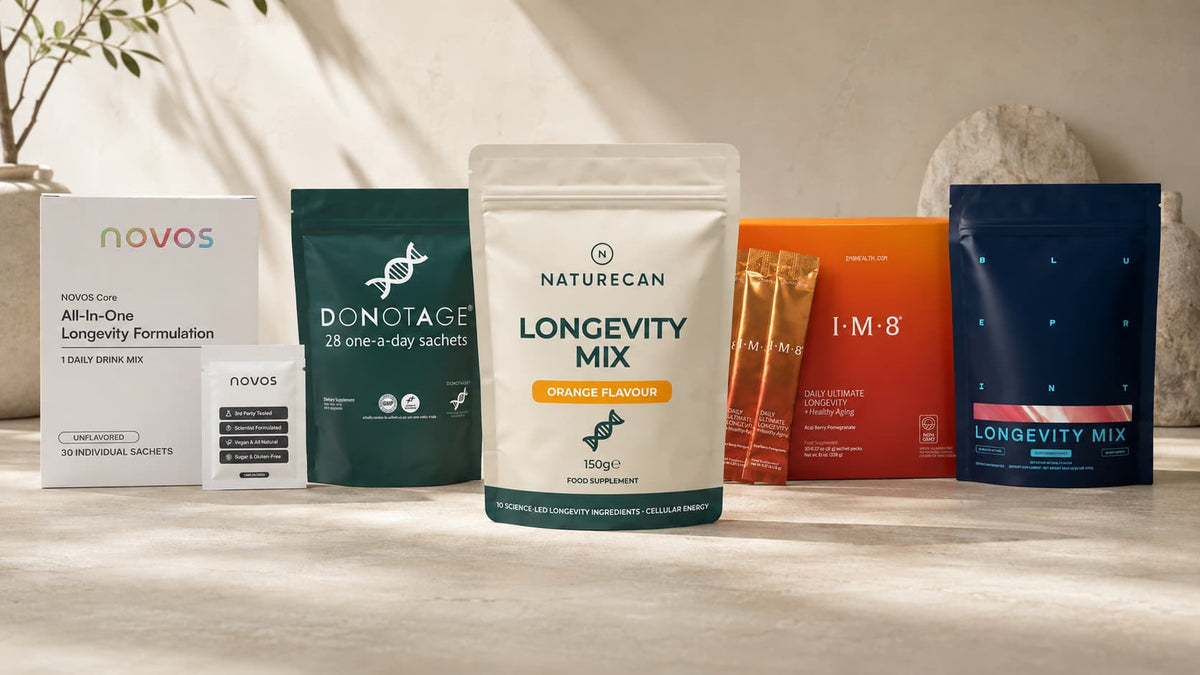
Longevity Mix Compared: What's Actually in IM8, NOVOS, DoNotAge, Blueprint & Naturecan
We compare the Longevity Mix formulas from Naturecan, IM8, NOVOS, DoNotAge and Blueprint side by side on disclosed ingredients, finished-product evidence, price and UK/EU safety rules, not marketing language.
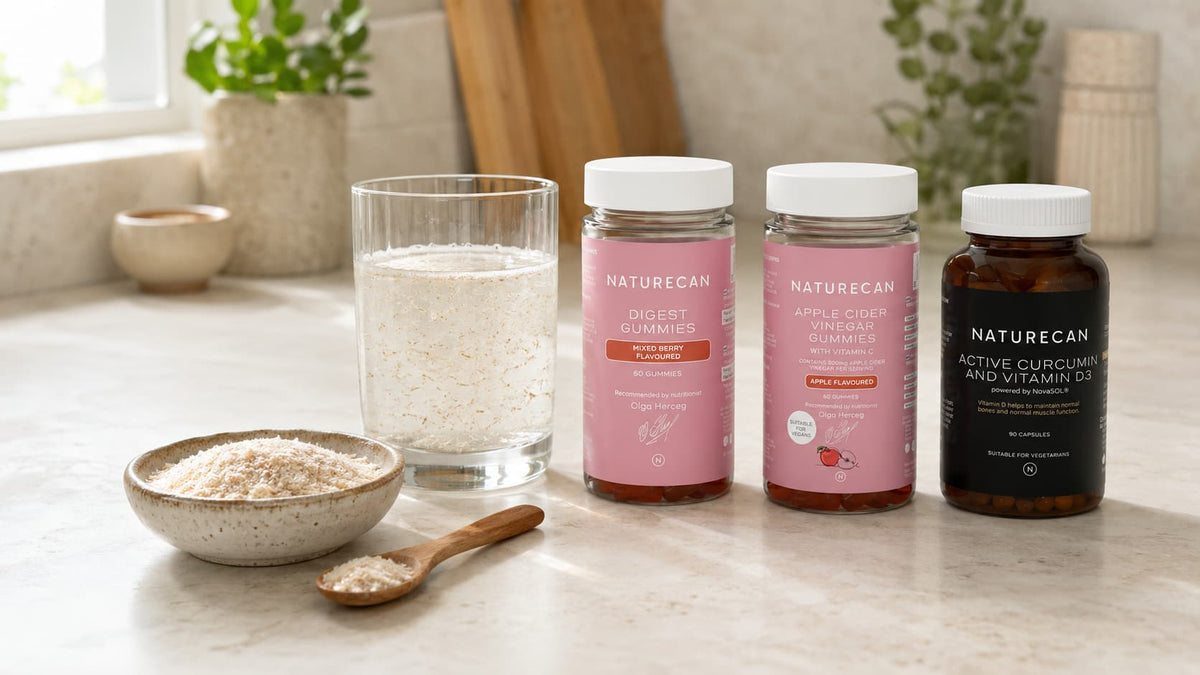
Psyllium Husk: What It Is, Benefits, How to Use & Is It Safe?
What psyllium husk is, the evidence behind its benefits for digestion, cholesterol and blood sugar, and how to use it safely as a powder, whole husk or in capsules.
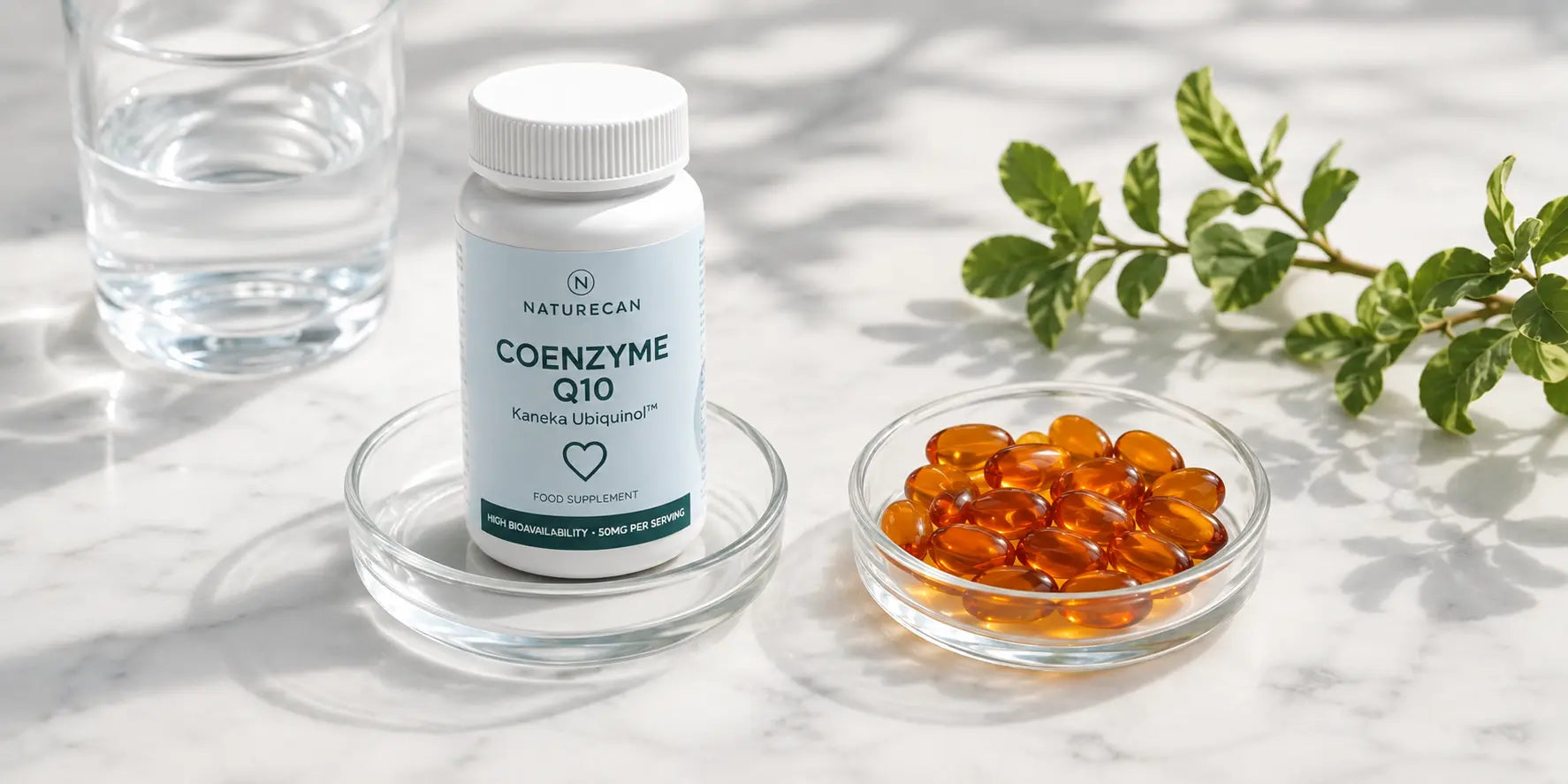
Ubiquinol vs CoQ10: What's the Difference and Which Should You Take?
Ubiquinol and CoQ10 are related but not identical - here's what the evidence says about absorption, benefits and how to choose the right form for your age and health.
What Is Inositol? Benefits, Uses & How to Take Myo-Inositol
Discover the evidence-backed benefits of inositol and myo-inositol for hormonal balance, PCOS and mood support, plus how to dose it safely and effectively.
Is Matcha Good for You? Benefits, and How to Use Matcha Protein
Is matcha good for you? Here's what the evidence says about matcha benefits, plus how to use matcha protein powder to get more from your daily routine.


