

Iron Tablets for Women: Your Complete Guide
Everything You Need to Know About Iron: From Signs of Low Levels to Choosing the Right Supplement

Published:
Written by Reem Al Karim & reviewed by Paul Holmes.
Iron deficiency is the most common nutritional deficiency in the world - and women are significantly more likely to be affected than men. Yet many women spend years feeling exhausted, cold, or unable to concentrate without ever connecting those symptoms to their iron levels.
There is no shortage of iron supplements on the market. There are iron tablets, capsules, liquid iron drops, effervescent options, and multivitamins with iron built in. But knowing which one is right for you - and how to actually use it effectively - is where most people get stuck.
The good news is that the basics are straightforward once you know them. And for most women, the right iron supplement combined with a few simple habits makes a meaningful difference.
This article covers everything women need to know about iron supplements for women - from understanding why women are more at risk, to choosing the right form, managing side effects, and knowing when to see a GP.
In this article
- Women aged 19–49 need 14.8mg of iron per day - nearly double the requirement for men - primarily due to monthly blood loss through menstruation [2]
- Common signs of low iron include persistent tiredness, fatigue, and difficulty concentrating - but a blood test is the only way to confirm deficiency
- Iron supplements come in several forms - ferrous bisglycinate is widely regarded as the gentlest on the stomach, while liquid iron is a good alternative for those who struggle with tablets
- Taking iron with Vitamin C significantly boosts absorption - taking it with tea, coffee, or dairy significantly reduces it
- Signs that iron pills are working typically appear within 2–4 weeks, but full replenishment of stores takes 3–6 months
- Naturecan's Vegan Multivitamin provides iron as part of a comprehensive daily blend of 23 vitamins and minerals - a convenient option for women looking to cover multiple nutrient gaps in one step
Why Women Are More Likely to Need Iron Supplements
Iron deficiency does not affect everyone equally. Women of reproductive age are among the most at-risk groups - and understanding why helps explain why iron supplements are one of the most widely used supplements in the UK.
The primary reason is menstruation. Every monthly cycle involves blood loss, and blood contains iron. Women with heavier periods lose more iron each month, making it harder to maintain adequate stores through diet alone.
Beyond menstruation, several other factors raise iron requirements significantly:
- Pregnancy - iron requirements increase substantially to support foetal development, placental growth, and the significant expansion of blood volume
- Breastfeeding - continued increased demand in the postnatal period
- Perimenopause - irregular or heavier periods during the transition can deplete stores further
- Plant-based and vegetarian diets - non-haem iron from plant foods is less bioavailable than haem iron from meat, making dietary adequacy harder to achieve
- Intense exercise - female athletes lose iron through sweat and have higher overall demands
Key Numbers
14.8mg - Daily iron needed by women aged 19–49
8.7mg - Daily iron needed by men and post-menopausal women
300+ - Biochemical processes iron supports in the body 1 in 4Women of reproductive age affected by low iron in the UK
Iron is an essential mineral with several authorised EU/UK health claims. Iron contributes to normal energy-yielding metabolism. Iron contributes to the normal function of the immune system. The UK recommended daily intake for iron is 14.8mg per day for women aged 19–49 - compared to just 8.7mg for men and post-menopausal women. That gap reflects the reality of monthly blood loss and explains why iron deficiency is so much more prevalent among women of reproductive age [2].

What Are the Symptoms of Low Iron in Women?
Low iron develops gradually, and its symptoms are easy to dismiss as general tiredness or stress. This is part of why it so often goes undiagnosed. The following are the most common signs that iron levels may be suboptimal:
Persistent tiredness, fatigue and brain fog
The most frequently reported symptom. Feeling exhausted even after a full night's sleep is a classic sign that red blood cells are not carrying oxygen efficiently.
Pale or yellowish skin
Reduced haemoglobin levels can cause the skin to lose its natural colour, particularly noticeable in the face, inner eyelids, and nail beds.
Shortness of breath on minimal exertion
Climbing stairs, walking briskly, or carrying shopping can feel disproportionately tiring when iron is low.
Heart palpitations
The heart works harder to compensate for reduced oxygen-carrying capacity, which can cause a noticeable or irregular heartbeat.
Cold hands and feet
Poor circulation and reduced oxygen delivery to the extremities is a common feature of low iron.
Headaches and dizziness
Reduced oxygen to the brain can trigger frequent headaches or lightheadedness, particularly when standing up quickly.
Iron contributes to normal oxygen transport in the body. Iron contributes to the reduction of tiredness and fatigue. If you think your levels may be low, speaking to a GP is the right first step - significant deficiency needs to be confirmed with a blood test and managed appropriately.

The Best Supplements & Vitamins for Women Over 40:
Your 40s are when your body’s nutritional needs shift meaningfully. Here’s what this guide covers and why it matters:
Read MoreTypes of Iron Supplements: Tablets, Capsules and Liquid Iron
Not all iron supplements are the same. The form of iron used, and the format it comes in, significantly affects how well your body absorbs it and how easy it is on your digestive system.
At a glance:
| Format | Best for | Things to consider |
|---|---|---|
| Ferrous sulphate tablets | Standard iron supplementation | Effective but can cause constipation or nausea |
| Ferrous bisglycinate | Sensitive stomachs, gentle daily use | Gentler and well absorbed - often the best iron tablets for women |
| Liquid iron | Those who struggle with tablets or in pregnancy | Requires measuring; check sugar content |
| Multivitamin with iron | Broad daily nutrition alongside iron top-up | Iron dose lower than standalone - suitable for maintenance |
Ferrous vs Ferric Iron
The key term to understand here is ferrous iron. Ferrous forms (Fe²+) - including ferrous sulphate, ferrous fumarate, and ferrous bisglycinate - are generally better absorbed than ferric forms (Fe³+) because they are more soluble in the digestive tract. Most over-the-counter iron supplements in the UK use ferrous forms.

Ferrous sulphate
The most widely prescribed form in the UK. Highly effective but more likely to cause gastrointestinal side effects including constipation and nausea.

Ferrous fumarate
Slightly gentler than sulphate, with a good absorption profile. A common choice in UK pharmacy-grade supplements.

Ferrous bisglycinate
A chelated form where iron is bound to glycine. Well absorbed, significantly gentler on the digestive system, and less likely to cause constipation. Often considered the best iron supplement for women who experience side effects with other forms.
Liquid Iron Supplements
For women who find tablets difficult to swallow or who experience strong GI side effects, liquid iron supplements are a practical alternative. Liquid formats typically use gentler iron forms, allow more flexible dosing, and are absorbed relatively quickly. They are also a popular choice during pregnancy when nausea can make tablets harder to tolerate.
Liquid iron does require measuring and may have a stronger taste than capsules, but for many women the improved tolerability makes it worthwhile.
Multivitamins with Iron
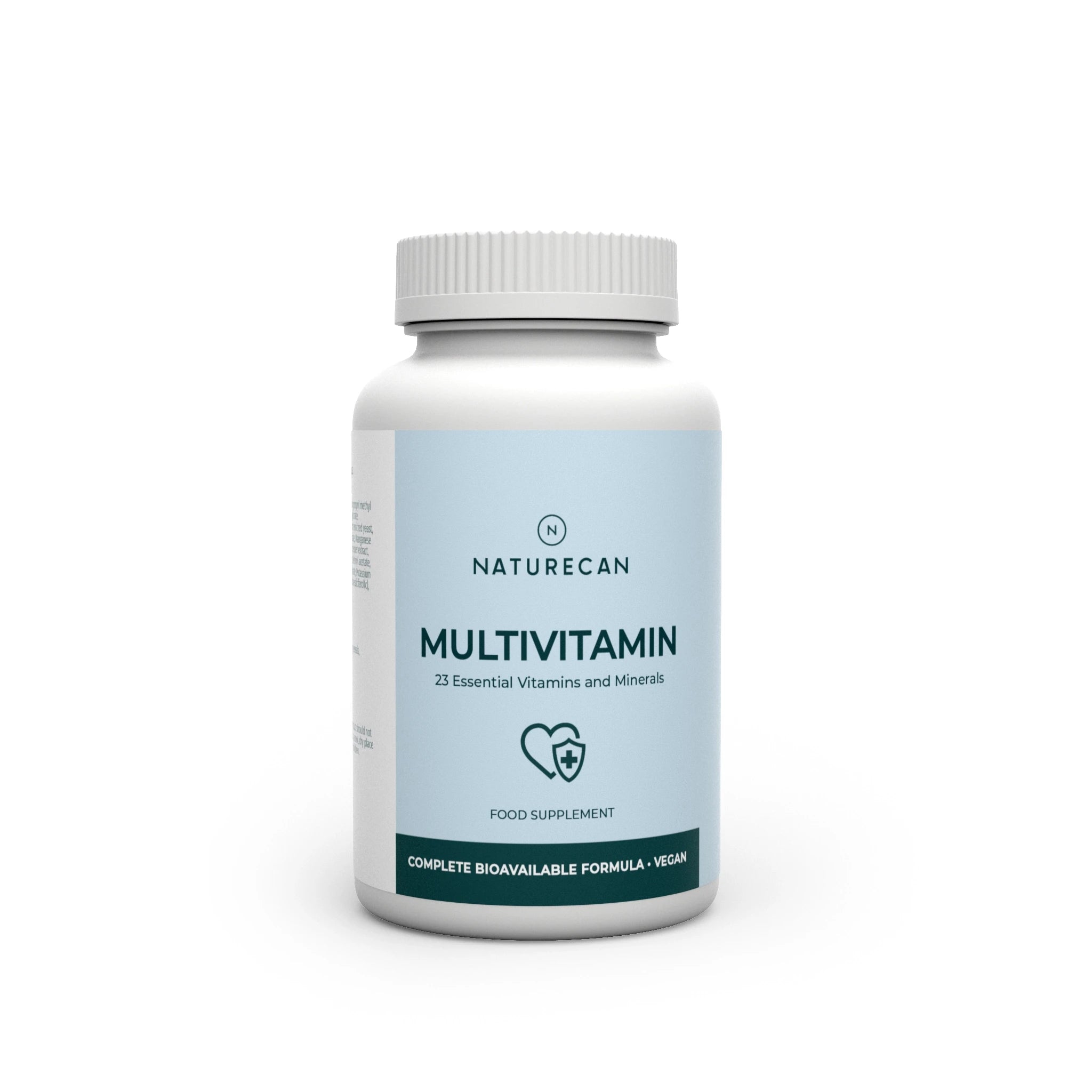
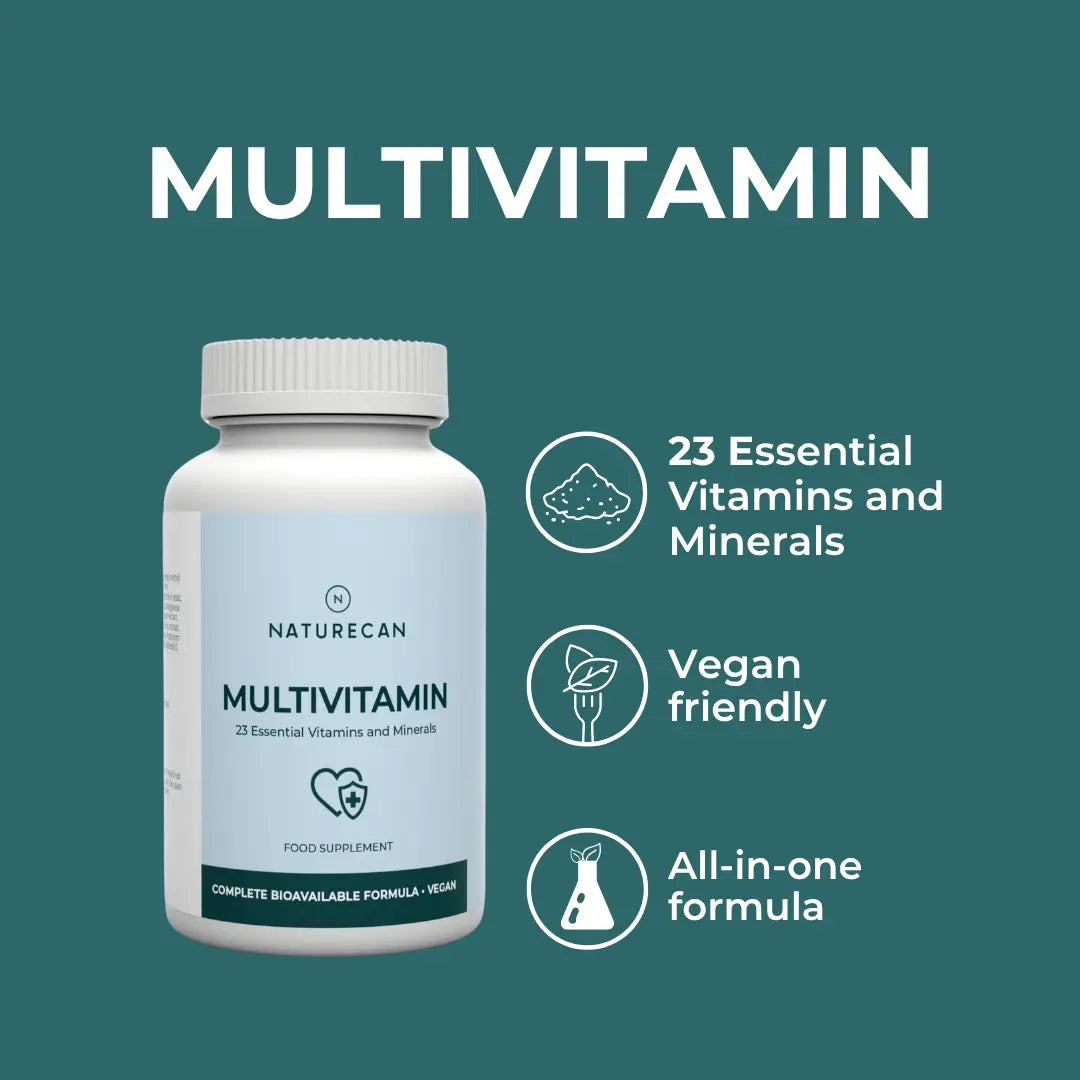
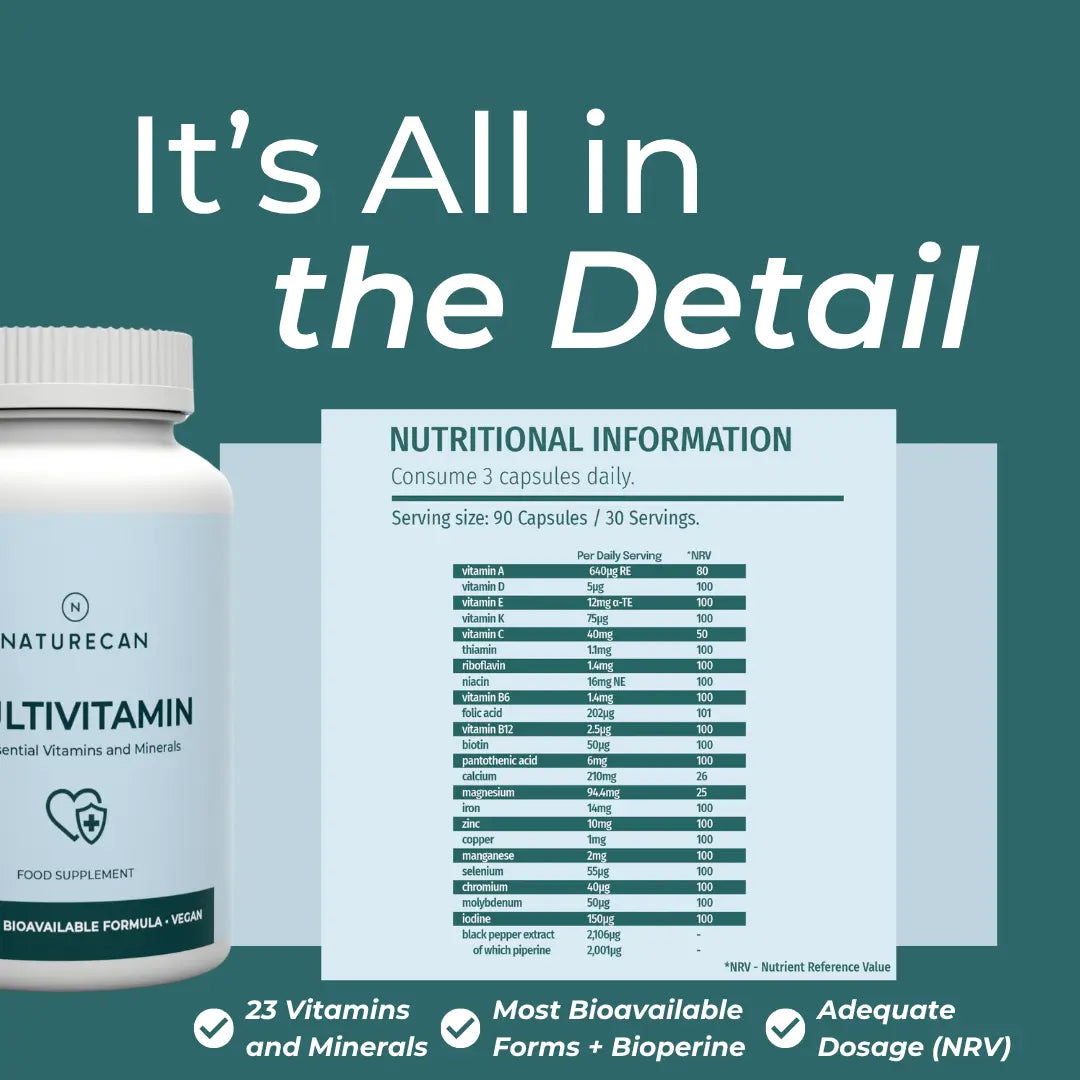
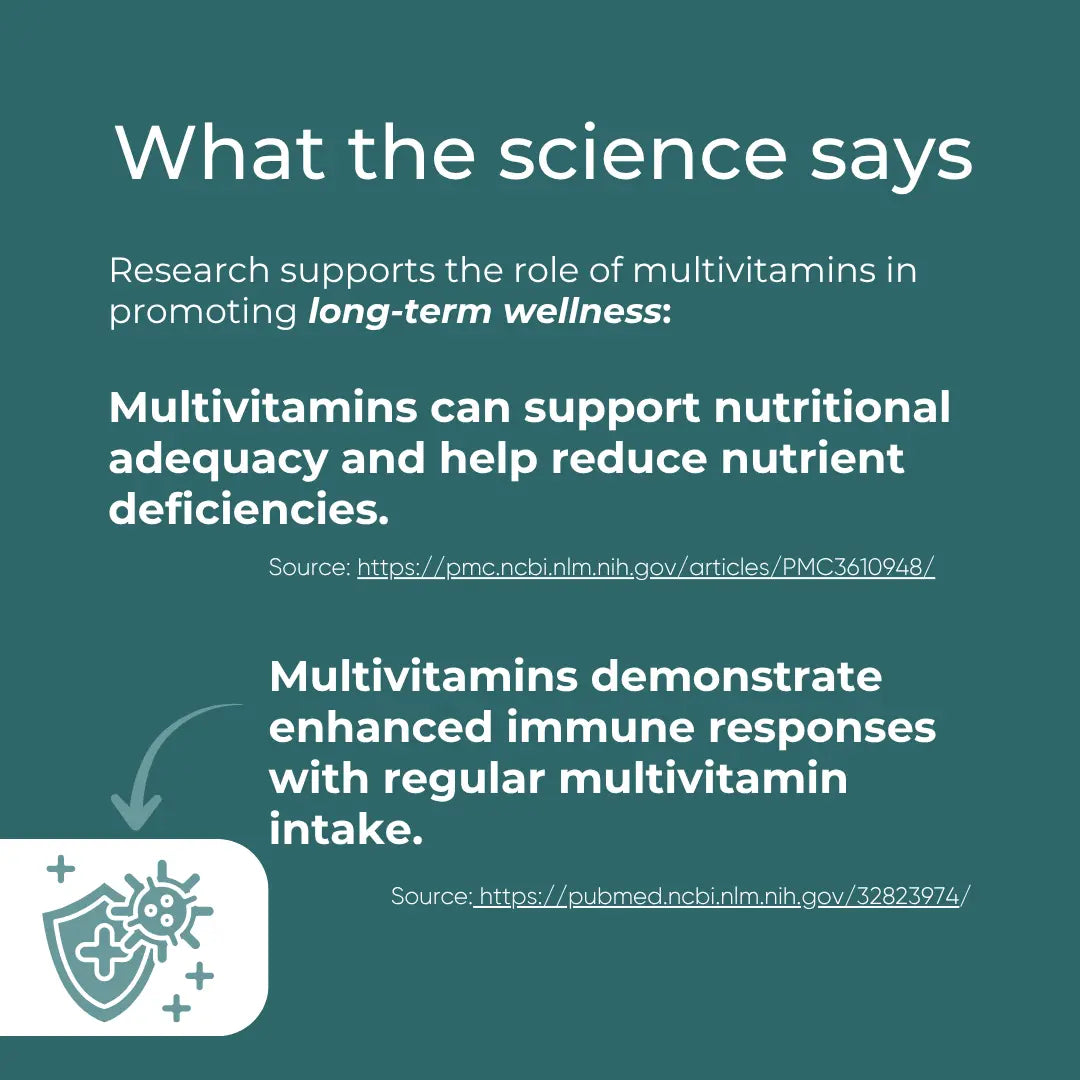
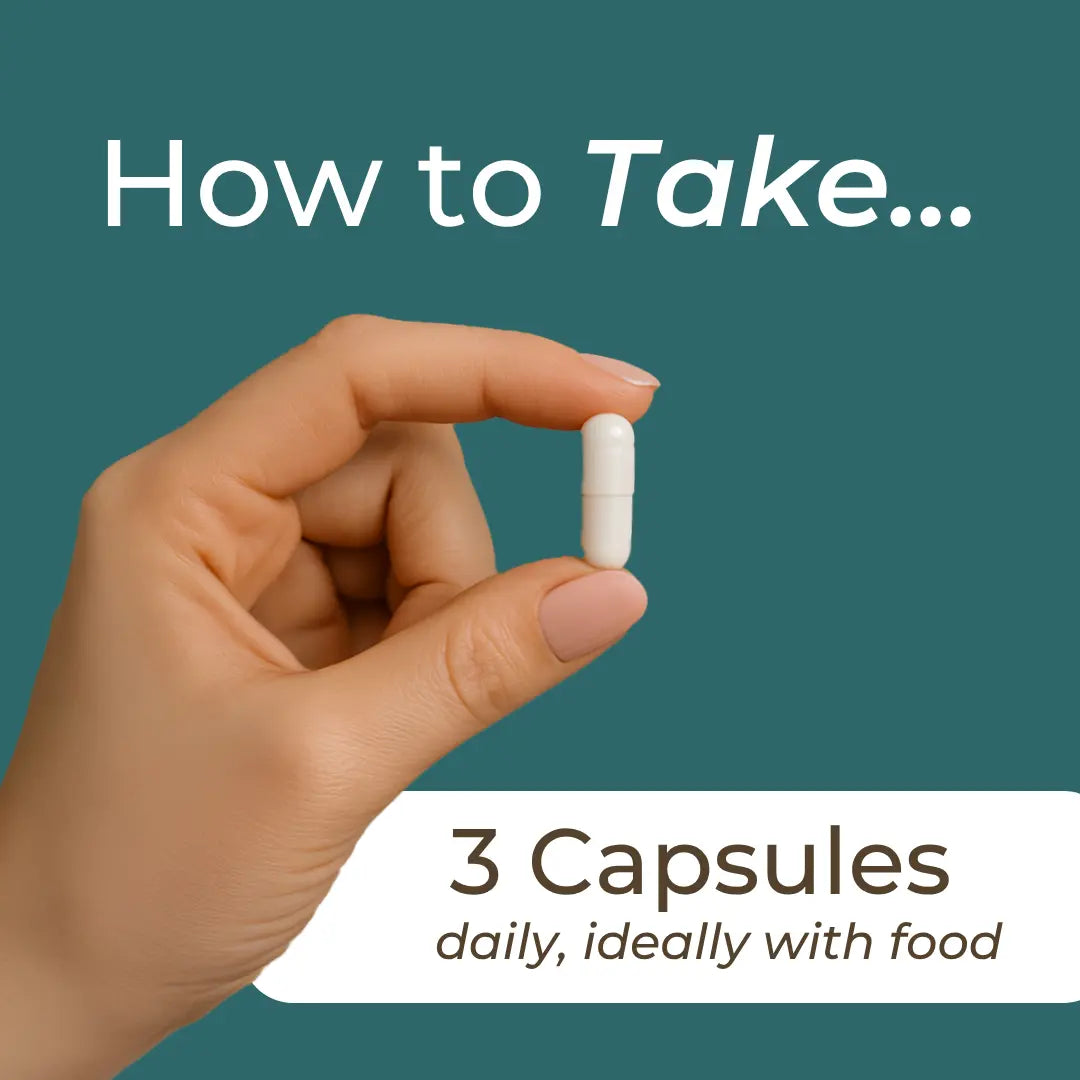
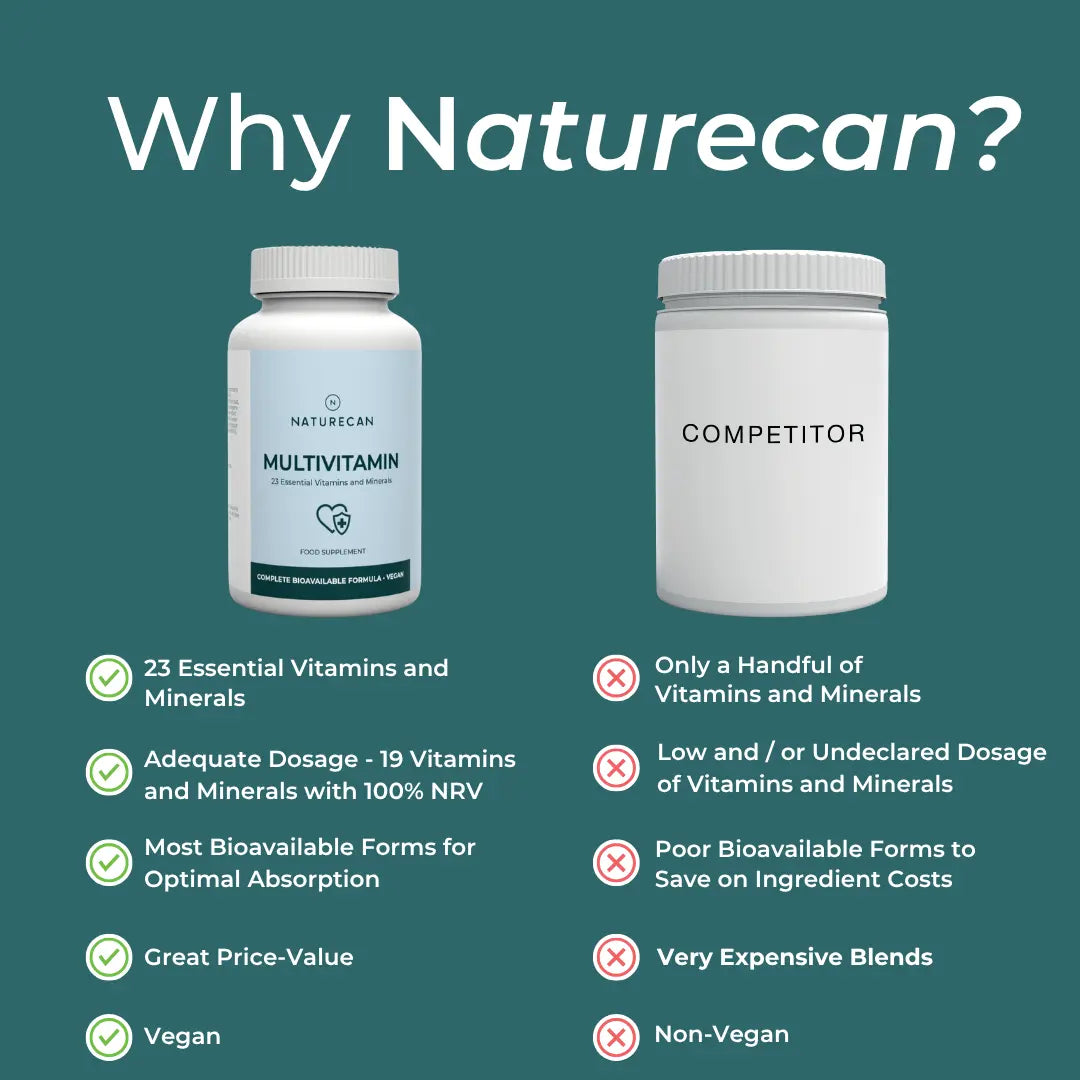
A convenient option for women who want broader daily nutritional support alongside iron. Naturecan's Vegan Multivitamin includes iron as part of a comprehensive blend of 23 essential vitamins and minerals in one daily capsule - a simple way to maintain iron alongside other key nutrients without managing multiple separate supplements.
Liquid iron does require measuring and may have a stronger taste than capsules, but for many women the improved tolerability makes it worthwhile.
Multivitamins
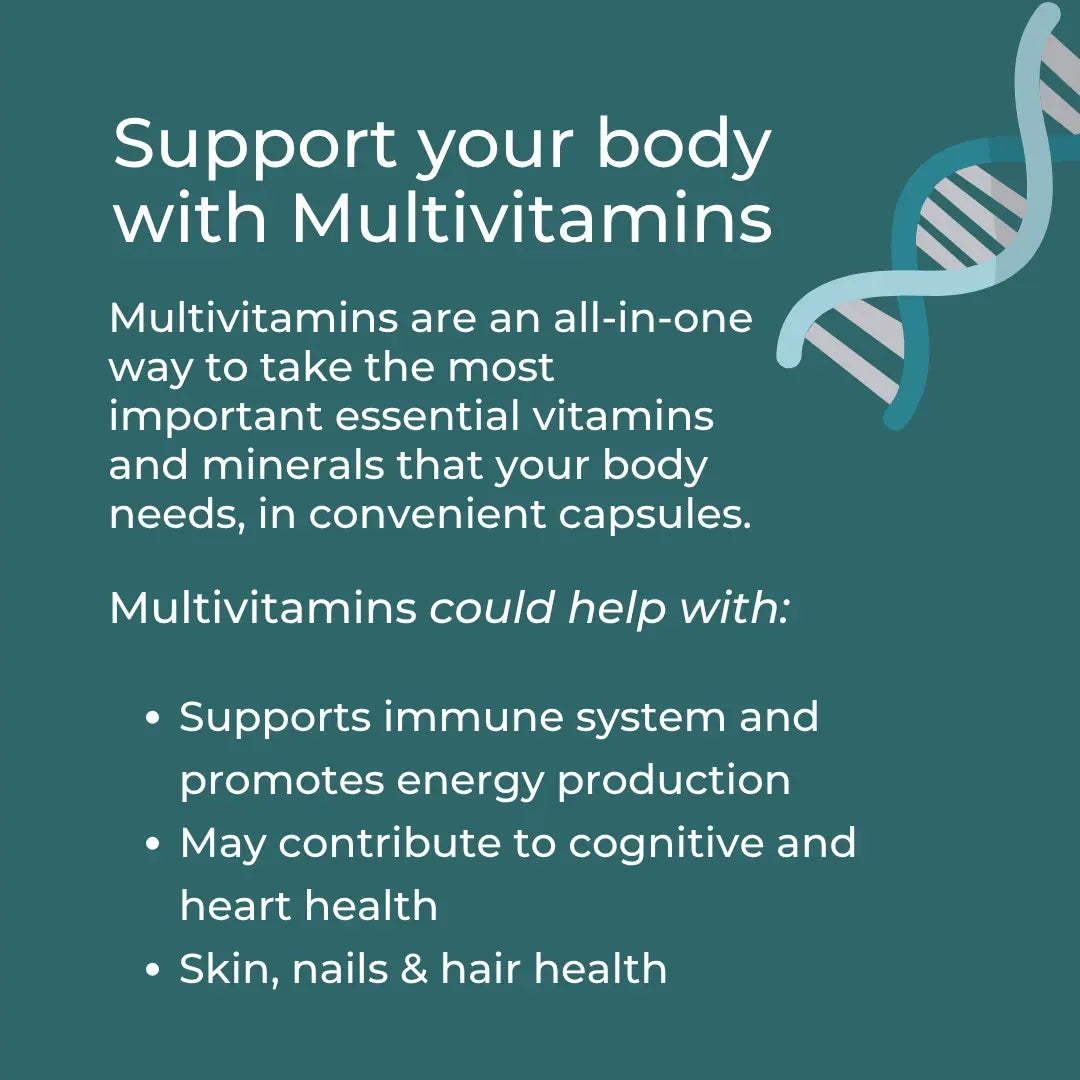
Support your body’s day-to-day needs with Naturecan’s Multivitamins, expertly formulated to deliver 23 essential vitamins and minerals in one convenient capsule. Created with an all-in-one approach to help bridge nutritional gaps, our multivitamins are a simple way to promote energy production, immune function, and overall well-being, ideal for those with busy lifestyles or potential dietary restrictions.
- Supports the immune system and energy production
- Promotes healthy skin, hair, and nails
- May contribute to cognitive and heart health

Iron Supplement Side Effects - and How to Minimise Them
Iron supplements are effective, but iron tablets' side effects are among the most common reasons women stop taking them. Understanding what to expect - and how to manage it - makes a big difference to long-term consistency.
The most frequently reported side effects include:
1
2
3
4
4
Feeling worse after taking iron supplements is more common than people expect. Some women notice increased nausea, bloating, or fatigue - particularly in the first week. This is usually temporary. The most likely causes are taking too high a dose too soon, taking iron on an empty stomach, or using a form that is too harsh for your digestive system.
Practical Steps to Reduce Side Effects:
- Switch to ferrous bisglycinate or liquid iron - both are significantly gentler than ferrous sulphate
- Take with a small amount of food if nausea is a problem - this reduces absorption slightly but dramatically improves tolerability
- Start with a lower dose and build up gradually over the first week
- Stay well hydrated and maintain fibre intake to reduce the risk of constipation
- Consider every-other-day dosing - see the FAQ section for more on why this can actually improve absorption
If side effects persist despite these adjustments, speak to your GP - they may recommend a different formulation or investigate whether there is an underlying absorption issue [1].
What to Avoid When Taking Iron Tablets
What you take your iron with matters as much as when you take it. Several very common foods and supplements can significantly reduce how much iron your body actually absorbs - and most women are not aware of them.
Avoid taking iron at the same time as:
- Tea and coffee - tannins bind to iron in the gut and block absorption. This includes green tea. Leave at least one hour between iron and any hot drink.
- Dairy products - calcium competes directly with iron for absorption. Avoid milk, cheese, or yoghurt around your iron dose.
- Calcium supplements - space at least 2 hours apart from iron.
- Antacids and proton pump inhibitors - these reduce stomach acidity, which is needed to convert iron into its absorbable form.
- High-bran or high-phytate foods - large amounts of unprocessed bran or certain wholegrains can bind to iron and reduce uptake.
- Zinc supplements in high doses - may compete with iron for the same absorption pathways.
BOOST YOUR IRON ABSORPTION
Pairing iron with Vitamin C is one of the simplest and most evidence-backed ways to get more from your supplement or diet. [7]
A glass of orange juice, a handful of strawberries, or a dedicated Vitamin C supplement taken alongside your iron dose can make a meaningful difference to how much your body actually absorbs.
Naturecan's Vitamin C capsules are an easy way to build this into your daily routine.

Supplements That May Support Iron Absorption

Vitamin C Capsules
Key ingredients
Vitamin C (ascorbic acid)
May support
Iron absorption, reduction of tiredness and fatigue, normal immune function

Multivitamin
Key ingredients
23 vitamins and minerals including iron, vitamin C, vitamin D3, vitamin B12, zinc
May support
Daily nutritional intake, energy-yielding metabolism, normal immune function

Vitamin B12
Key ingredients
Barley, Anti-Caking Agents (Silicon Dioxide, Magnesium Salts of Fatty Acids), Vitamin B12
May support
Normal red blood cell formation, reduction of tiredness and fatigue, normal immune function
When Is the Best Time to Take Iron Tablets?
The timing of your iron supplement affects how much of it your body can actually use. Here is what the evidence suggests:
Morning on an empty stomach is the most effective approach for absorption - ideally 30–60 minutes before breakfast. The acidic environment of an empty stomach helps convert iron into its most absorbable form.
Morning with a light meal is a sensible compromise for anyone who finds empty - stomach dosing causes nausea. The slight reduction in absorption is generally outweighed by better tolerance and more consistent daily use.
Evening - works well for women who tolerate iron better later in the day. There is no strong evidence that evening dosing is significantly inferior - and for many people, routine is the most important factor.
Key rules regardless of timing:
- Always avoid tea, coffee, dairy, and calcium supplements within 1–2 hours of your iron dose
- Always try to pair with a Vitamin C source
- Consistency matters more than perfect timing - the same time each day is the best approach
- If prescribed by a GP, follow their specific guidance on dose and timing
What to Expect as You Build Iron Levels
Iron supplementation is a gradual process, not an overnight fix. Setting realistic expectations helps women stick with their supplement long enough to see results.
What the timeline typically looks like:
- Within 1-2 weeks - some women notice a subtle improvement in energy and mood as iron levels begin to rise.
- 2-4 weeks - more noticeable improvements in fatigue and daily energy are common by this point. This is often when women first feel confident the supplement is doing something.
- 4-8 weeks - blood markers (ferritin and haemoglobin) typically show measurable improvement. A follow-up blood test at this stage can confirm progress.
- 3-6 months - full replenishment of iron stores, depending on the degree of depletion at the start.
SIGNS YOUR IRON SUPPLEMENT IS WORKING
- A noticeable reduction in tiredness and fatigue
- Improved energy during daily activities
- Normal cognitive function and improved mental clarity
- A general sense of improved daily function
If you have been taking iron consistently for four weeks and are not noticing any improvement, speak to your GP. There may be an underlying absorption issue, or the cause of your symptoms may be something other than iron deficiency [1].

Iron-Rich Foods to Support Your Supplement
Supplements work best as part of a diet that actively supports iron intake. Understanding the difference between dietary iron types helps you get more from both food and supplements.
- Haem iron - found in animal products. More readily absorbed by the body, with absorption rates of around 15–35%.
- Non-haem iron - found in plant foods and fortified products. Less bioavailable, with absorption rates of around 2–20%, but significantly improved by Vitamin C.
The highest food sources of iron:
| Food | Iron type | Iron per 100g (approx.) |
|---|---|---|
| Lamb or chicken liver | Haem | 8–10mg |
| Lean red meat (beef, lamb) | Haem | 2–3mg |
| Canned sardines or tuna | Haem | 1–2mg |
| Lentils (cooked) | Non-haem | 3mg |
| Tofu | Non-haem | 2–3mg |
| Spinach (cooked) | Non-haem | 3mg |
| Dark chocolate (70%+) | Non-haem | 10mg |
| Pumpkin seeds | Non-haem | 8mg |
| Fortified breakfast cereal | Non-haem | 5–8mg |
| Dried apricots | Non-haem | 2–4mg |
Management and supportive approaches range from lifestyle measures and evidence-informed food supplements through to prescribed medical options like hormone replacement therapy (HRT). The right approach depends on individual health history, risk profile and personal preference. The important thing is that women know they have options - and feel empowered to ask for them.
How to Increase Iron Levels Quickly
A week is not enough time to fully restore depleted iron stores - but there are meaningful steps that can begin the process and support faster improvement.
The most effective approach combines supplementation with dietary strategy:
- Start an iron supplement promptly and take it every day (or every other day - see FAQ) at a consistent time
- Pair every iron-rich meal and your supplement dose with a Vitamin C source
- Remove the main absorption blockers from around your iron dose - no tea, coffee, or dairy within 1–2 hours
- Prioritise haem iron sources if your diet includes meat - chicken liver, lean beef, and sardines are among the most bioavailable
- If heavy periods are a contributing factor, discuss this with your GP alongside supplementation - addressing the underlying cause is important for long-term management
For women who have been told by a GP that their iron is significantly low, over-the-counter supplementation alone may not be sufficient. A therapeutic prescription dose (typically 200mg ferrous sulphate, two to three times daily) is considerably higher than most supplement doses and should only be taken under medical supervision [1][3].
For women who have been told by a GP that their iron is significantly low, over-the-counter supplementation alone may not be sufficient. A therapeutic prescription dose (typically 200mg ferrous sulphate, two to three times daily) is considerably higher than most supplement doses and should only be taken under medical supervision [1][3].
Where Naturecan Fits Into Your Iron Routine
Naturecan does not currently offer a standalone iron supplement, but there are two products worth knowing about if you are building a daily routine that supports iron levels.

Backed by science
We carefully select premium, science-backed ingredients in effective doses from trusted suppliers around the world to ensure real results.

Laboratory verified
Each batch undergoes rigorous testing in independent laboratories to ensure consistency and safety.

Wide range of products
From supplements to skincare, discover our wide selection designed to meet a variety of wellness needs.

More than 400,000 satisfied customers
We are proud to have helped over 400,000 customers in over 40 countries around the world (over 40,000 5-star reviews, average above 4.5).
Final Thoughts
Iron deficiency is common, often silent, and entirely addressable. For women - particularly those of reproductive age - ensuring adequate iron intake is one of the most important nutritional priorities, and iron tablets remain one of the most practical ways to do it.
To get the most from your supplement:
- Choose a gentle, well-absorbed form - ferrous bisglycinate or liquid iron if you are sensitive to side effects
- Take it consistently at the same time each day, paired with Vitamin C and away from tea, coffee, and dairy
- Give it time - meaningful improvements in energy typically appear within 2–4 weeks, with full replenishment taking several months
- Get a blood test before and after supplementation to track your progress and confirm the cause of your symptoms
- Speak to your GP if symptoms are significant, persistent, or not improving with over-the-counter supplementation
Iron is not a supplement to guess at. But with the right information, the right form, and consistent daily habits, iron is a nutrient that contributes to normal energy-yielding metabolism and normal cognitive function as part of a varied and balanced diet.
FAQs
Which iron tablet is best for women?
The best iron tablet for most women is ferrous bisglycinate - it is well absorbed and significantly gentler on the digestive system than ferrous sulphate, making it easier to take consistently. Ferrous fumarate is a good middle-ground option. If tablets cause persistent nausea or constipation, liquid iron is a practical alternative. Always check the elemental iron content on the label rather than just the compound weight, as these figures differ.
Should women take iron pills daily?
Most iron supplements are designed for daily use. However, emerging research suggests that every-other-day dosing may actually improve absorption in some women by keeping hepcidin - the hormone that regulates iron uptake - at lower levels between doses. For general maintenance supplementation, daily use is fine. If iron has been prescribed by your GP for deficiency or anaemia, follow their specific guidance on frequency and dose.
Can I take iron without a doctor?
Over-the-counter iron supplements are widely available in the UK and many women take them without a prescription, particularly as a precaution during heavy periods or pregnancy. However, if you have symptoms suggesting significant deficiency - or if symptoms are not improving after several weeks - it is important to get a blood test first. Taking high-dose iron when levels are already normal is unnecessary and can cause side effects. A GP can confirm deficiency and recommend the right dose.
What are the symptoms of low iron in women?
The most common symptoms relate to energy and focus, including persistent fatigue, tiredness, and difficulty concentrating. Because these symptoms can have many causes, a blood test measuring serum ferritin and haemoglobin is the only reliable way to confirm iron deficiency. Speak to your GP if these symptoms are affecting your daily life.
When to take iron?
Iron is best absorbed on an empty stomach, ideally 30–60 minutes before breakfast. However, if this causes nausea, taking it with a small light meal is a reasonable compromise. Morning is the most popular choice for consistency. Whatever time you choose, always take iron with a Vitamin C source and avoid tea, coffee, dairy, and calcium supplements within 1–2 hours. Consistency in timing matters more than finding the perfect moment.
Which fruit is full of iron?
Dried fruits are the richest fruit sources of iron - dried apricots, prunes, raisins, and figs are the best options. However, fruit contains non-haem iron, which is less readily absorbed than iron from meat. To improve uptake, pair iron-rich fruits with a Vitamin C source such as orange juice or fresh citrus. Fresh fruits in general tend to be lower in iron but contribute valuable Vitamin C that enhances iron absorption from other foods.
How to increase iron in 7 days?
Seven days is not enough to fully restore depleted stores, but you can start making meaningful progress: begin iron supplementation immediately and take it consistently, pair every iron-rich meal with Vitamin C, remove absorption blockers from around your dosing time, and prioritise haem iron sources such as red meat, chicken liver, or sardines if your diet allows. If symptoms are significant, speak to a GP - a therapeutic prescription dose works considerably faster than over-the-counter supplementation.
What will boost my iron immediately?
Iron levels cannot be raised immediately - the body absorbs and stores iron gradually over weeks. The fastest route to replenishment is consistent daily supplementation at the correct dose, paired with Vitamin C and away from absorption blockers. If iron deficiency has been confirmed by a blood test, your GP can prescribe a higher therapeutic dose that works faster than standard over-the-counter options. Dietary changes support the process but are unlikely to raise levels quickly on their own.
Why take iron every 2 days?
Research published in The Lancet Haematology found that alternate-day iron supplementation resulted in higher fractional iron absorption per dose compared to daily dosing in iron-depleted women. The mechanism involves hepcidin - a hormone that rises after each iron dose and temporarily limits further absorption. Taking iron every other day keeps hepcidin lower, allowing more iron to be absorbed each time. This approach may also reduce side effects such as constipation and nausea for some women [4].
What to avoid when taking iron tablets?
Avoid taking iron at the same time as tea, coffee, dairy products, calcium supplements, antacids, and high-bran foods - all of which reduce iron absorption. Space calcium supplements at least 2 hours from iron. Also avoid taking iron with a large, heavy meal if possible. On the flip side, always try to take iron alongside a Vitamin C source, as this significantly increases the amount your body can absorb from both your supplement and your diet.
What food is highest in iron?
The richest sources of iron include lamb and chicken liver, lean red meat, canned sardines and tuna, lentils, tofu, cooked spinach, pumpkin seeds, dark chocolate (70%+), fortified cereals, and dried apricots. Animal-based haem iron is more readily absorbed. Plant-based non-haem iron is less bioavailable but absorption improves significantly when eaten with Vitamin C. For women with low iron, a combination of a varied iron-rich diet and consistent supplementation is typically the most effective approach.
When is the best time to take iron tablets - morning or night?
Morning on an empty stomach is generally considered optimal for absorption. If this causes nausea, morning with a light meal is a practical alternative. Evening works well for women who find it easier to tolerate iron later in the day - there is no strong evidence that morning is dramatically superior when tolerability and consistency are factored in. Whatever time you choose, keep it consistent, take it with Vitamin C, and avoid tea, coffee, dairy, and calcium supplements nearby.

Reviewed by Paul Holmes
Director of Science and Innovation at Naturecan
Testing for large pharmaceutical & tobacco companies, Paul has built a wealth of scientific and regulatory knowledge, working on regulatory submissions to bodies such as the FDA and the MHRA.
He holds a BSc in Medicinal and Biological Chemistry and sits on the UKAS CBD Food Product Approval Expert Group.
Discover our Naturecan Blog
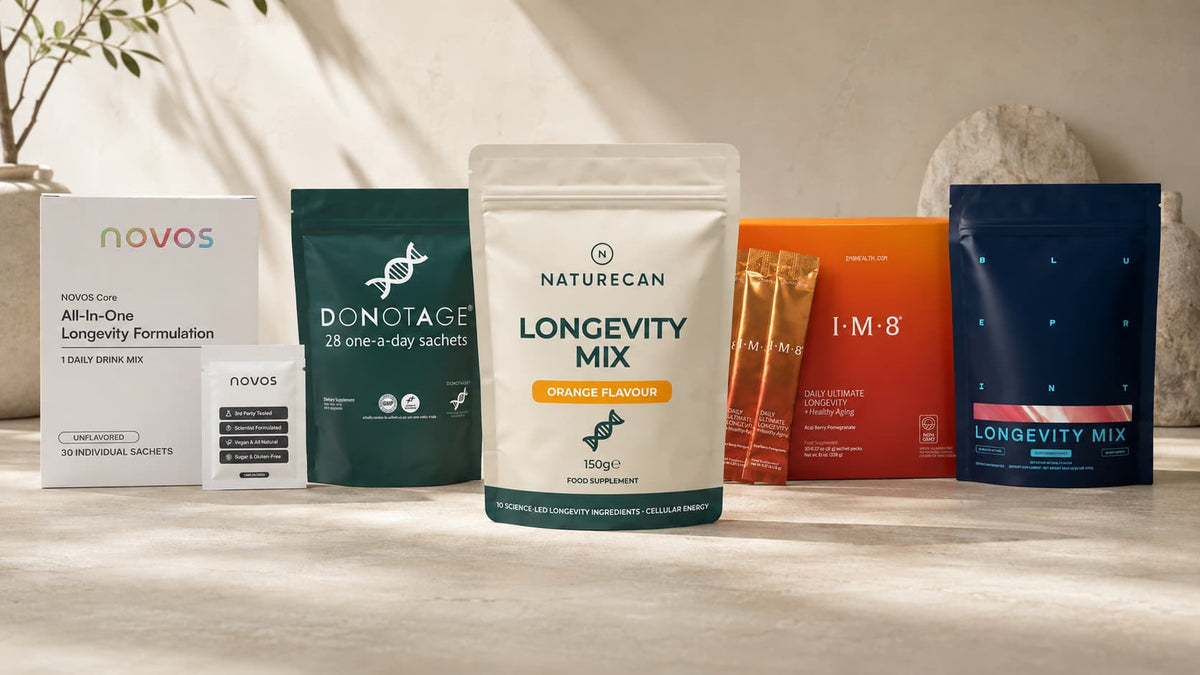
Longevity Mix Compared: What's Actually in IM8, NOVOS, DoNotAge, Blueprint & Naturecan
We compare the Longevity Mix formulas from Naturecan, IM8, NOVOS, DoNotAge and Blueprint side by side on disclosed ingredients, finished-product evidence, price and UK/EU safety rules, not marketing language.
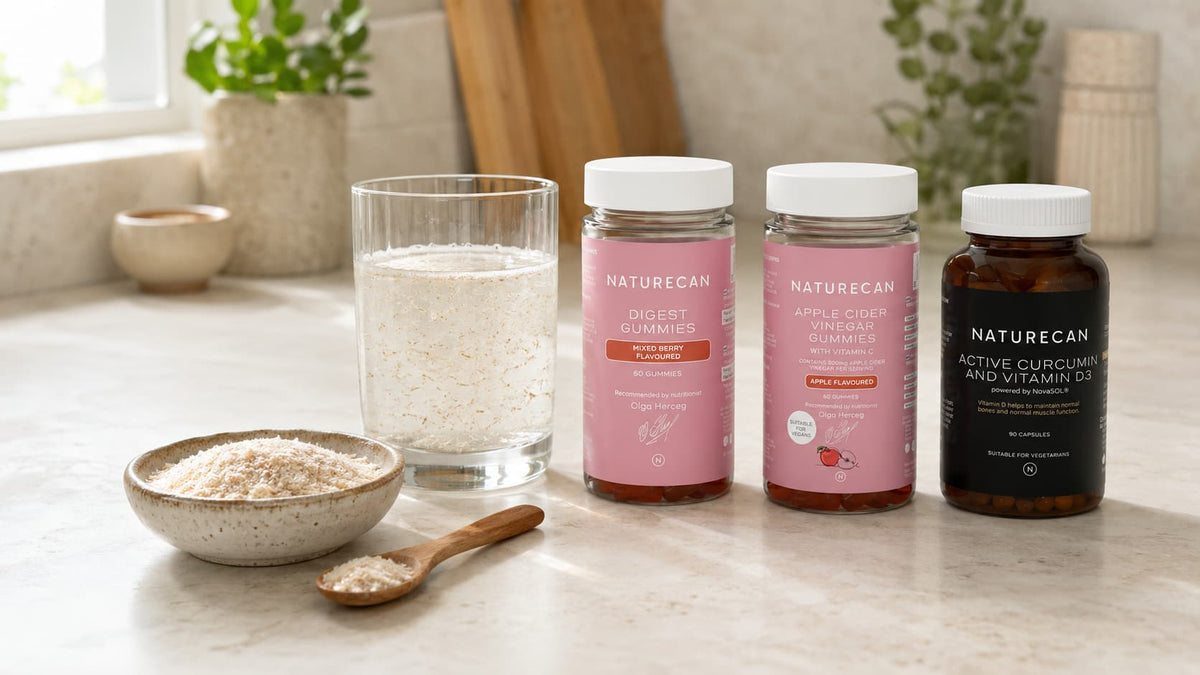
Psyllium Husk: What It Is, Benefits, How to Use & Is It Safe?
What psyllium husk is, the evidence behind its benefits for digestion, cholesterol and blood sugar, and how to use it safely as a powder, whole husk or in capsules.
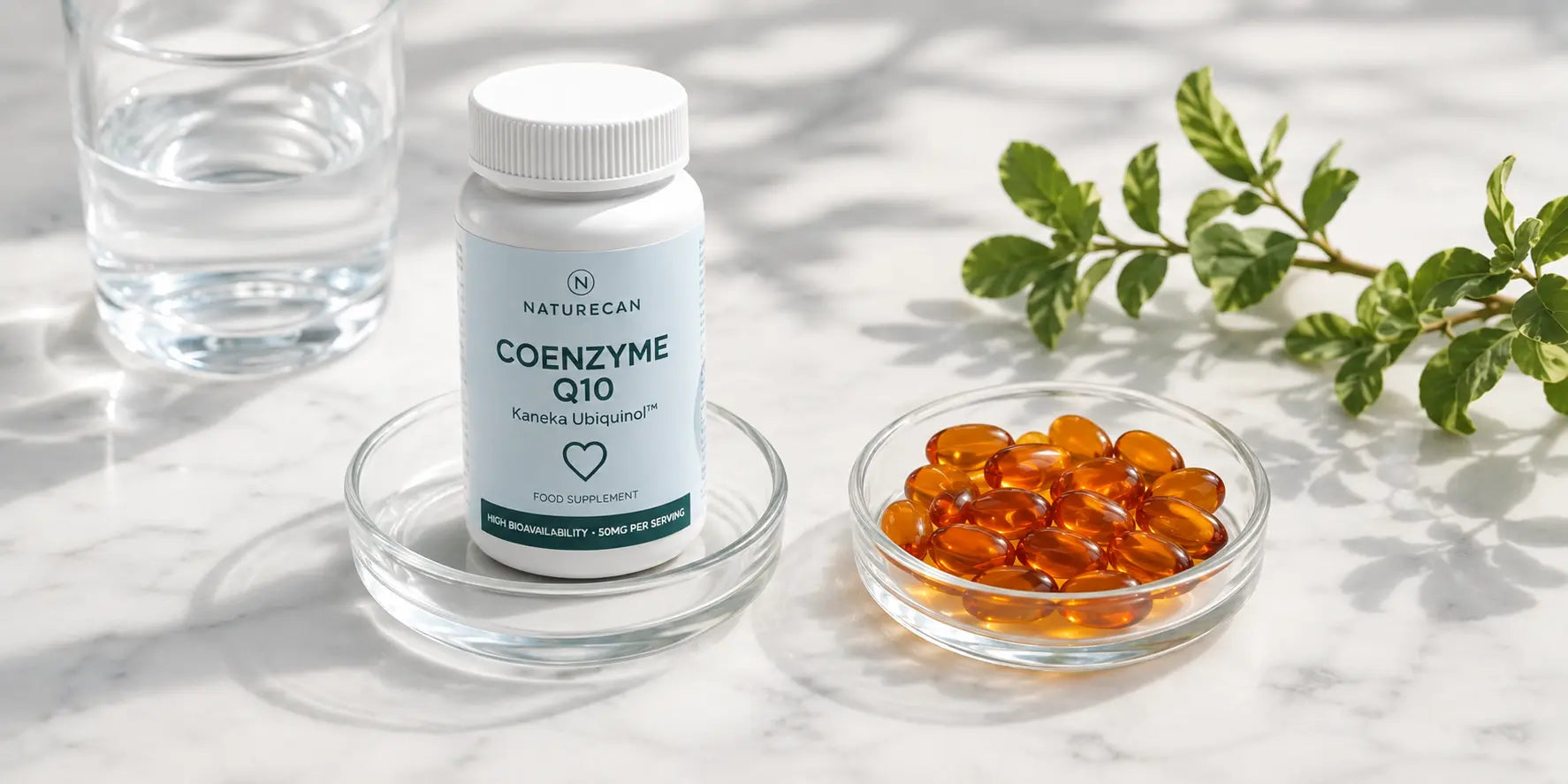
Ubiquinol vs CoQ10: What's the Difference and Which Should You Take?
Ubiquinol and CoQ10 are related but not identical - here's what the evidence says about absorption, benefits and how to choose the right form for your age and health.


