

Your 40s bring hormonal and nutritional shifts that diet alone may not fully address. This guide cuts through the noise with evidence-backed supplement recommendations across seven key health concerns, from bone health and energy to menopause support.
The Best Supplements & Vitamins for Women Over 40:
A Complete Guide (UK 2026)

Published:
Written by Becky Burrows & reviewed by Paul Holmes.
Executive Summary
Your 40s are when your body’s nutritional needs shift meaningfully. Here’s what this guide covers and why it matters:
- Why your needs change after 40 - Hormonal shifts (including perimenopause, which can begin earlier than many expect) and reduced nutrient absorption mean diet alone may not cover every gap.
- The key nutrients to know - Vitamin D3/K2, magnesium, omega-3 and collagen peptides are among the most relevant for energy, bone health, skin, mood and hormonal balance at this life stage.
- Seven health concerns, seven sections - Each section covers a specific concern (from menopause support to healthy ageing), explains the science, and links to relevant Naturecan products.
- Evidence-led, not generic - Every recommendation is backed by PubMed, NHS or BDA-sourced research, with 11 references and honest framing of where the science is still emerging.
- What to be careful with - Includes a balanced section on supplements to approach with caution, including iron (test before you supplement) and fat-soluble vitamins at high doses.
What's your health concern?
Jump straight to the section most relevant to you:
Click any concern above to jump to that section, or read the full guide below.
Quick Picks: Best Supplements for Women Over 40 at a Glance
Not sure where to start? Here's a quick overview of the top picks for the most common concerns women over 40 face.
| Concern | Best Supplement | Naturecan Product |
|---|---|---|
| Menopause / perimenopause | Lifenol (hops extract) + Vitamin D3/K2 + Omega-3 | Menopause Support Capsules / Menopause Support Bundle |
| Energy and tiredness | Magnesium + Vitamin D3/K2 + Omega-3 | Essentials Bundle |
| Skin, hair and nails | Collagen Peptides + Silica + Vitamin C | Collagen Peptides / Skin, Hair & Nails Bundle |
| Bone health | Vitamin D3 + K2 + Calcium + Collagen | Essentials Bundle / Joints Bundle |
| Cognitive wellbeing | Omega-3 (EPA/DHA) | Essentials Bundle |
| Healthy ageing | NMN + Resveratrol + CoQ10 | Complete Longevity Bundle |
| Nutritional baseline | Multivitamin | Vegan Multivitamin Capsules |


Why Nutritional Needs Change After 40
The body's relationship with nutrition doesn't stay static. From your early 40s onwards, a series of biological shifts begin to alter how well you absorb, store and use key nutrients and food alone may not always bridge every gap.
Hormonal Changes and Perimenopause
Perimenopause - the transition phase leading up to menopause - can begin as early as the mid-30s for some women, and is well underway for many in their 40s. Declining oestrogen levels affect more than reproductive function.
Oestrogen plays a role in calcium absorption, bone protection and serotonin regulation, which means falling levels can influence bone density, sleep quality and mood. Not every woman in her 40s will be in perimenopause, but hormonal fluctuation of some degree is common from this decade onwards.
Reduced Nutrient Absorption with Age
The stomach produces less hydrochloric acid as we age, which can reduce the absorption of nutrients including Vitamin B12, calcium and iron. B12 deficiency is notably prevalent in older adults and may go undetected for years (1). Vitamin D absorption from food also becomes less efficient, while sun exposure - the body's primary source - is limited in the UK for much of the year (2).
The NHS recommends that all adults consider a Vitamin D supplement, particularly between October and March.
Diet Gaps and Lifestyle Factors
Even a well-balanced diet may not reliably cover every micronutrient need post-40. Factors including reduced caloric intake, digestive changes, stress and disrupted sleep can all affect nutritional status.
The NHS and British Dietetic Association recognise that certain groups, including women over 40, may benefit from targeted supplementation to fill these gaps (3).

GOOD TO KNOW
Blood testing is one of the most reliable ways to identify nutrient deficiencies before symptoms become noticeable. A GP or private health check can screen for common shortfalls including Vitamin B12, Vitamin D, iron and ferritin, giving you a clearer picture of where supplementation may genuinely help.
Key Micronutrients Post-40: A Quick Reference
| Key nutrient | Why it matters post-40 | Main food sources |
|---|---|---|
| Vitamin D | Bone density, immunity, mood | Oily fish, fortified foods, sunlight |
| Vitamin B12 | Energy, nerve function, cognition | Meat, eggs, dairy, fortified plant milks |
| Calcium | Bone and muscle function | Dairy, leafy greens, fortified alternatives |
| Iron | Oxygen transport, energy | Red meat, lentils, fortified cereals |
| Magnesium | Sleep, muscle relaxation, mood | Nuts, seeds, wholegrains, leafy veg |
| Folate (B9) | Cell repair, cardiovascular health | Leafy greens, legumes, fortified foods |

Best Natural Supplements for Menopause
From hot flushes and disrupted sleep to mood changes, menopause affects every woman differently. Discover the science-backed supplements that may help ease the transition, including Lifenol®, CBD, magnesium and more.
Read More1. Best Supplements for Menopause & Perimenopause Support
Perimenopause is characterised by fluctuating oestrogen and progesterone levels, which can lead to disrupted sleep, mood changes, irregular cycles, low energy and joint discomfort. Targeted supplementation may help support nutritional gaps during this transition - and is best considered alongside, not instead of, medical guidance including advice on HRT if appropriate.
Scientific evidence
Lifenol is a natural, hormone-free hops extract that works by mimicking the effects of oestrogen in the body, helping to ease hot flushes, night sweats and disrupted sleep. Three placebo-controlled randomised trials have reported significant reductions in hot flush frequency and severity, alongside improvements in sleep and quality of life, with no adverse effects reported (18, 19, 20).
Supporting supplements include Vegan Omega-3, which may support mood and cognitive health during this transition (10), and Vitamin D3/K2, which contributes to normal calcium absorption and bone maintenance as declining oestrogen can accelerate bone loss (2, 9). These supplements are best considered alongside medical guidance, including advice on HRT where appropriate.
How each supplement works
- Lifenol: Best taken at the same time each day, morning or evening, with benefits becoming more pronounced from 6 to 16 weeks of consistent use.
- Vegan Omega-3 (algal oil): Provides DHA and EPA. Fat-soluble, so best taken with a meal for optimal absorption.
- Vitamin D3 & K2: Work synergistically - D3 enhances calcium absorption in the gut, while K2 directs calcium toward bone tissue. Best taken with a fat-containing meal.


Menopause Support Capsules / Menopause Support Bundle
Our pick for menopause support: Lifenol-powered, hormone-free and built around the evidence. Or explore our full menopause supplements range today.
AT A GLANCE
- Menopause Support Capsules - 85mg Lifenol per capsule, clean and hormone-free
- Menopause Support Bundle - Lifenol + Vegan Omega-3 + Vitamin D3/K2 in one convenient package
- Available individually or as a bundle
Not sure whether the changes you’re experiencing could be linked to perimenopause or menopause? Take our quick menopause test to better understand your symptoms and discover relevant support options.
2. Best Supplements for Energy & Tiredness After 40
If you find yourself consistently tired after 40, you are not imagining it. Hormonal shifts, disrupted sleep and the cumulative demands of everyday life all contribute to lower energy reserves at this life stage. Magnesium, Vitamin D and Omega-3 are among the most commonly insufficient nutrients in UK women, and each plays a distinct role in energy, muscle function and mood that is directly relevant here.
Scientific evidence
Magnesium contributes to normal energy-yielding metabolism and the reduction of tiredness and fatigue. A 2017 review in Nutrients found magnesium supplementation was associated with reductions in fatigue and stress in adults - particularly relevant given how commonly insufficiency is reported in women over 40 (4).
Vitamin D3 contributes to normal muscle function, and low vitamin D status has been associated with fatigue and low mood. The NHS estimates 1 in 5 UK adults has low vitamin D levels (2, 12).
Omega-3 fatty acids (EPA and DHA) have been studied for their role in mood and cognitive energy, with a 2020 meta-analysis finding higher intake associated with improved cognitive performance in midlife adults (10).
Practical framing
- Magnesium bisglycinate: A well-absorbed form suited to evening use, where it may also support sleep quality - itself a significant driver of daytime fatigue.
- Vitamin D3 & Omega-3: Both fat-soluble, so best taken with a meal for optimal absorption.
- Persistent tiredness? If fatigue could be linked to iron deficiency, a GP blood test should be the first step before supplementing, as excess iron can be harmful.


Essentials Bundle
Three of the most commonly insufficient nutrients for women over 40, covered in one daily bundle.
AT A GLANCE
- Essentials Bundle - Magnesium Bisglycinate + Vitamin D3/K2 + Vegan Omega-3 in one convenient daily format
- Targets three of the most commonly insufficient nutrients for women over 40
- Available individually or as a bundle
3. Best Supplements for Skin, Hair, Nails & Collagen After 40
Collagen production begins to decline from the mid-30s, accelerating through the 40s. By this point, many women notice changes in skin elasticity and hydration, slower-growing nails, and shifts in hair thickness and texture. Supplementation with collagen peptides, Vitamin C and complementary nutrients may support the body's natural collagen synthesis processes and contribute to skin hydration.
Scientific evidence
A randomised controlled trial found hydrolysed collagen peptide supplementation was associated with improvements in skin elasticity and hydration after 8 weeks (8). Vitamin C is an essential cofactor in collagen biosynthesis and contributes to normal collagen formation (EFSA-authorised), while Biotin contributes to the maintenance of normal hair and skin (EFSA-authorised).
Silica, in the form of bioavailable orthosilicic acid, has been investigated for its role in connective tissue health, with research suggesting it contributes to the maintenance of normal hair and skin and supports collagen cross-linking and the structural integrity of skin, hair and nails (21, 22).
How these nutrients work
- Hydrolysed Collagen Peptides: Broken down for improved bioavailability, these peptides are thought to signal fibroblasts to produce collagen in the skin.
- Vitamin C: Works synergistically alongside collagen supplementation and should ideally be taken together.
- Biotin: Supports keratin structure, which underpins both hair and nail integrity.
- Silica (Bloosil): A plant-derived, bioavailable source of silicon that supports collagen synthesis and structural proteins including keratin and elastin, contributing to the strength and resilience of hair, nails and connective tissue.


Skin, Hair & Nails Bundle / Collagen Peptides
Three complementary nutrients for skin, hair and nails, brought together in one convenient bundle.
AT A GLANCE
- Skin, Hair & Nails Bundle - VERISOL Collagen Peptides + Bloosil Silica + Vitamin C in one package
- Includes 300g collagen powder (multiple flavours or unflavoured) + 60 silica and 60 Vitamin C capsules
- Prefer a standalone? Collagen Peptides are also available individually
Skin Age Calculator
4. Best Supplements for Bone Health After 40
Bone density loss tends to accelerate after menopause, but the foundations of skeletal health are laid in the years before. Your 40s are a critical window for investing in bone-supportive nutrients, not because damage is inevitable, but because the groundwork you lay now influences long-term resilience. Oestrogen plays a key role in bone remodelling, and as levels begin to shift during perimenopause, nutritional support becomes increasingly relevant.
Scientific evidence
NHS guidance identifies calcium and Vitamin D as the two most important nutrients for bone health in adults (2). Vitamin D facilitates calcium absorption in the gut; without adequate Vitamin D, dietary calcium cannot be efficiently used. Vitamin K2 has attracted increasing research interest for its role in directing calcium towards bone tissue rather than arterial walls - a distinction that has been explored in several PubMed-indexed trials (9).
Magnesium is involved in bone mineralisation and in activating Vitamin D, making it a useful companion nutrient in any bone health strategy.
Working together, not in isolation
- Better together: These nutrients work most effectively in combination rather than in isolation.
- Vitamin D: The NHS recommends 10mcg daily for all UK adults, particularly between October and March when sunlight is insufficient for synthesis.
- Calcium: The Reference Nutrient Intake (RNI) for adults is 700mg per day (15).
- Vitamin K2: Worth noting for those on blood-thinning medication such as warfarin - speak to your GP before adding K2 to your regimen.


Essentials Bundle / Joints Bundle
From everyday bone support to comprehensive joint care, Naturecan has a bundle to match your needs.
AT A GLANCE
- Essentials Bundle - Vitamin D3/K2 plus other core nutrients for daily bone-supportive foundation
- Basic Joints Bundle - Calcium Citrate Malate + Vitamin D3/K2 for normal bones and calcium absorption (EFSA-authorised)
- Premium Joints Bundle - Adds Collagen Peptides, Vegan Omega-3, Active Curcumin, MSM Powder and CBD Joint Balm for broader structural support
- Please note: Those taking anticoagulant medication should consult a GP before use
5. Best Supplements for Cognitive Wellbeing After 40
Brain fog, difficulty concentrating and mood fluctuations are commonly reported during perimenopause and the years around 40. While these experiences are often hormonal in origin, nutritional factors can also play a meaningful role. Omega-3 fatty acids, Vitamin B12 and magnesium are among the nutrients most commonly linked to cognitive and mood support in the research literature, and each operates through distinct mechanisms.
Scientific evidence
Omega-3 fatty acids, particularly EPA and DHA, are structural components of brain cell membranes and have been the subject of extensive cognitive health research.
A 2020 meta-analysis in Frontiers in Ageing Neuroscience found that higher omega-3 intake was associated with improved cognitive performance in midlife adults (10).
Vitamin B12 contributes to normal psychological function, an EFSA-authorised claim, and deficiency has been linked to cognitive decline in observational studies. Magnesium plays a role in NMDA receptor function, which is involved in learning and memory; a randomised trial published in PLOS ONE found that magnesium supplementation was associated with improvements in subjective measures of mood and stress in adults (16).
Practical guidance
- Omega-3: Look for a high EPA ratio if mood support is a priority - EPA is more consistently linked to emotional wellbeing than DHA in the literature.
- Magnesium Bisglycinate: The most bioavailable form of magnesium, well suited to evening use.
- Omega-3 & Vitamin D3: Both fat-soluble - best taken with a meal containing healthy fats for optimal absorption.


Essentials Bundle
Key nutrients for cognitive and mood support, combined in one daily bundle.
AT A GLANCE
- Essentials Bundle - Vegan Omega-3 + Magnesium Bisglycinate + Vitamin D3/K2 in one convenient daily format
- Covers key nutrients relevant to cognitive and mood support
- Best taken: Omega-3 and D3 with a meal; Magnesium in the evening
6. Best Supplements for Healthy Ageing & Longevity
Longevity supplementation is one of the fastest-growing areas of nutritional science. At 40, cellular health and energy production are already showing the early effects of ageing at a molecular level - and an emerging body of research suggests that certain compounds may support these processes. It is important to be clear: this is a developing field with promising but not yet definitive evidence. The supplements covered here are best approached as a considered investment in long-term wellbeing, not a guaranteed solution.
Scientific evidence
NAD+ is a coenzyme central to cellular energy metabolism that declines significantly with age. NMN is a direct precursor to NAD+, and research published in Nature Metabolism found that NMN supplementation raised blood NAD+ levels in healthy adults (11).
Resveratrol, a polyphenol found in red grape skin, interacts with sirtuins - proteins involved in cellular stress response and longevity pathways - with a clinical trial reporting improvements in memory performance in older adults following supplementation (17). CoQ10 supports mitochondrial ATP production, and like NAD+, its endogenous levels decline with age.
What each supplement does
- NMN: May help restore cellular NAD+ levels, supporting energy metabolism at a mitochondrial level.
- Resveratrol: Thought to activate SIRT1, a sirtuin linked to cellular repair and stress resilience.
- CoQ10 (ubiquinol): Supports the electron transport chain in mitochondria - the process by which cells generate usable energy.


Complete Longevity Bundle / Healthy-Ageing Longevity Bundle
Targeted longevity nutrition, built around the ingredients that matter.
AT A GLANCE
- Complete Longevity Bundle - Ten supplements in one: NAC, NMN, Resveratrol, Vitamin D3/K2, Algae Omega-3, Triple Magnesium, Spermidine, Quercetin, Berberine and Fisetin
- Healthy-Ageing Longevity Bundle - NMN + Resveratrol with Rosmarinic Acid + NAC; available in 2 or 4 month supply
7. Best Supplements for Women Over 40: Multivitamins
A broad-spectrum multivitamin may serve as a practical nutritional baseline for women over 40 - not a substitute for a healthy diet, but a reliable way to cover micronutrient gaps that are common at this life stage. Women who are managing busy schedules, dietary restrictions, or the early signs of perimenopause are among those who may benefit most.
Scientific evidence
Research highlights several micronutrient shortfalls that are particularly common in UK women over 40. Vitamin D deficiency affects an estimated 1 in 5 adults in the UK, based on data from the National Diet and Nutrition Survey (2, 12). Studies published on PubMed suggest that inadequate Vitamin B12 is prevalent in women over 40, particularly those following plant-based diets, and may affect energy levels and neurological function (1).
The NHS and the BDA both acknowledge that diet alone can be insufficient, particularly for Vitamin D, B12 and folate.
What to look for
- Choose bioavailable forms: Look for methylcobalamin (B12) and D3 rather than D2, and avoid unnecessary fillers or artificial additives.
- Look for age-specific formulations: A multivitamin designed for women over 40 will typically include higher amounts of Vitamin D3, B12, calcium and folate.
- Know the limitations: Multivitamins offer a convenient broad-spectrum foundation but are not a replacement for targeted supplementation where a specific deficiency exists.


Multivitamins
A broad-spectrum foundation for daily nutrition, formulated without compromise.
AT A GLANCE
- Multivitamin Capsules - 27 essential vitamins and minerals in bioavailable forms, without unnecessary fillers
- Best used alongside: Targeted supplements where a specific deficiency has been identified.
- Suitable for: Vegans and vegetarians
Not sure which product to choose?
👉 Try our 2 minute quiz to find out.
Answer a few easy questions and let our product selector do the rest. We'll help you find exactly what your body and mind need.
💬 Have specific questions? Email us at support-uk@naturecan.com
Supplements Women Over 40 Should Be Careful With
Supplementation is not a 'more is better' situation. Knowing which supplements require extra care, and when to seek professional guidance, is just as important as knowing what to take.

Iron: only supplement with confirmed deficiency
Iron is essential but potentially harmful in excess. Unlike water-soluble vitamins, iron accumulates in the body and high levels have been associated with oxidative stress. Do not supplement iron without a GP blood test confirming deficiency.

Fat-soluble vitamins: risk of accumulation at high doses
Vitamins A, D, E and K are fat-soluble, meaning they are stored in body tissue rather than excreted. At high doses, typically well above recommended daily amounts, they can accumulate and cause toxicity. Stick to recommended doses and be cautious about stacking multiple supplements containing the same fat-soluble nutrients.

Herbal supplements: potential medication interactions
Some herbal supplements interact with prescription medications. St John's Wort, for example, is known to reduce the efficacy of contraceptives, antidepressants and some heart medications. Valerian, kava and ginkgo biloba also carry interaction risks. Always inform your GP or pharmacist of any herbal supplements you are taking.

General principle: targeted beats indiscriminate
Broad, evidence-based supplementation targeted to your specific needs is preferable to taking a large number of supplements without clear rationale. If you are unsure where to start, a consultation with a registered dietitian or your GP is the best first step.
Why choose Naturecan?
Why choose Naturecan?
Naturecan is a science-led wellness brand with over 250,000 customers across 40 countries.
Every supplement in our range is third-party tested for purity and potency, formulated in bioavailable forms, and free from unnecessary fillers or synthetic additives.
Our women's range is built around evidence-backed ingredients at meaningful doses - because we believe supplementation should be targeted, transparent and effective.
Explore the full range at Naturecan today, and If you have any questions or concerns, please feel free to
contact us at support-uk@naturecan.com
FAQs
What vitamins should women over 40 take daily?
Most women over 40 may benefit from Vitamin D3, Vitamin B12 and magnesium as a foundational daily trio, given how commonly these are insufficient in UK adults at this life stage. A broad-spectrum multivitamin can help cover additional gaps. Individual needs vary significantly, so it is worth considering a blood test to identify any confirmed deficiencies before committing to a specific regimen.
What is the best supplement for women over 40?
There is no single 'best' supplement - the most useful one depends on your health concerns and nutritional status. That said, Vitamin D3 is recommended for all UK adults by the NHS, making it arguably the most universally relevant. Alongside Vitamin D, B12 and magnesium are frequently cited as priority nutrients for women over 40. A well-formulated multivitamin offers a practical starting point.
Do women over 40 need a multivitamin?
Not everyone does, but many women over 40 may find a multivitamin a convenient way to cover common nutritional gaps - particularly for Vitamin D, B12 and folate. It is not a substitute for a varied, nutritious diet, but it can serve as a useful baseline. If you already take targeted supplements, check for overlap before adding a multivitamin.
What supplements should women over 40 take for menopause?
Lifenol (hops extract) is the most clinically investigated plant-based option for vasomotor symptoms such as hot flushes, with three placebo-controlled trials supporting its use (18, 19, 20). Vitamin D3/K2 and Omega-3 are also relevant for bone and cardiovascular health during this transition. These are best considered as complementary to, not a replacement for, medical advice - including guidance on HRT from your GP. Naturecan's Menopause Support Capsules and Menopause Support Bundle are formulated for this life stage.
What vitamins are good for tiredness in women over 40?
Vitamin B12 is the most directly relevant for tiredness and fatigue, contributing to normal energy metabolism per EFSA. CoQ10 may also support cellular energy production. If persistent tiredness could be related to iron deficiency, have a blood test with your GP before supplementing with iron.
Is collagen worth taking after 40?
The evidence base for hydrolysed collagen peptides is encouraging, particularly for skin hydration and elasticity. Studies suggest consistent daily use over 8 or more weeks is typically required to notice a difference. Collagen is not a miracle ingredient, but it is one of the better-researched supplements in the beauty nutrition space.
What supplements help support skin after 40?
Hydrolysed collagen peptides (VERISOL), bioavailable silica (Bloosil), Vitamin C and hyaluronic acid are the most evidence-backed options for skin, hair and nail support. Vitamin C is particularly important as a cofactor in collagen synthesis and works best when taken alongside collagen peptides. Silica supports connective tissue structure and has been associated with improved hair tensile strength and reduced nail brittleness (21). Naturecan's Skin, Hair & Nails Bundle combines these three key nutrients in a convenient format.
What supplements should women over 40 avoid?
Women over 40 should be cautious about self-supplementing iron without a confirmed deficiency, exceeding recommended doses of fat-soluble vitamins (A, D, E, K), and taking herbal supplements such as St John's Wort without checking for medication interactions. When in doubt, speak to a GP or registered dietitian.
What is the best supplement for perimenopause?
Lifenol (hops extract), the active ingredient in Naturecan's Menopause Support Capsules, is among the most clinically researched plant-based options for perimenopause. Three randomised placebo-controlled trials have reported significant reductions in hot flush frequency and improvements in sleep and quality of life (18, 19, 20). For a more comprehensive approach combining Lifenol with Omega-3 and Vitamin D3/K2, the Menopause Support Bundle addresses multiple aspects of perimenopausal wellbeing in a single package.
What is the best time of day to take supplements?
Timing can affect absorption and tolerability. B vitamins and water-soluble vitamins are generally taken in the morning. Fat-soluble vitamins (D, K, A, E) and omega-3 are best taken with a meal containing fat. Magnesium glycinate is well suited to evening use given its relaxing properties. CoQ10 is also best taken with food.
Can you take several supplements together?
Many supplements can be taken together without issue, but some combinations require attention. Calcium and iron compete for absorption and are best taken at separate times of day. Fat-soluble vitamins can accumulate, so avoid excessive overlap across products. If you are taking prescribed medication, always check for potential interactions with your GP or pharmacist before combining supplements.
What supplements should women over 40 take for bone health?
Vitamin D3, calcium and magnesium form the core bone health trio, with Vitamin K2 increasingly included for its role in directing calcium to bone tissue. The NHS recommends 10mcg of Vitamin D daily for all UK adults. The Joints Bundle offers a structured approach to bone and joint support - the Basic tier covers calcium and Vitamin D3/K2, while the Premium tier adds collagen peptides, omega-3, curcumin and MSM for more comprehensive support. If you are on blood-thinning medication, speak to your GP before adding Vitamin K2.
Healthcare note: Always consult a GP or registered dietitian before starting a new supplement regimen, particularly if you are pregnant, breastfeeding, or taking prescribed medication.

Reviewed by Paul Holmes
Director of Science and Innovation at Naturecan
Testing for large pharmaceutical & tobacco companies, Paul has built a wealth of scientific and regulatory knowledge, working on regulatory submissions to bodies such as the FDA and the MHRA.
He holds a BSc in Medicinal and Biological Chemistry and sits on the UKAS CBD Food Product Approval Expert Group.
Discover our Naturecan Blog

Low FODMAP Diet: How It Affects Gut Bacteria, Prebiotics & Probiotics
Discover how the low FODMAP diet affects gut bacteria and IBS symptoms. Explore the role of prebiotics and probiotics, simple food swaps, and practical tips for supporting gut health while maintaining a balanced diet.
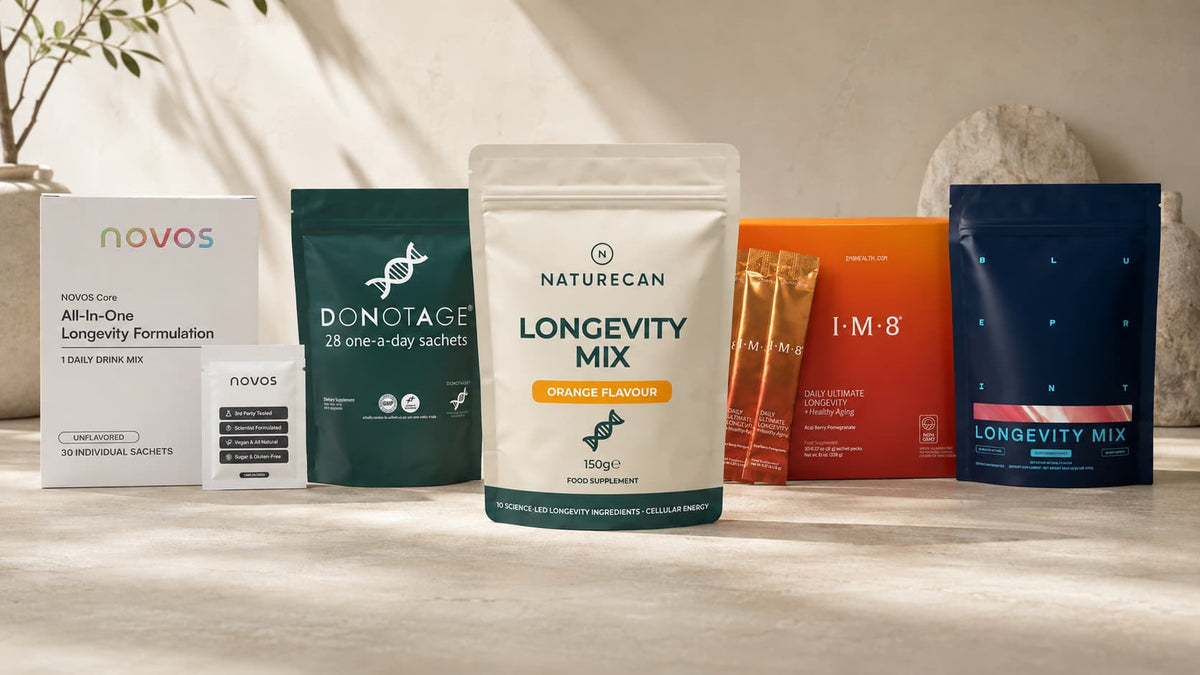
Longevity Mix Compared: What's Actually in IM8, NOVOS, DoNotAge, Blueprint & Naturecan
We compare the Longevity Mix formulas from Naturecan, IM8, NOVOS, DoNotAge and Blueprint side by side on disclosed ingredients, finished-product evidence, price and UK/EU safety rules, not marketing language.
Psyllium Husk: What It Is, Benefits, How to Use & Is It Safe?
What psyllium husk is, the evidence behind its benefits for digestion, cholesterol and blood sugar, and how to use it safely as a powder, whole husk or in capsules.


