

Best Supplements for PMS & Period Cramps
Evidence-based support for PMS symptoms and menstrual cramps

10 min read | Published:
Written by Becky Burrows & Reviewed by Paul Holmes.

Every month, the week or so before your period can bring its own weather system: mood swings, bloating, sore breasts, and cramps that arrive right on schedule. If you've started searching for pms supplements that actually do something, you're not alone - magnesium, vitamin B6, omega-3 and zinc are among the most studied options for easing both PMS symptoms and period pain.
This guide walks through what the evidence says about each, how to choose the right form and dose, and where Naturecan's range fits in, so you can build a routine that targets your specific symptoms rather than guessing.
In this article
- The best-evidenced nutrients for PMS and period pain, including magnesium, vitamin B6, omega-3 and zinc, and where each one is strongest.
- The science behind why these nutrients ease PMS and period cramps.
- How to choose the right form and dose (magnesium glycinate vs citrate), plus common mistakes to avoid.
- A closer look at the evidence for period pain, period bloating and evening primrose oil specifically, including where the research is genuinely mixed.
- A quick-reference table of studied doses.
- Answers to 11 common questions, from symptoms and timing to PMS vs. early pregnancy.
What is PMS?
Premenstrual syndrome (PMS) covers the physical and emotional symptoms that build in the days before your period, typically easing once bleeding starts [1]. For most women, symptoms are mild, but for some they're disruptive enough to interfere with work, relationships and daily life [1,2].
The classic signs your period is coming - bloating, breast tenderness, irritability, headaches and period fatigue - sit alongside dysmenorrhea, the medical term for the cramping pain most people simply call period pain. Some women describe the whole cluster as "period flu", because the fatigue, aches and low mood can genuinely mimic a mild illness.
Rather than treating PMS and period cramps as separate problems, it makes sense to look at them together, since several nutrients - magnesium, vitamin B6, omega-3 and zinc - have been studied for both. If you're building a broader supplement routine around your cycle, our best supplements for women collection is a good starting point. Below, we've narrowed things down to the specific pms supplements with the strongest evidence behind them.


The Science: Why These Nutrients Help
Many PMS and period-pain symptoms trace back to what happens hormonally in the two weeks before your period - the luteal phase symptoms cluster shows up as oestrogen and progesterone shift, and several supplement trials start from the observation that women with more pronounced symptoms often report lower magnesium status, though findings across individual studies aren't fully consistent [3].
Magnesium contributes to normal muscle and nervous system function [4]. This matters because period cramps are essentially the uterine muscle contracting more forcefully than it needs to in order to shed its lining. Primary dysmenorrhoea is associated with increased prostaglandin activity, which can trigger stronger uterine contractions and cramping [7].
Vitamin B6 contributes to normal psychological function and also contributes to the regulation of hormonal activity [10,11]. Omega-3 long-chain fatty acids (EPA and DHA) have been studied in relation to dysmenorrhoea; a 2024 systematic review found consistent outcomes across trials. As with all nutrients, omega-3s should be taken as part of a varied diet [9].
Not sure whether your changing symptoms could actually be linked to perimenopause? Take our menopause test or read our guide to perimenopause today.
How to Choose and Use PMS Supplements: Dosage and Timing

1

2

3

4
Common mistakes to avoid
- Taking magnesium only during "PMS week" and stopping as soon as symptoms ease, rather than supplementing consistently across the cycle.
- Reaching for magnesium oxide by default because it's cheap and widely available, when it's actually the least well-absorbed common form.
- Assuming "more is better" with vitamin B6 - very high doses taken over long periods have been linked to nerve problems, so most trials use no more than 80–100mg a day. [10,11]
- Expecting evening primrose oil to be a strong standalone fix - the evidence for it is genuinely mixed (more on that below).
Featured Supplements
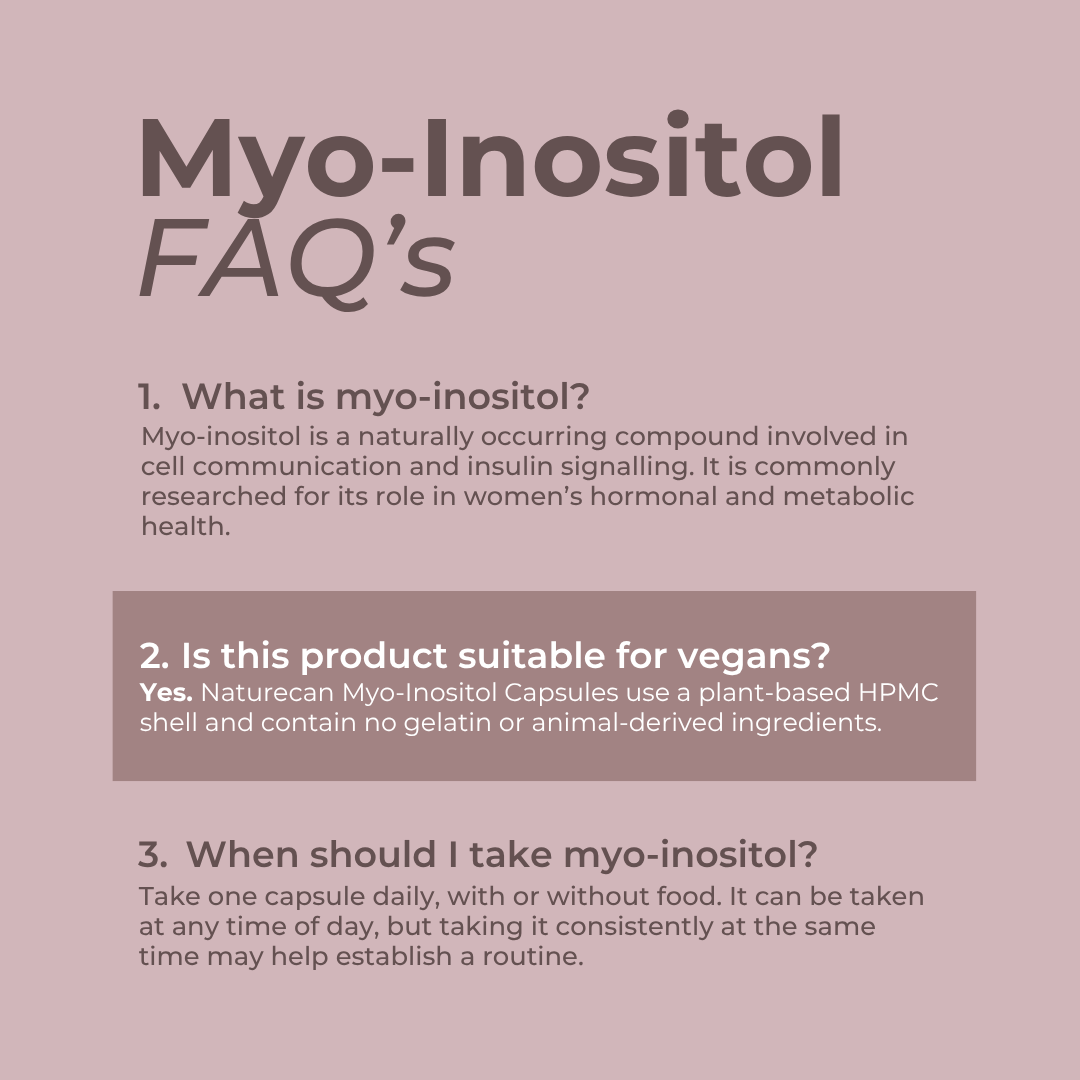
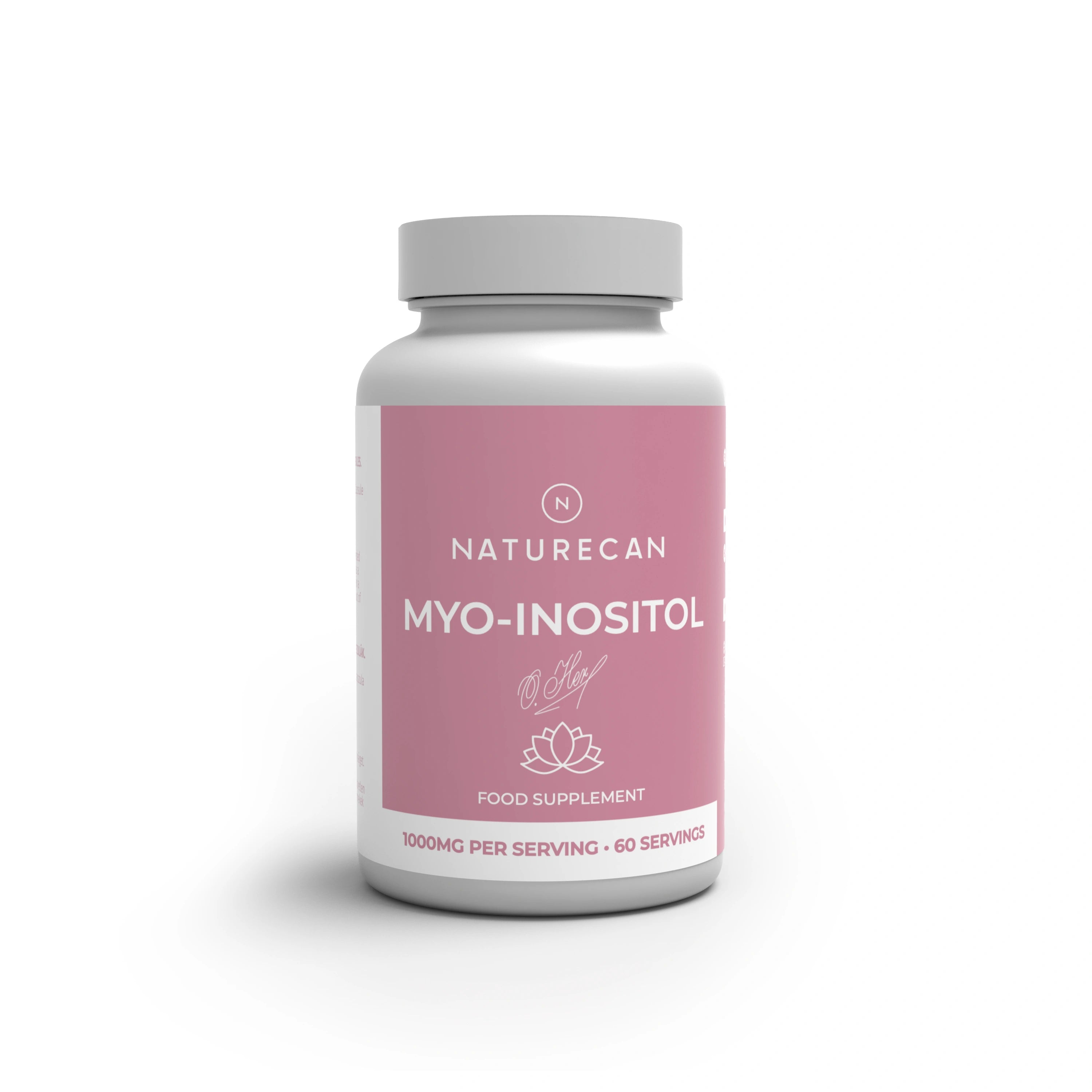
Myo Inositol Capsules
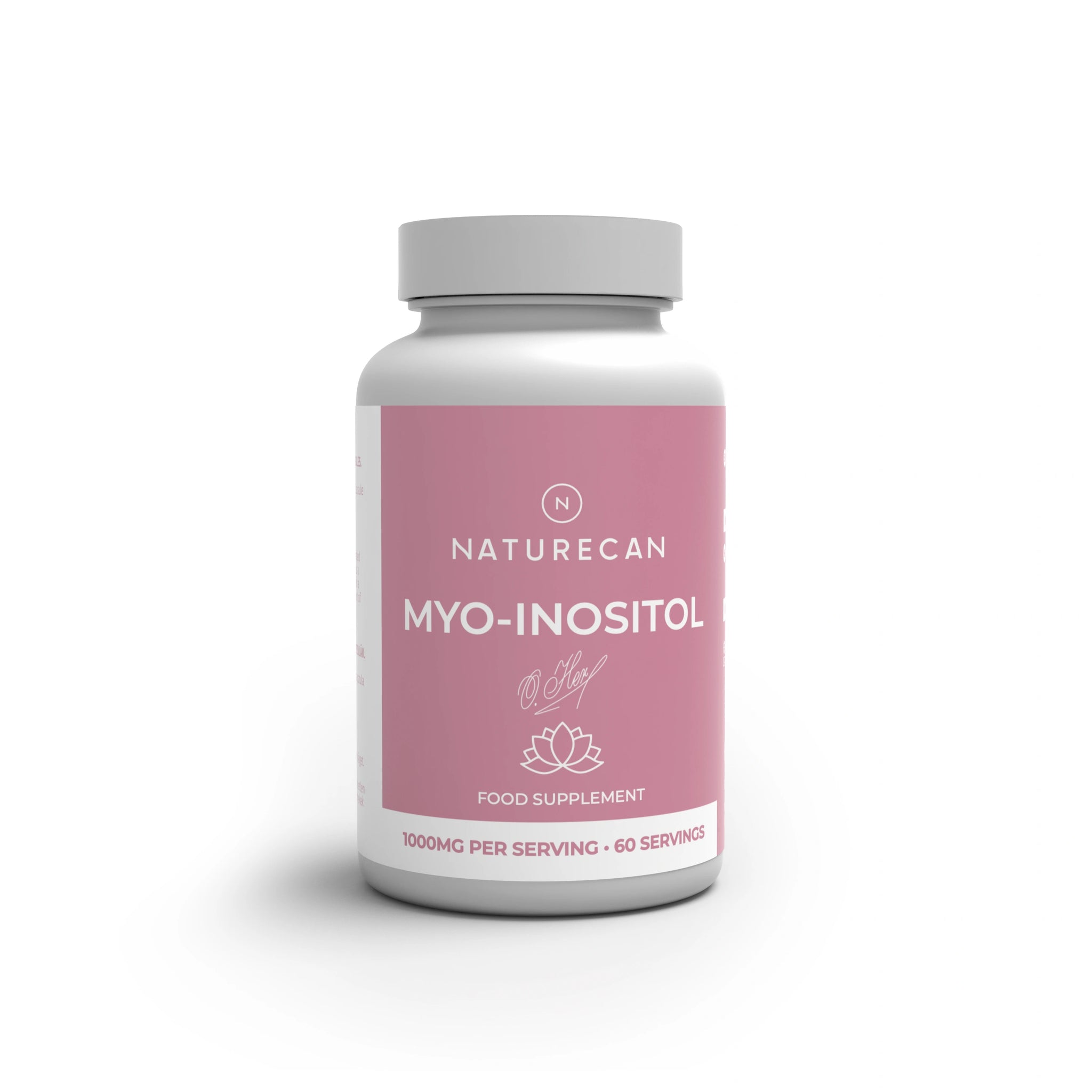
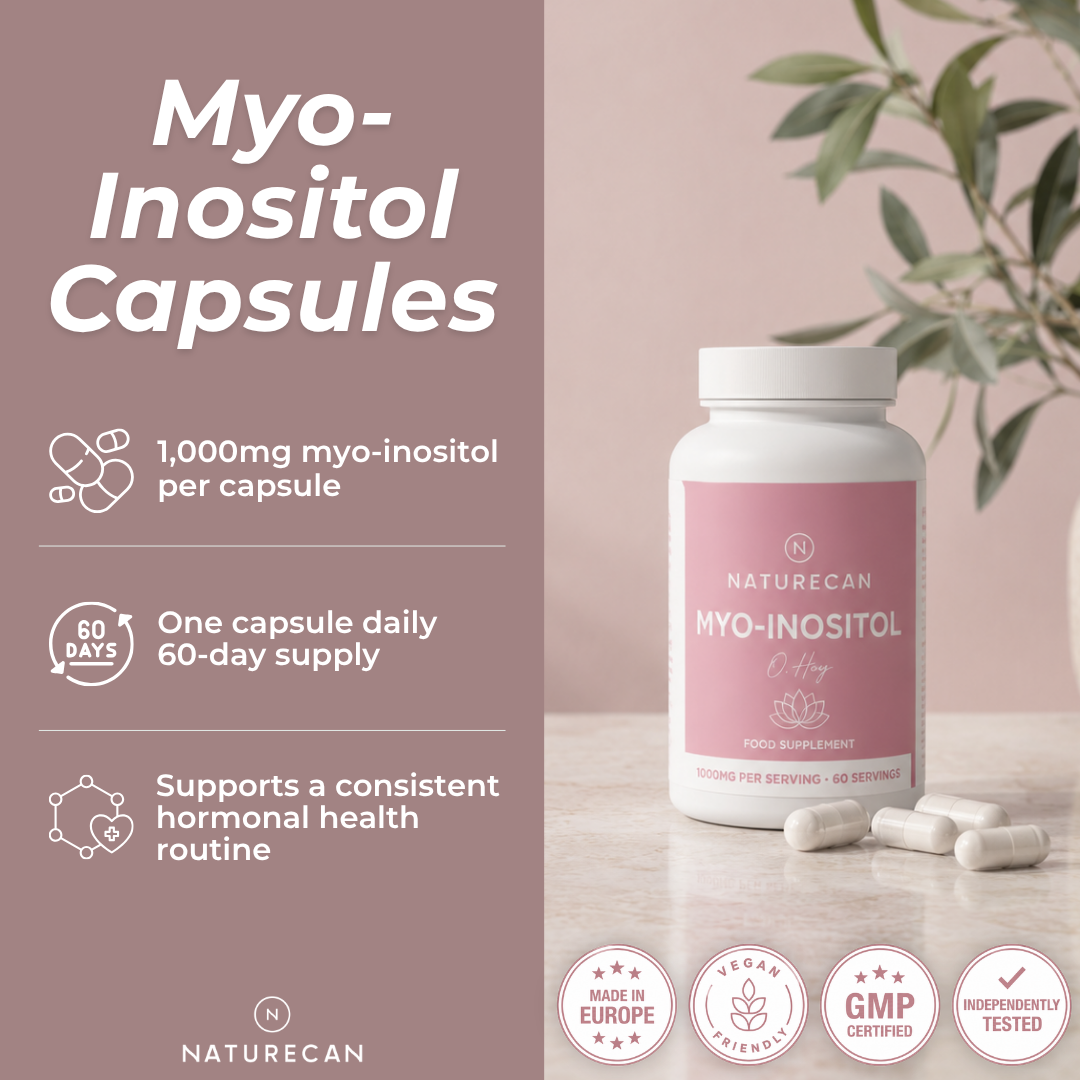
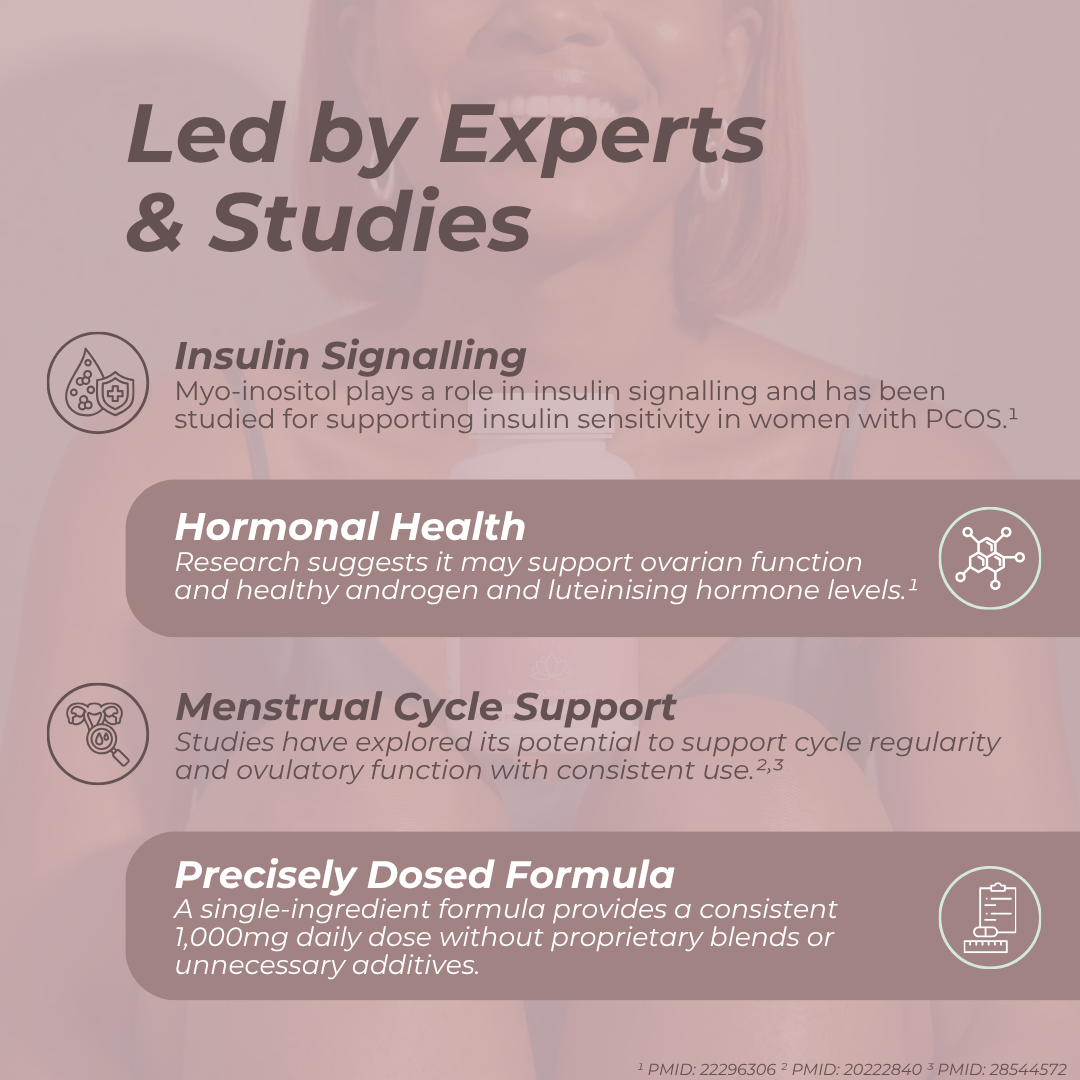
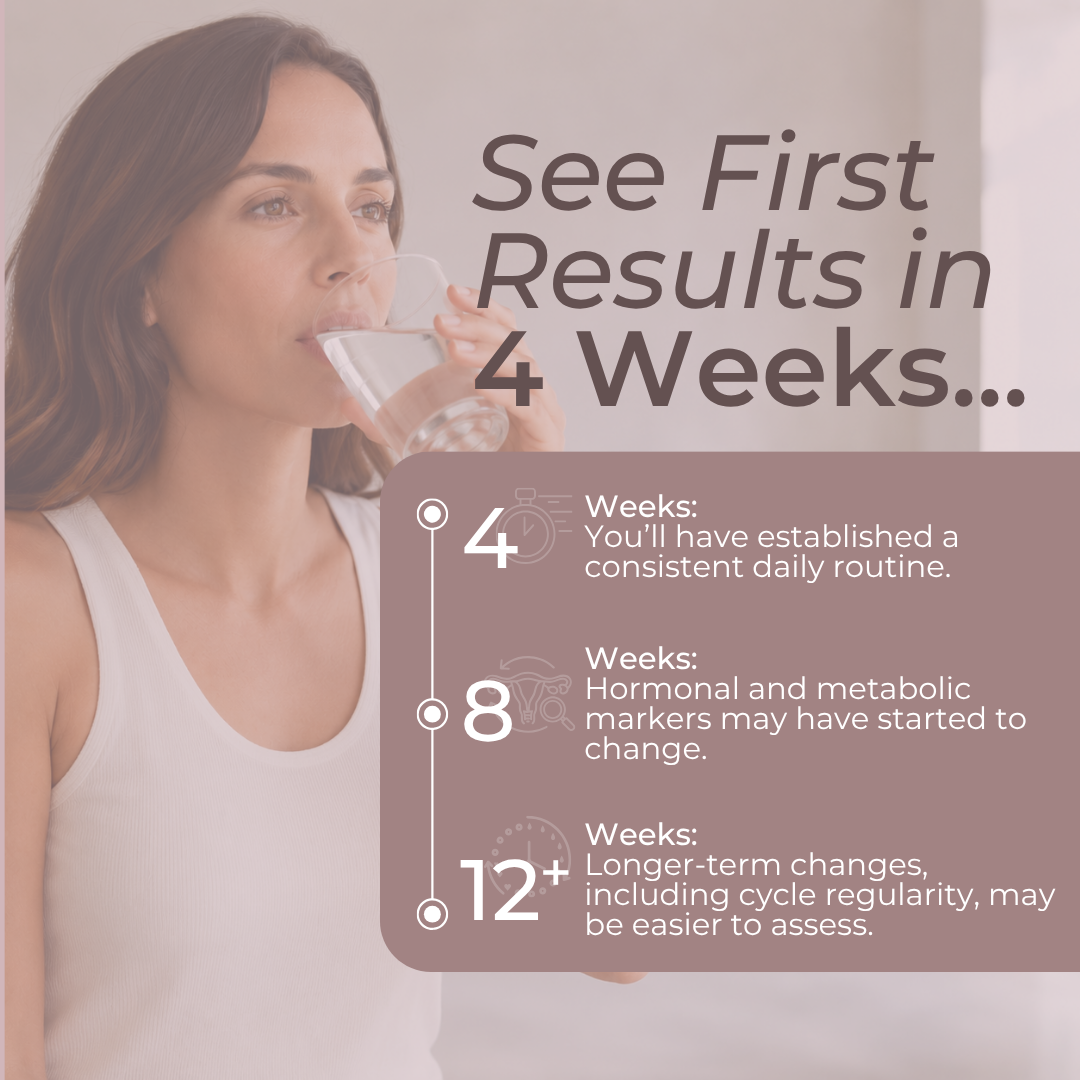
Myo inositol is one of nature's most researched compounds for women's hormonal health, and Naturecan's Myo Inositol Capsules deliver a clean, concentrated 1,000mg dose in every capsule.
If you're navigating irregular cycles, or hormonal imbalance, this is a research-backed, single-ingredient supplement built for precision.
To learn more about inositol and its benefits, read our article on What Is Inositol? Benefits, Uses & How to Take Myo-Inositol
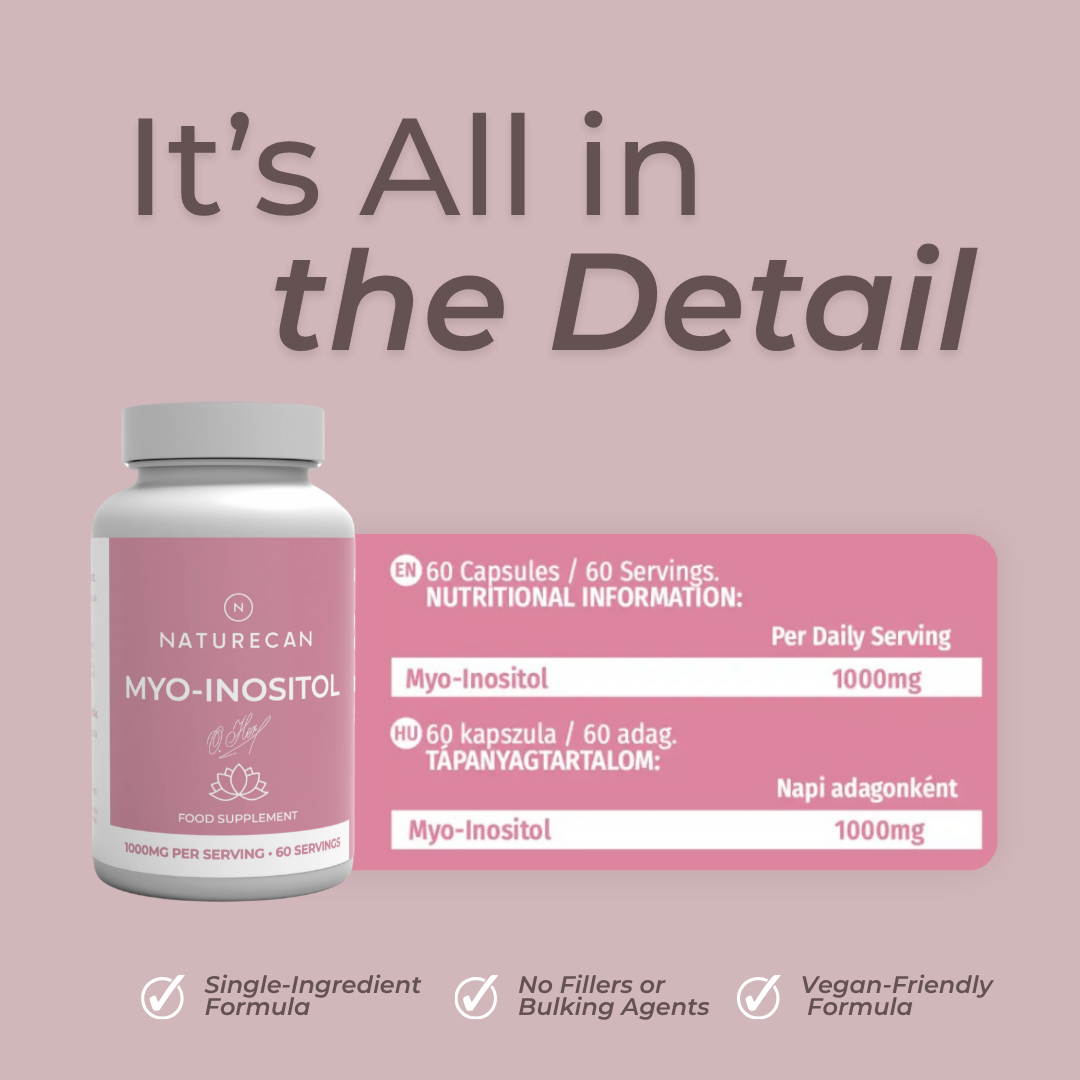
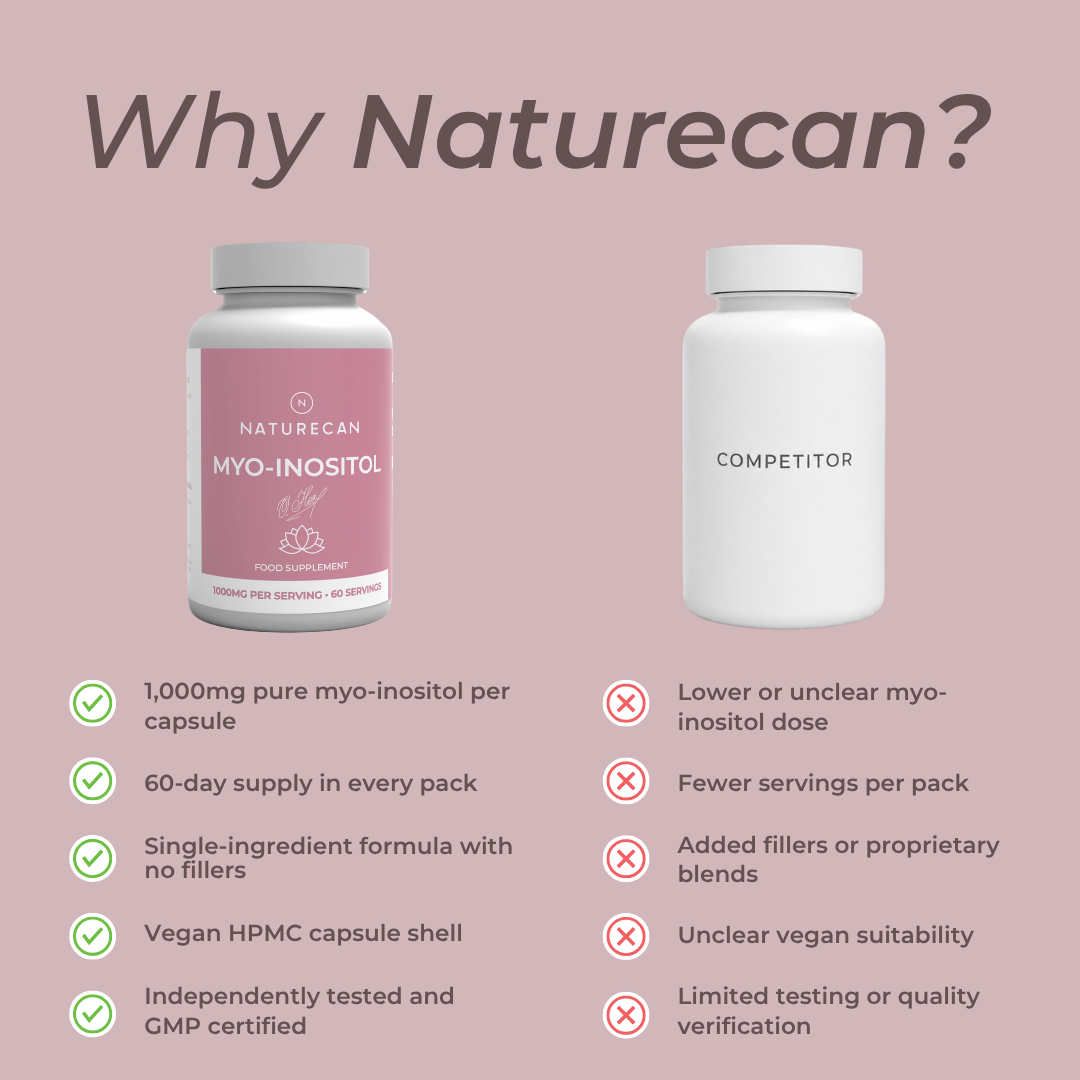
- 1,000mg myo-inositol per capsule
- 60 capsules per pack (60-day supply at 1 capsule daily)
- Vegan HPMC capsule shell (no gelatin)
- Free from fillers, binders, and bulking agents
- Recommended by Nutritionist Olga Herceg


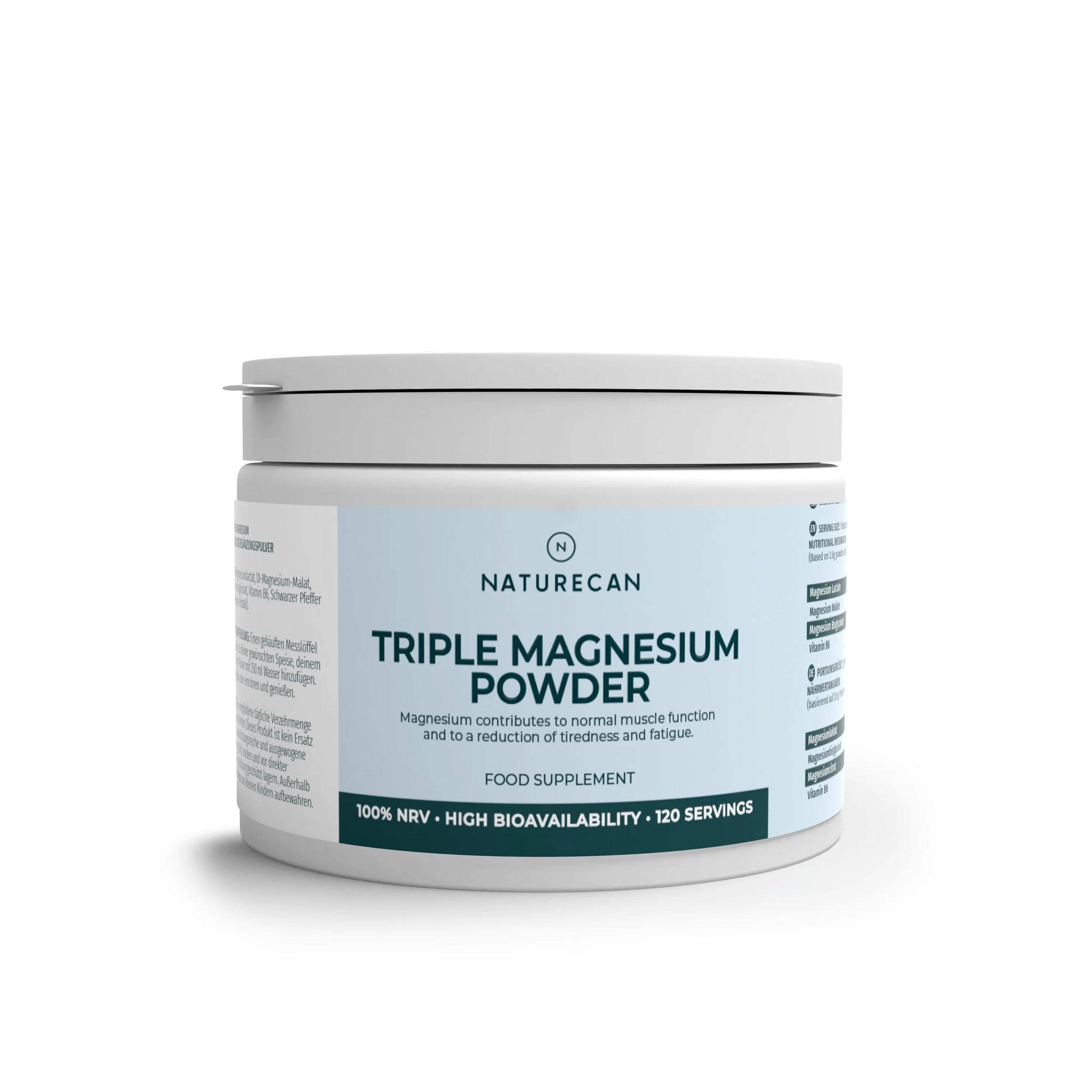
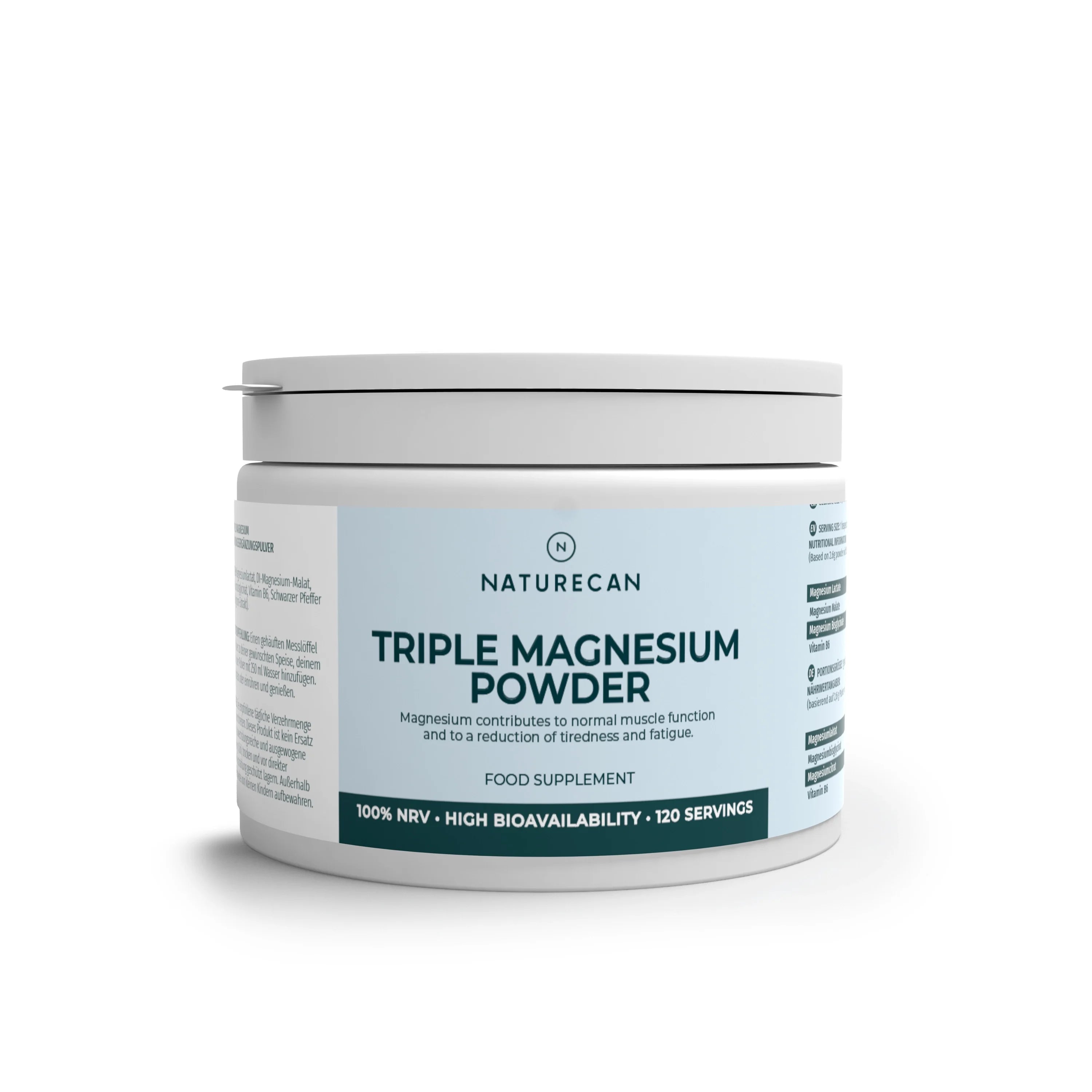
Triple Magnesium Capsules
Take your wellness routine to the next level. Naturecan’s Magnesium Bisglycinate offers a highly bioavailable and easy-to-digest magnesium powder to help you maintain overall health.
- Supports normal bones, teeth, and nervous system
- Reduces tiredness and supports energy metabolism
- Aids protein synthesis and cell division
- Helps maintain electrolyte balance
- With Magnesium Bisglycinate, Citrate & Lactate





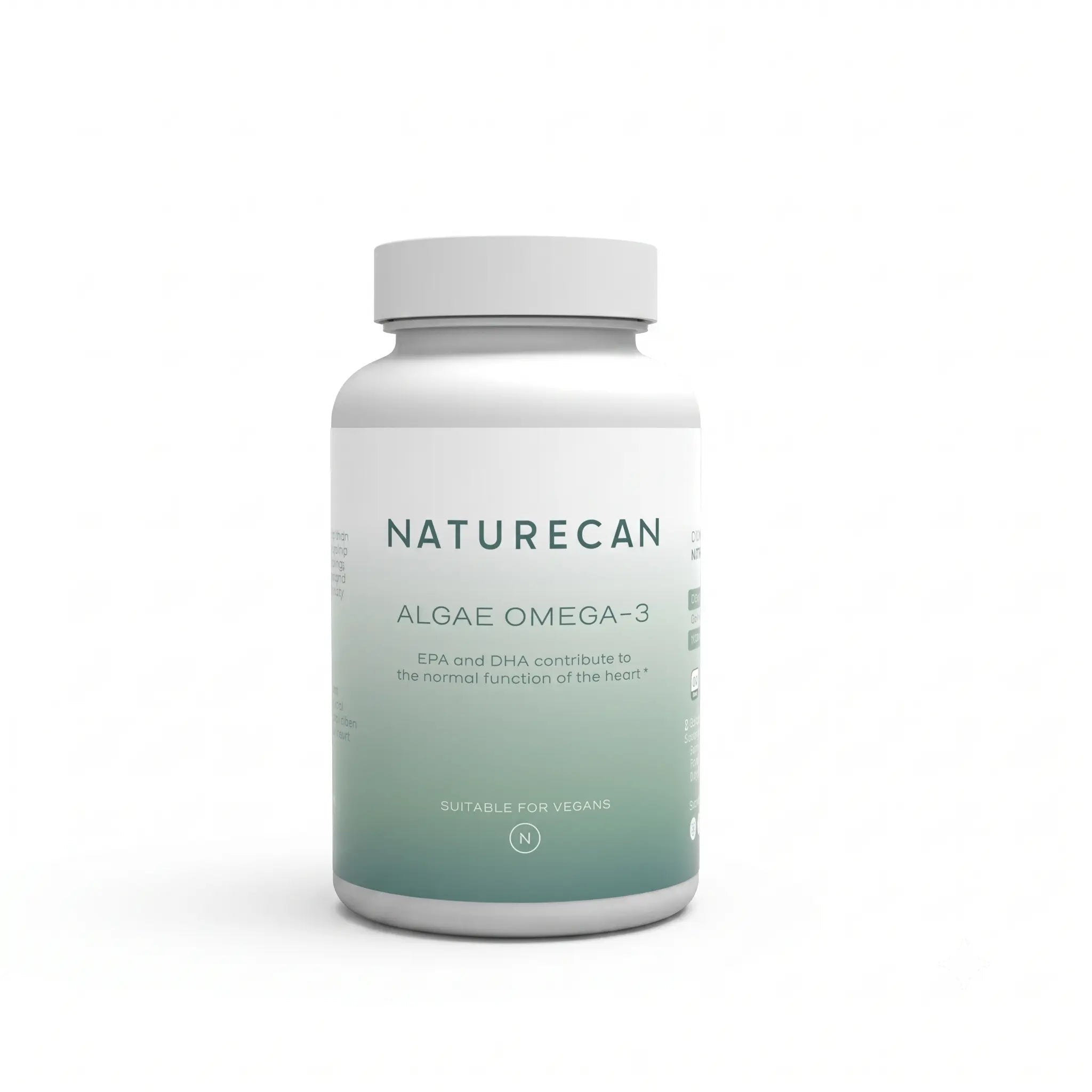
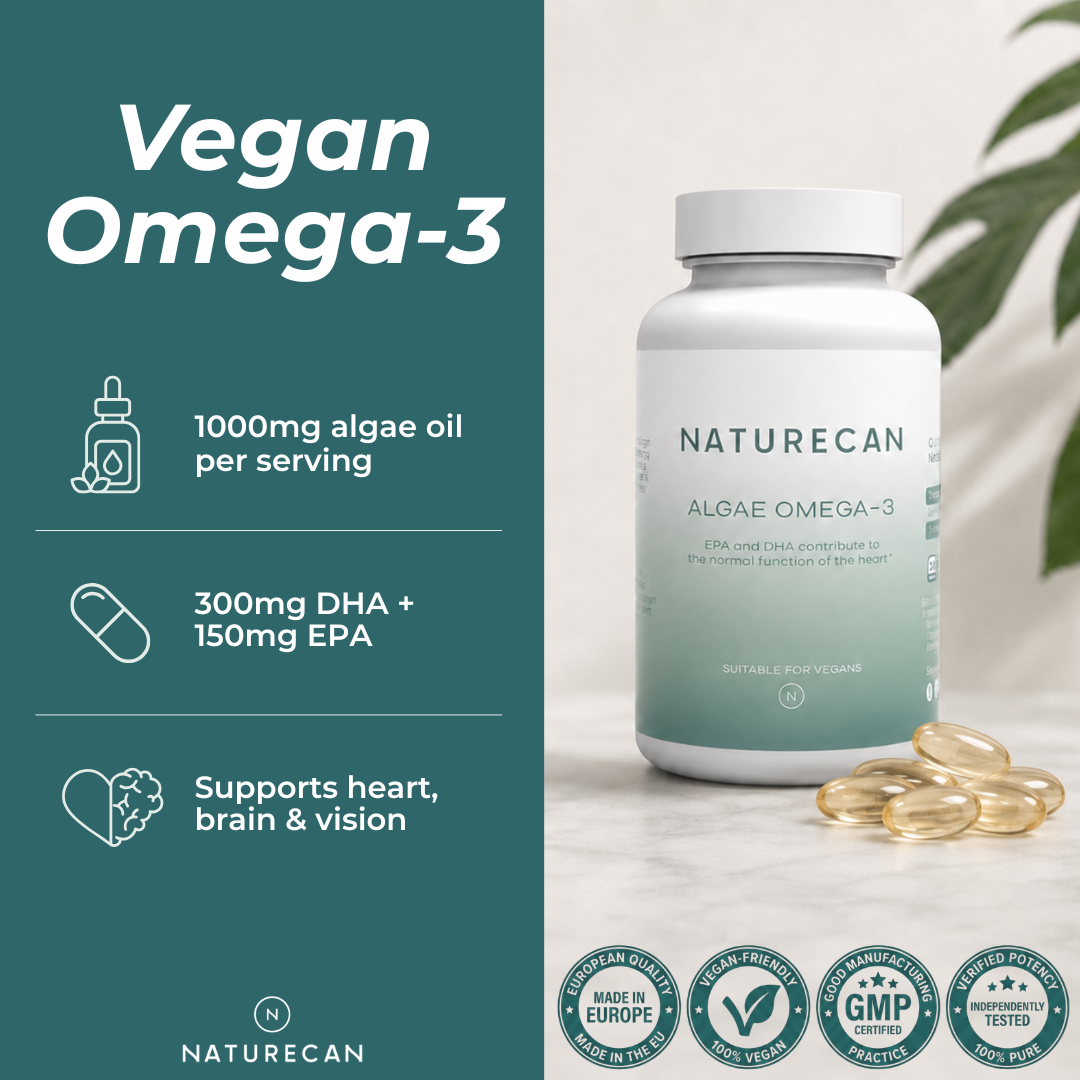
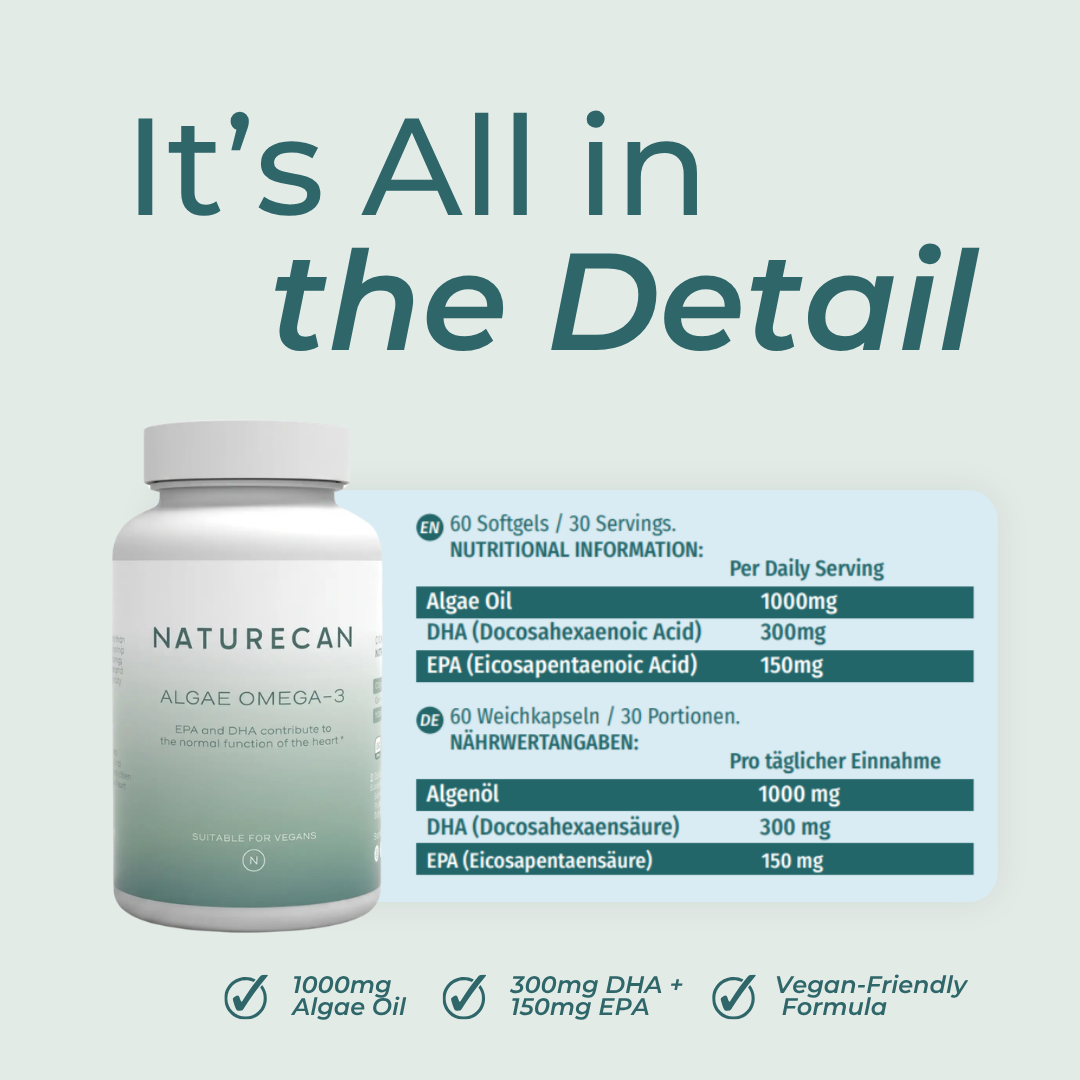
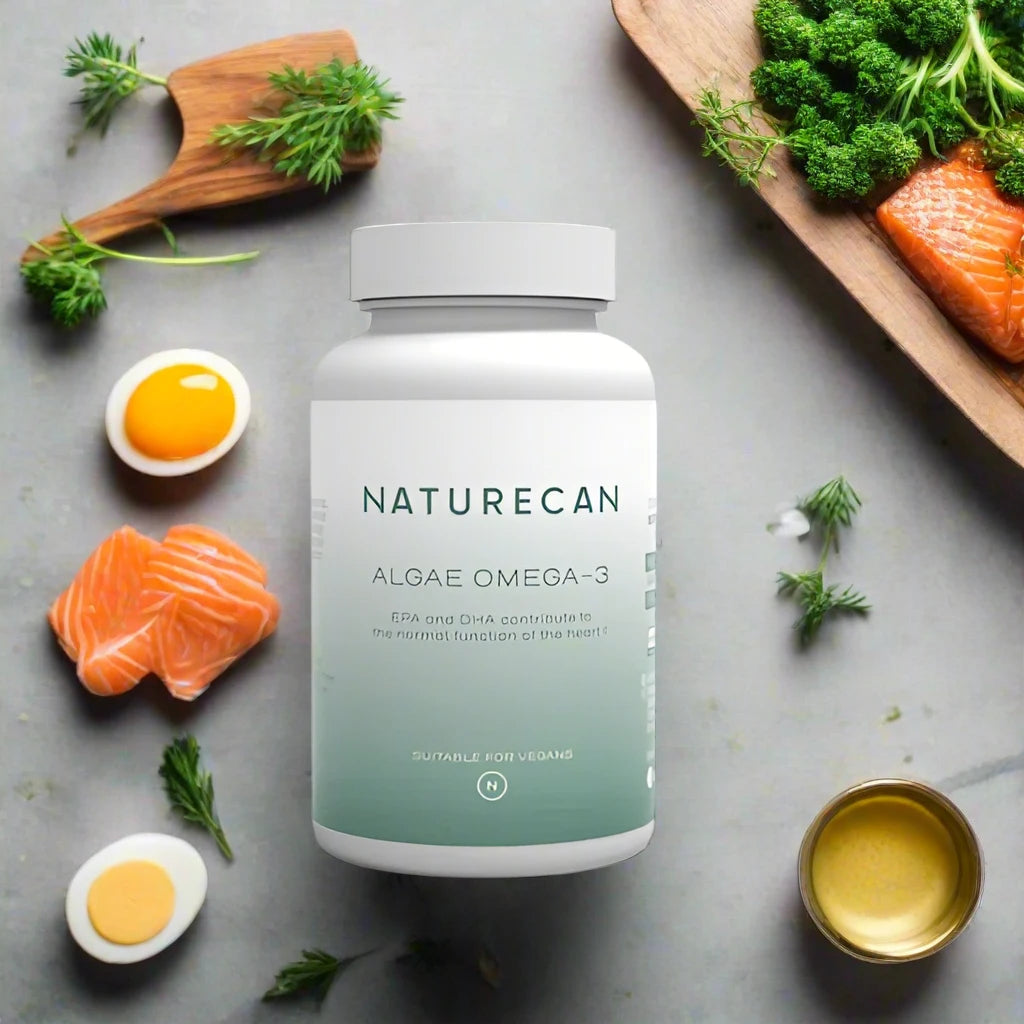
Vegan Omega-3
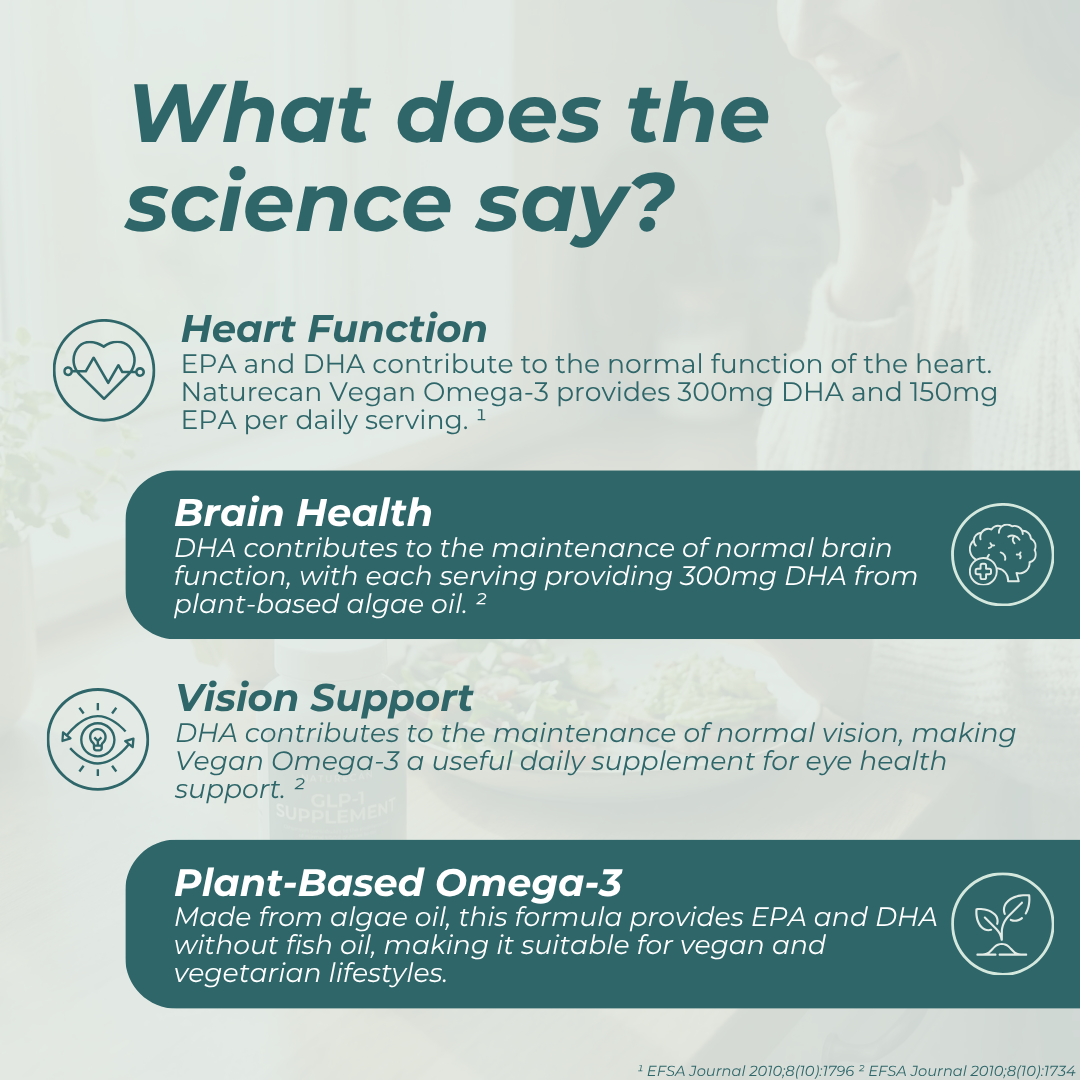
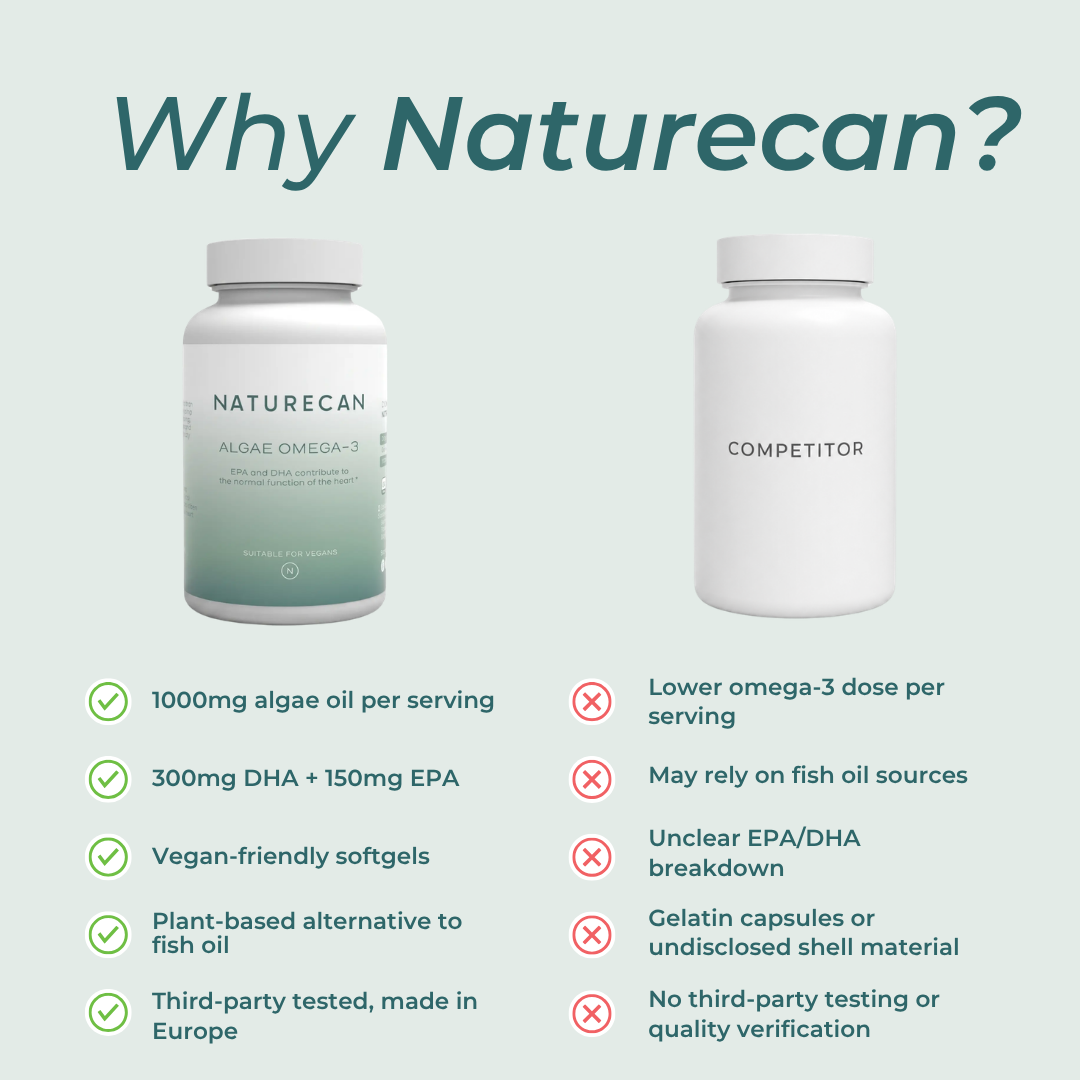
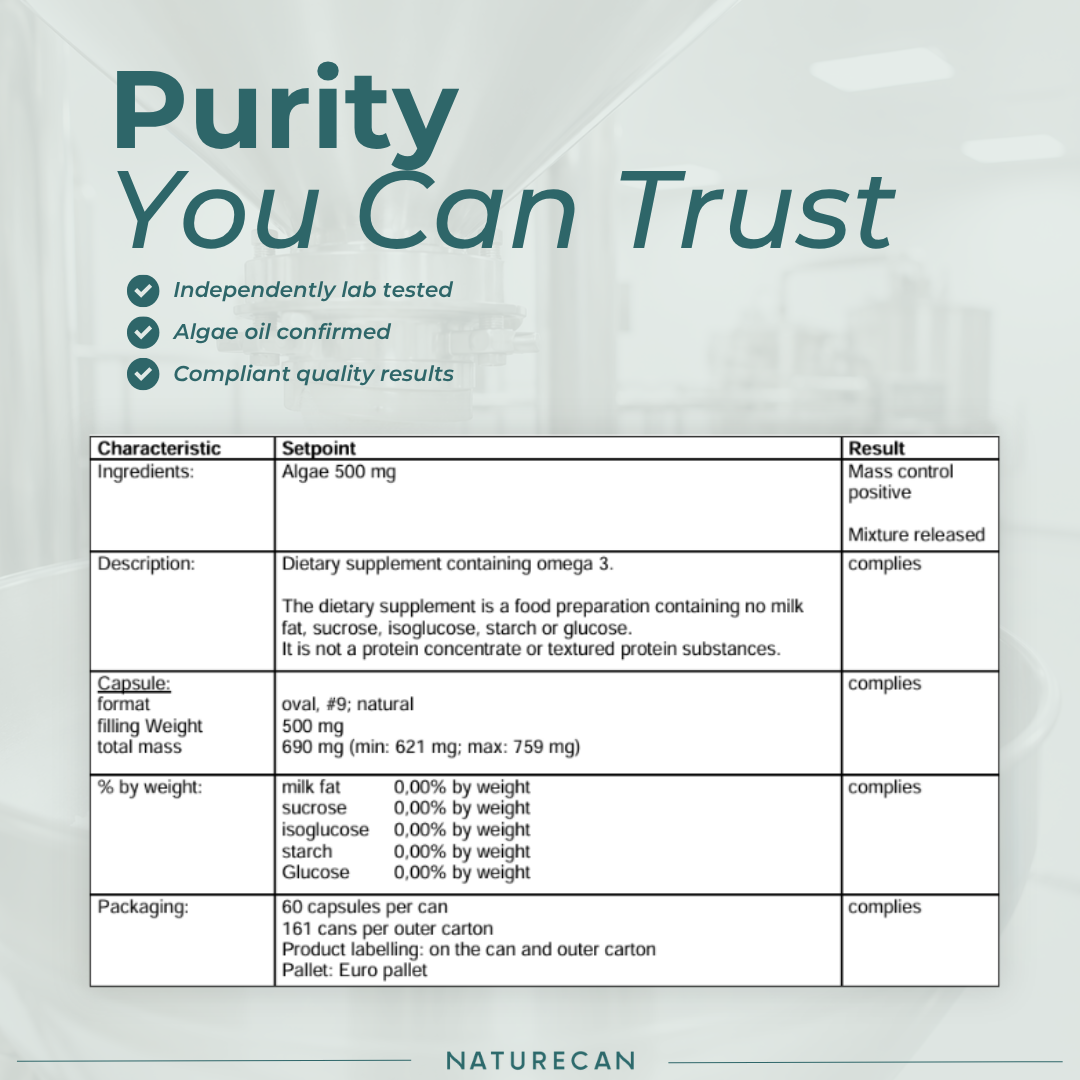
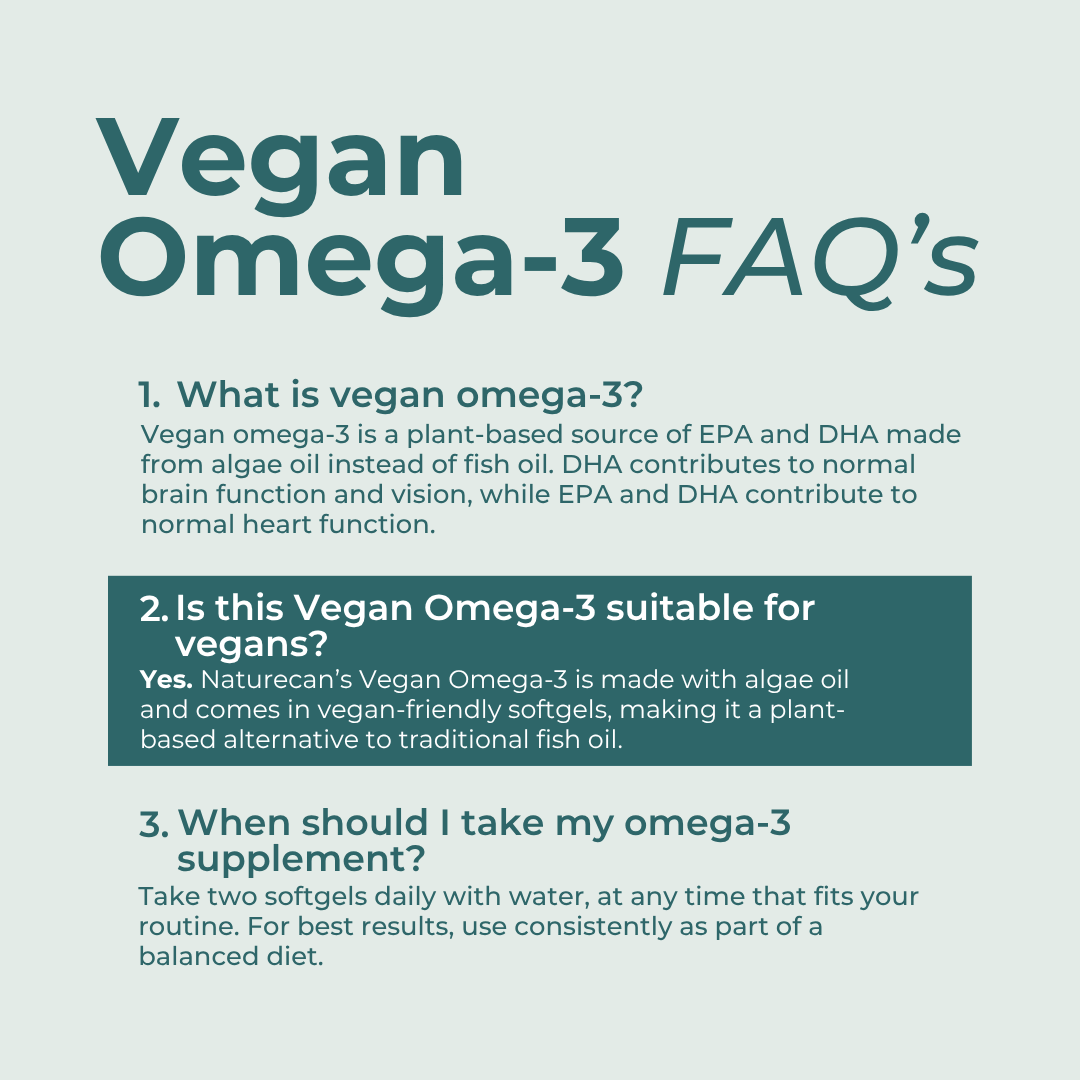
Omega-3 fatty acids are essential for supporting overall health, but they are often lacking in vegan and vegetarian diets. At Naturecan, we’ve created a premium, algae-based alternative that delivers the same benefits of fish oil, without compromising your lifestyle or the planet.
- Brain & Vision Support – Rich in DHA, which contributes to the maintenance of normal brain function and healthy vision
- Heart Health Support – Contains EPA, which contributes to the normal function of the heart
- Sustainable & Vegan – Powered by life’s®OMEGA, a pure algae-based alternative to fish oil

Zinc and Magnesium Capsules
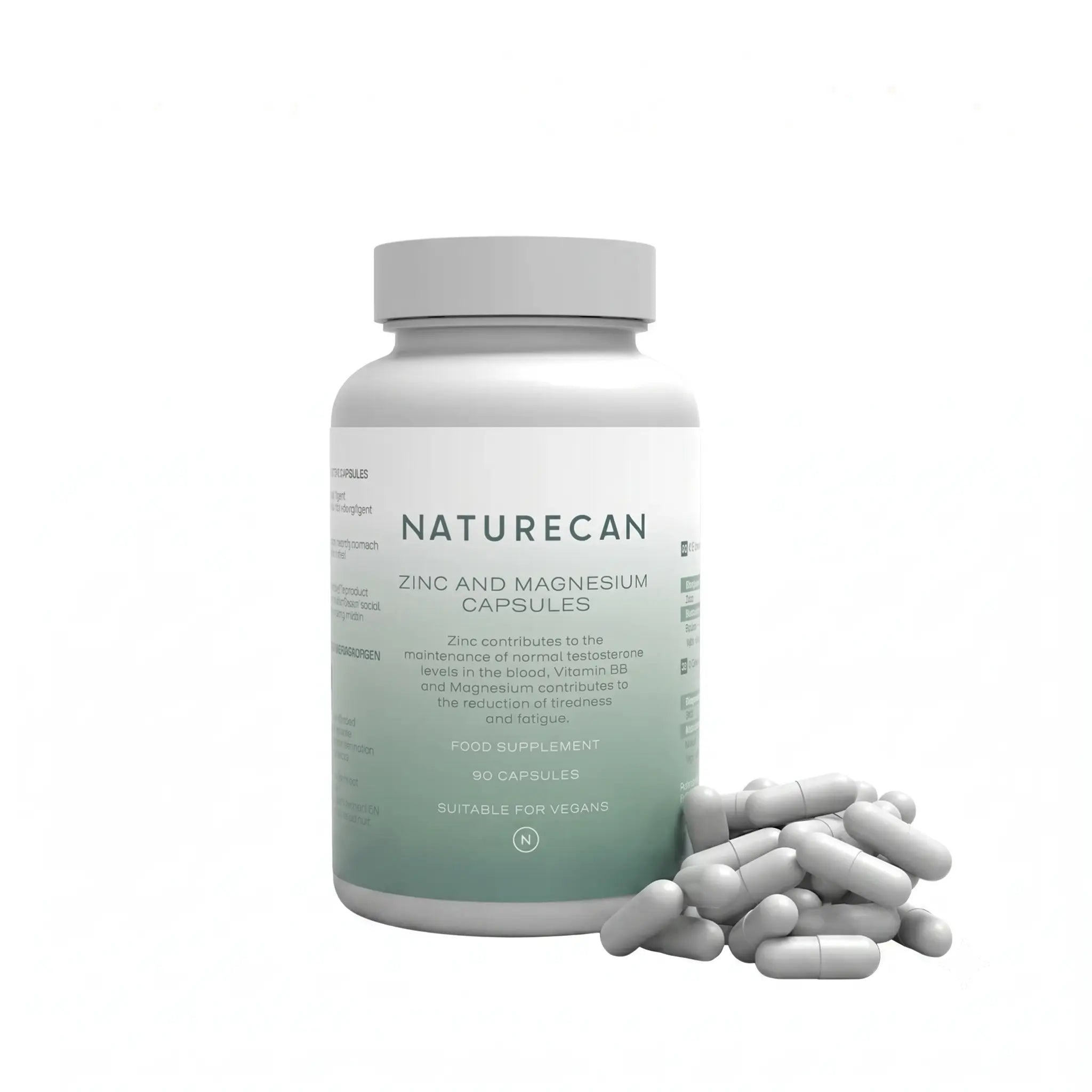
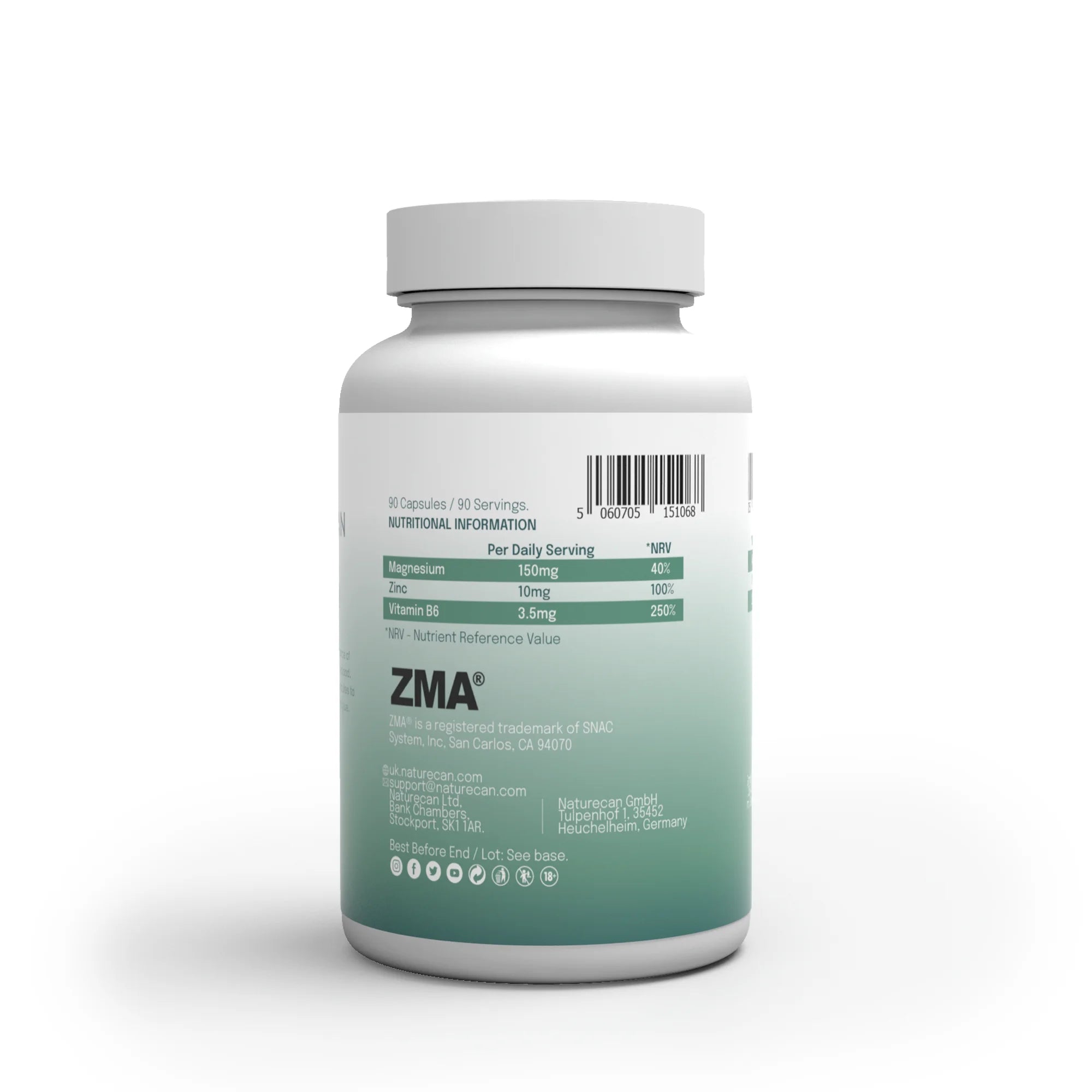
Experience the potential benefits of zinc, magnesium, and vitamin B6 in one convenient supplement with our patented Zinc and Magnesium Capsules.
- Powerful vitamin & mineral blend
- Contributes to normal fertility levels
- Reduces fatigue, supports muscle function & maintains electrolyte balance
- Supports the immune system & metabolism (4,5)
- Vegan-friendly
Benefits of PMS Supplements: What the Evidence Actually Says
Period pain: what the evidence says
Period pain, clinically called primary dysmenorrhea, is one of the more heavily studied areas here:
- A 2024 randomised trial in dysmenorrhoeic students found that daily magnesium significantly reduced cramping and related symptoms compared with placebo, with a higher 300mg dose outperforming a lower 150mg dose [6].
- A 2020 systematic review found limited evidence that several micronutrients, including calcium combined with magnesium, may help manage primary dysmenorrhoea pain. The authors noted that further research was needed. A 2017 literature review also reported potential benefits of magnesium for dysmenorrhoea.[7,8]
- Omega-3s have their own, separate evidence base: a systematic review and meta-analysis of fish oil trials found consistent reductions in menstrual pain, with most protocols using roughly 300 to 1,800mg of omega-3 long-chain fatty acids daily for two to three months [9].
Our article on omega-3 benefits goes into more detail on dosing and food sources if you'd like to top up through diet as well as supplements.


Magnesium glycinate benefits: what the evidence says
Beyond cramps, magnesium has a longer research history with PMS more broadly:
- An early double-blind trial found magnesium more effective than placebo across several PMS symptoms, including irritability and fluid retention [3].
- Combining magnesium with vitamin B6 has shown stronger effects on mood-related symptoms than magnesium alone in some trials [3,10].
- Magnesium glycinate benefits are largely about tolerability rather than a unique effect on symptoms: the magnesium itself does the work, but the glycinate form lets you take an effective dose without the digestive side effects that put some people off citrate or oxide[4,5].
Our article on omega-3 benefits goes into more detail on dosing and food sources if you'd like to top up through diet as well as supplements.
Period bloating: what the evidence says
Period bloating is thought to relate to fluctuating oestrogen and progesterone affecting fluid balance and gut motility in the days before your period [1]:
- Vitamin B6's role in dopamine production is one proposed mechanism for its effect here, since dopamine influences sodium and fluid excretion, and low B6 status has been linked to increased fluid retention in some research [10,11].
- Zinc supplementation has also shown small but statistically significant reductions in physical PMS symptoms, including bloating, across a recent meta-analysis of randomised trials, though the researchers themselves rated the certainty of this specific finding as low [14].


Evening primrose oil: what the evidence says
Evening primrose oil is one of the most popular natural remedies for PMS, but it's also one where the evidence is genuinely mixed:
- A 2018 Cochrane review found no significant difference between evening primrose oil and placebo for overall PMS symptoms [12].
- A separate meta-analysis found it no more effective than placebo for cyclical breast pain specifically [13].
- Some individual trials have reported modest benefits for breast tenderness, but the overall picture from higher-quality systematic reviews leans toward evening primrose oil being less reliably effective than magnesium, vitamin B6, omega-3 or zinc for PMS [12,13].
We'd rather be upfront about that than oversell it: it's a reasonable one to try if the others don't suit you, but it shouldn't be your first choice based on the current evidence.
When to see a doctor
See a GP if your symptoms are severe enough to disrupt work, relationships or daily life, if they don't improve with lifestyle changes or supplements after a few cycles, or if you notice new or worsening pain that doesn't fit your usual pattern - this can sometimes point to conditions like endometriosis that need a different approach.[1]
Who benefits most
Putting this all together:
- The research is clearest for women with confirmed primary dysmenorrhea (period pain without an underlying condition such as endometriosis).
- It's also clearest for those whose PMS is dominated by physical symptoms, such as bloating, breast tenderness and cramping, rather than psychological ones, where the evidence for B6 and zinc is comparatively stronger [10,14].
- If your symptoms are severe enough to disrupt daily life, or don't ease once your period starts, that's worth raising with a GP rather than managing through supplements alone [1].
Quick Reference: Studied Doses at a Glance
This is a summary of what's typically used in the research above, not personalised dosing advice - check product labels and speak to a pharmacist or GP if you're pregnant, breastfeeding, or taking other medication.
| Nutrient | Typically studied dose | Best evidence for | Naturecan product |
|---|---|---|---|
| Magnesium (glycinate/citrate) | 150–300mg/day, 2–3 cycles | Period pain; broader PMS symptoms | Triple Magnesium (Bisglycinate) |
| Vitamin B6 | 50–100mg/day* | Mood-related PMS symptoms | n/a |
| Omega-3 (fish oil) | ~300–1,800mg/day, 2–3 months | Period pain | Vegan Omega-3 / High Strength Omega-3 Supplement |
| Zinc | Studied alongside magnesium | Physical & emotional PMS symptoms | Zinc and Magnesium Capsules |
| Evening primrose oil | 3–6g/day | Mixed / limited evidence overall | n/a |
| Myo-Inositol | 2–4g/day commonly used; higher doses studied in PMDD | Hormonal health; menstrual cycle support; limited evidence for PMDD symptoms | Myo-Inositol Capsules |
*The typical doses studied in trials (50–100mg/day) exceed the UK FSA Safe Upper Level for supplemental vitamin B6 (10mg/day). Do not supplement at these levels without medical supervision. Long-term intakes above 200mg/day have been associated with peripheral neuropathy.
The Bottom Line
There's no single PMS supplements pick that will switch off PMS or period pain overnight, but the evidence does point somewhere useful: magnesium and omega-3 for period pain, magnesium and vitamin B6 for the wider PMS picture, and zinc as a reasonable addition for both. Evening primrose oil is the one to treat with more scepticism given the mixed research. Whichever combination you choose, give it two to three full cycles before deciding whether it's working, and choose well-absorbed forms, like magnesium bisglycinate, where you can.
Naturecan's Triple Magnesium (Bisglycinate), Zinc and Magnesium Capsules and omega-3 supplements are formulated with these considerations in mind, and our best supplements for women collection is a good place to build out the rest of your routine. As always, these products support general wellbeing - they're not a substitute for medical advice, so speak to your GP if your symptoms are severe or persistent.
FAQs
What are the main symptoms of PMS?
PMS symptoms vary widely, but commonly include bloating, breast tenderness, headaches, irritability, low mood and fatigue in the one to two weeks before your period. Physical and emotional symptoms often overlap, and severity can change from cycle to cycle.
Is PMS common?
Yes - most menstruating women experience at least some premenstrual symptoms, though only a minority find them severe enough to significantly disrupt daily life. For a smaller group, symptoms are severe enough to be diagnosed as premenstrual dysphoric disorder (PMDD), a more intense form that usually needs specialist treatment.
How long does PMS last?
PMS symptoms typically start one to two weeks before your period, during what's known as the luteal phase, and ease once bleeding begins - though some women notice symptoms lingering into the first day or two of their period.
Can PMS be treated or managed?
Yes. Lifestyle changes, dietary adjustments and supplements like magnesium, vitamin B6 and omega-3 help many women, while more severe cases may be managed with hormonal treatments or SSRIs prescribed by a GP.
When should you see a doctor about PMS?
See a GP if symptoms disrupt your work or relationships, don't improve after trying lifestyle changes or supplements over a few cycles, or feel unusually severe. Persistent low mood or thoughts of self-harm around your period should always be discussed with a doctor promptly.
Does PMS get better on its own?
Symptoms usually resolve on their own once your period starts, cycle to cycle - but PMS itself doesn't tend to disappear permanently without some form of management, and can sometimes feel more pronounced with age or around perimenopause. Not sure whether your changing symptoms could be linked to perimenopause? Take our menopause test.
Can PMS cause fatigue?
Yes - period fatigue is one of the more common premenstrual symptoms, likely linked to hormonal shifts and, in some cases, disrupted sleep in the luteal phase. Magnesium and vitamin B6 have both been studied for their role in easing broader luteal phase symptoms, including tiredness.
Does magnesium help with period cramps?
There's reasonable evidence for this specifically. Multiple randomised trials and at least one meta-analysis have found magnesium supplementation reduces pain intensity in primary dysmenorrhea, likely through its role in normal muscle function and calming excessive uterine contraction.

Reviewed by Paul Holmes
Director of Science and Innovation at Naturecan
Testing for large pharmaceutical & tobacco companies, Paul has built a wealth of scientific and regulatory knowledge, working on regulatory submissions to bodies such as the FDA and the MHRA.
He holds a BSc in Medicinal and Biological Chemistry and sits on the UKAS CBD Food Product Approval Expert Group.
Discover our Naturecan Blog
Low FODMAP Diet: How It Affects Gut Bacteria, Prebiotics & Probiotics
Discover how the low FODMAP diet affects gut bacteria and IBS symptoms. Explore the role of prebiotics and probiotics, simple food swaps, and practical tips for supporting gut health while maintaining a balanced diet.
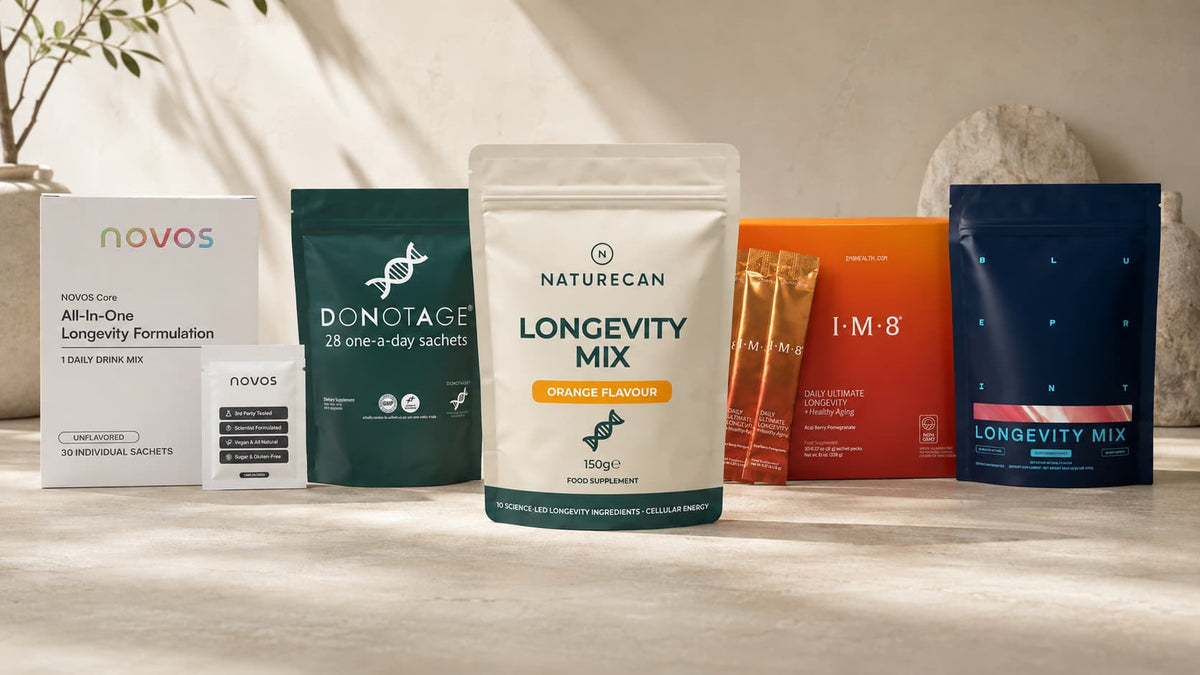
Longevity Mix Compared: What's Actually in IM8, NOVOS, DoNotAge, Blueprint & Naturecan
We compare the Longevity Mix formulas from Naturecan, IM8, NOVOS, DoNotAge and Blueprint side by side on disclosed ingredients, finished-product evidence, price and UK/EU safety rules, not marketing language.
Psyllium Husk: What It Is, Benefits, How to Use & Is It Safe?
What psyllium husk is, the evidence behind its benefits for digestion, cholesterol and blood sugar, and how to use it safely as a powder, whole husk or in capsules.


