
12 Omega 3 Benefits Explained: What is EPA and DHA?

Written by Georgia Chappell & Reviewed by Paul Holmes.
Omega-3 fatty acids are essential polyunsaturated fats that play a crucial role in our health. They are primarily found in certain fish, nuts, seeds, and plant oils.
The three main types of omega-3 fatty acids are alpha-linolenic acid (ALA), eicosapentaenoic acid (EPA), and docosahexaenoic acid (DHA). ALA is found in plant sources like flaxseeds, chia seeds, and walnuts, while EPA and DHA are mainly found in fatty fish such as salmon, mackerel, and sardines.
These fatty acids are important for various bodily functions, including brain development and function, heart health, reducing inflammation, and supporting overall wellbeing. The NHS confirmed that adequate intake of omega-3 fatty acids may lower the risk of certain chronic diseases such as heart disease and stroke. Let’s explore the importance of omega 3 for the body and the health benefits that increased omega 3 intake, including omega 3 supplements, will bring for you.
What are EPA and DHA?
EPA (eicosapentaenoic acid) and DHA (docosahexaenoic acid) are omega-3 fatty acids found in fish oil and certain algae. They are essential nutrients known for their role in supporting heart health, brain function, and overall wellbeing.
Understanding Eicosapentaenoic Acid (EPA)
Eicosapentaenoic acid (EPA) is a long-chain omega-3 fatty acid found primarily in oily fish such as salmon, mackerel and sardines, as well as in omega 3 fish oil supplements.
EPA is commonly included in DHA EPA supplements due to its recognised role in cardiovascular function. According to authorised health claims:
- DHA and EPA contribute to the maintenance of normal blood triglyceride levels.
- DHA and EPA contribute to the maintenance of normal blood pressure.
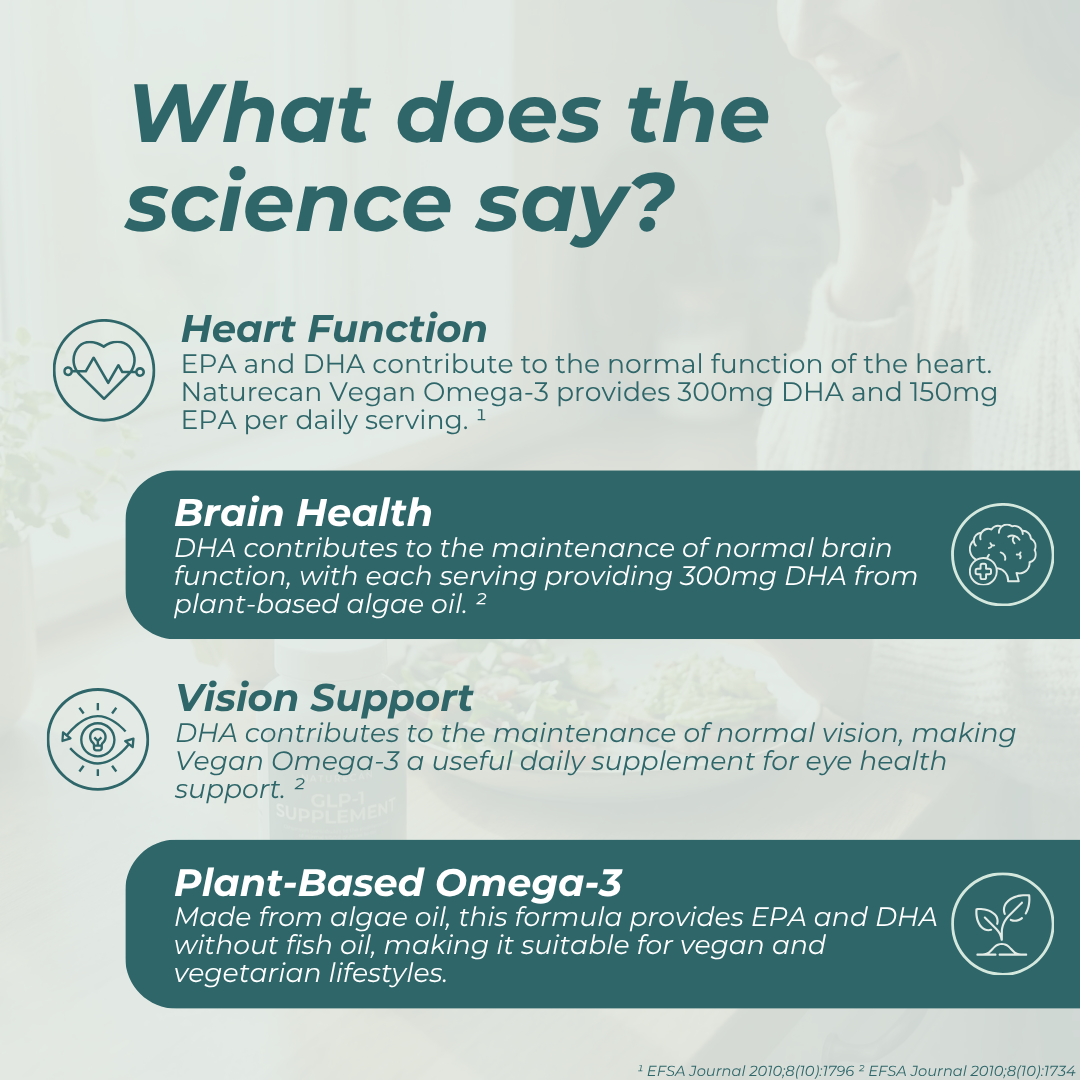
- EPA and DHA contribute to the normal function of the heart.
In addition to its role in heart health, EPA has been studied in relation to mood regulation and overall wellbeing pathways.¹ ²
For individuals who consume limited amounts of oily fish, omega3 supplements may help support daily intake as part of a balanced diet and healthy lifestyle.
Understanding Docosahexaenoic Acid (DHA)
Docosahexaenoic acid (DHA) is an omega-3 fatty acid predominantly found in fatty fish, fish oil, and algae supplements. It is a crucial component of cell membranes, particularly in the brain, and plays a vital role in maintaining its structure and fluidity, which is essential for neurotransmission and overall brain function. DHA is especially important during foetal and early childhood development, where it supports the growth and development of the brain and nervous system.
DHA is also essential for maintaining eye health, as it is a major structural component of the retina.
According to authorised health claims:
- DHA contributes to the maintenance of normal vision.
- DHA contributes to maintenance of normal brain function.
Research continues to explore the broader physiological roles of DHA in visual and cognitive function throughout life.³
What is the difference between EPA and DHA?
EPA and DHA are both omega-3 fatty acids found in fatty fish and fish oil supplements, but they serve distinct roles in the body. EPA is primarily known for its cardiovascular benefits and lowering triglyceride levels. It also plays a role in mood regulation and mental wellbeing.
On the other hand, DHA is essential for brain health, as it is a major structural component of brain cell membranes, supporting cognitive function, memory, and overall brain development and maintenance throughout life. Additionally, DHA contributes to eye health, particularly in the retina.
Omega 3 benefits: 12 potential health benefits explored
1. Protecting your heart
Omega-3 fatty acids, particularly EPA and DHA, are well-known for their potential cardioprotective effects.4
2. Supporting your brain
DHA, in particular, is crucial for brain development and function, supporting cognitive function, memory, and overall brain health throughout life.5
3. Keeping eyes healthy
Omega-3 fatty acids, especially DHA, play a crucial role in maintaining eye health.6
4. Reducing inflammation
Some studies have researched the effect of omega-3 fatty acids on inflammatory processes in the body. EPA and DHA are understood to play a role in supporting the body’s natural inflammatory response.⁷
While research in this area is ongoing, omega-3 fatty acids are commonly studied in relation to maintaining overall physiological balance.


5. Supporting Mood and Mental Wellbeing
Omega-3 fatty acids, particularly EPA and DHA, have been studied for their role in brain function and mood regulation pathways.⁸
Although findings are still developing, research continues to explore how omega-3 intake may support overall mental wellbeing as part of a balanced lifestyle.
6. Better skin health
Omega-3 fatty acids contribute to the structure and function of cell membranes, including those in the skin. Research suggests they may help support the skin’s natural moisture barrier and overall integrity.⁹
Their role in maintaining balanced inflammatory responses may also be relevant to skin health.
7. Improved sleep
Some research has explored potential links between omega-3 intake and sleep quality.¹⁰
While evidence is still emerging, maintaining adequate omega-3 levels may play a role in overall wellbeing, which can indirectly influence sleep patterns.
8. Maintenance of Normal Blood Pressure
Omega-3 fatty acids, particularly EPA and DHA, have authorised health claims relating to cardiovascular health.
- DHA and EPA contribute to the maintenance of normal blood pressure. ¹¹
9. Support bone health
Emerging research has examined the relationship between omega-3 fatty acids and bone metabolism.¹²
While findings are still being studied, omega-3 intake is being explored in relation to maintaining overall structural health as part of a balanced diet.
10. Support for pregnancy and infant development
Adequate intake of DHA during pregnancy is widely recognised as important for early development.
- DHA contributes to maintenance of normal brain function.
- DHA contributes to the maintenance of normal vision. ¹³
Pregnant individuals should always consult a healthcare professional regarding supplementation.
11. Enhanced athletic performance
Research has investigated the relationship between omega-3 intake and exercise recovery, muscle function and circulation.¹⁴
Omega-3 fatty acids are being studied in relation to supporting normal physiological responses following physical activity.
12. Gut health
Some studies have explored the interaction between omega-3 fatty acids and the gut microbiome.¹⁵
Research in this area is ongoing, but omega-3 intake may play a role in supporting overall digestive balance and wellbeing.

What are Omega-3 Supplements?
It’s not always easy to get the omega-3 benefits you need from your diet. Whether you’ve got a busy schedule or don’t like to eat oily fish, omega-3 supplements are a cheap and convenient way to boost your omega-3 levels to support your wellbeing.
Types of Omega 3 Supplements at Naturecan
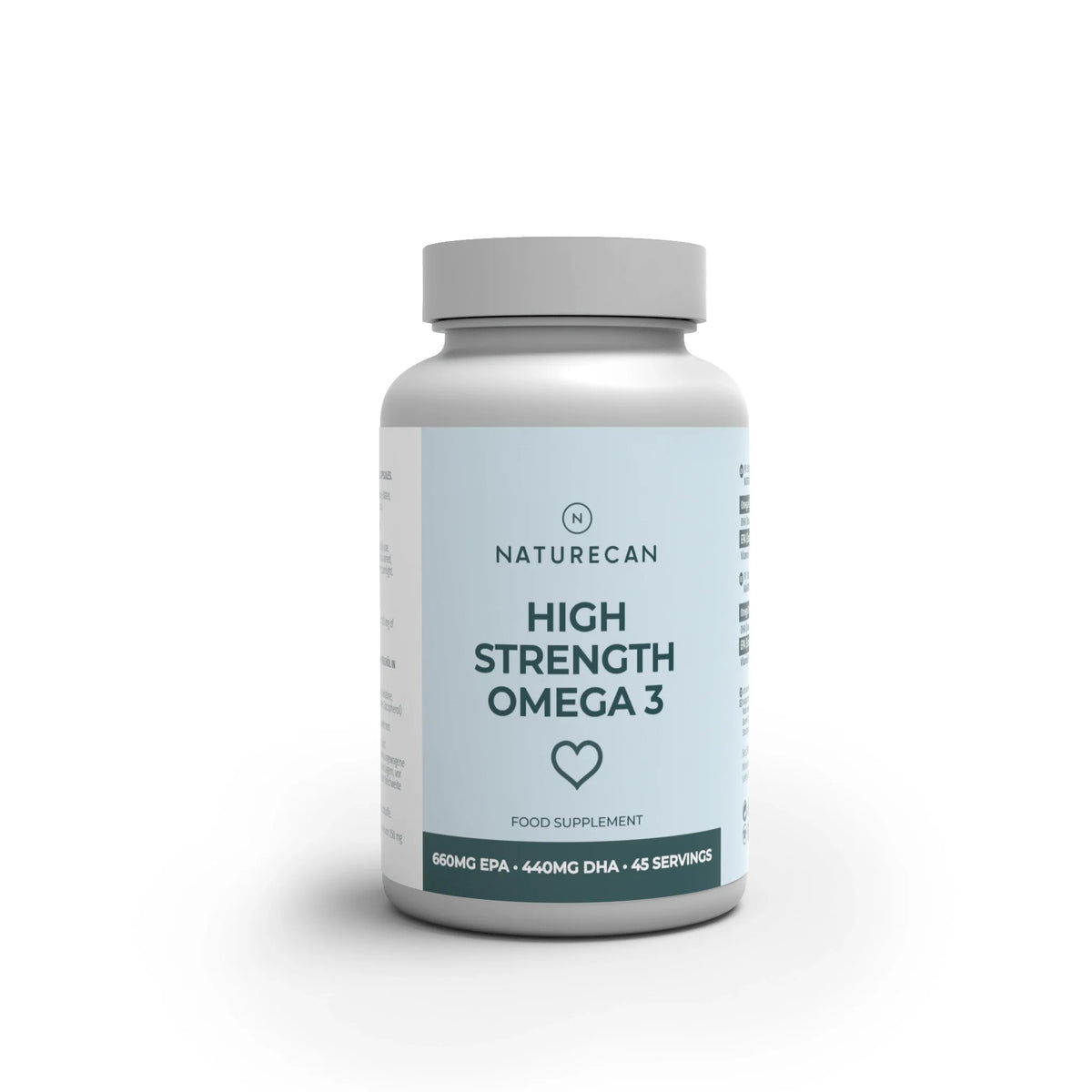
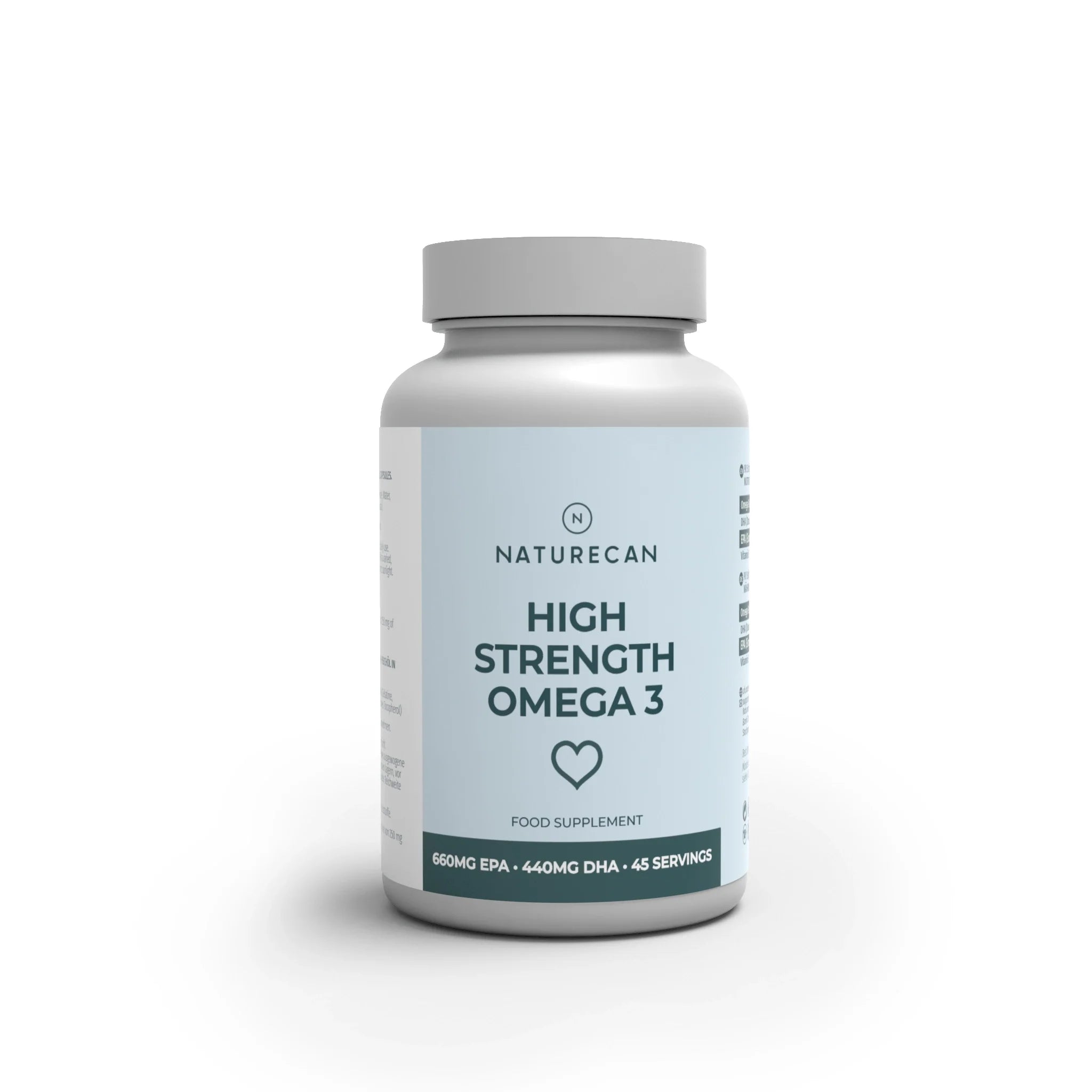
1. Alaskan Pollock Omega 3
Introducing Alaskan Pollock Omega 3 - your ultimate solution for maintaining peak cognitive function and overall wellbeing.
Packed with rich EPA and DHA, it's the perfect choice for individuals prioritising their mental health and a healthy lifestyle.
Our Omega-3 is sourced exclusively from the pristine waters of Alaska, where the Alaskan pollock thrives. We use 100% AlaskOmega® Omega-3, a top-notch and sustainable source of this essential nutrient.


| Product | EPA | DHA | Additional |
|---|---|---|---|
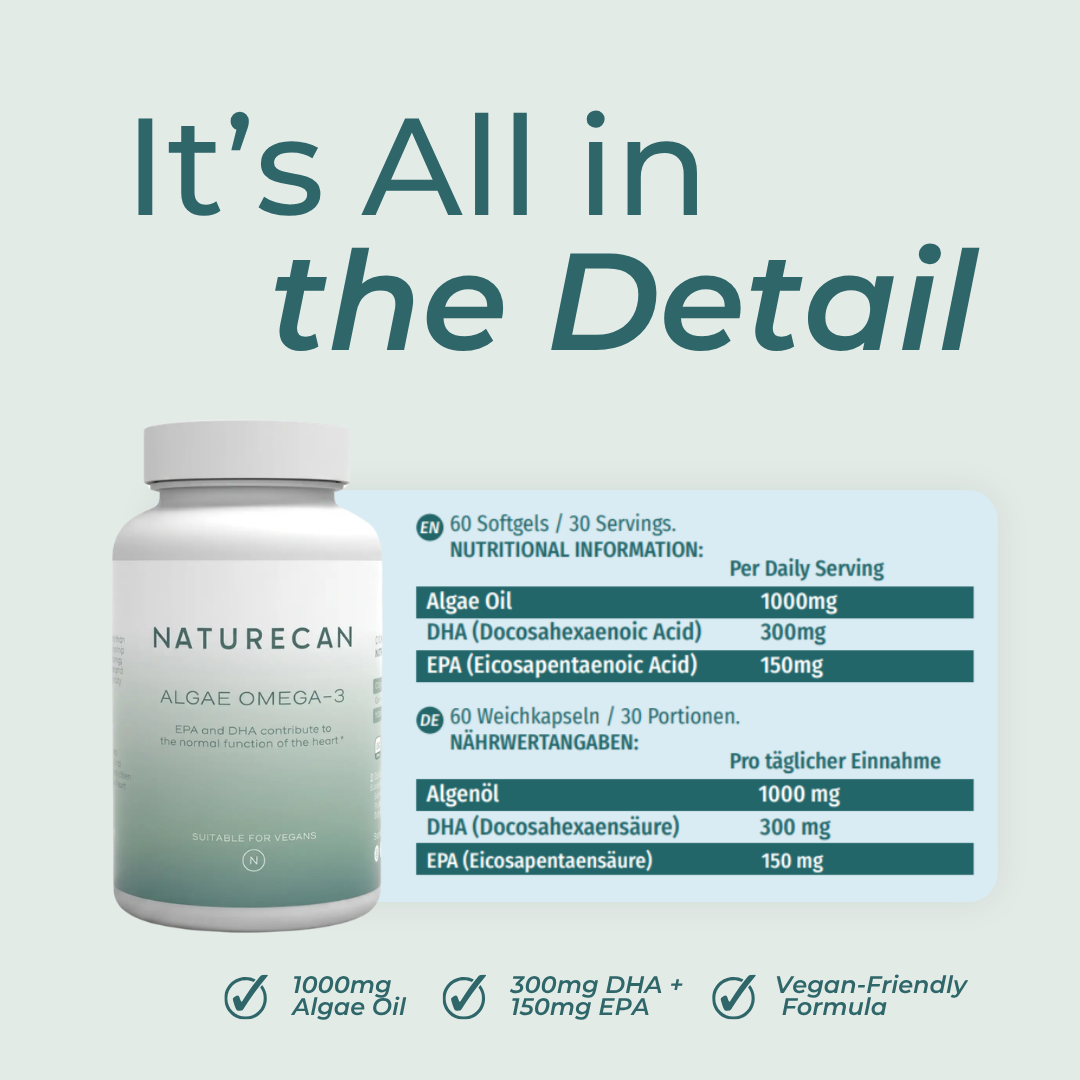
| Vegan Omega 3 | 150mg | 300mg | Contains antioxidants |
| Alaskan Pollock Omega 3 | 180mg | 120mg | 100% sustainable |
2. Vegan Omega 3
There are many great reasons why vegans should discover the Vegan Omega-3 benefits, as compared to people who eat fish regularly, vegan and vegetarian diets don’t usually contain enough Omega-3. As the best food sources, such as nuts and seeds, only contain the fatty-acid ALA, which can’t be used by the body.
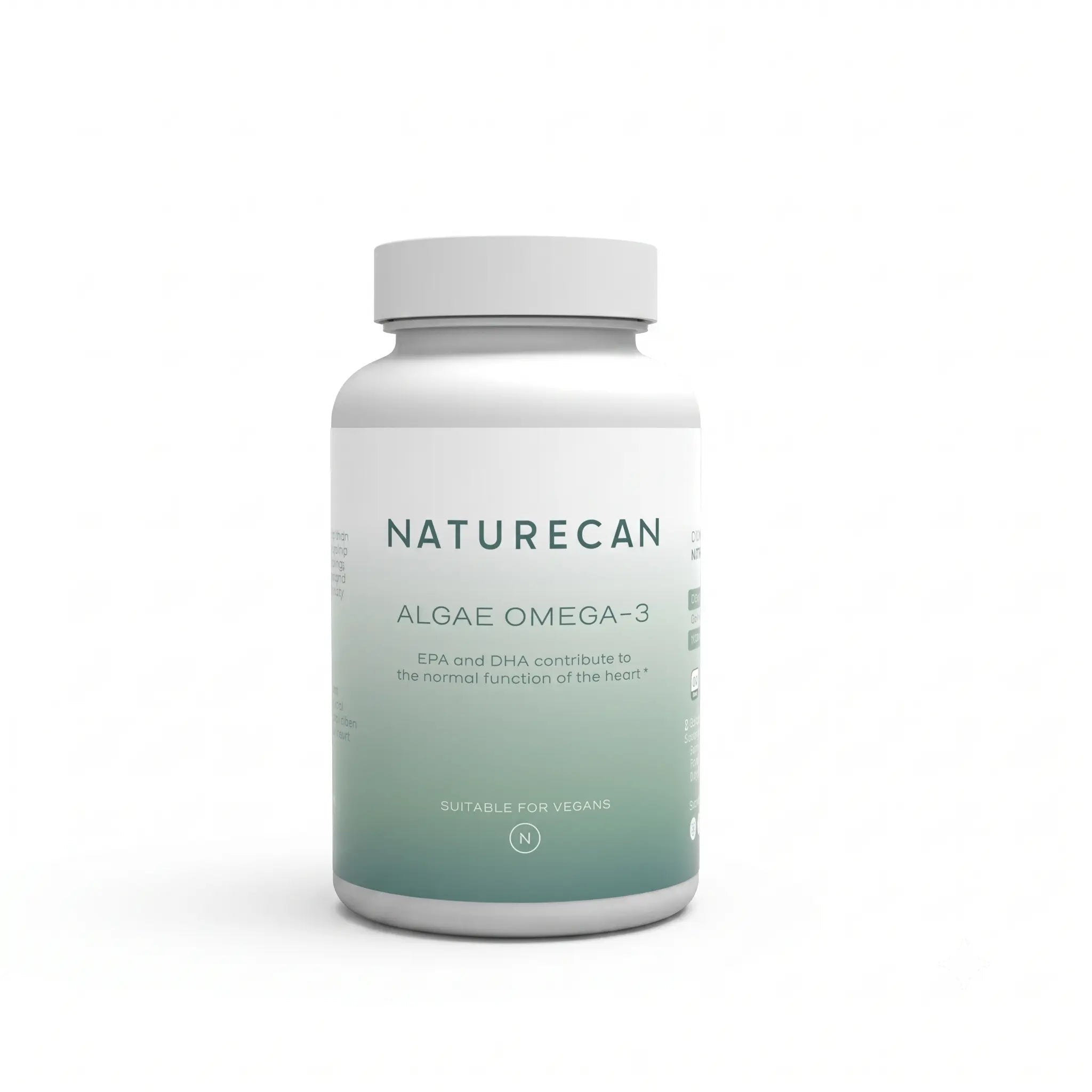
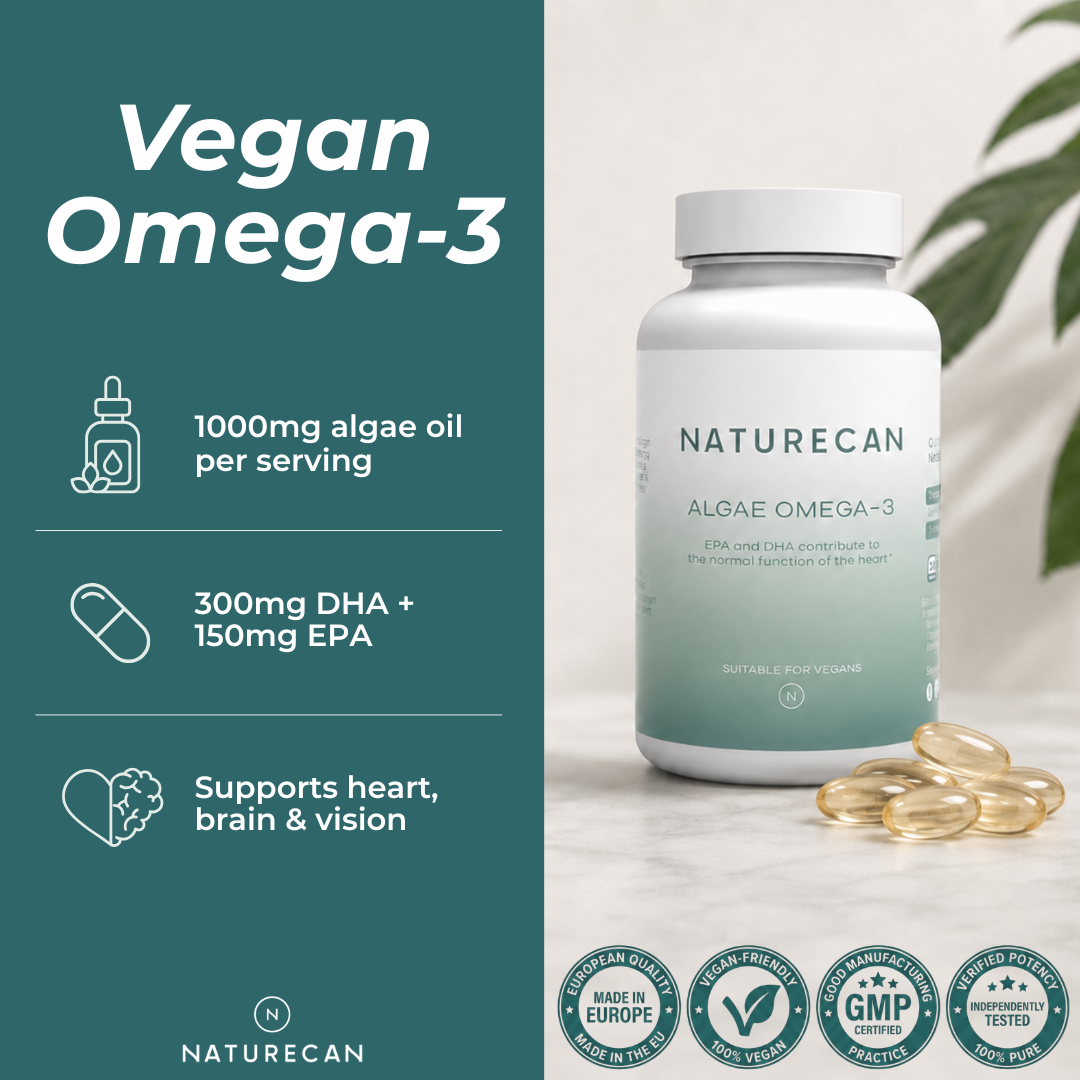
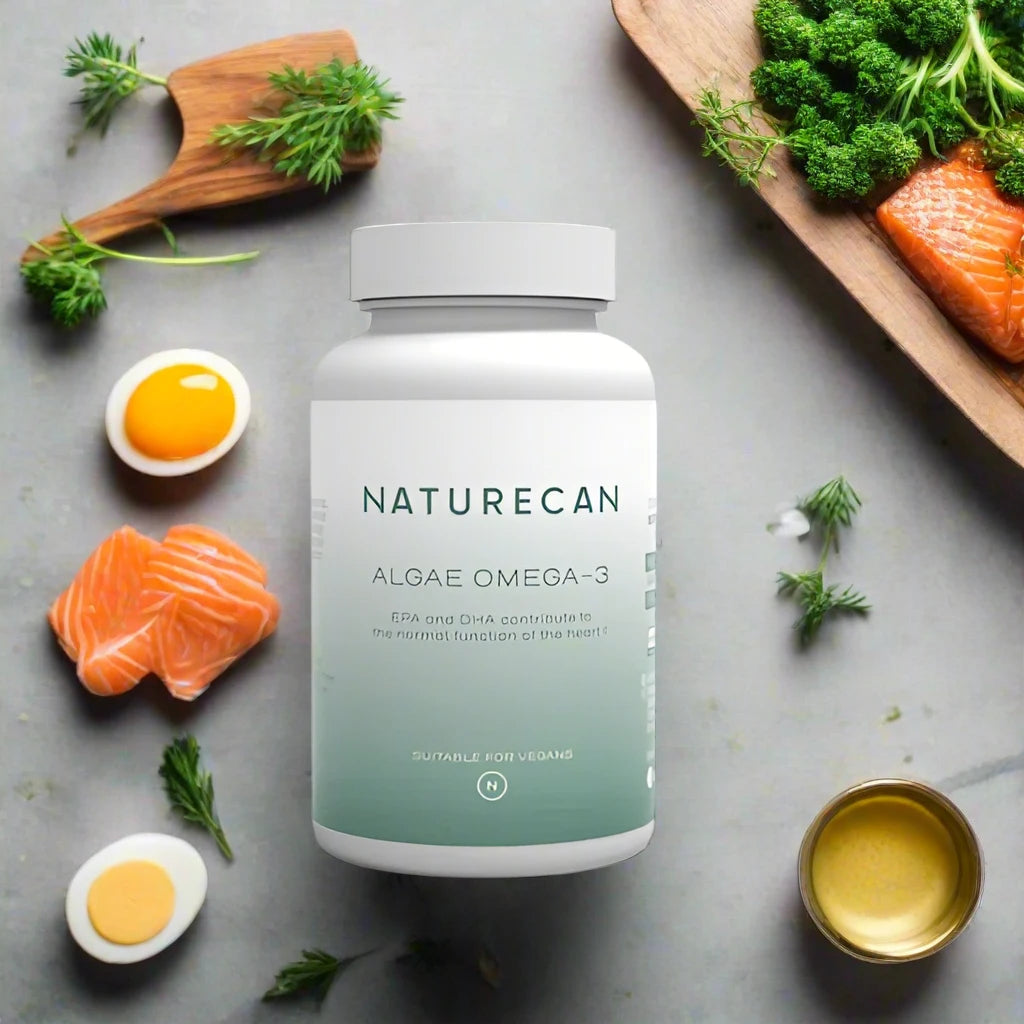
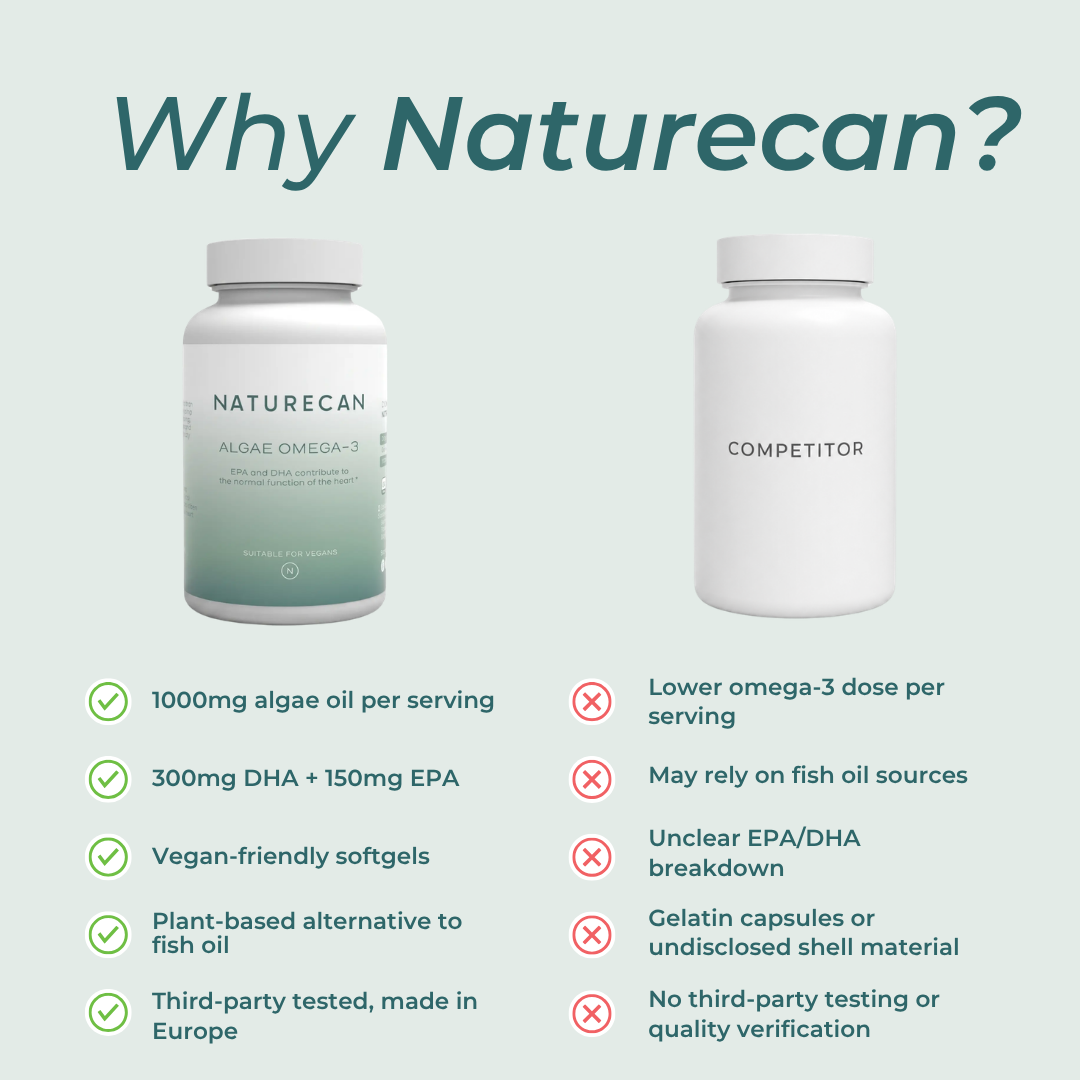
Therefore, vegans and vegetarians must incorporate a Vegan Omega-3 supplement into their daily routine in order to receive all the benefits of these essential nutrients. That's where our Algae Omega-3 comes in.
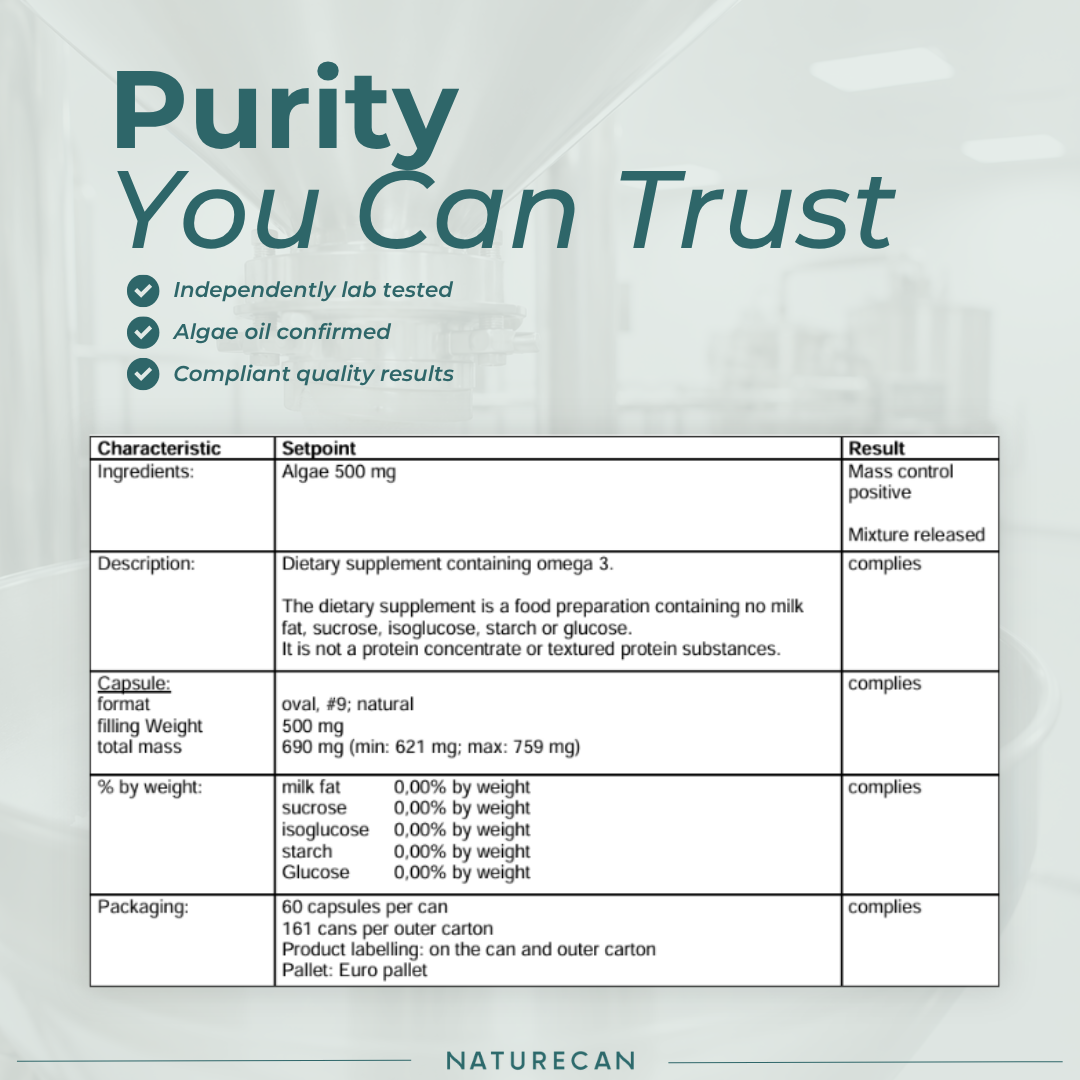
Created using life’s®OMEGA – the first and only commercially available plant-based Omega-3 that delivers the benefits of eicosapentaenoic acid (EPA) and docosahexaenoic acid (DHA) fatty acids in a single, quality source. This algae-derived, plant-based substitute delivers the Omega-3s as it would from the fish oil while making your supplementation sustainable. Life's®OMEGA is a trademark of DSM.
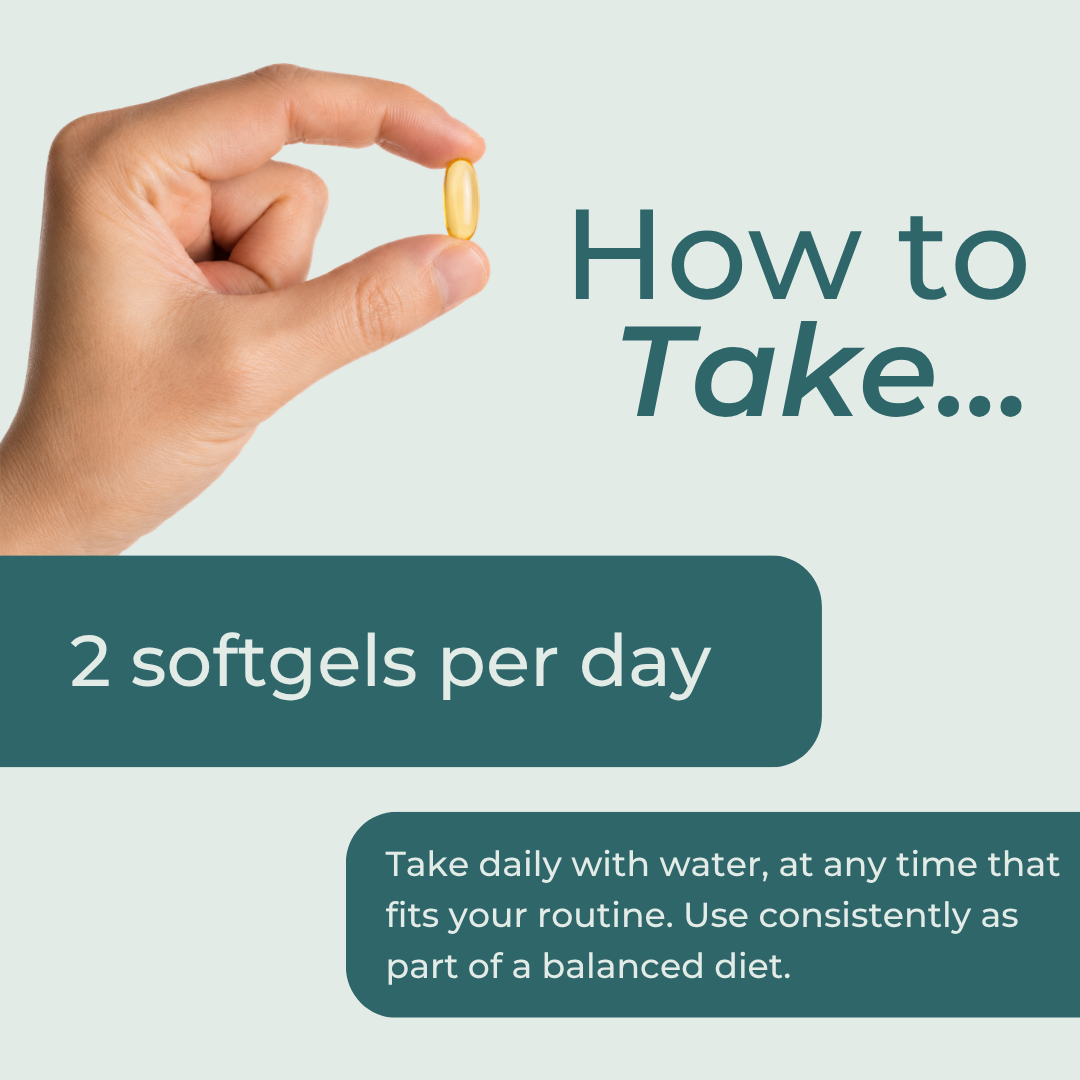
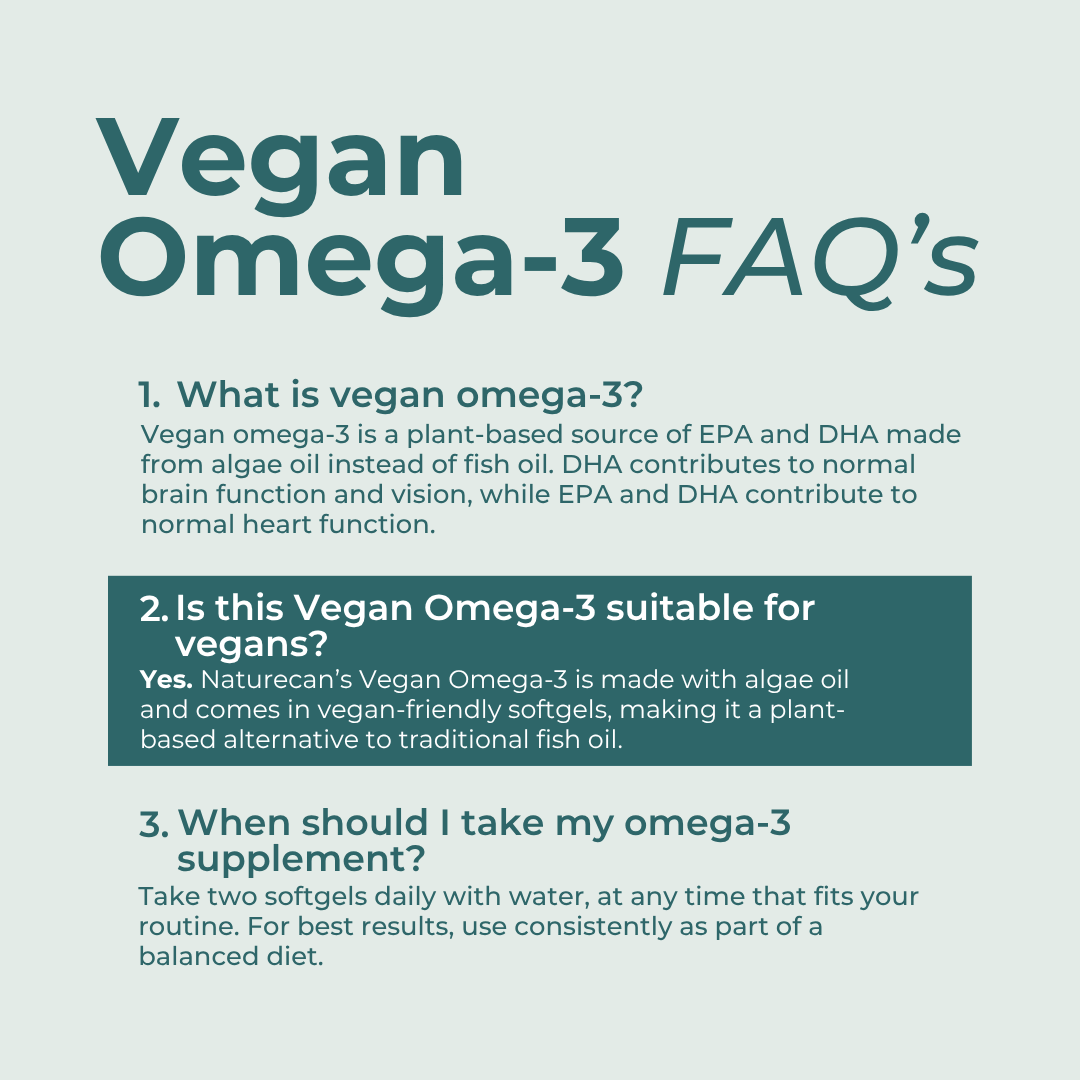
Avoiding all fishy tastes, smells and containing EPA and DHA – get your high-quality Vegan Omega-3s the easy way with our two-a-day softgels.


| Product | EPA | DHA | Additional |
|---|---|---|---|
| Cod Liver Oil Capsules | 80mg | 100mg | Contains vitamin A and D |
| Vegan Omega 3 | 150mg | 300mg | Contains antioxidants |
| Alaskan Pollock Omega 3 | 180mg | 120mg | 100% sustainable |
Reasons why to choose Alaskan Pollock Omega 3
Choosing Alaskan Pollock as a source of Omega-3 fatty acids offers several advantages:
High Omega-3 content
Alaskan Pollock is a rich source of Omega-3 fatty acids, particularly EPA (eicosapentaenoic acid) and DHA (docosahexaenoic acid), which are essential for heart, brain, and eye health. Naturecan’s Alaskan Pollock Omega 3 is the best way to reap the benefits of this premium option.
Sustainability
Alaskan Pollock is one of the most sustainable seafood choices available. It is responsibly harvested in the well-managed fisheries of Alaska, adhering to strict sustainability guidelines set by organisations such as the Marine Stewardship Council (MSC).
Low in contaminants
Alaskan Pollock is generally low in environmental contaminants such as mercury and PCBs, making it a safe and healthy choice for regular consumption, especially compared to larger predatory fish species.
Affordability
Alaskan Pollock is often more affordable than other fish species, making it accessible to a wide range of consumers who want to incorporate the potential Omega-3 benefits into their diet without breaking the bank.
Overall, choosing Alaskan Pollock as a source of Omega-3 fatty acids not only benefits personal health but also supports sustainable fishing practices and environmental conservation efforts in Alaska's pristine marine ecosystems.
How much EPA and DHA do you need each day?
The recommended daily intake of EPA (eicosapentaenoic acid) and DHA (docosahexaenoic acid) can vary depending on factors such as age, sex, health status, and specific health goals. However, general guidelines from various health organisations suggest consuming at least 250-500 milligrams combined EPA and DHA per day for overall health maintenance in adults.
For specific health conditions or goals, higher doses may be recommended. For example, individuals with high triglyceride levels may benefit from higher doses of EPA and DHA, typically ranging from 1,000 to 4,000 milligrams per day, under the guidance of a healthcare professional.
During pregnancy and lactation, adequate intake of DHA is particularly important for foetal and infant brain development. The NHS recommends pregnant and breastfeeding women consume at least 300 milligrams of DHA per day.
It's essential to note that while omega-3 supplements can be beneficial, it's also essential to obtain nutrients from whole food sources whenever possible, such as fatty fish like salmon, mackerel, and sardines, which are naturally rich in EPA and DHA.

It's essential to note that while omega-3 supplements can be beneficial, it's also essential to obtain nutrients from whole food sources whenever possible, such as fatty fish like salmon, mackerel, and sardines, which are naturally rich in EPA and DHA.
Food high in Omega 3 (EPA and DHA)
Here is a list of foods that are high in Omega-3 fatty acids, particularly EPA and DHA:
Fatty fish:
- Salmon (2150mg per serving)
- Mackerel (4580mg per serving)
- Sardines (1463mg per serving)
- Herring (2150mg per serving)
- Anchovies (411mg per serving)
Shellfish:
- Oysters (329mg per serving)
- Mussels (700mg per serving)
Seaweed:
- Including Nori, Wakame, and Kombu (160mg per serving)
Plant-based sources:
- Chia seeds (5050mg per serving)
- Flaxseeds (2350mg per serving)
- Hemp seeds (2600mg per serving)
Incorporating these foods into your diet can help you meet your daily requirements of EPA and DHA. Additionally, consuming a variety of these foods ensures a diverse intake of other essential nutrients to promote overall health and wellbeing.
What happens if I am deficient in EPA and DHA?
A deficiency in EPA (eicosapentaenoic acid) and DHA (docosahexaenoic acid), both essential omega-3 fatty acids, can lead to various health issues. Since EPA and DHA are critical components of cell membranes, particularly in the brain and nervous system, a deficiency may impair cognitive function, memory, and overall brain health.
Additionally, EPA and DHA play a crucial role in cardiovascular health, including regulating inflammation, lowering triglyceride levels, and maintaining heart function. Therefore, a deficiency may increase the risk of cardiovascular diseases such as heart disease and stroke. Inadequate intake of EPA and DHA during pregnancy and early childhood can affect foetal and infant development, potentially leading to neurodevelopmental issues in the offspring.
Overall, a deficiency in EPA and DHA can have wide-ranging effects on physical and mental health – emphasising the importance of including adequate sources of these fatty acids in the diet.

Omega 3 FAQS
Why are Omega-3s important?
Omega-3 fatty acids are essential nutrients with numerous vital functions in the body, making them crucial for overall health and well-being. Firstly, omega-3s, particularly EPA (eicosapentaenoic acid) and DHA (docosahexaenoic acid), are integral components of cell membranes, contributing to their fluidity and functionality. This is particularly significant in the brain, where DHA is abundant and plays a crucial role in cognitive function, memory, and neurodevelopment.
Omega-3s also possess potent anti-inflammatory properties, helping to regulate the body's inflammatory response and reduce the risk of chronic diseases such as heart disease, arthritis, and inflammatory bowel disease. Omega-3s are also essential for heart health, as they can lower triglyceride levels, improve blood vessel function, and reduce the risk of cardiovascular events like heart attacks and strokes. Additionally, omega-3 fatty acids are important for eye health, immune function, and mood regulation.
Given their diverse roles in the body, ensuring an adequate intake of omega-3 fatty acids through diet or supplementation is critical for maintaining optimal health and reducing the risk of various chronic diseases.
How much Omega-3 should I consume daily?
The recommended daily intake of omega-3 fatty acids, including EPA and DHA, typically ranges from 250 to 500 milligrams for general health maintenance in adults, but specific needs may vary based on factors such as age, health status, and individual dietary habits.
Are there any side effects of taking Omega-3 supplements?
Omega-3 supplements are generally safe for most people, but high doses may cause gastrointestinal issues such as diarrhoea, nausea, or fishy aftertaste, and individuals taking blood thinners should speak with their doctor as omega-3s may increase bleeding risk at high doses.
As always, if you are on prescription medication, we would always advise that you consult your doctor before adding supplements to your health care regime
Can Omega-3s help with joint pain?
Omega-3 fatty acids have potential anti-inflammatory properties that may help alleviate joint pain and stiffness, particularly in conditions like rheumatoid arthritis, by reducing inflammation and improving joint function.
Do Omega-3s have benefits for skin health?
Omega-3 fatty acids contribute to skin health by helping to maintain moisture levels, reducing inflammation, and supporting overall skin barrier function,9 potentially improving conditions like eczema and promoting healthy, radiant skin.
Can Omega-3s improve mental health?
Omega-3 fatty acids, particularly EPA and DHA, have been linked to possible improved mood regulation and may help alleviate symptoms of depression, anxiety, and other mental health conditions by supporting brain function and reducing inflammation. However, more studies are needed to substantiate these potential benefits.
Are Omega-3 supplements safe during pregnancy?
Omega-3 supplements, particularly those containing DHA, are generally considered safe during pregnancy and may offer benefits for foetal brain and eye development, but pregnant individuals should speak with their doctor regarding dosage and sources to guarantee safety and effectiveness.
What makes Alaskan Pollock a good source of Omega-3?
Alaskan Pollock is a good source of Omega-3 fatty acids due to its high content of EPA and DHA, promoting heart health, brain health, eye health and overall wellbeing.
How does Omega-3 content in Alaskan Pollock compare to other fish?
Alaskan Pollock is a comparable source of Omega-3 fatty acids to other fatty fish like salmon and mackerel – providing substantial levels of EPA and DHA essential for heart and brain health.
What are the environmental benefits of sourcing Omega-3 from Alaskan Pollock?
Sourcing Omega-3 from Alaskan Pollock offers environmental benefits due to its sustainable fishing practices and well-managed fisheries, contributing to the preservation of marine ecosystems and biodiversity.
How often should I eat Alaskan Pollock to meet my Omega-3 needs?
Consuming Alaskan Pollock at least two to three times per week can help promote essential heart and brain health.
Conclusion: Embracing the benefits of EPA and DHA
EPA (eicosapentaenoic acid) and DHA (docosahexaenoic acid), two essential omega-3 fatty acids predominantly found in fish oil supplements and fatty fish, offer a myriad of health benefits, including:
- Protecting your heart
- Supporting your brain
- Keeping eyes healthy
- Reducing inflammation
- Improving mental health
Supplementing with omega-3 fatty acids, particularly EPA and DHA, is ideal for individuals not getting enough of these essential nutrients through their diet alone. Naturecan’s omega-3 supplements offer a quick, convenient solution, including Cod Liver Oil Capsules and Alaskan Pollock Omega 3. If you’re following a vegan or plant-based diet, you can choose our Algae Omega-3.
Visit Our Naturecan Blog

How to improve your gut microbiome health in 16 steps
In this guide, you’ll discover 16 practical ways to enhance your gut health with natural, attainable changes. Read Now!
Read Article
Vegan Omega-3: What is it and do vegans need it?
Want to know more about vegan omega 3? Omega-3 is a group of fatty acids with many health benefits with regular consumption.
Read Article
Unlocking 6 Resveratrol Benefits: Balancing Hype with Science
In this article, we will sift through scientific evidence to shed light on how resveratrol may aid in heart health, cognitive function and more. Read Now!
Read Article


