Peptides are everywhere right now - from skincare serums to weight loss injections. But what actually are they? This guide breaks down all the types, what the science says, and what is safe to use.


Peptides are everywhere right now - from skincare serums to weight loss injections. But what actually are they? This guide breaks down all the types, what the science says, and what is safe to use.
Everything you need to know about peptides - from collagen and copper peptides to the latest science

Written by Reem Al Karim & Reviewed by Paul Holmes.
Peptides are having a moment. GLP-1 weight loss injections are reshaping medicine. Copper peptides are selling out in every skincare aisle. Collagen powders are in half the wellness routines in the UK. Gym communities are talking about peptides for muscle growth. And somehow, the same word - peptides - is being used to describe all of it.
That is where the confusion starts. Peptides for weight loss, peptides for skin, collagen peptides, and research peptides are not the same thing. They are not even in the same regulatory category. Some are safe food supplements. Some are prescription-only medicines. Some are unlicensed compounds that are not approved for human use. Treating them as interchangeable is where misinformation takes hold.
This guide cuts through the noise. It explains what peptides actually are, covers all the main types, and gives you an honest picture of what the science supports, what is safe, and what the legal position is in the UK.
Peptides are short chains of amino acids - typically between 2 and 50 amino acids long. Amino acids are the building blocks of proteins, and when they link together via chemical bonds called peptide bonds, they form peptides. When the chain gets longer - generally above 50 amino acids - it becomes a polypeptide, and eventually folds into a protein.
So the difference between a peptide and a protein is essentially size. Collagen is a protein. Collagen peptides are what you get when you break collagen down into smaller fragments through a process called hydrolysis. Insulin is a peptide hormone. GLP-1 (glucagon-like peptide-1) is a naturally occurring peptide that regulates appetite after eating. The peptides in a peptide serum are short synthetic amino acid sequences designed to signal skin cells.
where they perform an enormous range of functions - acting as hormones, signalling molecules, antimicrobial agents, and structural components. They are also found in food, skincare products, food supplements, and prescription medicines.
Why size matters: smaller peptides can cross biological barriers more easily than larger proteins, which is relevant to how they are absorbed in supplements, how they penetrate the skin in topical products, and how certain peptides function as medicines.


Of all the peptide categories, skincare peptides have arguably had the most consistent and well-documented impact on everyday consumers. Understanding why requires a quick look at how skin ageing actually works- and where peptides intervene.
From our mid-twenties, the skin's natural collagen production declines by roughly 1% per year. Collagen is the structural protein that keeps skin firm, plump, and resilient.
As it breaks down faster than the body can replace it, the visible signs of ageing appear- fine lines, reduced elasticity, thinning skin, and slower wound healing. The challenge for cosmetic science has always been: how do you encourage the skin to produce more collagen from the outside?
The challenge for cosmetic science: how do you encourage the skin to produce more collagen from the outside? Peptides are one of the few topical ingredient categories formulated specifically to address this.
Individual results may vary. This is a general estimate of average collagen loss over time.
Peptides for skin answer that question more precisely than almost any other cosmetic ingredient. Because they are short amino acid chains small enough to penetrate the outer skin barrier, they can deliver targeted signals directly to the cells that matter.
Peptide serums and skincare products support the appearance of the skin - they are not treatments for skin conditions. See a GP or dermatologist if you notice a new or changing mole, persistent inflammation, a reaction to a product, or any skin change you cannot explain. When in doubt, get it checked.

What makes peptides for skin particularly valuable compared to other actives is their specificity and tolerability. Vitamin C and retinol- two of the most evidence-backed skincare ingredients- can cause irritation, photosensitivity, and are unstable in formulation. Peptides are generally well tolerated across all skin types, stable in most formulations, and can be layered with other actives without conflict. This is why peptide serums have become a staple in evidence-based skincare routines rather than a trend.
The peptide serum format remains the most effective delivery vehicle- applied to clean skin before moisturiser, the high concentration of actives and the absence of occlusive barriers maximises penetration. Peptide lip balm applies the same logic to the lip area, where the skin is thinner, more prone to volume loss, and lacking in sebaceous glands that provide natural moisture.
Peptides for skin are important because they are one of the few cosmetic ingredient categories that directly communicate with skin cells to stimulate structural repair- not just temporarily mask the signs of ageing. The science is meaningful, the tolerability is high, and the formats (peptide serum, copper peptide treatments, peptide lip balm) make them practical for daily use.

Peptides is a broad term that spans several completely different product categories. Here is a breakdown of the main types and what the evidence actually says about each.

1

2

3
Peptides for muscle growth is one of the most searched topics in the fitness and bodybuilding space - and one of the most misunderstood. The peptides discussed in gym communities tend to fall into a specific category: growth hormone releasing peptides (GHRPs) and growth hormone secretagogues, which stimulate the pituitary gland to produce more growth hormone.

The appeal is obvious. More growth hormone is associated with muscle hypertrophy, faster recovery, and reduced body fat. The problem is that these research peptides are not licensed for human use in the UK.
They are banned by WADA and the UK Anti-Doping agency in competitive sport. Many of the compounds sold online are poorly manufactured, inconsistently dosed, and have not been through the safety and efficacy trials required for human medicines.
It is worth being clear about what this means for anyone searching peptides for muscle growth: if the peptides you are reading about involve injections, refrigerated storage, and measurements in micrograms, they are almost certainly research-grade compounds that are not approved for human use.
The safe and legal options for muscle support are well-evidenced food supplements - creatine, protein, collagen peptides for connective tissue support, and vitamins and minerals that contribute to normal muscle function.

Collagen synthesis declines during perimenopause at a rate that outpaces normal ageing. Naturecan's Collagen Peptide Powder provides a concentrated, easily mixable source of hydrolysed collagen peptides for daily use.
May support
Collagen formation. Vitamin C contributes to normal collagen formation for the normal function of skin and cartilage

Clinically tested over 84 days, the formula demonstrated statistically significant improvements in skin elasticity, the appearance of wrinkles around the eye area, and the visibility of brown spots, supporting a more refined-looking complexion.
May support
Skin elasticity,
Eye-area wrinkles,
Brown spots / hyperpigmentation

As oestrogen declines, the skin's capacity to produce and retain hyaluronic acid diminishes. Hyaluronic Acid Capsules provide oral hyaluronic acid as part of a daily supplement routine.
May support
†Zinc contributes to the maintenance of normal skin and the protection of cells from oxidative stress.
This is the most searched category right now, and it deserves a clear, honest answer. The peptides for weight loss that have dominated headlines are GLP-1 receptor agonists - specifically semaglutide (sold as Wegovy for weight management) and tirzepatide (Mounjaro). These are prescription-only medicines licensed by the MHRA in the UK.
They work by mimicking GLP-1 (glucagon-like peptide-1), a naturally occurring peptide hormone released by the gut after eating. GLP-1 signals the brain to reduce appetite, slows gastric emptying so you feel full for longer, and helps regulate blood sugar. Semaglutide has shown average weight reductions of 14 to 17 percent in large randomised controlled trials [2]. These are not small findings - they represent some of the most compelling clinical evidence in obesity medicine.
However, they are medicines. They require a prescription from a doctor, clinical assessment for suitability, and ongoing monitoring. They are not food supplements and cannot be purchased over the counter in the UK. There is also a grey market: unlicensed research peptides sold online and marketed for weight loss - compounds like AOD-9604. These are not approved for human use. Their safety is unestablished. Buying and injecting them carries real risk.
If you are interested in peptides for weight loss as a medical treatment, the right first step is a conversation with your GP. They can assess your eligibility for MHRA-approved options and advise on the most appropriate pathway.


For the past few years, it has been impossible to avoid hearing about and discussing Wegovy, Ozempic, and Mounjaro. From the news to social media, these medications have been called "game changers" for weight loss.
Read MorePeptide therapy refers to the clinical use of therapeutic peptides to treat specific medical conditions. It is a medical specialism, not a consumer supplement category. Current applications include GLP-1 medicines for diabetes and weight management, peptide hormones used in endocrine disorders, and - in ongoing research - peptides being investigated for wound healing, immune modulation, and neurological conditions.
Interest in peptide therapy has grown considerably in parallel with the rise of GLP-1 medicines. Some private clinics in the UK offer broader peptide therapy services, including compounds that may not be fully licensed. If you are exploring peptide therapy for a specific health concern, speak to a qualified healthcare professional and ensure any treatment involves licensed medicines prescribed by a regulated practitioner.

Three questions dominate the search landscape around peptide safety. Here is a direct, factual answer to each.
Not all peptides belong in the same conversation. The table below shows where each main peptide category sits - what they are, what they are used for, and what the relevant products or treatments look like in the UK.
| Peptide Type | What It Is | Used For | UK Status | Where to Start |
|---|---|---|---|---|
| Collagen peptides | Hydrolysed collagen protein broken into smaller fragments | Skin elasticity, joint support, connective tissue | Legal food supplement | Naturecan Collagen Peptide Powder |
| Peptides for skin (incl. copper peptides) | Synthetic amino acid sequences applied topically | Anti-ageing, skin repair, barrier support | Legal cosmetic ingredient | Peptide serum, peptide lip balm |
| GLP-1 receptor agonists | Synthetic peptide hormones mimicking GLP-1 | Weight management, blood sugar control | Prescription-only medicine (MHRA) | Speak to your GP |
| Natural GLP-1 support supplements | Plant-based bioactives that support GLP-1 pathways | Metabolic health, appetite regulation | Legal food supplement | Naturecan GLP-1 Supplement |
| Research peptides (GHRPs etc.) | Synthetic growth hormone releasing peptides | Bodybuilding, muscle (grey market use) | NOT licensed for human use in UK | Avoid - not approved or regulated |
The GLP-1 peptide conversation is one of the most significant in health right now. GLP-1 receptor agonists (Wegovy, Mounjaro) are prescription medicines - but the interest they have generated has also created a category of natural GLP-1 support supplements that work with the body's own metabolic pathways rather than replacing them with pharmaceutical compounds. Naturecan's GLP-1 Supplement contains clinically studied plant-based ingredients including METABOLAID®, ERIOMIN®, and Chromium, which are studied for their role in blood sugar balance, satiety signalling, and metabolic health - without a prescription.
For those already on prescription GLP-1 medication and looking for nutritional support alongside it, Naturecan's GLP-1 Support Bundle is designed to complement GLP-1 therapy - providing protein, essential nutrients, and digestive support that can help maintain muscle mass and nutritional balance during treatment. Explore the full GLP-1 collection for all relevant products.
Itching can also extend to areas that are sometimes overlooked. The scalp may become dry, flaky, and sensitive - a change many women attribute to stress or a new product rather than hormonal shifts. The vulvar area may also experience discomfort linked to hormonal thinning of the skin tissue and changes to the local pH environment, which is distinct from general body pruritus and may warrant separate discussion with a healthcare professional. (9)
Some women also experience paresthesia during perimenopause: a tingling or pins-and-needles sensation in the skin that reflects hormonal effects on peripheral nerve sensitivity, and is distinct from the crawling sensation of formication. If you experience this, it is worth mentioning to your GP to ensure other causes are ruled out.

Managing appetite and maintaining healthy blood sugar levels can be challenging, and as a result, many people are searching for alternatives that feel more accessible than prescription medication or do not require invasive injections.
Read MoreWhen people search for peptides for weight loss, they are often looking at two very different things without realising it. Here is a direct comparison.
| Table header 0 | Research Peptides for Weight Loss | GLP-1 Prescription Peptides |
|---|---|---|
| Examples | AOD-9604, CJC-1295, Ipamorelin, BPC-157 | Semaglutide (Wegovy), Tirzepatide (Mounjaro) |
| What they are | Synthetic peptide fragments originally developed in research settings - not licensed medicines | Synthetic peptide hormones that mimic the body's natural GLP-1 appetite hormone |
| How they claim to work | Minimal - mostly animal or early-phase studies. No large-scale human RCTs. | Robust - large RCTs show 15–20% average body weight reduction over 68 weeks [2] |
| UK legal status | NOT licensed for human use. Cannot lawfully be sold as food supplements. Injecting them is not regulated or approved. | Prescription-only medicine, fully regulated by the MHRA |
| How they are obtained | Sold online in lyophilised powder vials - often require reconstitution with bacteriostatic water and self-injection | Prescribed by a GP or registered prescriber after clinical assessment |
| Safety | Unknown - unregulated manufacturing, inconsistent dosing, no long-term safety data for human use | Well-documented safety profile - side effects (mainly GI) are monitored and managed by a prescriber |
| Who uses them | Primarily gym and bodybuilding communities - often discussed alongside peptide calculators and reconstitution guides | Adults with obesity or type 2 diabetes under medical supervision |
| Naturecan's position | Naturecan does not sell research peptides and does not endorse their use | Not sold by Naturecan - speak to your GP for eligibility |
The distinction matters. One category is a fully regulated medicine with robust clinical evidence. The other is an unregulated grey market. If you are interested in weight management support, see our articles on Wegovy vs Ozempic vs Mounjaro and Tirzepatide vs Semaglutide, or explore Naturecan's GLP-1 Supplement for a natural, over-the-counter option that supports metabolic health pathways without a prescription.
Peptide interest sits at the heart of the broader longevity movement - the growing focus on slowing ageing, supporting cellular health, and optimising long-term function. Other supplements in this space - NMN, CoQ10, Resveratrol, Urolithin A - are not peptides, but they are frequently combined with peptide supplements by those building comprehensive longevity routines. Explore Naturecan's longevity supplements range for a full overview.
Peptides are not one thing. That is the most important takeaway from everything covered in this article. The term spans collagen powder in your smoothie, the copper peptides in your serum, prescription injections prescribed by a doctor for weight management, and unlicensed research compounds sold online. Treating them as a single category is how misinformation spreads.
The honest picture is this: some peptides are safe, legal, and well-evidenced. Others require medical supervision. Others should be avoided entirely outside of a clinical setting. Knowing which is which is the difference between an informed decision and a risky one.
Key takeaways:
This article is for informational purposes only and does not constitute medical advice. Consult a qualified healthcare professional before starting any new supplement or treatment.
Peptides are short chains of amino acids - the building blocks of proteins. Two or more amino acids linked by peptide bonds form a peptide. Chains of 50 or more amino acids generally become proteins. Peptides occur naturally throughout the human body, where they act as hormones, signalling molecules, and structural components. They are also found in food, skincare products, food supplements, and prescription medicines. The word 'peptides' covers a very wide range of molecules with completely different functions and regulatory categories.
It depends on the type. Collagen peptides as food supplements are generally well tolerated and safe. Topical skincare peptides including copper peptides and peptide serums are safe cosmetic ingredients. Prescription GLP-1 peptide medicines are safe when clinically prescribed and monitored. Research or unlicensed injectable peptides are not approved for human use in the UK and carry genuine safety risks. Never assume that because something is called a peptide it is safe - the category is too broad for that.
No. Peptides and steroids are completely different classes of molecules. Steroids are lipid-based compounds derived from cholesterol. Peptides are chains of amino acids. Some peptides - particularly growth hormone releasing peptides used in bodybuilding - are banned by WADA in competitive sport, which may be the source of the confusion. But being banned in sport does not make something a steroid. Peptides are not steroids.
Are peptides legal UK? It depends on the type. Collagen peptides and skincare peptides including copper peptides and peptide lip balm are legal - sold as food supplements or cosmetic products. GLP-1 prescription medicines (Wegovy, Mounjaro) are legal with a valid prescription. Research peptides such as BPC-157 and CJC-1295 are not licensed for human use and cannot lawfully be sold as supplements in the UK. If you are unsure about a specific product, check the MHRA's guidance or consult a pharmacist.
Copper peptides - specifically GHK-Cu - are among the most researched skincare ingredients currently available. Studies show they stimulate collagen synthesis, support tissue repair, reduce inflammation, and improve skin elasticity and firmness [3]. They are used in peptide serums and other topical skincare products and are considered safe cosmetic ingredients. Unlike many trending skincare compounds, copper peptides have a meaningful body of peer-reviewed research behind them going back several decades.
A peptide serum is a skincare product formulated with a concentrated blend of active peptides targeting specific skin concerns - most commonly signs of ageing, firmness, and texture. Different peptide serums use different peptide types: signal peptides that tell cells to produce more collagen, carrier peptides like copper peptides that deliver trace minerals, and neurotransmitter-inhibiting peptides that target expression lines. Peptide serums are applied to clean skin before moisturiser and are regulated as cosmetic products, not medicines.
The peptides most associated with weight loss are GLP-1 receptor agonists - semaglutide (Wegovy) and tirzepatide (Mounjaro). These are prescription-only medicines regulated by the MHRA. They mimic the natural GLP-1 peptide hormone released after eating, reducing appetite and slowing gastric emptying. They are not food supplements and cannot be bought over the counter. If you are interested in peptides for weight loss as a medical treatment, speak to your GP to discuss eligibility and the most appropriate pathway.
It depends which peptides. Collagen peptides as food supplements provide amino acids that support connective tissue and muscle structure as part of a balanced diet. Growth hormone releasing peptides - the type discussed in bodybuilding communities - are not licensed for human use in the UK, are banned by WADA, and carry real safety risks. For legal, well-evidenced support for muscle performance, look to creatine, protein, and collagen peptides for connective tissue health rather than unlicensed research compounds.
Peptide therapy refers to the clinical or medical use of therapeutic peptides to treat specific conditions - diabetes management, weight management via GLP-1 medicines, hormone deficiencies, and ongoing research areas including wound healing and neurological conditions. It is a medical specialism involving prescription medicines prescribed and monitored by a doctor. It is not a consumer supplement category. If you are interested in peptide therapy for a specific health concern, consult a qualified healthcare professional.
A peptide calculator is a tool used to work out dosing volumes when reconstituting lyophilised peptide powder with bacteriostatic water. It takes three inputs - the total peptide amount in the vial (in mg), the volume of water added (in ml), and the target dose (in mcg) - and outputs how many units to draw into an insulin syringe. The calculation is straightforward: divide the total peptide amount by the water volume to get the concentration per ml, then divide your target dose by that concentration to get your volume.
The key difference is size. Both are made up of amino acid chains, but peptides are shorter - typically 2 to 50 amino acids. Proteins are larger structures of 50 or more amino acids that fold into complex three-dimensional shapes to perform their functions. Collagen peptides are produced by taking large collagen protein molecules and breaking them into smaller, more easily absorbed peptide fragments through hydrolysis - which is why they are absorbed more readily than whole collagen protein.
It depends on the type. Collagen peptides and other food supplement peptides are widely available over the counter from health retailers and supplement brands. Skincare peptides including peptide serums, copper peptides, and peptide lip balm are available without restriction as cosmetic products. Prescription GLP-1 peptide medicines require a valid UK prescription. Research peptides are not licensed for human use and cannot lawfully be sold as supplements. Always verify the regulatory category of any peptide product before purchasing.

Director of Science and Innovation at Naturecan
Testing for large pharmaceutical & tobacco companies, Paul has built a wealth of scientific and regulatory knowledge, working on regulatory submissions to bodies such as the FDA and the MHRA.
He holds a BSc in Medicinal and Biological Chemistry and sits on the UKAS CBD Food Product Approval Expert Group.

Discover how the low FODMAP diet affects gut bacteria and IBS symptoms. Explore the role of prebiotics and probiotics, simple food swaps, and practical tips for supporting gut health while maintaining a balanced diet.
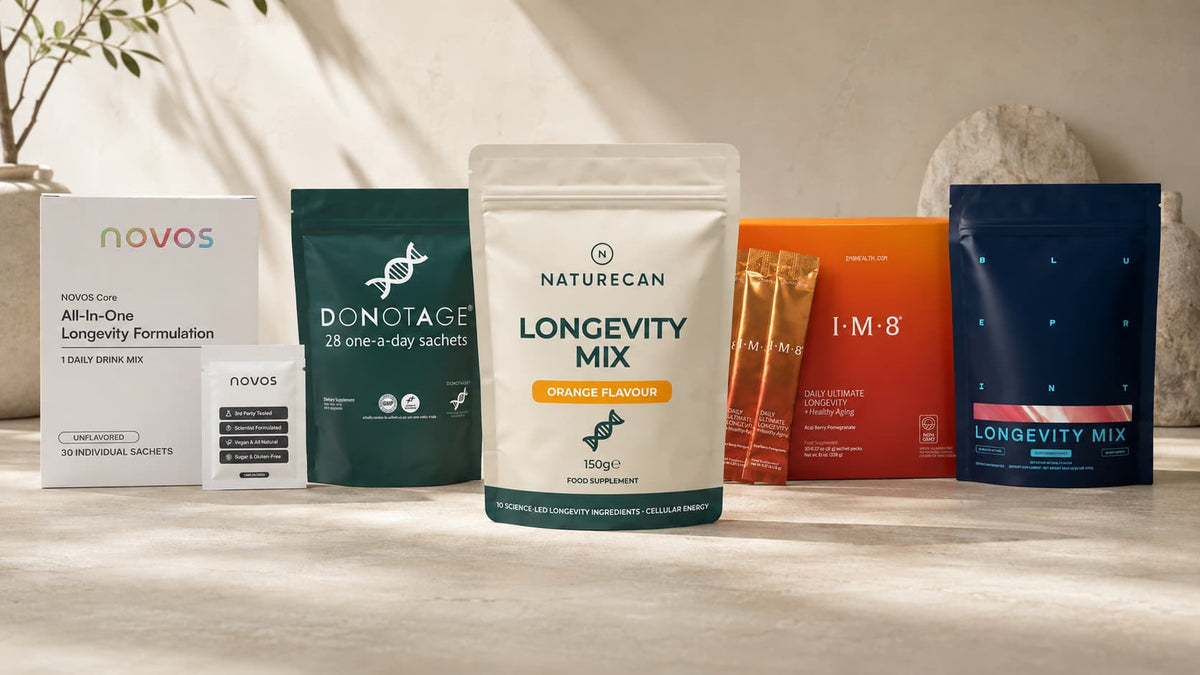
We compare the Longevity Mix formulas from Naturecan, IM8, NOVOS, DoNotAge and Blueprint side by side on disclosed ingredients, finished-product evidence, price and UK/EU safety rules, not marketing language.
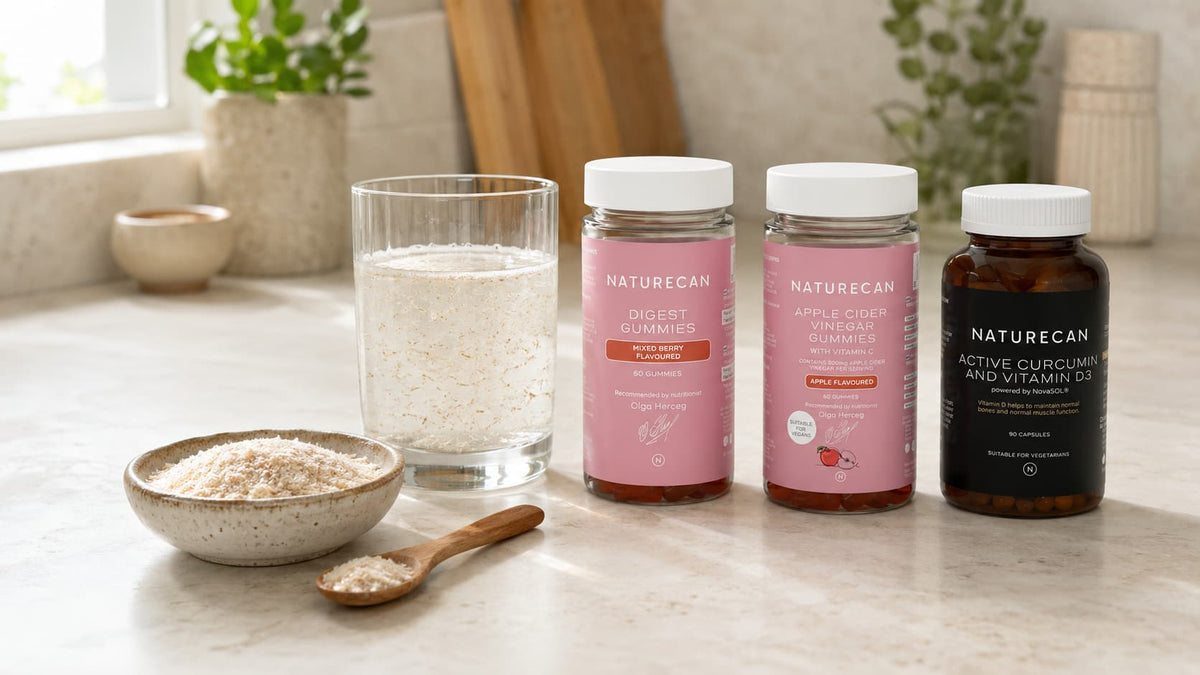
What psyllium husk is, the evidence behind its benefits for digestion, cholesterol and blood sugar, and how to use it safely as a powder, whole husk or in capsules.


