

Synfonie Serum: What Our 84-Day Trial Reveals About Skin Ageing

Published:
Written by Becky Burrows & reviewed by Paul Holmes.
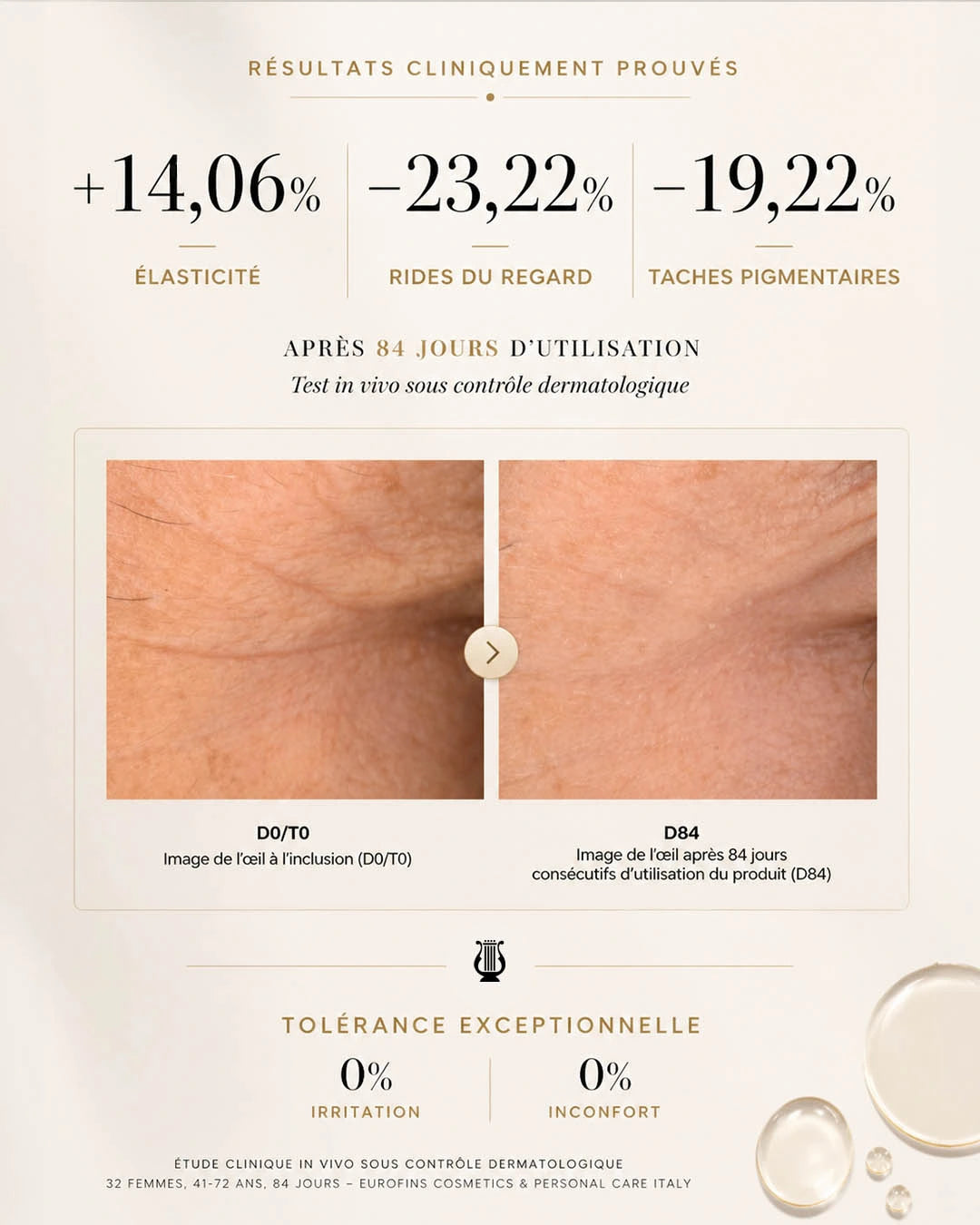
+14.06%
skin elasticity
−23.22%
periocular wrinkles
−19.22%
age related discolouration
Statistically significant results after 84 days - independent, dermatologist-supervised study (Eurofins, 2025)
After 84 days of daily use, an independent dermatologist-supervised study found that participants using our Crescendo Nectar Anti-Age Serum experienced measurable improvements in skin elasticity, fine lines, and brown spot appearance. (1)
In this article, we explain how skin ages, what a serum actually does, and why this formulation may make a difference.
At a glance
- Serums differ from moisturisers in molecular weight and active concentration, making them better suited to targeting age-related skin changes
- Skin ages through two parallel processes (intrinsic and extrinsic), both driving a decline in collagen, elastin, and moisture retention
- The Crescendo Nectar Anti-Age Serum underwent an independent, dermatologist-supervised 84-day study (Eurofins, 2025) with statistically significant results across three measures: +14.06% skin elasticity, −23.22% periocular wrinkle depth, −19.22% brown spot visibility
- Behind those results is a six-active formulation developed with skincare expert Sonia Sélaire, each ingredient chosen for a specific, evidence-informed cosmetic role
“The Crescendo Nectar formulation was built around the idea that skin longevity requires more than surface hydration. Each active has been chosen for its specific role in improving appearance - and the combination is designed to work at multiple depths of the skin.”
- Sonia Sélaire, skincare expert and co-creator of the Synfonie Skincare Maestro line
What Does a Face Serum Actually Do? And Why it Matters for Ageing Skin
A serum is not simply a lighter version of a moisturiser. The distinction matters - and it matters more as skin ages.
Serum vs. Moisturiser
Serums are formulated with a lower molecular weight and higher concentration of actives than moisturisers. This means their ingredients may deliver concentrated actives to the skin's surface - doing a fundamentally different job to the surface-sealing work of a moisturiser. (4)
As skin ages and its barrier function becomes compromised, this distinction becomes increasingly relevant. A weakened barrier is less able to hold moisture or defend against oxidative stress, and skin that lacks elasticity responds differently to topical products. (2,3,4)
This is why the selection and concentration of actives in a serum formulated for mature skin matters so much - and it’s the context in which the Crescendo Nectar formulation was developed. The ingredient profile in the next section was designed with exactly these considerations in mind.

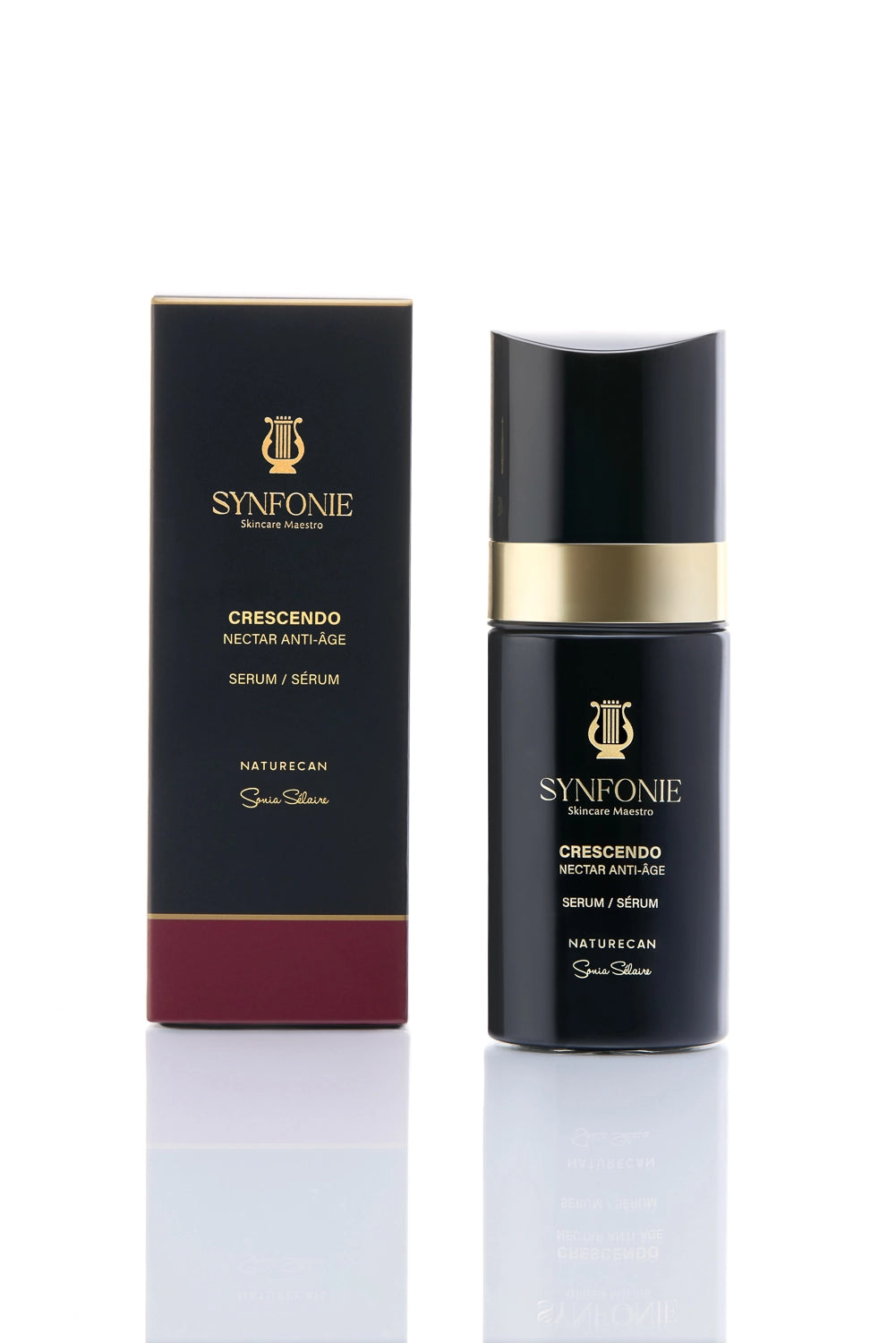
Crescendo Nectar Anti-Age Serum by Sonia Sélaire
Developed with Sonia Sélaire, Crescendo Nectar Anti-Age Serum is a targeted evening treatment from the Synfonie longevity skincare range.
Clinically tested over 84 days, the formula demonstrated statistically significant improvements in skin elasticity, eye-area wrinkles, and the visibility of brown spots.
- Hand crafted in the UK, developed with skincare expert Sonia Sélaire.
- Clinically tested over 84 days under dermatological control.
- A targeted anti-wrinkle serum with retinal and peptides, designed to help reduce the appearance of fine lines.
- Signature 30ml bottle.
- Glass and paper packaging, fully recyclable.

Why does skin age? The biology of skin longevity
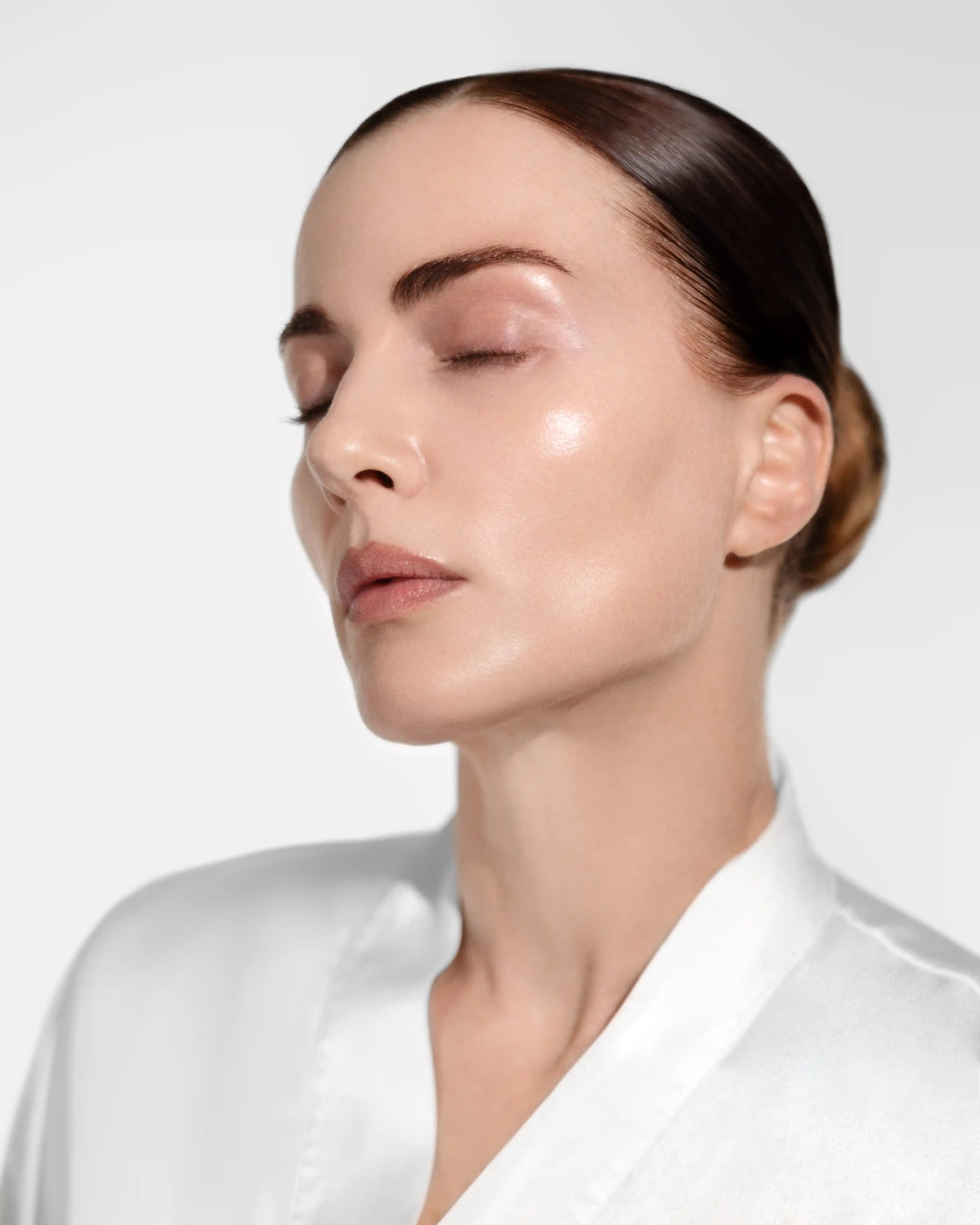
Skin ageing happens through two parallel processes. The first is intrinsic ageing - the gradual, genetically determined changes that occur in all of us over time, regardless of lifestyle. The second is extrinsic ageing, driven by external factors including UV exposure, pollution, smoking, and chronic stress.
At a structural level, what’s happening is a steady decline in the proteins that keep skin looking youthful:
- Collagen - gives skin its firmness, reduces in production as we age
- Elastin - gives skin its ability to spring back, also declines over time
- Natural moisturising factors diminish, leaving skin less able to hold water
- The epidermis gradually thins and the skin’s barrier becomes less efficient
The result is skin that may appear drier, less resilient, and more prone to discolouration and textural change - the visible signs most people associate with getting older. (2,3)
GOOD TO KNOW
Both the intrinsic (biological clock) and extrinsic (sun, stress, lifestyle) ageing processes are happening simultaneously. An effective skincare routine can’t stop the clock - but it may help address the visible effects of both. (2,3)

How to Slow Down Ageing: 8 Science-Backed Strategies
For a broader look at lifestyle approaches to skin longevity, see our article on the science behind ageing and proven tips to help you stay healthy as you age.
Read MoreOur 84-day in-house study: methodology and results
We believe in transparency, which is why we validate our results through independent clinical testing. The Crescendo Nectar Anti-Age Serum was put through a rigorous human in-use test under dermatological control, carried out by Eurofins Cosmetics & Personal Care Italy - an independent, ISO 9001:2015-certified laboratory. (1)
How the study was conducted
STUDY AT A GLANCE
Duration: 84 consecutive days (23 July – 15 October 2025)
Participants: 32 valid cases (33 included; 1 withdrawal for personal reasons)
Who: Female participants, aged 41–72 (mean age 55)
Skin profile: Dry, inelastic skin; fine lines and wrinkles; dark spots and uneven tone
Investigator: Dr. Laura Mainardi (dermatologist), Eurofins Cosmetics & Personal Care Italy
Study type: Monocentric clinical study, single blind, home use under normal conditions

Participants applied the serum at home three times per week. In the evening for the first four weeks, then once every evening for the remaining eight weeks. They were asked to apply it to clean, dry skin, avoid the eye area, and use a broad-spectrum sunscreen each morning. (1)
How Efficacy was Measured
Four objective methods were used at baseline (Day 0) and Day 84:
- Skin elasticity: Cutometer MPA 580 (Courage+Khazaka)
- Periocular wrinkle depth: C-Cube 3D imaging (Pixience)
- Brown spot visibility: VISIA 7 imaging (Canfield)
- High-resolution full-face photography: VISIA 7 (white light)

What the results showed
Across all three quantitative measures, the results were statistically significant (p < 0.05). Here’s what the data showed (1):
| Measure | Baseline | Day 84 | Change |
|---|---|---|---|
| Skin elasticity | 55.30 | 63.07 | +14.06% |
| Periocular wrinkles | 90.57 | 69.53 | −23.22% |
| Brown spots (visibility) | 311.94 | 251.97 | −19.22% |
* Statistically significant change (p < 0.05, Student’s t-test or Wilcoxon test). Results reported as percentage change vs. baseline. Individual results may vary.
GOOD TO KNOW
Skin tolerability was also assessed throughout the trial. After 84 consecutive days of use, no clinical signs of irritation were observed by the dermatologist, and no participant reported any sensation of discomfort attributable to the serum. The product received a rating of “very good skin acceptability”.
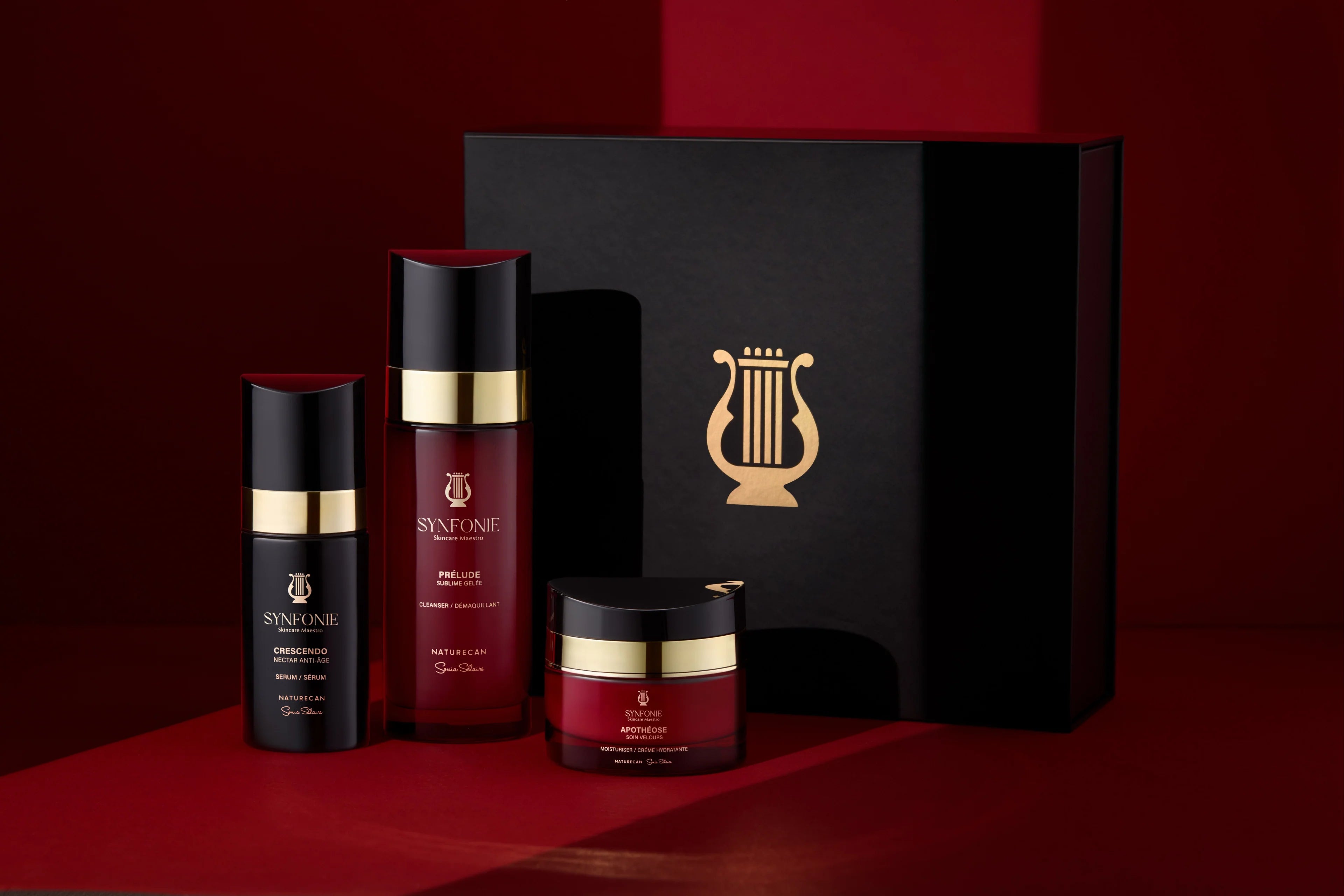
Featured Product: Synfonie Gift Box by Sonia Sélaire
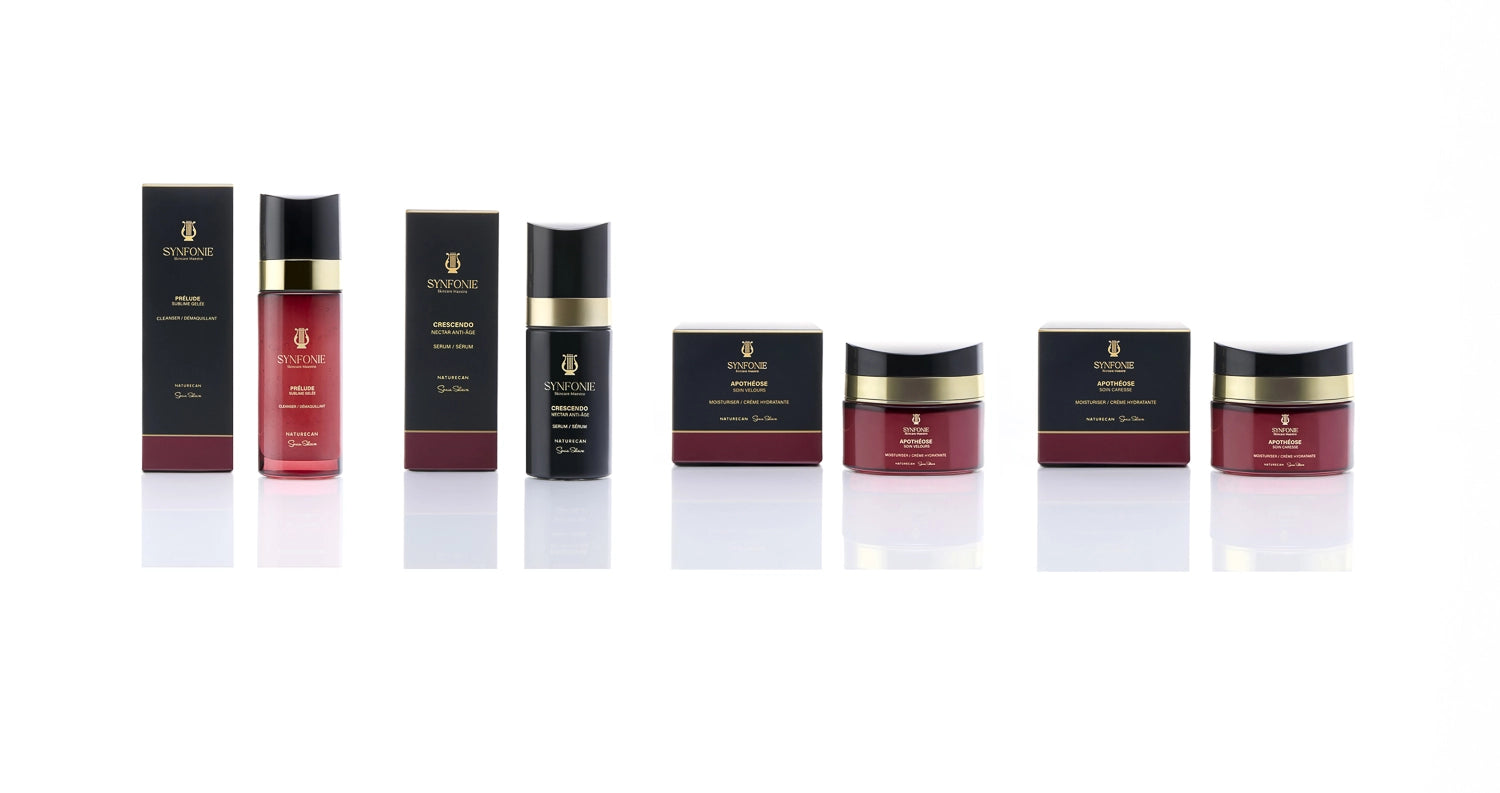
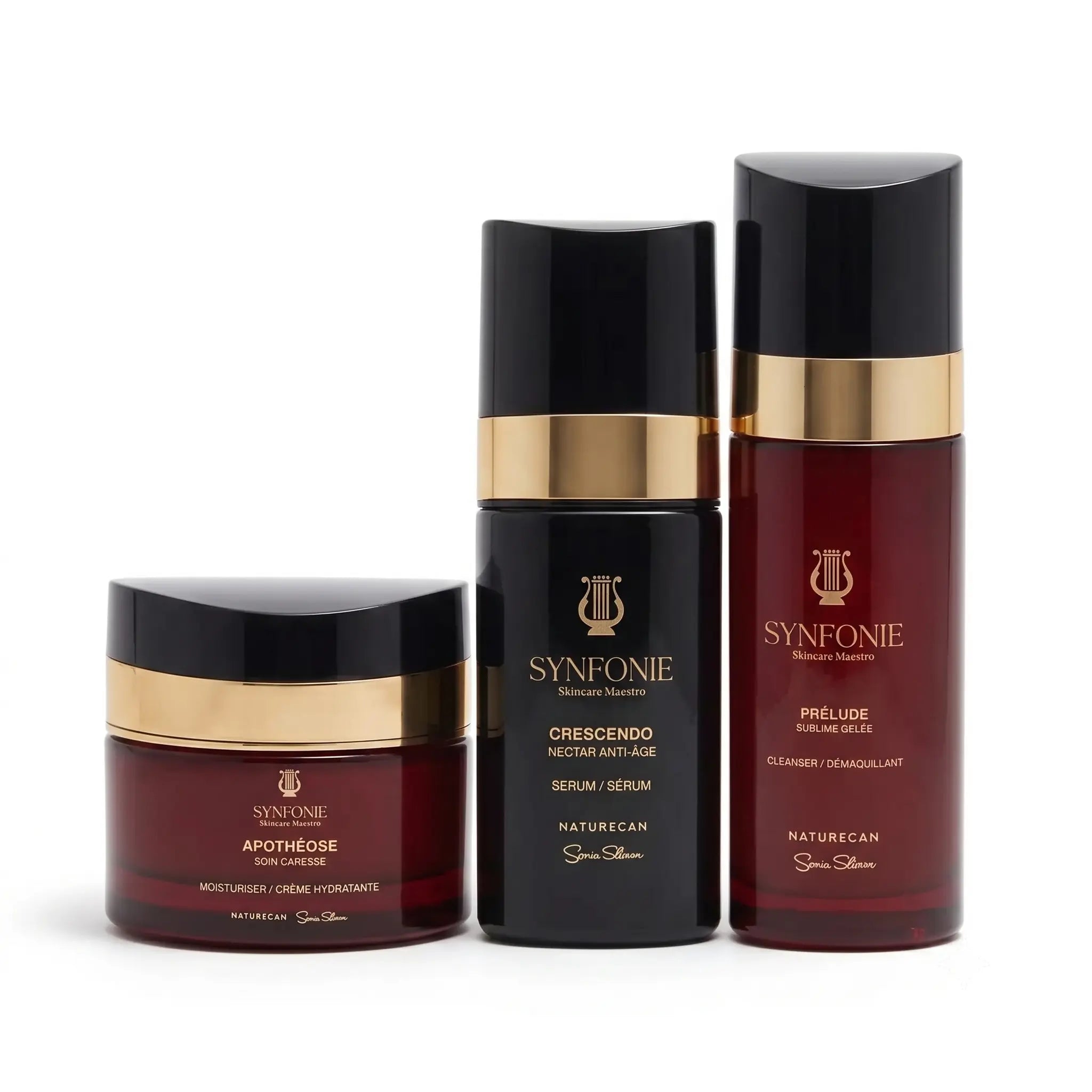
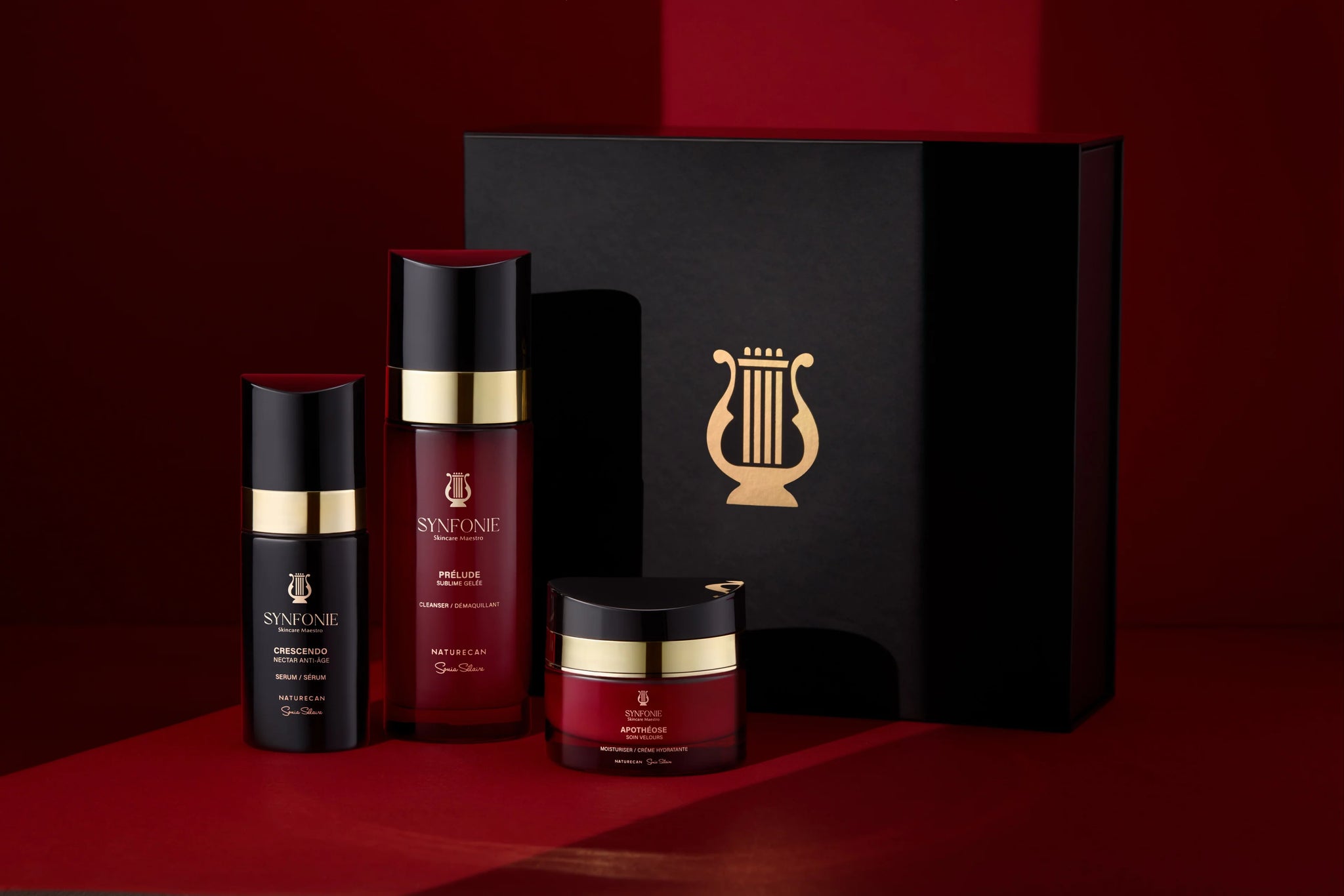
The Synfonie Gift Box brings together the complete Synfonie Skincare Maestro collection, developed in close collaboration with skincare expert Sonia Sélaire.
Three products, designed for you to be your own skincare maestro - a cleanser, a targeted evening serum, and your choice of moisturiser - built on the principle that healthy, resilient skin is the result of consistency over time.
- Handcrafted in the UK, developed with skincare expert Sonia Sélaire
- A complete three-piece longevity skincare ritual in one gift set
- Contains: 100 ml Cleanser, 30 ml serum, 50 ml light or rich moisturiser
- Science-backed formulations with clinically recognised actives
- Choose your moisturiser: Light (normal / oilier skin) or Rich (dry skin)
The Ingredients Behind the Results: What Makes the Crescendo Nectar Serum Different?
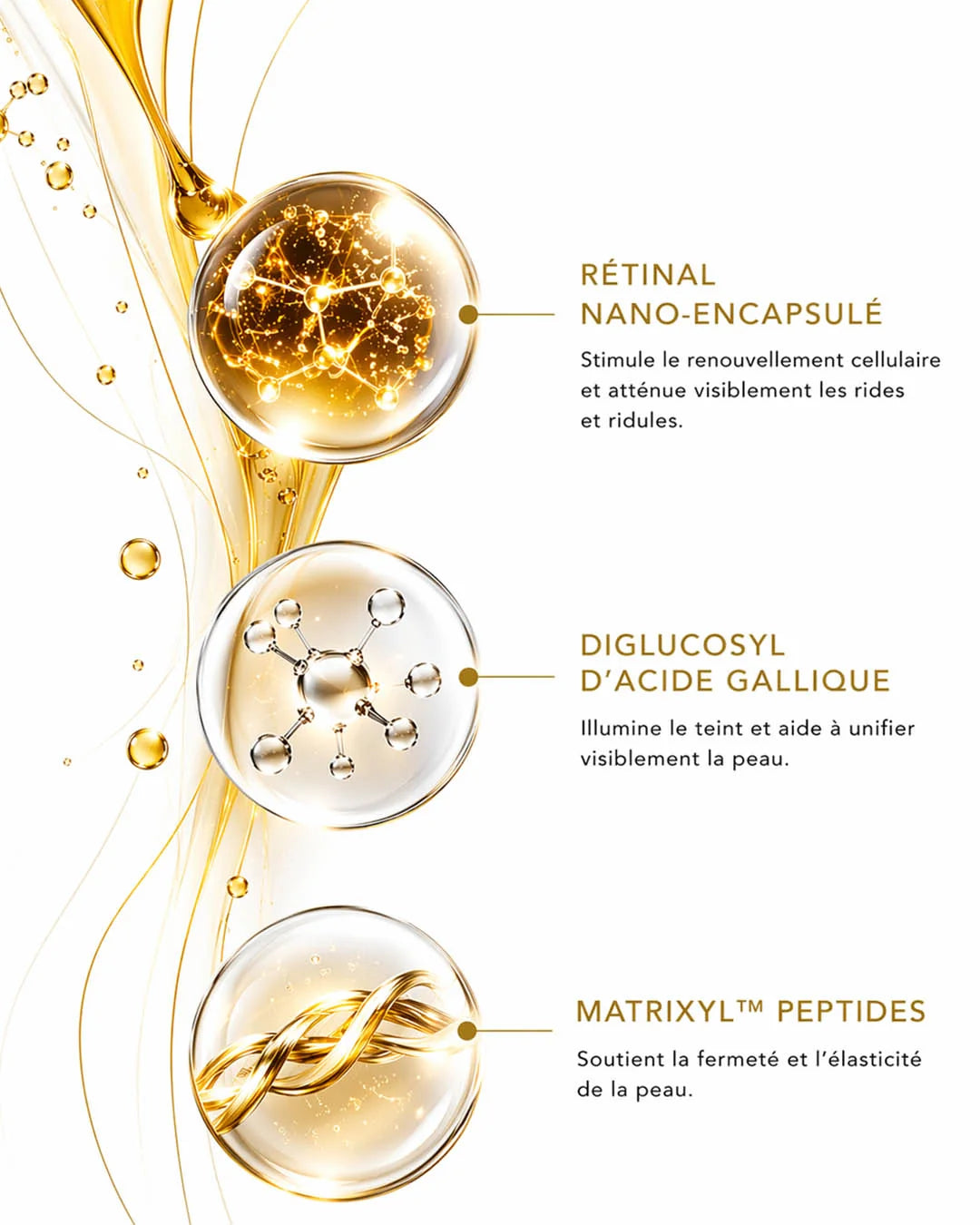
A study result is only as meaningful as the formulation behind it. The Crescendo Nectar Anti-Age Serum contains six key actives, each chosen for a specific cosmetic role. Here’s a quick-reference overview, followed by a deeper look at each one.
| Ingredient | Key Cosmetic role | Evidence Base |
|---|---|---|
| Retinal | May support the appearance of skin cell turnover and fine lines; requires fewer conversion steps than retinol | Retinoid research (PubMed) (5) |
| Niacinamide | May help improve the appearance of skin barrier function, uneven tone, and pore size | Skin barrier research (MDPI) (6) |
| Palmitoyl Tripeptide-38 | May support the appearance of firmer-looking skin via peptide signalling mechanisms | Cosmetic peptide research (MDPI) (7) |
| Sodium Hyaluronate | Humectant; lower molecular weight than standard HA for deeper-reaching surface hydration support | Hydration research (PubMed) (8) |
| Ceramide NP | May support skin barrier integrity and reduce the appearance of dryness and water loss | Barrier/ceramide research (PubMed) (9) |
| Diglucosyl Gallic Acid | Antioxidant; may support a more radiant-looking, even-toned complexion over time | Gallic acid derivative research (PubMed) (10) |

Retinal
Retinal (retinaldehyde) belongs to the retinoid family - a group of vitamin A derivatives that have been extensively studied in the context of skincare. Within the retinoid hierarchy, retinal sits closer to the active form than retinol, requiring fewer conversion steps. In practical terms, this may mean it can support the appearance of skin cell turnover and fine lines more efficiently than lower-conversion retinoids. (5)

Niacinamide
Niacinamide (vitamin B3) has a solid body of research exploring its role in skin barrier support and the appearance of uneven tone. It may help support the production of ceramides and other barrier lipids, which in turn may help reduce the appearance of dryness and improve moisture retention. Research also suggests niacinamide may help support the appearance of pore size and uneven tone over time. (6)

Palmitoyl Tripeptide-38
Palmitoyl Tripeptide-38 is a synthetic peptide - a small chain of amino acids - that research suggests may support the appearance of firmer-looking skin. Peptides work through signalling mechanisms, communicating with skin cells in ways that may support the skin’s own structural processes. In cosmetic anti-ageing use, Palmitoyl Tripeptide-38 has been studied for its potential role in supporting the appearance of skin density and firmness over time. (7)

Sodium Hyaluronate
Sodium hyaluronate is the salt form of hyaluronic acid, with a lower molecular weight than standard HA - which means it may support deeper-reaching hydration at the skin’s surface. As a humectant, it works by attracting and holding water, which may support the appearance of plumper, more hydrated skin. In the context of ageing skin, where natural moisturising factors decline, this is a meaningful inclusion. (2,8)

Ceramide NP
Ceramides are lipid molecules that play a central role in healthy skin barrier function. Ceramide NP is one of the primary ceramide types found in the skin and, when applied topically, may help support barrier integrity and reduce the appearance of dryness. In the Crescendo Nectar formulation, it works in conjunction with niacinamide - both ingredients may contribute to barrier support through complementary mechanisms. (6,9)

Diglucosyl Gallic Acid
Diglucosyl Gallic Acid is a gallic acid derivative with antioxidant properties. Antioxidants in skincare are typically included for their potential role in helping neutralise free radical activity, which is associated with extrinsic skin ageing caused by UV exposure and environmental pollution. In the Crescendo Nectar formulation, it may contribute to a more radiant-looking, even-toned complexion over time. (3,10)
Why retinal over retinol?
Retinol must convert to retinal, then to retinoic acid before it can work. The Crescendo Nectar formulation skips a step - starting with retinal - which research suggests may make it a more efficient choice for cosmetic anti-ageing use. (5)
Shop Related Collections
Skin Health

Longevity

Beauty & Skincare

Hair, Skin & Nails

Beauty Supplements

The Synfonie verdict: what 84 days of data tells us
The Crescendo Nectar Anti-Age Serum is not built on claims - it is built on a formulation that has been tested independently, over 84 days, with statistically significant results across three skin measures. Skin may appear more elastic, fine lines around the eyes may appear reduced, and brown spots may appear diminished. Across all 32 participants, the serum also demonstrated very good tolerability throughout the full study period. (1)

Skin Elasticity
Supporting a firmer, more resilient complexion that responds better to the natural ageing process.

Periocular Wrinkles
Visibly smoother appearance around the eyes, with fine lines appearing less defined over time.

Brown Spots
Helping to even skin tone and reduce the appearance of hyperpigmentation.
Disclaimer:The before-and-after visuals above are digitally generated illustrations and do not represent real individuals or actual treatment results. They are intended as a visual reference only. Results are based on a clinical study conducted over 84 days and may vary between individuals.
Behind those results is a carefully considered ingredient profile - retinal, niacinamide, Palmitoyl Tripeptide-38, Sodium Hyaluronate, Ceramide NP, and Diglucosyl Gallic Acid - developed in collaboration with skincare expert Sonia Sélaire. It reflects Naturecan’s broader commitment to evidence-informed wellness: products developed with science, not just aspiration.
FAQs
What is an anti-ageing serum?
An anti-ageing face serum is a lightweight, high-concentration skincare product formulated with active ingredients designed to target visible signs of ageing - such as fine lines, uneven tone, and reduced elasticity. Unlike a moisturiser, a serum typically has a lower molecular weight, which may allow its actives to reach deeper into the skin’s surface layers. It is usually applied before a moisturiser as part of your evening skincare routine. (4)
How does the Crescendo Nectar Anti-Age Serum work?
The serum combines six key actives - retinal, niacinamide, Palmitoyl Tripeptide-38, Sodium Hyaluronate, Ceramide NP, and Diglucosyl Gallic Acid - each chosen for a specific cosmetic role. In our 84-day in-house study, conducted under dermatological supervision by Eurofins, participants saw statistically significant improvements in skin elasticity (+14.06%), periocular wrinkle appearance (−23.22%), and brown spot visibility (−19.22%). Results may vary. (1)
Are there any side effects?
In our 84-day study, no clinical signs of skin irritation were observed by the dermatologist, and no participant reported any sensation of discomfort attributable to the serum. As with any new skincare product, we recommend a patch test before first use: apply a small amount to the inside of your wrist and wait 24 hours. If you have particularly sensitive skin or a known skin condition, consult a dermatologist before introducing new actives. (1)
How long does it take to see results?
In our in-house study, measurable improvements were observed after 84 consecutive days of use. Individual results may vary depending on skin type, age, and consistency of application. As with most evidence-informed skincare, consistent daily use over an extended period is likely to produce the most meaningful visible difference. (1)
Is it safe to use every day?
Yes - the Crescendo Nectar serum is formulated for regular daily use. During our 84-day study, participants applied it three times per week for the first four weeks, then once every evening thereafter, with no adverse reactions recorded. If you have a known skin condition or heightened sensitivity, consult a dermatologist before adding new actives to your routine. (1)
How do I apply it?
Apply to clean, dry skin in the evening, avoiding the eye area. Follow with a broad-spectrum sunscreen each morning. For full routine guidance, see our Anti-Ageing Skin Care Routine article. (1)
Can I use it alongside other skincare products or supplements?
The Crescendo Nectar serum is designed to sit within a broader skincare routine - applied before your moisturiser and followed by SPF in the morning. If you are already using other retinoids or high-concentration actives, consult a dermatologist to ensure your routine is well-balanced. For those looking to support skin from within alongside their topical routine, explore the Naturecan Beauty Supplement Collection. (4,5)

Reviewed by Paul Holmes
Director of Science and Innovation at Naturecan
Testing for large pharmaceutical & tobacco companies, Paul has built a wealth of scientific and regulatory knowledge, working on regulatory submissions to bodies such as the FDA and the MHRA.
He holds a BSc in Medicinal and Biological Chemistry and sits on the UKAS CBD Food Product Approval Expert Group.
Discover our Naturecan Blog

Low FODMAP Diet: How It Affects Gut Bacteria, Prebiotics & Probiotics
Discover how the low FODMAP diet affects gut bacteria and IBS symptoms. Explore the role of prebiotics and probiotics, simple food swaps, and practical tips for supporting gut health while maintaining a balanced diet.
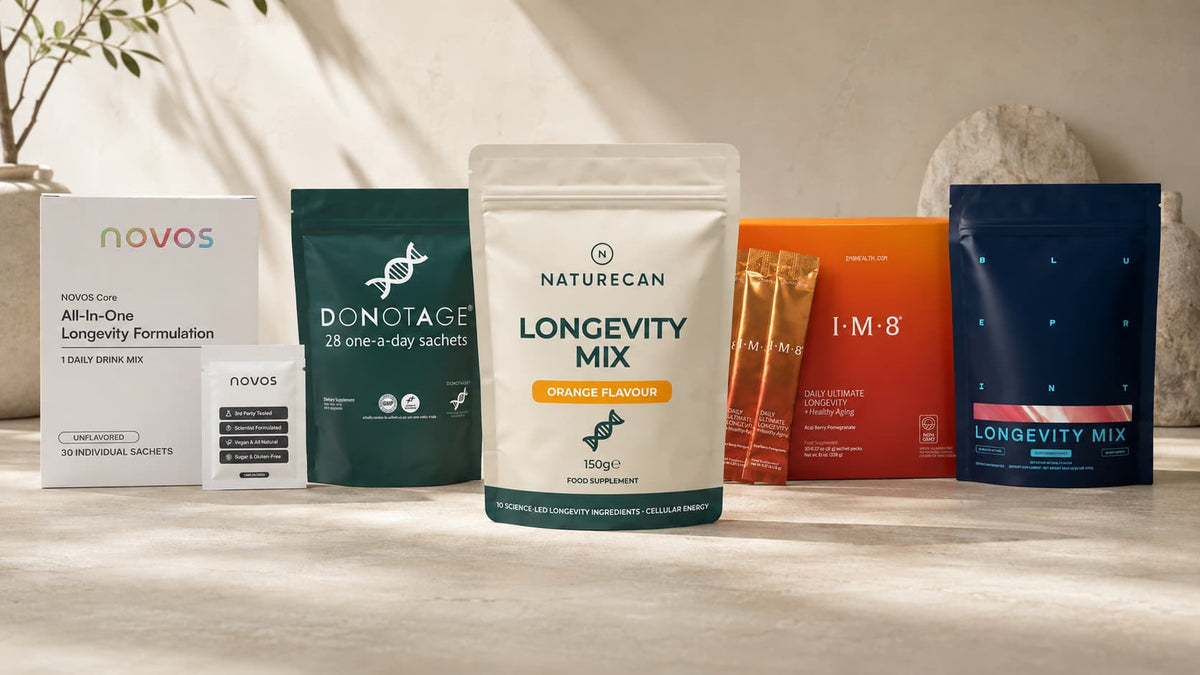
Longevity Mix Compared: What's Actually in IM8, NOVOS, DoNotAge, Blueprint & Naturecan
We compare the Longevity Mix formulas from Naturecan, IM8, NOVOS, DoNotAge and Blueprint side by side on disclosed ingredients, finished-product evidence, price and UK/EU safety rules, not marketing language.
Psyllium Husk: What It Is, Benefits, How to Use & Is It Safe?
What psyllium husk is, the evidence behind its benefits for digestion, cholesterol and blood sugar, and how to use it safely as a powder, whole husk or in capsules.


