Everything you need to know about biotin supplements - from what biotin does and whether it really helps hair growth, to dosage, side effects, and food sources.


Everything you need to know about biotin supplements - from what biotin does and whether it really helps hair growth, to dosage, side effects, and food sources.
Does Biotin Really Work? An Honest, Evidence-Based Guide

Written by Reem Al Karim & reviewed by Paul Holmes.
Biotin is one of the most widely purchased supplements in the UK. Walk into any pharmacy and you will find shelves of biotin tablets, gummies, and shampoos all promising better hair, stronger nails, and clearer skin. But how much of that is backed by science?
The honest answer is more nuanced than most product labels suggest. Biotin, also known as Vitamin B7, is an essential B-complex vitamin with several authorised health claims for hair, skin, nails, energy metabolism, and nervous system function. As a biotin supplement, it is most beneficial for those with low dietary intake or a confirmed deficiency, though it is widely used as part of a general beauty and wellness routine.
This article covers everything you need to know about biotin supplements before you buy, including what biotin does, whether it actually helps with hair growth, how much to take, side effects, and the best biotin foods. The short version:
Biotin is a water-soluble B-complex vitamin, also known as Vitamin B7 or Vitamin H. The name Vitamin H comes from the German words Haar und Haut, meaning hair and skin, which gives you an immediate sense of where its reputation comes from.
Like all B vitamins, biotin is water-soluble, meaning the body cannot store significant amounts and needs a regular supply from food or supplementation. It is found naturally in a wide range of biotin foods and is also produced in small amounts by gut bacteria, though not enough to meet daily requirements on its own.
Biotin acts as a coenzyme in several important metabolic reactions, particularly those involved in converting carbohydrates, fats, and proteins into usable energy. The authorised EU/UK health claims for biotin include: [1]

NOTE
These authorised claims reflect what the evidence actually supports and are the basis for biotin supplements being recommended as part of a daily hair, skin, and nail routine.

The biotin benefits that attract the most attention are hair, skin, and nails, but the full picture is broader than that. Here is what the research and authorised claims cover.
Biotin for hair is the most searched use of this supplement, and it deserves an honest answer.
Biotin contributes to the maintenance of normal hair. That is the authorised EU/UK health claim, and it is well supported. Biotin plays a direct role in keratin production, the protein that forms the structure of each hair strand. Maintaining adequate biotin levels supports normal hair growth cycles and hair quality.
However, the evidence for biotin for hair growth in people who are not deficient is more limited. A 2017 review published in Skin Appendage Disorders examined the available clinical literature on biotin and hair. The authors found that biotin supplementation produced improvements in hair growth primarily in cases where an underlying deficiency or related condition was present. For people with normal biotin levels, the clinical evidence for biotin for hair growth as a standalone benefit is less convincing. [3]
What this means in practice:
Hair concerns can have many causes. If you have concerns about your diet or nutritional intake, a healthcare professional can advise.
For a broader approach to hair, skin, and nail support, Naturecan's Hair, Skin and Nails Bundle combines several key nutrients in one routine.
| Format | Best for | Things to consider |
|---|---|---|
| Biotin tablets and capsules | Consistent daily supplementation - precise dosing, vegan-friendly, cost-effective | Most straightforward format to fit into a morning routine. Doses range from 10mcg (NRV level) to 10,000mcg in high-strength formulations. Generally the most practical and better-value choice for long-term daily use |
| Biotin gummies | Those who prefer a more enjoyable daily supplement experience | Often contain added sugars, sweeteners, and flavourings. Always check the biotin dose per serving on the label rather than relying on the packaging |
| Biotin shampoo and biotin and collagen shampoo | Complementary hair care alongside oral supplementation | Topical biotin absorption through the scalp is not well established. Oral supplements have a stronger evidence base for hair support. Shampoos should be seen as a complementary step, not a replacement for internal supplementation |
| Biotin injections | Confirmed severe deficiency or specific medical conditions only | Medical procedure administered under supervision - not available over the counter. If prescribed by a healthcare professional, follow their guidance |
GOOD TO KNOW
Not all biotin supplements are created equal. Whether you choose tablets, gummies, or a shampoo, always check the elemental biotin dose per serving on the label - not just the headline number on the front of the packaging. For daily long-term use, biotin tablets or capsules tend to offer the most consistent and cost-effective approach, while topical products such as biotin shampoo work best as a complementary addition to an oral supplement routine rather than a standalone solution.

Daily supplements crafted to support hair and nail health from the inside out.
Read MoreCollagen and biotin are two of the most popular supplements for hair, skin, and nails, and they are frequently sold together or recommended as a combination. Understanding how they differ helps you decide whether one or both is right for you.
Biotin and collagen can be included as part of a varied daily supplement routine. Both contribute to normal function through different nutritional mechanisms. For those seeking comprehensive support for hair, skin, and nails, combining collagen and biotin is a well-tolerated and practical approach. Think of collagen and biotin as addressing different layers of the same goal.
For a detailed guide on collagen supplements available in the UK, see our article on the best collagen supplements.
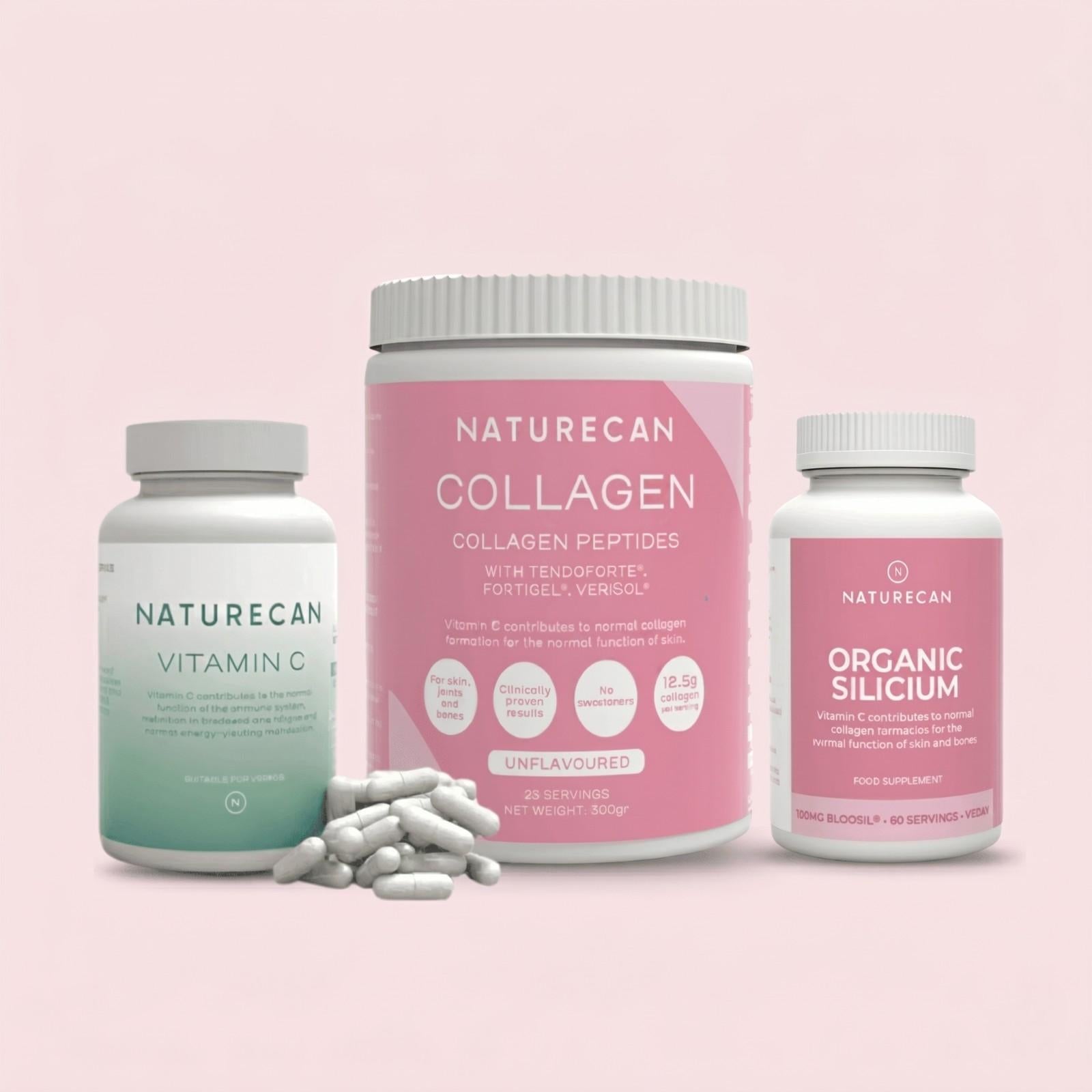
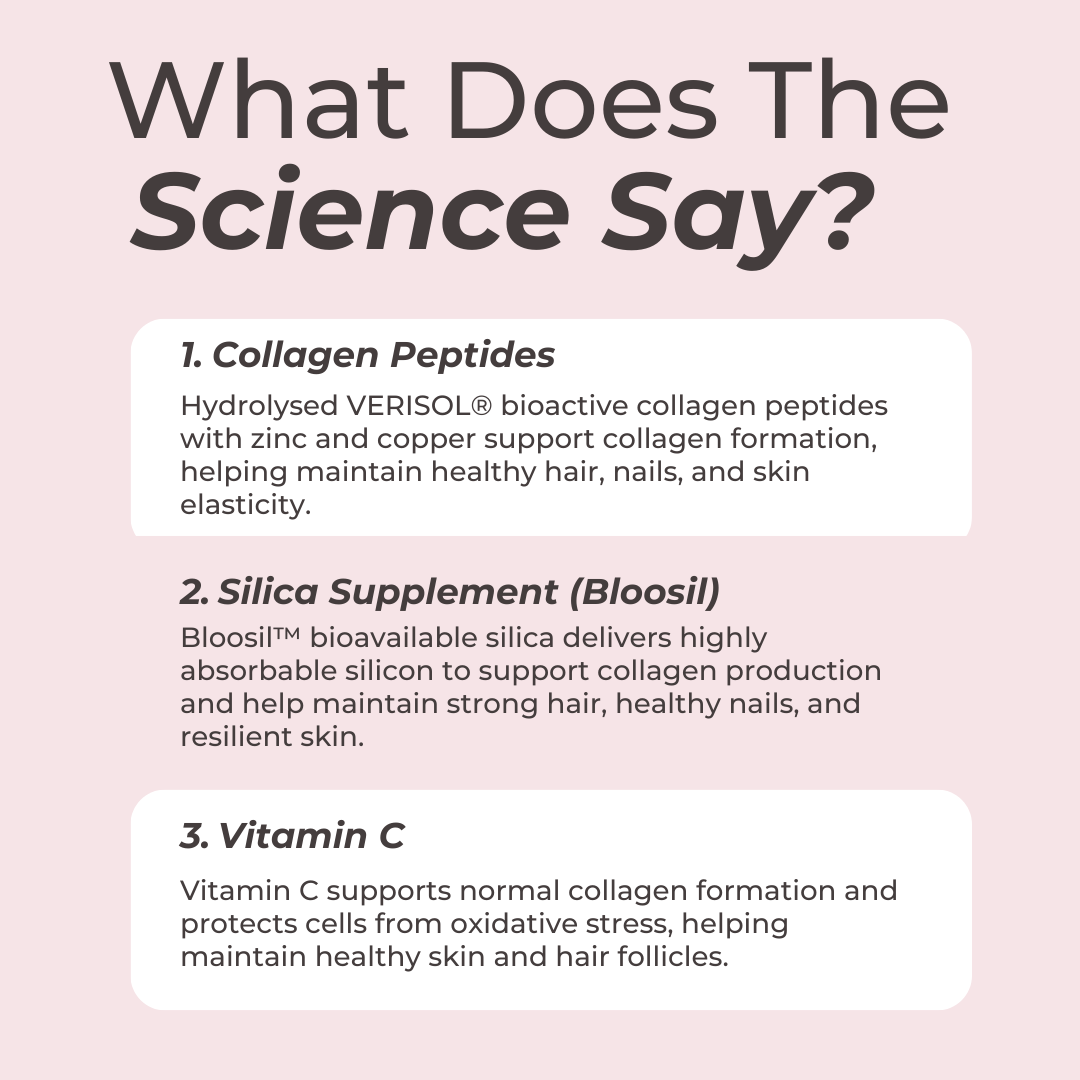
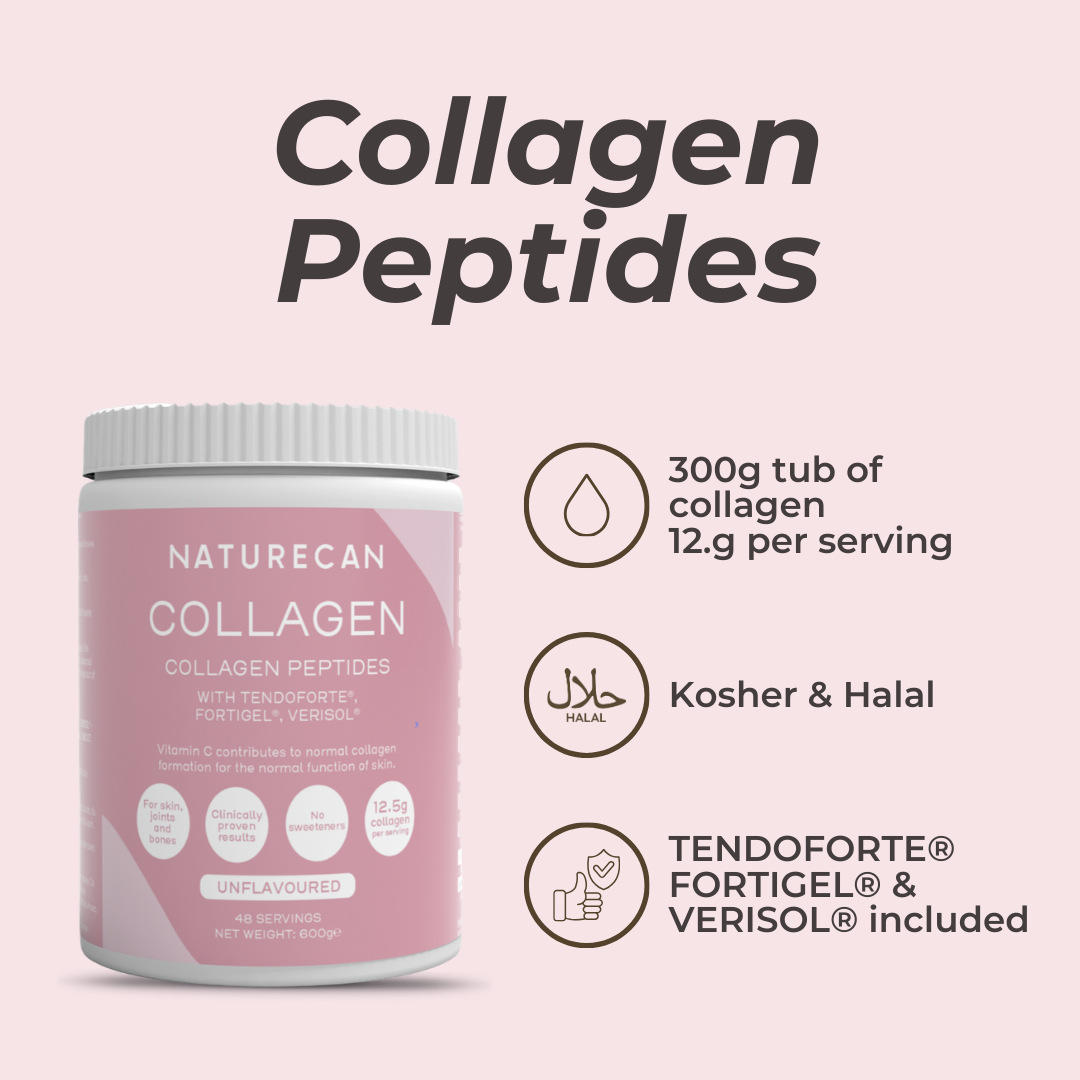
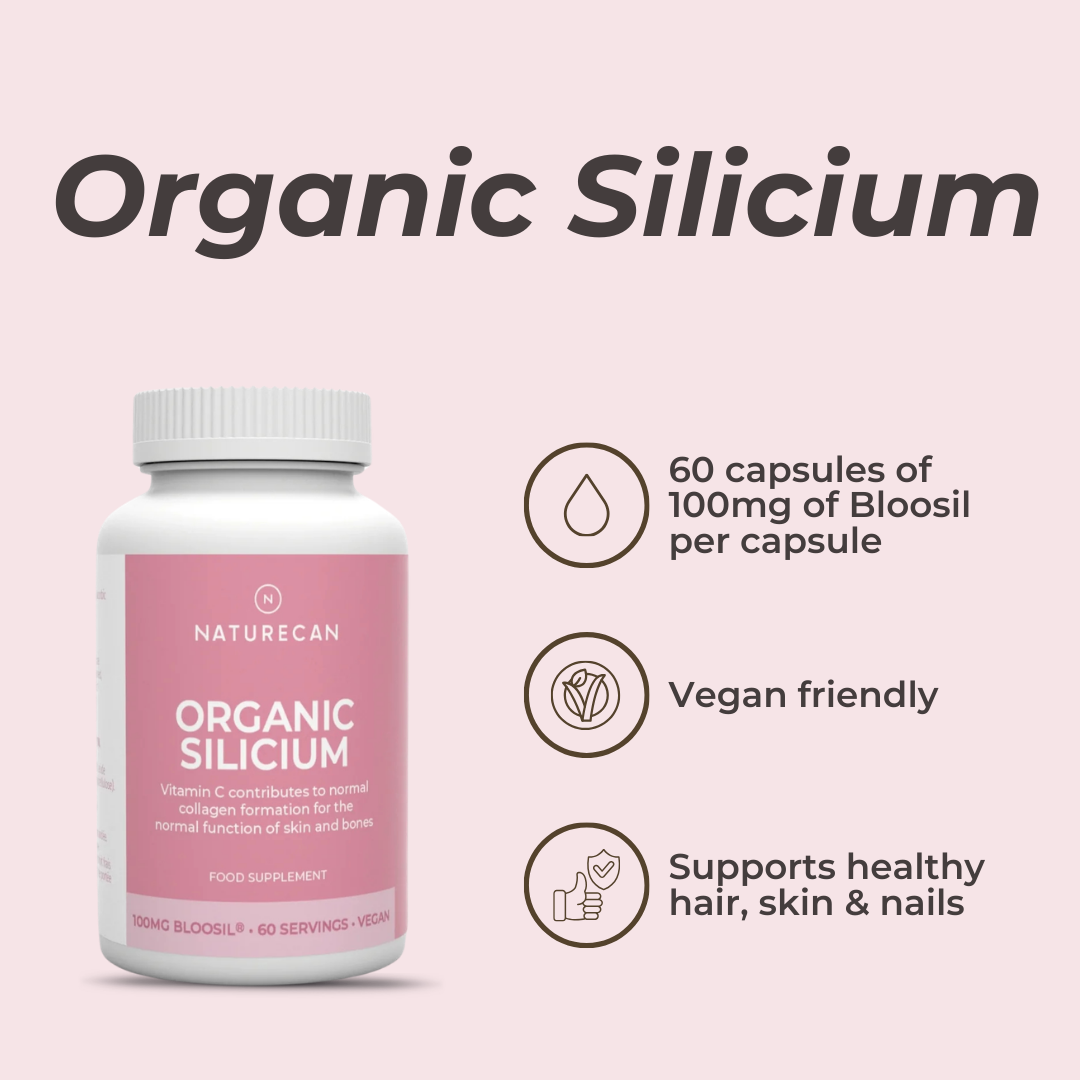
Introducing Naturecans Skin, Hair and Nails bundle - a carefully formulated combination of collagen peptides, bioavailable silica and vitamin C, designed with trademarked ingredients to support healthy skin, hair and nails from within.


Biotin deficiency is rare in the UK among people eating a varied diet. However, certain factors can increase the risk of low intake:
NOTE
Biotin deficiency, which is rare in people eating a varied diet, may present in various ways. If you are concerned about your nutritional intake, speak to a healthcare professional.

1
Hair may become visibly finer or fall out more than usual.

2
Nails may break, chip, or split more easily than normal.

3
Skin may lose moisture and develop a rough or flaky texture.

4
A non-specific sense of fatigue or low energy may occur, though this can have many causes.

5
Some people may notice changes in focus or mental clarity - consult a healthcare professional if concerned.
How much biotin per day you need depends on your goals and current dietary intake. The EU Nutrient Reference Value (NRV) for biotin is 50 micrograms (mcg) per day for adults. Most people eating a varied diet will meet this through biotin foods alone.
However, supplement doses vary enormously. Here is a practical guide to how much biotin per day makes sense for different goals:
| Goal | Suggested dose | Notes |
|---|---|---|
| General daily support | 50 to 100mcg | Covers the NRV and provides a modest top-up |
| Targeted hair, skin and nail support | 1,000 to 5,000mcg | Commonly used range in beauty supplements |
| High-strength supplementation | Up to 10,000mcg | Widely used but note blood test interference above 5,000mcg |
| Pregnancy | Consult a healthcare professional | Requirements change during pregnancy |
NOTE
Biotin is water-soluble, meaning excess is excreted in urine rather than stored in the body. This is why how much biotin per day you take across a wide range is generally considered safe. The key exception is the blood test interference issue covered in the side effects section below.
Always follow the dosage instructions on your specific product label and consult a healthcare professional for personalised guidance.
Most people in the UK get sufficient biotin through a varied diet. Understanding which biotin foods are richest in the vitamin can help you assess whether a biotin supplement is likely to add meaningful value for you.
| Biotin food source | Biotin content (approx. per 100g) |
|---|---|
| Cooked beef or chicken liver | Very high (30 to 70mcg) |
| Cooked egg yolks | High (around 20mcg) |
| Salmon and tuna | Moderate (5 to 10mcg) |
| Nutritional yeast | Very high (varies by product) |
| Sunflower seeds | Moderate (around 5mcg) |
| Sweet potato (cooked) | Low to moderate (around 2 to 4mcg) |
| Almonds | Low to moderate (around 4mcg) |
| Avocado | Low (around 2 to 3mcg) |
| Broccoli | Low (around 1 to 2mcg) |
| Banana | Low (around 0.2mcg) |
One important note about biotin rich foods: raw egg whites contain avidin, a protein that binds to biotin and prevents its absorption. Always cook eggs before eating them if biotin intake is a concern. Cooked egg yolks are actually among the better biotin foods available. [5]
For most people eating a balanced diet that includes eggs, meat, fish, and a variety of biotin foods, dietary intake is sufficient. A biotin supplement is generally most beneficial for those with restricted diets, specific health conditions, or confirmed low intake.
One of the most commonly searched questions is biotin results after 1 week. The honest answer is that one week is unlikely to produce visible changes for most people, and expecting biotin results after 1 week sets an unrealistic benchmark.
Here is a more realistic timeline:
Biotin is not a quick-fix supplement. Its effects build gradually as the body maintains adequate levels over time. Timescales for noticing any changes vary between individuals and depend on factors including current intake levels and overall diet.
Consistency is the most important factor. Taking a moderate dose every day will generally deliver better results than taking a high dose occasionally.
Biotin is a water-soluble vitamin and is generally well tolerated at the doses typically found in food supplements. It is water-soluble, has no established toxic upper limit, and excess is excreted in urine. Very high doses have been studied without apparent harm.
However, there are two important considerations that are often overlooked.
High-dose biotin supplements, typically at doses above 5,000mcg per day, can interfere with laboratory blood tests that use biotin-streptavidin technology. This is a well-documented issue that has been the subject of an FDA safety communication. [4]
The affected tests include those used to measure thyroid function, cardiac markers, vitamin D levels, and hormone levels including oestrogen and testosterone. High biotin can produce falsely high or falsely low results on these tests, potentially leading to misdiagnosis or incorrect medication dosing.
If you take a biotin supplement regularly, particularly at doses above 5,000mcg, inform your GP before any blood tests. They may advise pausing your biotin supplement a few days beforehand. [4]

Other Considerations
Allergic reactions to biotin supplements are rare but have been reported, typically presenting as skin rashes. Discontinue use and consult a healthcare professional if this occurs.
At standard biotin supplement doses, no other significant side effects have been consistently reported in the literature.
as biotin requirements change during these periods
Naturecan does not currently offer a standalone biotin supplement, but biotin is included as part of two relevant products in their range.
The Vegan Multivitamin includes biotin as part of a comprehensive blend of 23 vitamins and minerals in one daily capsule. It is a practical choice for those who want to cover multiple nutritional gaps, including biotin, without managing several separate supplements. Vegan-friendly and third-party tested.
The Hair, Skin and Nails Bundle takes a broader approach, combining targeted nutrients across these three areas in one convenient routine. For those whose primary concern is hair, skin, and nail health, this is a more focused option than a general multivitamin.
For those interested in combining a biotin supplement with collagen for hair and skin support, our guide to the best collagen supplements covers the UK options in detail.
Biotin is a well-evidenced, safe, and widely used biotin supplement with several authorised health claims for hair, skin, nails, energy metabolism, and nervous system function. It is a practical daily addition for those with restricted diets, low dietary biotin intake, or specific nutritional goals.
A few things to keep in mind:
Explore Naturecan's hair, skin and nails supplements range, all third-party tested and vegan-friendly, designed to fit a straightforward daily routine.
Biotin (Vitamin B7) is a water-soluble B-vitamin with several authorised EU/UK health claims. It contributes to normal energy-yielding metabolism, the maintenance of normal hair, skin, and nails, normal psychological function, and the normal functioning of the nervous system. These biotin benefits are EFSA-backed and form the basis for biotin supplements being recommended as part of a daily wellness routine. Biotin is found naturally in biotin foods including eggs, liver, and nuts.
Biotin contributes to the maintenance of normal hair, which is its authorised EU/UK claim. Does biotin help hair growth beyond this? The evidence is strongest in people with a confirmed deficiency. For those with adequate levels, biotin supports normal hair maintenance but is unlikely to produce significant new growth. If hair loss is a concern, speak to a GP to identify the underlying cause rather than relying on a biotin supplement alone.
The EU Nutrient Reference Value for biotin is 50mcg per day for adults. Most biotin tablets and capsules in the UK provide between 100mcg and 10,000mcg per dose. Doses across this range are generally safe as biotin is water-soluble. However, how much biotin per day you take matters for blood tests, as doses above 5,000mcg can interfere with lab results. Always follow your product label and consult a healthcare professional if unsure.
Biotin results after 1 week are unlikely for most people. Those with a deficiency may notice energy and wellbeing improvements within 1 to 2 weeks. Nail strength improvements are typically reported over 4 to 8 weeks. Hair changes, where they occur, take 3 to 6 months given how slowly hair grows. Expecting biotin results after 1 week sets an unrealistic benchmark. Consistent daily use over months is what the evidence supports.
A biotin supplement is very well tolerated with no established toxic upper limit. The most important side effect to be aware of is that high-dose biotin, above 5,000mcg per day, can interfere with common laboratory blood tests including thyroid and cardiac markers. Rare allergic skin reactions have also been reported. If you take a biotin supplement regularly, inform your GP before any blood tests.
Yes. High-dose biotin supplements can interfere with laboratory tests that use biotin-streptavidin technology, including thyroid function, cardiac markers, vitamin D, and hormone tests. The FDA issued a safety communication about this in 2019. The risk is highest with doses above 5,000mcg per day. If you are due for blood tests, let your GP know you are taking a biotin supplement, as they may advise pausing it a few days beforehand. [4]
Both biotin tablets and biotin gummies deliver oral supplementation effectively. Biotin tablets typically offer precise dosing, fewer additives, and better value. Biotin gummies are more enjoyable but often contain added sugars and flavourings. Always check the elemental biotin dose per serving on the label. For daily long-term use, biotin tablets or capsules are generally the more practical choice.
Yes. Biotin and Vitamin B7 are the same nutrient. Biotin is also sometimes called Vitamin H, from the German Haar und Haut meaning hair and skin. It is one of the eight B-complex vitamins and is water-soluble, meaning the body does not store significant amounts and needs a regular supply from biotin foods or a biotin supplement.
The best biotin rich foods include cooked egg yolks, beef and chicken liver, salmon, tuna, nutritional yeast, sunflower seeds, almonds, sweet potatoes, avocado, broccoli, and bananas. Note that raw egg whites block biotin absorption due to the protein avidin. Among biotin foods, cooked liver and eggs are the most concentrated sources. Most people eating a varied diet that includes these biotin foods will not require supplementation.
Yes. Collagen and biotin can be taken together safely with no known interactions. They support hair, skin, and nails via different mechanisms: biotin supports keratin production and metabolic function, while collagen provides structural support for skin and hair follicles. Combining collagen and biotin is a popular approach for those seeking broader hair and skin support, as they address different aspects of the same goal.
Biotin shampoo is widely marketed for hair health but the clinical evidence for topical biotin absorption through the scalp is limited. Biotin shampoo and biotin and collagen shampoo products may support hair appearance through conditioning ingredients, but the biotin component is unlikely to replicate the effects of an oral biotin supplement. Biotin tablets or capsules are better evidenced for hair support than any topical application.
Biotin is water-soluble and no toxic upper limit has been established. Very high doses have not produced significant toxicity in studies. However, taking a high-dose biotin supplement, above 5,000mcg per day, increases the risk of interference with laboratory blood tests. Follow your product label guidance on how much biotin per day and inform your GP if you take high-dose biotin before any blood tests.

Director of Science and Innovation at Naturecan
Testing for large pharmaceutical & tobacco companies, Paul has built a wealth of scientific and regulatory knowledge, working on regulatory submissions to bodies such as the FDA and the MHRA.
He holds a BSc in Medicinal and Biological Chemistry and sits on the UKAS CBD Food Product Approval Expert Group.
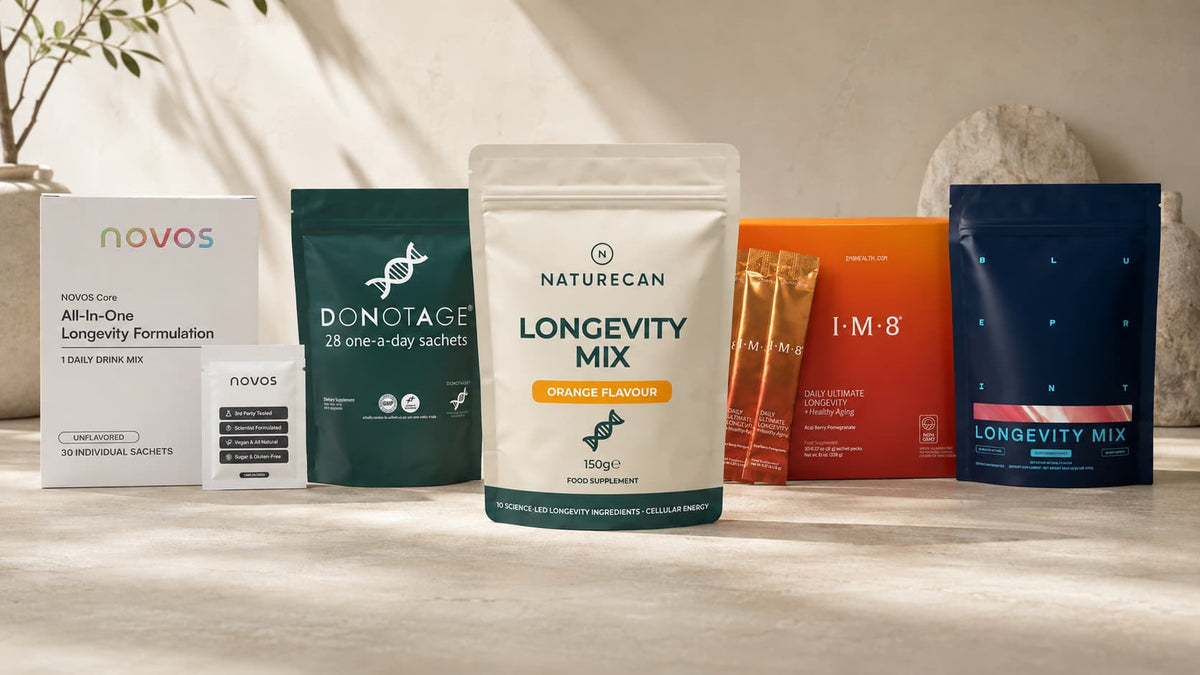
We compare the Longevity Mix formulas from Naturecan, IM8, NOVOS, DoNotAge and Blueprint side by side on disclosed ingredients, finished-product evidence, price and UK/EU safety rules, not marketing language.
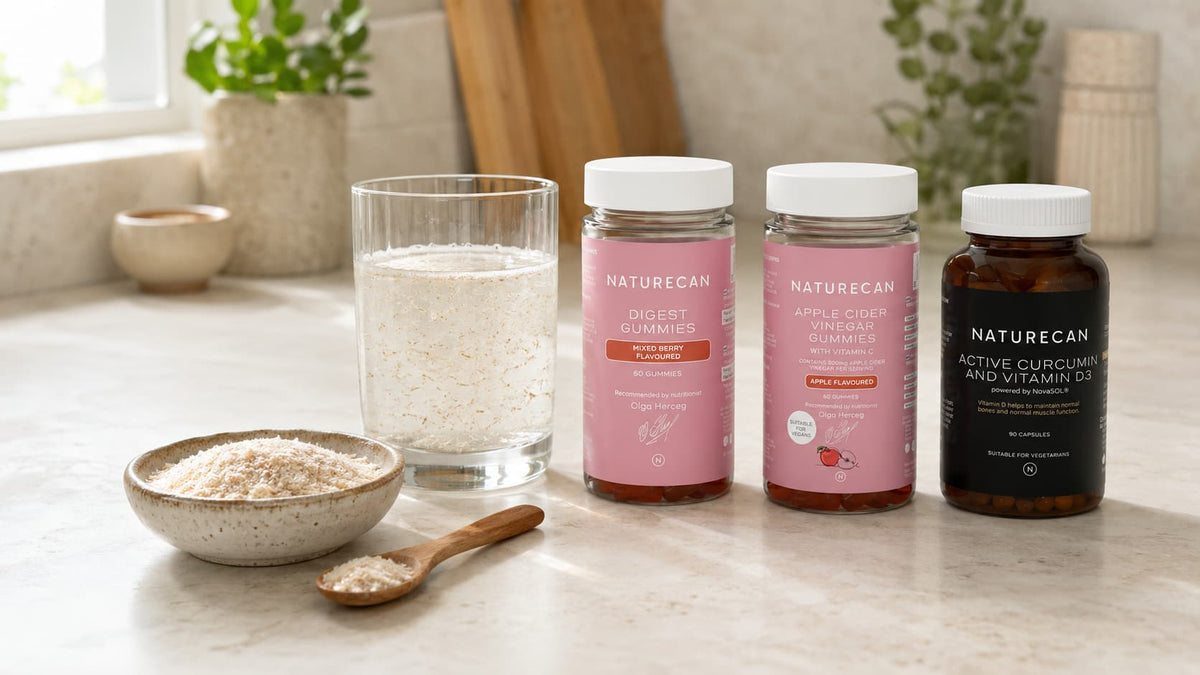
What psyllium husk is, the evidence behind its benefits for digestion, cholesterol and blood sugar, and how to use it safely as a powder, whole husk or in capsules.
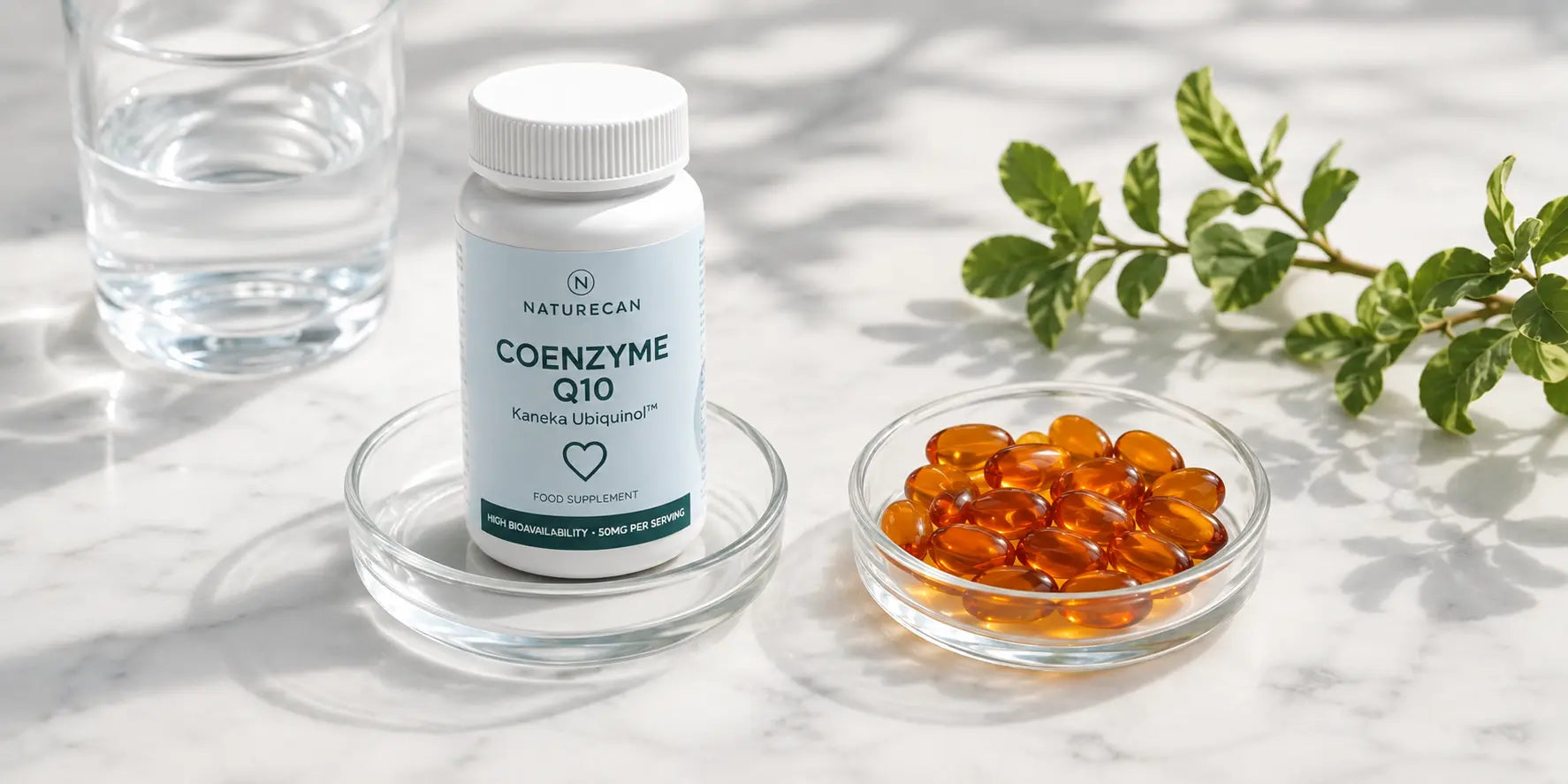
Ubiquinol and CoQ10 are related but not identical - here's what the evidence says about absorption, benefits and how to choose the right form for your age and health.


