

Low energy or libido? Learn how to support healthy testosterone levels naturally with diet, sleep, exercise and supplements. Read now!
How to Boost Testosterone Naturally

Written by Reem Al Karim & reviewed by Paul Holmes.
Testosterone is a natural sex hormone that supports energy levels, libido, mood, and the maintenance of muscle and bone health.¹ While often linked to men, both men and women produce testosterone - men simply have much higher levels.²
Typical reference ranges are around 300–1,000 ng/dL in men and 15–70 ng/dL in women, although values vary between laboratories.² Testosterone levels also fluctuate naturally depending on age, sleep quality, stress, body composition, and lifestyle habits.¹Factors such as strength training, quality sleep, balanced nutrition, and key nutrients like vitamin D, zinc, and magnesium can help support healthy levels. In contrast, poor sleep, long-term stress, excessive alcohol, inactivity, overtraining, and nutrient gaps may contribute to lower levels over time.¹
This guide explains what testosterone is, why levels can change, and the most practical steps you can take to support healthy testosterone naturally — including food, lifestyle, and evidence-led supplements.
What Is Testosterone? (And Why It Matters for Men and Women)
Testosterone’s role in the body
Testosterone is a steroid hormone that belongs to a group known as androgens. In men, it is produced mainly in the testes, while in women it is produced in smaller amounts by the ovaries and adrenal glands.¹
Although it is often described as a “male hormone,” testosterone plays important roles in both sexes. It helps support:
- Muscle mass and strength maintenance
- Bone health
- Libido and sexual wellbeing
- Energy levels
- Mood regulation
In men, testosterone is also involved in sperm production. In women, it contributes to hormonal balance and overall wellbeing.¹ ²
Even though levels differ significantly between sexes, the hormone has important physiological functions in both.

Naturecan's Vitamin D3 & K2
Our Vitamin D3 and K2 tablets are expertly formulated to provide you with optimal levels of these essential nutrients. With 100μg of vitamin D3 and 100μg vitamin K2 per serving, our convenient daily tablet is essential for bone health and perfect for regular gym-goers.
Potential Benefits:
- Over 100% daily NRV
- Boosts immune system function
- Boosts immune system function
- Promotes cardiovascular health
- K2Vital® – micro-encapsulated all-trans K2-MK7
Do women have testosterone?
A common question is: do women have testosterone? The answer is yes. Women naturally produce testosterone - just in much lower amounts than men.¹
Typical differences include:
- Men generally have testosterone levels in the hundreds of ng/dL
- Women have levels measured in much lower ranges
- Despite lower levels, testosterone still supports libido, energy, muscle tone, and general wellbeing in women²
So while testosterone is often associated with male health, it is an important hormone for both men and women.
Naturecan's Magnesium Bisglycinate 3:1
Take your wellness routine to the next level. Naturecan’s Magnesium Bisglycinate offers a highly bioavailable and easy-to-digest magnesium powder to help you maintain overall health.
- Reduces tiredness and supports energy metabolism
- Reduces tiredness and supports energy metabolism
- Reduces tiredness and supports energy metabolism
- With Magnesium Bisglycinate, Citrate & Lactate
Normal Testosterone Levels in Men and Women (ng/dL)
Testosterone levels are measured through a blood test and reported in nanograms per decilitre (ng/dL).
While exact reference ranges can vary slightly between laboratories, most adult values fall within broadly accepted clinical ranges.¹
Testosterone levels in men (ng/dL)
Typical testosterone levels in men range from approximately 300–1,000 ng/dL.¹ Levels are generally highest in the morning and may gradually decline with age. It’s important to interpret results based on the specific laboratory reference range provided with the test.
Testosterone levels in women (ng/dL)
Women naturally have much lower testosterone levels than men. Typical adult female ranges are around 15–70 ng/dL, although this can vary slightly by lab.² Even at lower concentrations, testosterone still plays an important role in overall wellbeing.

Why “normal” isn’t one perfect number
There isn’t one single “ideal” testosterone level for everyone. Levels can fluctuate depending on:
- Age
- Time of day (usually higher in the morning)
- Sleep quality
- Stress levels
- Body composition
Because testosterone naturally varies from day to day, healthcare professionals may sometimes recommend repeat testing if results are borderline.¹
Can Testosterone Levels Drop? (And Why It Happens)
Yes, testosterone levels can decline over time. In men, a gradual age-related decrease is common, with levels typically falling slowly each year from early adulthood onwards.¹
This change is considered a natural part of ageing, although the rate and degree of decline can vary between individuals.
Lifestyle factors can also influence testosterone levels. Research suggests that the following may contribute to lower levels over time:
- Poor sleep quality or chronic sleep restriction
- Long-term stress
- High alcohol intake
- Excess body fat
- Overtraining without adequate recovery
- Severe or prolonged calorie restriction
Because testosterone supports energy, mood, strength, and libido, lower levels may sometimes be associated with certain changes in how you feel. This is where understanding low testosterone symptoms becomes important.
Signs of Low Testosterone (Men + Women)
What are signs of low testosterone?
Signs can vary between individuals and may overlap with other lifestyle factors such as stress or poor sleep. However, some commonly reported changes include:
- Lower energy or reduced motivation
- Reduced sex drive
- Changes in strength or physical performance
- Mood changes or increased irritability
- Difficulty building or maintaining muscle mass
These signs alone do not confirm low testosterone, but they may indicate that it’s worth reviewing lifestyle habits or speaking to a healthcare professional.
What are the first signs of low testosterone?
The first low testosterone symptoms people often notice are reduced energy levels and a lower sex drive.
Some individuals may also experience subtle mood changes or find it harder to maintain strength during training.
Because these symptoms can be influenced by sleep, stress, and nutrition, proper testing is the only way to confirm testosterone levels.

1. Strength training & resistance exercise
Resistance training is one of the most studied lifestyle factors linked to testosterone support. Exercises that engage large muscle groups — such as:
- Squats
- Deadlifts
- Bench press
- Rows
- Overhead presses
may support short-term increases in testosterone, particularly when performed consistently.¹ The key is progressive overload and regular training, not extreme sessions or overtraining. While results vary between individuals, strength training supports overall hormonal health.
2. Prioritise sleep (7–9 hours per night)
Testosterone follows a daily rhythm and is typically highest in the morning. Sleep restriction has been associated with lower daytime testosterone levels.²
To improve sleep quality:
- Keep a consistent sleep and wake time
- Reduce screen exposure before bed
- Get morning light exposure
- Keep your bedroom cool and dark
Consistent, restorative sleep supports overall hormone regulation.
Naturecan's KSM-66® Ashwagandha
Discover the natural goodness of our KSM-66® Ashwagandha capsules, crafted with pure Ashwagandha root extract. Perfect for anyone with a busy schedule, these capsules are a simple addition to your daily routine, offering a moment of tranquility in your day.
Potential Benefits:
- Award-winning KSM-66® capsules [1]
- High root extract concentration & high bioavailability
- Vegetarian
- Made in Europe in a GMP-Facility
3. Eat enough protein and healthy fats
Very low-calorie or crash diets may negatively affect hormone balance.³ Instead, aim for balanced meals that include:
- Adequate protein
- Healthy fats (olive oil, nuts, seeds, fatty fish)
- Whole-food carbohydrates
- Vegetables rich in micronutrients
Undereating for long periods may place stress on the body, which can influence hormonal function.
4. Reduce long-term stress
Chronic stress
- Walking outdoors
- Breathwork or relaxation exercises
- Morning sunlight exposure
- Structured daily routines
- Limiting constant digital stimulation
Consistency matters more than perfection.
5. Maintain a healthy body composition
Higher levels of body fat have been associated with lower testosterone in men.¹ Maintaining a healthy body composition through regular movement and balanced nutrition can support hormone balance - without extreme dieting or restrictive approaches.
Naturecan NMN Supplement
Designed for those seeking lasting energy and healthy ageing from within. Our NMN is β-NMN, the same form naturally produced and used by the body, allowing it to be readily absorbed and utilised by cells.
Potential Benefits:
- 500mg of pure NMN (Nicotinamide Mononucleotide) per capsule
- Supports NAD+ production and cellular energy
- Promotes healthy ageing and DNA repair
- +99% Purity - Certificate of Analysis
6. Limit alcohol intake
Frequent heavy alcohol consumption has been associated with disruptions in hormone balance.¹ Moderation, particularly avoiding regular binge drinking - may support healthy testosterone regulation.
7. Review your training intensity
Frequent heavy alcohol consumption has been associated with disruptions in hormone balance.¹ Moderation, particularly avoiding regular binge drinking - may support healthy testosterone regulation.
- Rest days
- Proper calorie intake
- Quality sleep
- Deload weeks when needed
Recovery supports performance and hormonal balance.
8. Support hormone-friendly daily habits
Small daily routines can make a difference over time:
- Get natural light in the morning
- Move your body daily
- Keep consistent sleep and wake times
- Avoid severe calorie restriction
Hormonal health responds well to consistency.

9. Consider evidence-led supplements (as support, not a magic fix)
Some supplements may support healthy testosterone levels when combined with strong lifestyle foundations. Popular options include:
- Vitamin D3
- Zinc
- Magnesium
- Ashwagandha
Research suggests vitamin D status may be associated with testosterone levels, particularly in individuals with low levels.⁴ Zinc plays a role in normal testosterone production, and magnesium may support hormonal balance, especially in active individuals.⁵ Ashwagandha has been studied for its potential role in stress management and male hormonal health.⁶
Supplements can complement a healthy routine - but they do not replace sleep, nutrition, training, and stress management. A consistent lifestyle remains the most important natural approach.
Naturecan's Stress Management Bundle
Take a natural approach to mindfulness with Naturecan’s Stress Management Bundle, your all-in-one solution to support mindfulness and daily wellness. Carefully curated to help ease and manage the pressures of everyday life, this bundle brings together premium supplements praised for their potential to aid stress resilience and mental clarity naturally.
Potential Benefits:
- Helps maintain the health of the skin
- Helps maintain energy levels
- Contributes to the body's resistance to stress
- Helps to support relaxation, mental and physical well-being
- Helps maintain the health of the skin
- Made with high-quality, science-backed ingredients
The “1000 Testosterone Naturally” Question (What It Really Means)
How can I get 1000 testosterone naturally?
Many people search for ways to reach 1000 ng/dL testosterone naturally, but it’s important to understand what this number represents. A level of around 1000 ng/dL can fall within the upper end of the normal reference range for some adult men, depending on the laboratory and testing method used.¹
Not everyone will naturally reach 1000 ng/dL, and aiming for a specific number is not always the most helpful goal. Instead, it is generally more beneficial to focus on overall wellbeing and consistent lifestyle habits.
When testosterone falls within a healthy range and you feel well overall, that is usually more meaningful than pursuing a single numerical target.¹
How to Check Testosterone Level (Simple Guide)
The most common way to check testosterone levels is through a blood test. This test measures the amount of testosterone circulating in your bloodstream and is usually ordered by a healthcare professional.¹
Testosterone testing is typically performed in the morning, often between 7 a.m. and 10 a.m., because levels naturally peak earlier in the day.¹
Results are reported in nanograms per decilitre (ng/dL) and compared with laboratory reference ranges. Because these ranges can vary slightly between labs, results should always be interpreted with guidance from a qualified professional.²

When testing testosterone, it may also be helpful to ask about:
- Total testosterone vs. free testosterone – total testosterone measures all testosterone in the blood, while free testosterone refers to the portion that is biologically active.
- Repeat testing – testosterone levels naturally fluctuate from day to day, so repeat tests may sometimes be recommended if results are borderline or unclear.¹ – testosterone levels naturally fluctuate from day to day, so repeat tests may sometimes be recommended if results are borderline or unclear.¹
Understanding your levels in context - including symptoms, lifestyle factors, and overall health - helps provide a more complete picture.
Foods That May Support Testosterone (Diet Guide)
Nutrition plays an important role in overall hormone health. While no single food acts as a guaranteed testosterone booster, certain nutrient-rich options may help support normal testosterone production. Including a variety of whole foods in your diet is one of the most sustainable approaches.
Which Foods Support Hormonal Health?
- Eggs: provide high-quality protein and contain nutrients involved in hormone production, including vitamin D and cholesterol (a building block for steroid hormones).¹
- Fatty fish (e.g., salmon, mackerel, sardines): Rich in vitamin D and omega-3 fatty acids. Vitamin D status has been associated with testosterone levels, particularly in individuals with low levels.²
- Lean meats (e.g., beef, poultry): Provide protein, zinc, and iron. Zinc plays a role in normal testosterone production.³
- Nuts and seeds: (e.g., pumpkin seeds, almonds, walnuts) Contain healthy fats and magnesium, a mineral involved in various hormonal processes.⁴
- Leafy greens: (e.g., spinach, kale) Good sources of magnesium and other micronutrients that support overall metabolic health.⁴
- Beans and legumes: Provide plant-based protein, fibre, and minerals such as zinc and magnesium, supporting balanced nutrition.
The Longevity Guide: Everything You Need to Know About Longevity


This is our complete beginner's guide to Longevity. We explain what it is, what studies are available, where it comes from, what it is used for, and a few other facts you may not know.
Conclusion: Why Stopping Was Insightful
Testosterone is an important hormone for both men and women, supporting energy levels, libido, mood, and the maintenance of muscle and bone health. While levels naturally change with age and lifestyle factors, many daily habits can help support healthy testosterone levels over time.
Focusing on the fundamentals is often the most effective approach. Key habits include:
- Regular strength training
- Consistent, high-quality sleep
- Balanced nutrition with adequate protein and healthy fats
- Managing long-term stress
- Maintaining a healthy body composition
- Ensuring sufficient intake of key nutrients such as vitamin D, zinc, and magnesium
Rather than chasing a specific testosterone number, prioritising overall wellbeing and sustainable routines tends to be more beneficial in the long run. When these foundations are in place, targeted supplements can help complement a healthy lifestyle.
FAQs
How can I raise my testosterone levels fast?
There is no guaranteed way to raise testosterone instantly. However, certain habits may help support healthy levels over time, including strength training, adequate sleep (7–9 hours), balanced nutrition, and stress management. Avoiding excessive alcohol and maintaining a healthy body composition may also support hormone balance. Sustainable lifestyle changes are generally more effective than quick fixes.¹
Which foods increase testosterone?
Some nutrient-dense foods may help support normal testosterone production. Examples include eggs, fatty fish (such as salmon), lean meats, nuts and seeds, leafy greens, and beans or legumes. These foods provide nutrients like protein, zinc, magnesium, and vitamin D, which are involved in many hormonal processes in the body.²
How can I get 1000 testosterone naturally?
A testosterone level around 1000 ng/dL can fall within the upper end of the normal range for some men, depending on laboratory reference values. Not everyone will naturally reach this level. Instead of focusing on a specific number, it is generally more beneficial to prioritise sleep, exercise, balanced nutrition, and stress management, which support overall hormonal health.¹
What are signs of low testosterone?
Some people associate lower testosterone levels with changes such as:
- Reduced energy levels
- Lower sex drive
- Mood changes
- Difficulty maintaining muscle mass
- Changes in strength or physical performance
These signs alone do not confirm low testosterone, and a blood test is needed for accurate measurement.¹
Which drink is good for testosterone?
No single drink can directly boost testosterone. However, staying well hydrated with water supports overall metabolic function. Drinks that provide beneficial nutrients, such as milk or fortified alternatives containing vitamin D, may also support general nutritional intake related to hormone health.²
What is the best testosterone booster?
The most effective “testosterone booster” usually involves healthy lifestyle habits, including strength training, quality sleep, balanced nutrition, and stress management. Supplements such as vitamin D, zinc, magnesium, or ashwagandha may help support overall wellbeing when used alongside these habits, but they are not a replacement for lifestyle foundations.²
How to check testosterone level?
Testosterone levels are typically measured through a blood test, often taken in the morning when levels are highest. The test measures total testosterone in ng/dL and compares it with laboratory reference ranges. Results should always be interpreted with guidance from a qualified healthcare professional.¹
What are the first signs of low testosterone?
Early low testosterone symptoms people sometimes notice include reduced energy, lower sex drive, and subtle mood changes. Some individuals may also find it harder to maintain strength or muscle mass during training. Because these changes can have multiple causes, proper testing is needed to confirm testosterone levels.¹

Paul Holmes
Director of Science and Innovation at Naturecan
Testing for large pharmaceutical & tobacco companies, Paul has built a wealth of scientific and regulatory knowledge, working on regulatory submissions to bodies such as the FDA and the MHRA.
He holds a BSc in Medicinal and Biological Chemistry and sits on the UKAS CBD Food Product Approval Expert Group.
Discover our Naturecan Blog

Low FODMAP Diet: How It Affects Gut Bacteria, Prebiotics & Probiotics
Discover how the low FODMAP diet affects gut bacteria and IBS symptoms. Explore the role of prebiotics and probiotics, simple food swaps, and practical tips for supporting gut health while maintaining a balanced diet.
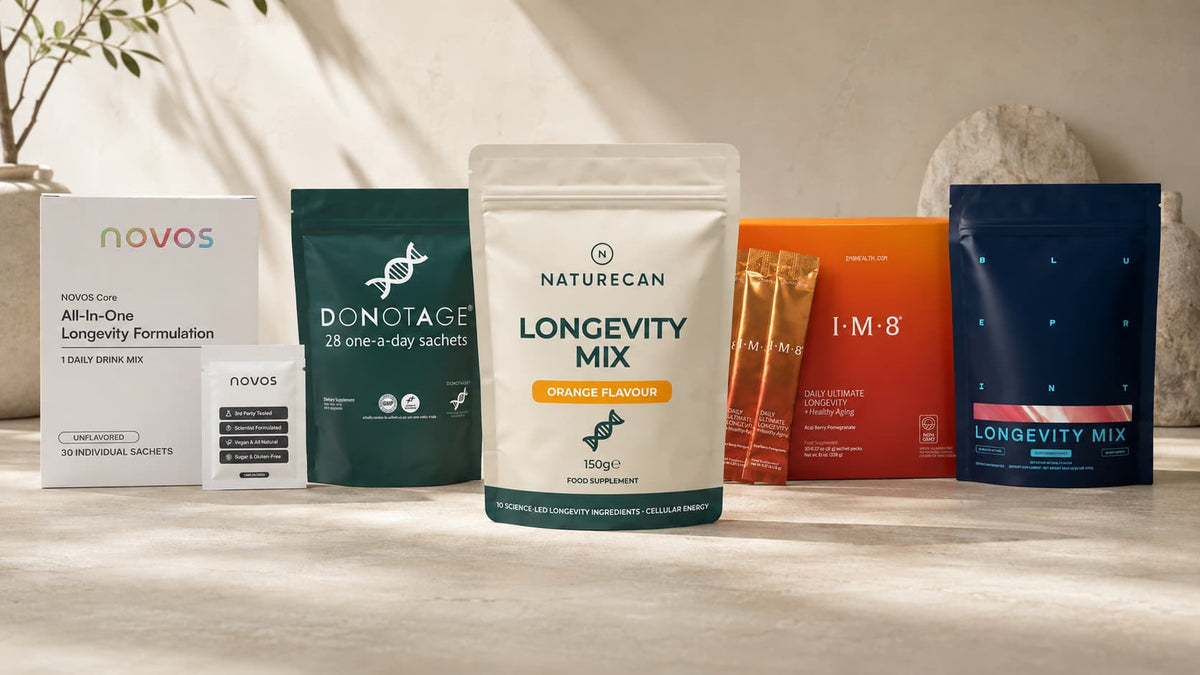
Longevity Mix Compared: What's Actually in IM8, NOVOS, DoNotAge, Blueprint & Naturecan
We compare the Longevity Mix formulas from Naturecan, IM8, NOVOS, DoNotAge and Blueprint side by side on disclosed ingredients, finished-product evidence, price and UK/EU safety rules, not marketing language.

Psyllium Husk: What It Is, Benefits, How to Use & Is It Safe?
What psyllium husk is, the evidence behind its benefits for digestion, cholesterol and blood sugar, and how to use it safely as a powder, whole husk or in capsules.


